Closed Back Office Headphones: A Buyer's Guide

Affiliate disclosure: Some links on this page are affiliate links. If you buy through them we earn a small commission at no extra cost to you. Recommendations are research-driven; we don't claim personal use of every product reviewed. Product prices and availability are accurate as of the date published and are subject to change. Always check Amazon for current pricing before purchasing. Learn more.
Quick Picks
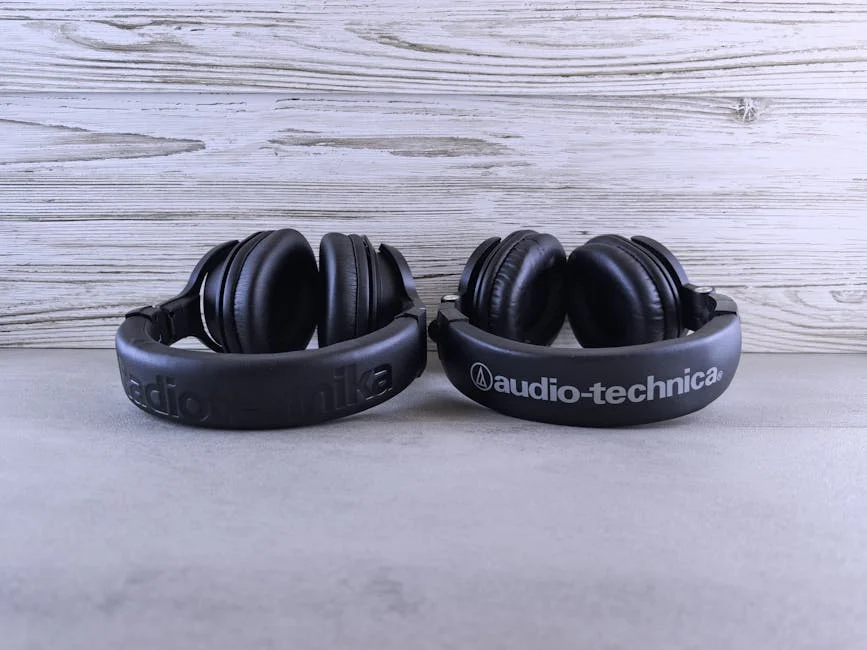
Audio-Technica ATH-M50X Professional Studio Monitor Headphones Black
Industry-standard beginner closed-back with massive community support
Buy on AmazonAKG K371 Over-Ear Closed-Back Foldable Studio Headphones
Closely follows the Harman target curve , referenced in measurement guides
Buy on Amazonbeyerdynamic DT 770 PRO 80 Ohm Over-Ear Studio Headphones
Proven studio closed-back with decades of professional use
Buy on Amazon| Product | Price Range | Top Strength | Key Weakness | Buy |
|---|---|---|---|---|
| Audio-Technica ATH-M50X Professional Studio Monitor Headphones Black also consider | $ | Industry-standard beginner closed-back with massive community support | Mid-bass hump , not as neutral as AKG K371 alternatives | Buy on Amazon |
| AKG K371 Over-Ear Closed-Back Foldable Studio Headphones also consider | $$ | Closely follows the Harman target curve , referenced in measurement guides | Headband quality below what price bracket suggests | Buy on Amazon |
| beyerdynamic DT 770 PRO 80 Ohm Over-Ear Studio Headphones also consider | $ | Proven studio closed-back with decades of professional use | V-shaped tuning with prominent treble , not for treble-sensitive listeners | Buy on Amazon |
Closed-back headphones solve a specific office problem that open-backs cannot: sound leakage. Whether the concern is distracting a colleague two desks away or keeping a video call from turning into an echo chamber, passive isolation is the criterion that narrows the field before any other evaluation begins. The headphones category is broad, but closed-backs for office use occupy a distinct corner of it , one where comfort over multi-hour sessions, source compatibility, and sound quality all matter in roughly equal measure.
What separates a good office closed-back from a mediocre one is rarely the marketing language. V-shaped tuning that sounds exciting in a five-minute demo becomes fatiguing across a full workday. A non-detachable cable that works fine at a recording console becomes a liability at a standing desk. The evaluation criteria here are mundane in the best sense , comfort, cable design, source requirements, and tuning that ages well across hundreds of hours of use.
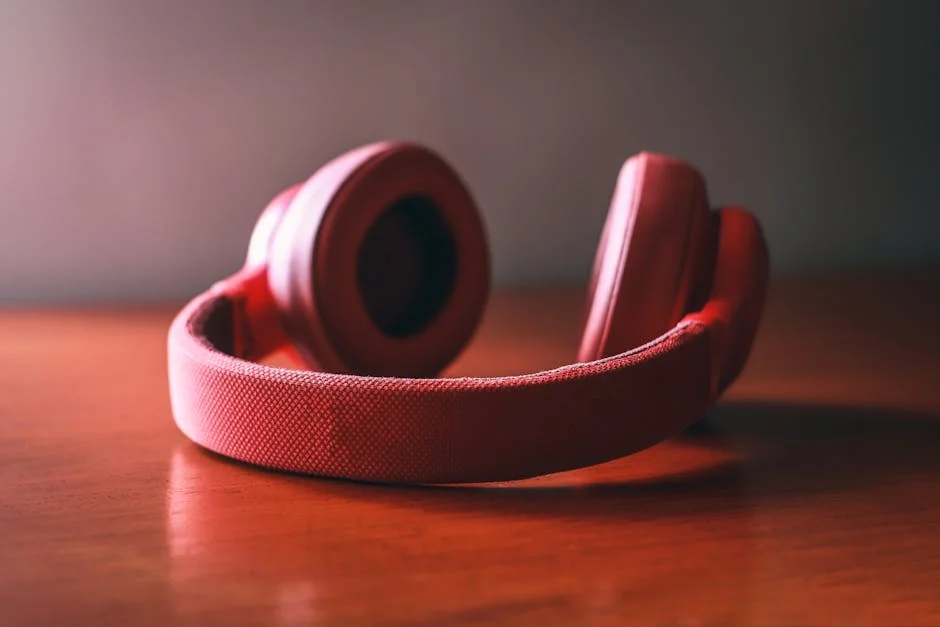
What to Look For in Closed-Back Office Headphones
Isolation and Leakage Control
The defining characteristic of any closed-back is its passive isolation , how much environmental sound it attenuates, and how much sound it contains. In an open office, both directions matter. A headphone that leaks substantially at moderate listening volumes is a social tax on the people around you. Owner reports consistently rank isolation as the first filter applied when evaluating office-specific use.
Passive isolation in closed-backs typically ranges from modest (some leakage at higher volumes, meaningful reduction of ambient noise) to genuinely effective (seal tight enough to make phone calls in moderate environments). Ear cup depth, ear pad material, and the quality of the seal against the head all contribute. Velour pads tend to breathe better but isolate less than leatherette alternatives. For open-plan offices, leatherette or synthetic leather pads are the practical choice.
Comfort and Clamping Force
Multi-hour comfort is where many closed-backs that measure well or look impressive on spec sheets fail in practice. Clamping force , the lateral pressure the headband exerts against the head , is the main variable. Too little and the headphone slides; too much and fatigue sets in within an hour. Owner reports on long-session use are more reliable than brief auditions for identifying clamping force problems.
Ear pad depth also contributes to comfort. Shallow pads that press the driver housing against the ear become uncomfortable faster than deep pads that let the ear float freely inside the cup. Head circumference affects this differently than ear size , a headphone that fits comfortably for one person can feel vice-like for another with a wider head. Reviews from buyers who describe their use case as “office” or “all-day” are more useful than studio tracking reviews for this criterion.
Source Compatibility and Impedance
Office use rarely involves a dedicated headphone amplifier. The source is typically a laptop output, USB dongle, or a monitor’s headphone jack. Headphone impedance and sensitivity together determine how loud and how well-controlled the headphone sounds from a weak source.
Lower-impedance options (32Ω, 80Ω) generally play louder and more controllably from portable or integrated sources than high-impedance models (250Ω, 600Ω). For anyone using a laptop as their primary source, impedance matters more than it does for a home listening setup with a dedicated stack. The full range of headphone options worth considering expands meaningfully once amplification enters the picture, but for strictly office use, source compatibility is a practical constraint rather than an audiophile variable.
Cable Design and Portability
Office use creates cable stress that studio use does not. A headphone packed into a bag daily, connected and disconnected from a laptop repeatedly, and occasionally walked to a meeting room accumulates wear at the cable termination faster than one that sits on a studio desk. Detachable cables matter here , not for cable-rolling purposes, but because replacement availability extends the useful life of the headphone when a cable eventually fails.
Foldable designs offer meaningful portability for commuters or anyone who moves between workspaces. A headphone that folds flat stores in a bag without requiring a dedicated case. For desk-only use the portability benefit is minor, but for anyone whose office is not always the same room, it compounds with cable replaceability into a genuine long-term value argument.
Top Picks
Audio-Technica ATH-M50x
The Audio-Technica ATH-M50x is the closed-back most people encounter first, and for reasonable cause. It ships with three detachable cables , coiled, straight long, and straight short , which means the cable situation is handled from day one. The detachable connection is a genuine long-term advantage: when a cable fails after two years of daily use, the headphone does not become disposable.
Tuning is elevated in the bass and mid-bass relative to a neutral reference. Owner reports and measurements both confirm this , it is not flat, and the “studio monitor” branding somewhat misrepresents its character. For office listening across podcasts, voice calls, and background music, the warm tilt is more pleasant than clinical neutrality for most people. The mid-bass hump becomes more noticeable on bass-heavy music at higher volumes; at moderate office listening levels it reads as full-sounding rather than excessive.
Clamping force is the primary comfort caveat. Owners with wider heads or those sensitive to lateral pressure consistently note fatigue in sessions over two to three hours. Breaking in the headband by stretching it over a stack of books for a few days is a common workaround that owner communities have documented extensively. The foldable design handles bag transport well, and the build quality at this price point is solid enough to survive years of daily commuting.
Check current price on Amazon.
AKG K371
The AKG K371 earns its reputation from a single, specific achievement: it follows the Harman target curve more closely than almost any closed-back at its price point. ASR’s measurements and the broader audiophile community’s consensus align on this. For buyers who want a closed-back that sounds balanced and does not add coloration to the source material, the K371 is the measurement-backed answer in the budget-to-mid range.
In practical office terms, that tuning translates to a headphone that does not fatigue across long sessions. The bass is present but controlled, the midrange is clear without being forward, and the treble sits slightly dark , which some buyers find smooth and some find lacking in air. Treble-sensitive listeners will not encounter the brightness problems that affect competing options at similar prices. For voice calls and spoken-word content, the midrange clarity is a genuine advantage.
The headband is the build quality weak point. Owner reports across multiple purchase cohorts describe the headband padding as inadequate for the price, particularly compared to the rest of the construction. The foldable design and detachable cable work well; the headband is where cost was visibly managed. For buyers who prioritize tuning and measurement accuracy over premium materials, the K371 remains the strongest closed-back argument in the budget-to-mid range. For buyers who need the headband to hold up through years of aggressive daily use, the caveat is worth weighing carefully.
Check current price on Amazon.
beyerdynamic DT 770 Pro 80 Ohm
Few closed-backs have accumulated the professional track record of the beyerdynamic DT 770 Pro. It has been in continuous production for decades, used across tracking sessions, broadcast booths, and studio monitoring applications in environments where durability is a professional requirement rather than a feature claim. Made in Germany, with spare parts available through beyerdynamic’s service program, it is one of the few headphones where long-term repairability is a realistic expectation rather than a hope.
The 80Ω version is the right choice for office use. It drives to satisfying volumes from a laptop headphone jack or USB dongle without audible distortion or loss of control , the 250Ω version, while slightly more refined when paired with a proper amplifier, underperforms from weak sources in ways that matter during a workday. The 80Ω version is what owner reports and the studio community consistently recommend for source-limited setups.
The tuning is V-shaped with a prominent treble peak , what the community typically calls “beyer treble.” Verified buyers who describe themselves as treble-sensitive flag this consistently, and their reports are credible. For listeners who do not have treble sensitivity, the V-shaped signature is energetic and enjoyable for long listening sessions without becoming aggressive. The non-detachable coiled cable is the genuine portability limitation: it works well at a fixed desk and becomes awkward in transit. For desk-anchored office use with a stable setup, it is a minor trade-off against decades of proven durability.
Check current price on Amazon.
Buying Guide
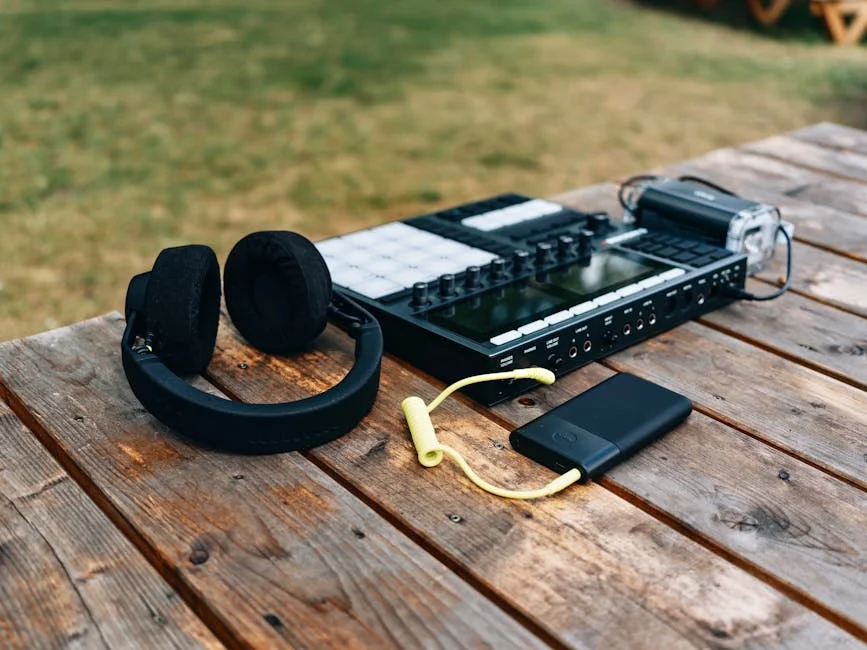
Matching Impedance to Your Office Source
The first practical question for any office headphone purchase is what the source actually is. Laptop headphone jacks, USB-C dongles, and monitor outputs vary considerably in output power. The 80Ω DT 770 Pro and the 32Ω M50x both drive adequately from typical laptop outputs. Higher-impedance options , the 250Ω DT 770 Pro variant being the most commonly encountered example , require a proper headphone amplifier to perform as intended.
For most office buyers, the answer is to stay below 150Ω unless a dedicated amplifier is already part of the setup. If it is not, a budget USB DAC/amp , something in the entry-level range , costs relatively little and expands the viable headphone options considerably. The decision is worth making explicitly rather than discovering a volume or control problem after purchase.
Tuning Preference and Listening Fatigue
Three broad signatures cover the options in this roundup: warm-tilted (M50x), near-Harman-neutral (K371), and V-shaped (DT 770 Pro). For office use specifically, the relevance of each signature changes relative to a home listening context.
A warm signature with elevated bass tends to be forgiving of compressed audio and streaming quality , common sources in office environments. A near-neutral signature resolves voice clearly and holds up well across both music and spoken-word content. A V-shaped signature is engaging for music but introduces treble energy that becomes relevant over long sessions for listeners who have any sensitivity in the upper frequencies. Identifying treble sensitivity before purchase is more reliable than discovering it three weeks in. Owner reports from buyers who describe multi-hour office sessions are the most useful calibration point.
Cable Design for Daily Use
For anyone packing a headphone into a bag or disconnecting from a source multiple times per day, cable design is a long-term investment consideration, not an accessory detail. Both the M50x and K371 feature detachable cables. The DT 770 Pro does not. Detachable cables extend headphone lifespan because the cable , the highest-wear component , is replaceable without voiding the headphone’s value.
The broader headphones market offers detachable-cable closed-backs at every price point, so the DT 770 Pro’s non-detachable cable is not a category-wide limitation , it is a specific trade-off on an otherwise durable product. For desk-only setups where the cable stays connected and undisturbed, it matters less. For daily commuters or anyone using the headphone across multiple locations, it is a genuine durability consideration.
Comfort Across Multi-Hour Sessions
Office headphone comfort differs from home listening comfort primarily in duration and context. A headphone worn for two hours during a focused creative session behaves differently from one worn through back-to-back video calls over a full workday. Clamping force, ear pad material, and headband padding interact across that duration in ways that brief store demos do not reveal.
Verified buyer reviews that describe consistent all-day use are more predictive than professional reviews conducted across shorter sessions. The M50x has well-documented clamping force that loosens with use and headband stretching. The K371’s comfort profile is generally positive in owner reports, with headband padding as the noted weakness. The DT 770 Pro’s headband is widely praised for long-session comfort, which partly explains its decades of professional tracking use.
Build Quality and Repairability
Long-term value in office headphones comes from durability and repairability rather than from initial feature lists. The DT 770 Pro’s made-in-Germany construction and official spare parts program give it a realistic multi-year service life. The M50x’s detachable cables extend its life practically. The K371’s headband is a known weak point worth acknowledging.
For buyers who treat headphones as a commodity to replace on a two-year cycle, build quality is a secondary consideration. For buyers who prefer to maintain equipment rather than replace it, the DT 770 Pro and M50x both offer better long-term serviceability than most competitors at their price points.
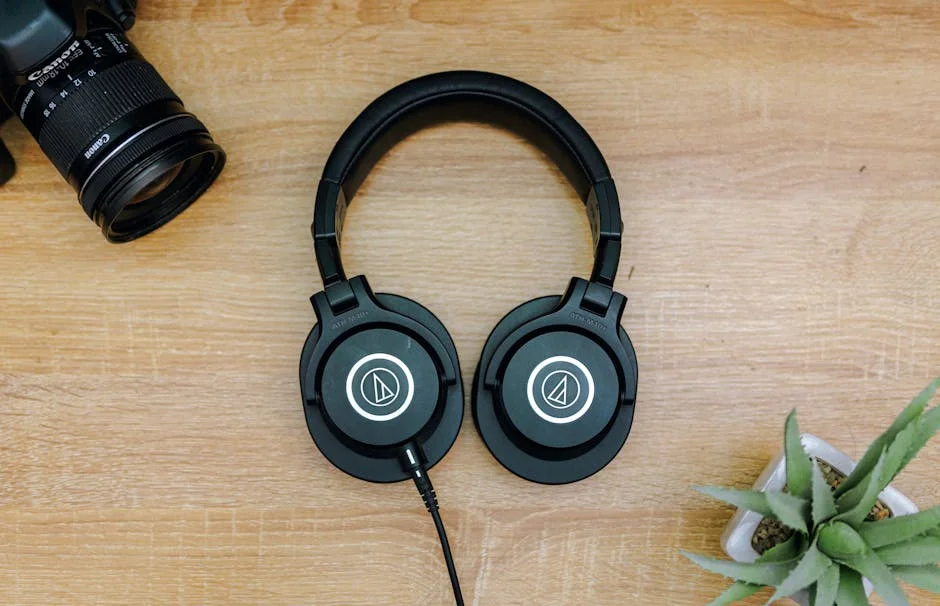
Frequently Asked Questions
Is the AKG K371 or the Audio-Technica ATH-M50x the better office headphone?
For buyers who prioritize accurate, fatigue-free tuning across long sessions, the AKG K371 is the stronger choice , its near-Harman-neutral response is more consistent for extended voice call and music use than the M50x’s elevated bass. The ATH-M50x has the advantage of a more established accessory ecosystem and wider community support for troubleshooting. Both are genuinely capable office headphones; the tuning preference is the deciding factor.
Does impedance matter for office headphone use?
It matters more than most buyers expect before encountering the problem. The 80Ω DT 770 Pro and the 32Ω M50x both drive reliably from laptop outputs. High-impedance headphones (250Ω and above) require more voltage than most integrated laptop jacks can cleanly supply, which results in low volume headroom and sometimes audible distortion at higher levels. For strictly laptop-source office use, staying at 80Ω or below is the practical guideline.
How important is a detachable cable for office use?
More important than it appears at purchase. Cables are the highest-wear component in daily use , connecting, disconnecting, folding into a bag, and eventually developing intermittent connections at the strain relief. Both the M50x and K371 offer detachable cables, which means a failed cable costs a few dollars to replace rather than the full cost of the headphone. The DT 770 Pro’s non-detachable cable is a trade-off worth considering explicitly for anyone whose headphone travels with them.
Can closed-back office headphones replace noise-canceling headphones for focus work?
Passive isolation from a well-sealing closed-back handles moderate office noise , HVAC hum, keyboard clicks, moderate conversation , without the audio processing artifacts that active noise cancellation introduces. For loud, variable noise environments (open floors with frequent loud conversations, construction noise), active noise cancellation has a practical advantage.
Should I buy the beyerdynamic DT 770 Pro 80 Ohm or the 250 Ohm version for office use?
The 80Ω version is the correct choice for office use in nearly every case. The 250Ω version requires a dedicated headphone amplifier to drive to its full potential , without one, it sounds quieter and less controlled than the 80Ω version from the same source. The DT 770 Pro 80 Ohm provides the same build quality and character as the 250Ω version with practical compatibility for the sources most office environments actually use.
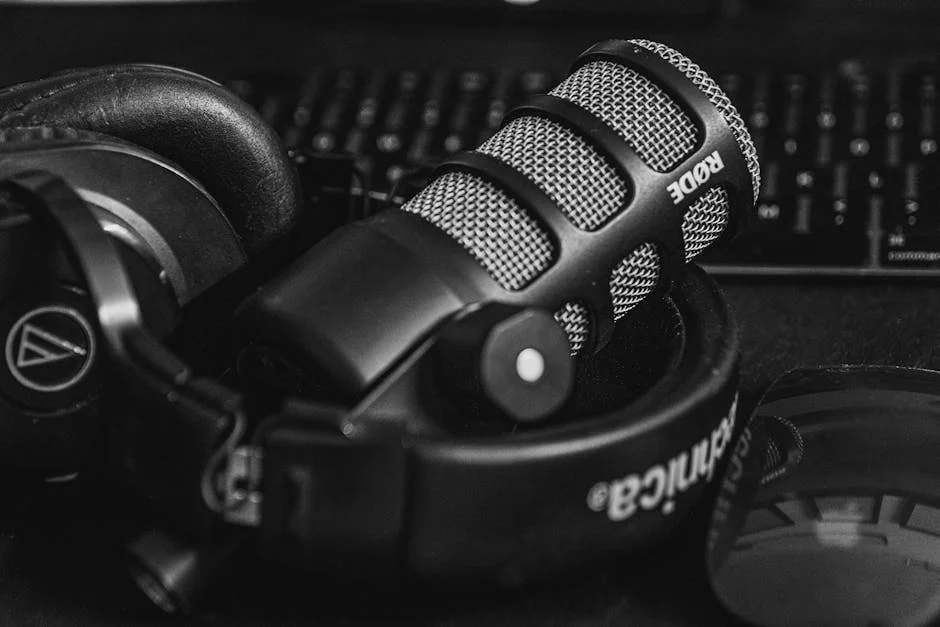
Where to Buy
Audio-Technica ATH-M50X Professional Studio Monitor Headphones BlackSee Audio-Technica ATH-M50X Professional … on Amazon