Closed Back Headphones Under 300: Tested Top Picks

Affiliate disclosure: Some links on this page are affiliate links. If you buy through them we earn a small commission at no extra cost to you. Recommendations are research-driven; we don't claim personal use of every product reviewed. Product prices and availability are accurate as of the date published and are subject to change. Always check Amazon for current pricing before purchasing. Learn more.
Quick Picks
beyerdynamic DT 770 PRO 80 Ohm Over-Ear Studio Headphones
Proven studio closed-back with decades of professional use
Buy on AmazonSennheiser HD 560S Open-Back Over-Ear Wired Headphones
Flat, neutral frequency response praised by measurement enthusiasts
Buy on AmazonAudio-Technica ATH-M40x Professional Studio Monitor Headphones
Flatter frequency response than ATH-M50x for more accurate monitoring
Buy on Amazon| Product | Price Range | Top Strength | Key Weakness | Buy |
|---|---|---|---|---|
| beyerdynamic DT 770 PRO 80 Ohm Over-Ear Studio Headphones also consider | $ | Proven studio closed-back with decades of professional use | V-shaped tuning with prominent treble , not for treble-sensitive listeners | Buy on Amazon |
| Sennheiser HD 560S Open-Back Over-Ear Wired Headphones also consider | $ | Flat, neutral frequency response praised by measurement enthusiasts | Lighter bass weight compared to HD 600/650 | Buy on Amazon |
| Audio-Technica ATH-M40x Professional Studio Monitor Headphones also consider | $ | Flatter frequency response than ATH-M50x for more accurate monitoring | Less bass emphasis than M50x , may disappoint casual listeners | Buy on Amazon |
| beyerdynamic DT 700 PRO X Closed-Back Studio Headphones also consider | $$ | Stellar.45 driver with more neutral closed-back tuning than DT 770 | Higher price than classic DT 770 Pro 80Ω alternatives | Buy on Amazon |
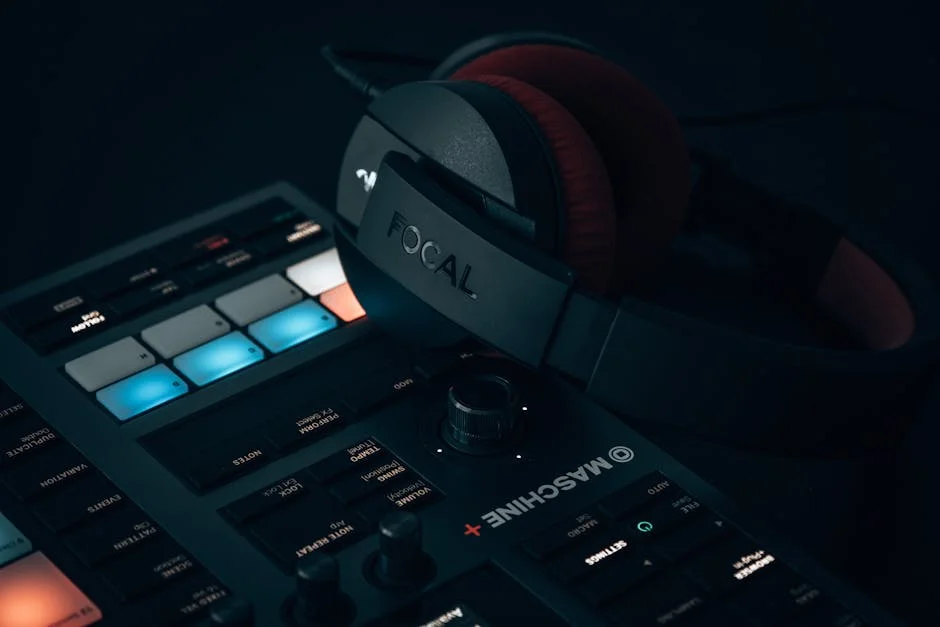
Closed-back headphones pull double duty in a way open-backs never can , they isolate you from the room and keep sound from bleeding into a microphone. For home tracking sessions, noisy commutes, or simply not disturbing a partner at midnight, a closed-back is the practical answer. The headphones category at this price tier has matured considerably, and there are genuinely strong options available without overextending a budget.
The harder question is which one belongs in your setup. V-shaped and neutral tunings behave very differently over a long session. Impedance and sensitivity determine whether your interface or laptop can drive a headphone to a useful volume without noise. Those variables matter before you look at brand reputation or aesthetics.
What to Look For in Closed-Back Headphones
Isolation vs. Sound Quality Trade-offs
Closed-back headphones seal sound in and outside noise out, but the enclosure affects acoustics. Bass builds up more easily in a closed cavity, which is why many closed-backs lean warm or V-shaped rather than neutral. The tradeoff is real , the same physical design that makes a headphone good for tracking also introduces coloration that open-backs avoid by letting the driver breathe freely. Understanding this helps set expectations. A closed-back tuned to measure flat is a genuinely difficult engineering feat; most land somewhere between neutral and enthusiastically bass-forward. Neither is wrong, but knowing where a given headphone falls tells you whether it will serve mixing work, casual listening, or both.
Passive isolation varies more than most buyers expect at this price range. A headphone with adequate clamping force and dense foam earpads can reduce ambient noise meaningfully , not to the degree of active noise cancellation, but enough for apartment studio work or a loud office. Headphones with looser seals compromise both isolation and bass extension simultaneously.
Impedance and Source Compatibility
Impedance is the number most buyers skip, then regret later. A headphone rated at 250 ohms sounds considerably quieter on a phone or laptop than the same headphone at 32 or 80 ohms. Amp output impedance also matters: a high-output-impedance amplifier paired with a low-impedance headphone can shift the frequency response in ways you didn’t choose. For buyers without a dedicated amplifier, staying under 150 ohms is a practical threshold , and under 80 ohms is safer still.
Sensitivity ratings work alongside impedance. Two headphones at 80 ohms can require meaningfully different volume levels if one measures 94 dB/mW and the other 102 dB/mW. The specs are worth checking before assuming a headphone will run quietly from a laptop output. The headphones guide covers source pairing in more depth for buyers building a full listening chain.
Driver Tuning and Frequency Response
Frequency response is the most direct predictor of how a headphone sounds day to day. A V-shaped signature , elevated bass and treble with a slight midrange recession , is common in headphones designed for consumer enjoyment and is also the default for many gaming-oriented models. A flat or slightly warm neutral signature is preferred for studio monitoring work where you need to hear the mix as it is, not as the headphone interprets it.
Treble sensitivity is a real physiological variable. The beyerdynamic “beyer peak” around 10 kHz is something some listeners never notice and others find fatiguing after ninety minutes. If you have any prior experience with headphones that have bothered you in the high end, this is worth researching specifically before committing to a purchase.
Build Quality and Long-Term Ownership
At this price tier, build quality covers both materials and repairability. Detachable cables are a meaningful long-term feature , coiled cords eventually fail, and a fixed cable turns a minor hardware failure into a full replacement. Earpads are another wear item; models with replaceable pads from established manufacturers extend the useful life of a headphone by several years.
Country of manufacture correlates with build standards in this category more than in most. beyerdynamic’s German-made studio headphones have been in continuous professional use for decades for a reason , the physical tolerances are tighter, and replacement parts remain in stock. Exploring the full breadth of headphone options before committing to a specific model is worth the time, especially for buyers who plan to own a pair for the long term.
Top Picks
beyerdynamic DT 770 PRO 80 Ohm
The beyerdynamic DT 770 PRO 80 Ohm is probably the most field-tested closed-back studio headphone available at a budget price point. Tracking studios have been reaching for it for decades, and the reason isn’t nostalgia , it’s that the combination of solid isolation, comfortable long-session fit, and a durable Made-in-Germany build holds up in professional environments where headphones take real punishment.
The tuning is V-shaped: bass is full and present, treble is elevated with the characteristic beyerdynamic peak around 10 kHz, and the midrange sits slightly behind both. For mixing, this coloration is a limitation , the boosted bass and sparkly top end flatter music rather than reveal it. For gaming, streaming setups, tracking sessions where the headphone is monitoring rather than mixing, and casual listening by buyers who enjoy a fun, engaging sound, it is one of the stronger choices available.
The 80Ω variant is the version most buyers should consider. It runs adequately from audio interfaces and most laptop headphone outputs without a dedicated amp. The 250Ω version exists and sounds marginally different, but it benefits significantly from a proper amplifier , a requirement that adds cost and complexity the 80Ω version doesn’t impose. Owner reports consistently cite comfort and longevity as the standout attributes across years of daily use.
Check current price on Amazon.
Audio-Technica ATH-M40x
The Audio-Technica ATH-M40x gets significantly less attention than its sibling the ATH-M50x, and that’s worth addressing directly. The M50x became a community recommendation touchstone largely due to timing and marketing. The M40x, available at a lower price, actually measures flatter across the frequency range , which makes it the more accurate monitoring tool of the two. Buyers who have heard the M50x and found the low-end emphasis excessive will find the M40x a more disciplined listen.
Detachable cables and a foldable design give it practical flexibility the DT 770 Pro can’t match. The M40x collapses into a compact form for transport and ships with two cables, a feature set that matters for buyers whose use case extends beyond a fixed desk setup. Build quality is solid without being exceptional , the plastics feel appropriate for the price rather than luxurious. Earpads can be replaced from third-party suppliers, which extends the headphone’s usable life meaningfully.
The population most likely to end up satisfied with the M40x is the buyer who wants honest frequency reproduction at a budget price and doesn’t need the social-proof value attached to the M50x name. Verified buyers with mixing and home studio backgrounds consistently rate it above expectations for the price band.
Check current price on Amazon.
beyerdynamic DT 700 PRO X
The beyerdynamic DT 700 PRO X represents a significant step from the DT 770 Pro in every dimension that matters for critical listening. The Stellar.45 driver was designed with a more neutral target than beyerdynamic’s V-shaped legacy tuning , bass is present and controlled without the DT 770’s bloom, treble is extended without the same 10 kHz emphasis, and the midrange sits in a more natural position across the frequency range. For buyers who want a closed-back that can function as a genuine monitoring tool rather than a characterful studio workhorse, the DT 700 Pro X makes the case clearly.
The 48Ω impedance drives well from interfaces and portable sources without a dedicated amp, which closes the practical gap between this and the older 80Ω DT 770. The detachable mini-XLR cable is a meaningful differentiator from the DT 770’s fixed coiled cable , it improves long-term repairability and allows for cable swaps without opening the headphone. Made-in-Germany construction matches the DT 770’s build standards, and the physical durability is expected to be comparable over a long ownership period.
The trade-off is straightforward: this is positioned at the top of the range covered by this guide. Buyers who genuinely need accurate closed-back monitoring , tracking engineers, producers working in treated rooms, audiophile buyers who want the detail retrieval of an open-back in a closed form , will find the premium justified. Buyers whose use cases center on casual listening and gaming may find the more neutral tuning less immediately impressive than the DT 770’s V-shaped presentation, even if it’s technically more accurate.
Check current price on Amazon.
Sennheiser HD 560S
The Sennheiser HD 560S is the one open-back in this group, and it earns its place here because many buyers searching closed-backs haven’t fully committed to that requirement. If isolation is not genuinely necessary , no live microphone nearby, no shared sleeping space, no noisy open office , the HD 560S makes a compelling counter-argument.
ASR’s measurements show a notably flat frequency response by open-back standards, with a slight roll-off below 60 Hz that keeps the bass honest without making it thin. The 120Ω impedance is lower than the HD 600 or HD 650, which means it runs from phones and laptops without the volume concerns those headphones carry at 300Ω. Community consensus on Head-Fi and across r/headphones consistently positions it as the entry point for listeners who want measurement-praised open-back performance without the price of Sennheiser’s flagship tier.
The construction is predominantly plastic, and the build reflects the price band , functional, not luxurious. Detachable cable and replaceable earpads are genuine long-term ownership positives. For buyers who have read this far and are genuinely committed to closed-back isolation, the DT 770 Pro 80Ω and DT 700 Pro X remain the stronger category answers. But for buyers who are open to reconsidering the requirement, the HD 560S is worth a serious look before finalizing the choice.
Check current price on Amazon.
Buying Guide
Closed-Back vs. Open-Back , Settling the Use Case First
The single most consequential decision in this category is not which brand or tuning to choose , it’s whether a closed-back design is actually required. Closed-backs isolate. They are the right answer for tracking sessions where microphone bleed would ruin a take, shared living spaces where headphone audio leaks bother other people, and commutes or noisy offices where passive isolation improves the listening experience. They are not automatically better for critical listening, mixing reference, or casual home use where isolation isn’t a constraint. If the only reason a closed-back is on the list is convention, it’s worth confirming that the use case actually demands it.
Open-backs consistently have an advantage in soundstage width and imaging at equivalent price points , the physics of the vented enclosure allow the driver to behave more naturally. Buyers without a strict isolation requirement may find an open-back more satisfying for long-session listening.
Tuning Preferences and Listening Fatigue
Frequency response preference is personal, but listening fatigue is physiological. V-shaped tunings with elevated treble , the DT 770 Pro being the relevant example here , suit many listeners well for two or three hours and become uncomfortable for others after thirty minutes. If you have any history of treble sensitivity with prior headphones, that preference should drive the shortlist more than any other single variable.
Neutral tunings are not automatically “less enjoyable.” The DT 700 Pro X and ATH-M40x both measure closer to flat than the DT 770, and many listeners find that reference-leaning tuning more sustainable across a full day. The preference isn’t right or wrong , it’s a variable worth knowing about yourself before choosing.
Amplification Requirements
At this price tier, most headphones are designed to run from common sources , audio interfaces, laptops, and phones. The 80Ω DT 770 Pro, 48Ω DT 700 Pro X, and 38Ω ATH-M40x all drive well without a dedicated amplifier. The HD 560S at 120Ω sits slightly higher but still runs cleanly from most modern devices.
The scenario where amplification becomes relevant is pairing with a high-output-impedance source. Some older interface headphone outputs have higher impedance than is ideal for low-impedance headphones, which can shift frequency response in subtle but audible ways. The broader headphones coverage includes DAC/amp pairing guidance for buyers planning a more complete listening chain.
Cable and Repairability Considerations
Three of the four headphones covered here ship with detachable cables. The exception is the DT 770 Pro, which uses a fixed coiled cable. For buyers who plan to use a headphone for many years, this is worth thinking through. Cables fail , connectors bend, insulation cracks, channels drop out. A fixed cable converts a routine repair into a full headphone replacement or a warranty claim; a detachable cable converts it into a sub-cost accessory purchase.
The ATH-M40x, DT 700 Pro X, and HD 560S all offer detachable cables, and all three use connectors with available third-party replacement options. Earpads are the other serviceable component , pads compress over years of use, and most of these models have third-party pad ecosystems that allow for material upgrades or direct replacements.
Matching the Headphone to the Use Case
Bringing the variables together: the buyer who needs a proven closed-back for live tracking sessions and wants maximum durability at a budget price point lands on the DT 770 Pro 80Ω. The buyer who wants neutral monitoring in a closed form at the top of this price range lands on the DT 700 Pro X. The buyer who wants accurate frequency response at the lowest entry price, with portable-friendly form factor, lands on the ATH-M40x. And the buyer who started this search looking for a closed-back but genuinely has no hard isolation requirement is worth steering toward the HD 560S before they commit.
Frequently Asked Questions
Is the beyerdynamic DT 770 Pro 80 Ohm good for mixing?
The DT 770 Pro 80Ω is a capable tracking and monitoring tool, but its V-shaped tuning , elevated bass and treble , introduces coloration that makes accurate mix decisions harder. For casual reference and tracking, it’s a reliable choice with decades of professional use behind it. For serious mixing work where flat response matters, the beyerdynamic DT 700 PRO X or the ATH-M40x are stronger options given their more neutral frequency response.
Should I get the DT 770 Pro 80 Ohm or the DT 700 Pro X?
These two headphones serve meaningfully different buyers. The beyerdynamic DT 770 PRO 80 Ohm is the budget workhorse with a fun V-shaped signature and a fixed coiled cable. The beyerdynamic DT 700 PRO X is a more neutral, more repairable studio tool at a higher price point. If tuning accuracy and a detachable cable matter, the DT 700 Pro X justifies the price difference.
Do I need an amplifier for these headphones?
The 80Ω DT 770 Pro, 48Ω DT 700 Pro X, 38Ω ATH-M40x, and 120Ω HD 560S all drive adequately from modern audio interfaces, laptops, and phones. A dedicated DAC/amp stack can improve resolution and lower noise floor, but it is not a requirement for reaching useful listening volumes. The gains matter more for higher-impedance headphones like the 300Ω HD 600 or 250Ω DT 770 variant.
Why is the Sennheiser HD 560S in a closed-back headphone guide?
The HD 560S is an open-back, included because many buyers shopping for closed-backs haven’t firmly committed to that requirement. If isolation from microphone bleed or ambient noise isn’t genuinely necessary, the HD 560S offers a measured-flat open-back experience at a budget-adjacent price. It’s here as a course correction for buyers who may find it a better fit once the use case is examined. Buyers with a hard isolation requirement should stay with the closed-back options.
Is the ATH-M40x better than the ATH-M50x?
For monitoring accuracy, the Audio-Technica ATH-M40x measures flatter than the M50x and is available at a lower price , which makes it the stronger choice for home studio and mixing use. The M50x has broader community recognition and a more pronounced bass emphasis that some casual listeners prefer. Buyers choosing between the two based on brand reputation alone should know the M40x is the more analytically neutral headphone, while the M50x is tuned for a more immediately exciting presentation.
Where to Buy
beyerdynamic DT 770 PRO 80 Ohm Over-Ear Studio HeadphonesSee beyerdynamic DT 770 PRO 80 Ohm Over-E… on Amazon