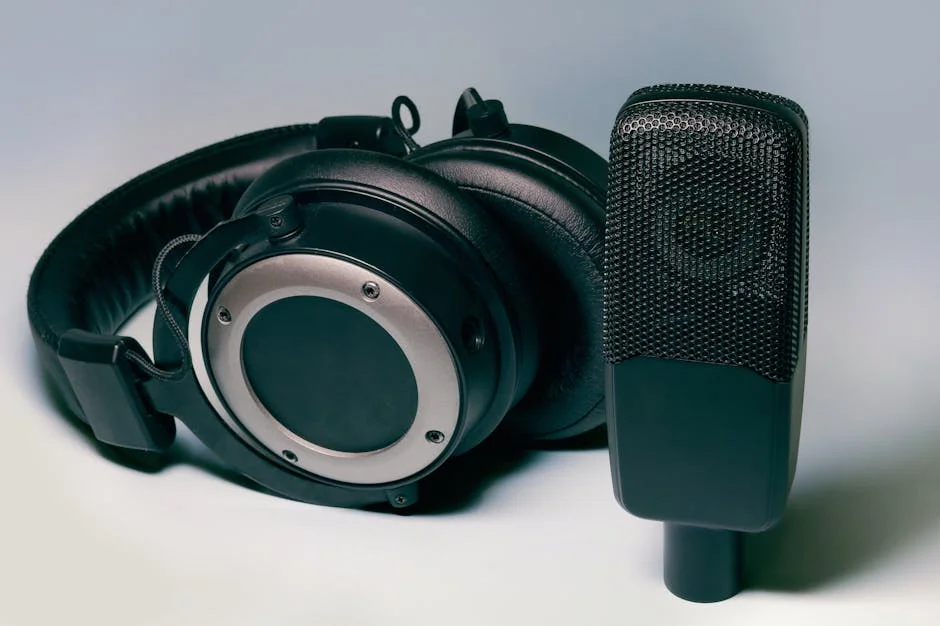
Best Headphones for Electronic Music: Buyer's Guide

Affiliate disclosure: Some links on this page are affiliate links. If you buy through them we earn a small commission at no extra cost to you. Recommendations are research-driven; we don't claim personal use of every product reviewed. Product prices and availability are accurate as of the date published and are subject to change. Always check Amazon for current pricing before purchasing. Learn more.

Quick Picks
HIFIMAN SUNDARA Hi-Fi Headphone Planar Magnetic 2020 Version
Outstanding planar magnetic imaging and detail at its price
Buy on AmazonBeyerdynamic DT 990 PRO Open Studio Headphones
Wide, airy soundstage from open-back design
Buy on AmazonHiFiMAN HE400SE Planar Magnetic Headphones
Planar magnetic technology at ~$109 , previously impossible price point
Buy on Amazon| Product | Price Range | Top Strength | Key Weakness | Buy |
|---|---|---|---|---|
| HIFIMAN SUNDARA Hi-Fi Headphone Planar Magnetic 2020 Version also consider | $$ | Outstanding planar magnetic imaging and detail at its price | Needs proper amplification , underpowered sources sound thin | Buy on Amazon |
| Beyerdynamic DT 990 PRO Open Studio Headphones also consider | $$ | Wide, airy soundstage from open-back design | Elevated treble causes fatigue for extended listening sessions | Buy on Amazon |
| HiFiMAN HE400SE Planar Magnetic Headphones also consider | $ | Planar magnetic technology at ~$109 , previously impossible price point | Low sensitivity requires more amplifier power than typical dynamics | Buy on Amazon |
Electronic music rewards headphones that handle bass texture, spatial cues, and synthetic transients without smearing them into a wall of low end. The headphones you choose shape whether you hear a sub-bass kick as a sculpted physical event or an undifferentiated rumble , and whether a Reese bass moves with the mix or sits on top of it.
Getting the right pair means understanding driver type, tuning profile, and how much your source chain can actually drive them. The gap between a well-matched setup and a mismatched one is audible, not theoretical.
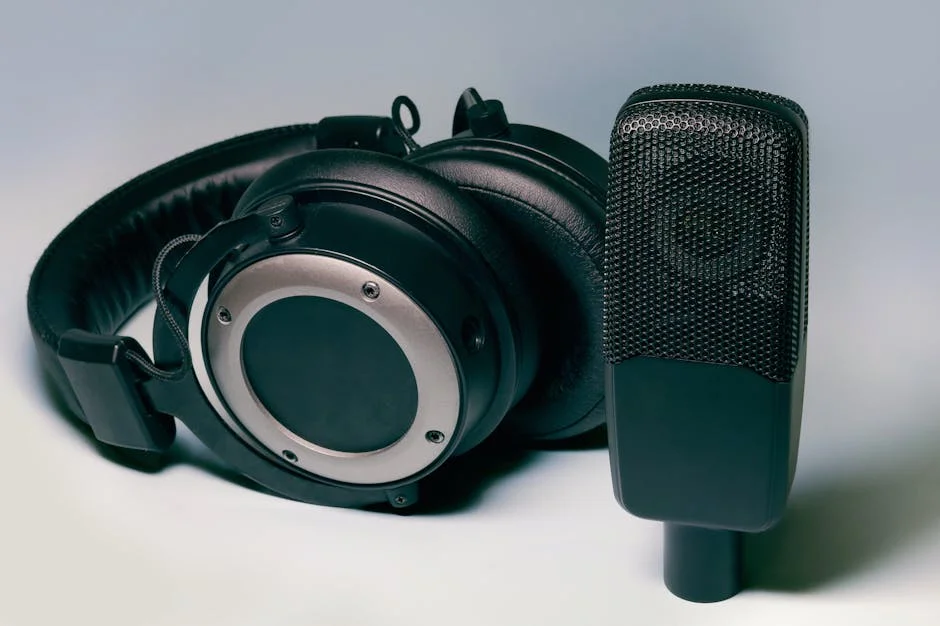
What to Look For in Headphones for Electronic Music
Driver Technology and Bass Texture
The bass in electronic music is synthesized, not recorded. That distinction matters for headphones. A dynamic driver with loose bass control turns a carefully sculpted 808 into a bloom; a planar magnetic driver, with its flat diaphragm driven uniformly across the surface, tends to resolve sub-bass texture more precisely.
Planar magnetic headphones have a mechanical advantage here: the entire membrane moves together, which reduces distortion at low frequencies and preserves the leading-edge transient that makes kick drums feel physical rather than boomy. Dynamic drivers can match this with tight, well-controlled tuning , but the driver design and implementation matter more than the type alone.
Budget planar options have become genuinely competitive at accessible price points. The practical question is whether your source can drive them , a point covered in the amplification section below.
Frequency Response and Tuning Profile
Electronic music mixes are built in studios on flat-response monitors. Headphones that exaggerate bass or treble , the classic V-shaped signature , add a coloration the producer never intended. That coloration can be enjoyable. It can also mask the mid-bass punch timing, the sub-bass layer separation, and the spatial detail in reverb tails that make a well-mixed track interesting.
Neutral or slightly bass-elevated tuning profiles give you closer access to what the mix actually contains. Measurement-informed buyers look for a tuning target close to the Harman curve , a research-backed preference curve that specifies a moderate bass shelf and a relatively flat midrange. Headphones measuring near that target tend to translate well across electronic subgenres.
V-shaped tuning is a legitimate preference, not a mistake , it suits listeners who prioritize excitement over accuracy. Know which you want before you buy.
Soundstage and Imaging
Spatial design in electronic music , the placement of elements in three-dimensional space , is often as deliberate as the sound design itself. Wide pads swept across the stereo field, sub-bass elements anchored dead-center, atmospheric layers floating behind the main elements: these are compositional choices. Headphones with narrow imaging compress that space.
Open-back headphones ventilate the ear cups, allowing air to pass through the driver assembly. This generally produces a wider, more coherent soundstage than closed-back designs at a given price. The trade-off is isolation , open-backs leak sound in both directions, making them impractical for loud environments.
For home listening to electronic music where soundstage is a priority, open-back designs consistently offer the more convincing spatial presentation. The full range of headphones optimized for open listening spans every price tier.
Sensitivity and Amplification Matching
Planar magnetic headphones typically require more current than dynamic-driver designs of comparable impedance. A 32-ohm planar may sound thin and lifeless out of a phone headphone jack , not because the source can’t drive the impedance, but because it can’t supply sufficient current.
The practical guideline: if you’re buying a planar magnetic headphone at any price tier, budget for a dedicated amplifier. A DAC/amp stack in the budget-to-mid range dramatically changes how the headphone performs. Buying the headphone alone and running it from a laptop is leaving a meaningful portion of its capability unused. The difference is not subtle at typical listening levels with synth-heavy, bass-dense music.
Top Picks
HiFiMAN HE400SE
The entry point for planar magnetic technology sits lower than it has any right to. The HiFiMAN HE400SE uses stealth magnets , a design that reduces diffraction from the magnet structure itself, cleaning up treble response , at a price tier where that technology was previously unavailable. The result is a budget headphone that measures considerably better than its price implies.
Bass texture is the main reason to consider this over a similarly priced dynamic-driver alternative. Verified buyers consistently note that the sub-bass response feels controlled and layered rather than elevated and loose , which is exactly the distinction that matters for synthesized low end. Owner reports on dense electronic mixes specifically mention improved kick definition compared to budget dynamic-driver headphones.
Build quality is the honest limitation. The headband adjusters feel light, and the overall construction reads budget in a way the sound doesn’t. These are not headphones for a gym bag. They need an amplifier , running them from a phone headphone jack or a laptop outputs them underpowered, and the thinness that results is easily mistaken for a driver characteristic. Pair them with anything in the budget DAC/amp category and the character shifts substantially.
Check current price on Amazon.
Beyerdynamic DT 990 PRO
Open-back construction, a wide soundstage, and one of the most active EQ communities of any headphone on the market , the Beyerdynamic DT 990 PRO occupies a specific and well-documented niche. Its V-shaped tuning , elevated bass shelf, recessed midrange, boosted treble , is precisely what makes it polarizing among measurement-focused listeners and consistently popular with everyone else.
For electronic music, the wide soundstage is the genuine strength. Owner reviews across multiple communities point to spatial presentation as the reason to choose these over more neutrally tuned alternatives at the same price. Pads and reverb tails sit convincingly wide; the open-back design lets the mix breathe in a way closed-back alternatives at this tier rarely match.
The treble elevation is where extended listening becomes an honest concern. Verified buyers split noticeably on this: some report no fatigue across long sessions, others find the upper treble presence tiring within an hour. The 80-ohm version is the practical choice for buyers without a dedicated amplifier; the 250-ohm variant needs current to open up properly. A substantial library of community EQ profiles exists specifically for taming the treble peak , AutoEQ and Oratory1990’s correction targets are well-tested starting points if the stock tuning proves fatiguing.
Check current price on Amazon.
HIFIMAN SUNDARA
The HIFIMAN SUNDARA 2020 revision is the planar magnetic headphone that reframed what mid-range money can buy. The 2020 update specifically addressed the original’s comfort shortcomings , revised earpads and a reworked headband made extended listening sessions realistic in a way the original wasn’t. It’s the headphone in this collection with the clearest before-and-after story from the manufacturer’s own iteration.
ASR’s measurements place it among the best-measuring headphones at its price tier, with a neutral-leaning response and planar low distortion characteristics throughout the bass region. For electronic music, those distortion figures translate into a bass presentation that stays composed under complex layering , sustained sub-bass notes remain distinct from mid-bass transients in a way that isn’t a given at this price. Owner consensus across Head-Fi and dedicated planar communities consistently identifies bass texture and imaging as the Sundara’s clearest advantages over dynamic-driver alternatives at comparable prices.
Source matching is where field reports get specific. The Sundara scales more audibly with amplifier quality than the HE400SE , the ‘scales with source’ advice that can sound like audiophile mythology has real content here. Underpowered, it loses the bottom-end grip that makes it interesting. On a dedicated amp stack, the low-end control and imaging precision both open up. The ZMF Universe pads (a third-party replacement) come up consistently in owner discussions as a comfort improvement for longer sessions, for buyers who find the stock pads marginal.
Check current price on Amazon.
Buying Guide
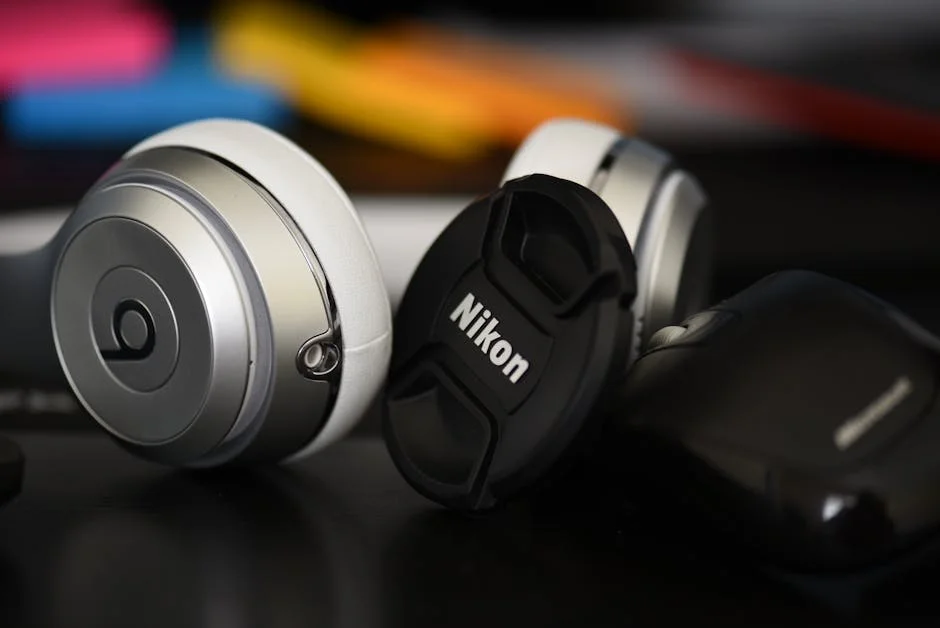
Open-Back vs. Closed-Back for Electronic Music
Open-back headphones are the default recommendation for home listening to electronic music. The ventilated design produces a soundstage that closed-back alternatives consistently struggle to match at equivalent prices. For music where spatial positioning is a compositional element , and in electronic music, it almost always is , that soundstage width is a functional advantage, not an audiophile preference.
Closed-back headphones make sense when isolation is required: commuting, open-plan offices, or recording environments where bleed is a concern. For pure home listening sessions, the trade-off generally isn’t worth making.
Planar Magnetic vs. Dynamic Driver
Planar magnetic drivers distribute the magnetic force across the entire diaphragm surface rather than concentrating it at a voice coil. For bass-heavy electronic music specifically, this tends to reduce distortion at low frequencies and improve transient control , the leading edge of a kick drum stays sharp rather than softening into the sustain.
Dynamic drivers are not inferior by default. A well-implemented dynamic driver with tight bass control performs extremely well for electronic music, and most of the headphone market is dynamic. The practical question is whether the bass texture resolution the planar design offers at a given price is worth the added amplification requirement it brings. For buyers already committed to a dedicated source chain, the answer is usually yes.
The Amplification Requirement
Planar magnetic headphones need current. Running any of the three planar-capable headphones here directly from a phone or laptop output is an incomplete test of the headphone , the source is the limiting factor, not the driver.
A budget DAC/amp stack changes the performance profile substantially. The gap between a laptop headphone jack and an entry-level dedicated amp is larger for planar headphones than for efficient dynamic drivers. For buyers in this category, budgeting for amplification alongside the headphone is not optional if the goal is to evaluate what the headphone actually sounds like. Browsing the full headphone pairing guides covers source matching in more depth.
Tuning Preference: Accuracy vs. Enjoyment
Neutral tuning gives access to the mix as engineered. V-shaped tuning adds a consistent coloration , more bass energy, more treble presence , that many listeners find immediately engaging. Neither preference is wrong. They’re suited to different listening goals.
For buyers who want to hear what the producer built, neutral tuning is the more revealing choice. For buyers who want electronic music to feel visceral and energetic in a way that doesn’t require careful source matching, the V-shaped profile of a headphone like the DT 990 PRO serves a real function. The honest question is whether the coloration you’re buying will still suit you six months in, or whether familiarity will make the tuning characteristic feel like a constraint.
EQ as a Starting Point, Not a Fix
Parametric EQ is widely used in the headphone community to correct tuning deviations. This makes a treble-bright headphone usable for extended listening with a few minutes of configuration.
The caveat: EQ works best on headphones with good underlying technical performance , clean imaging, low distortion, adequate bass extension. It cannot add detail that the driver doesn’t resolve. Using EQ to compensate for a tuning preference is effective; using it to solve a driver performance limitation is not.

Frequently Asked Questions
Do I need a dedicated amplifier for any of these headphones?
For the two planar magnetic options , the HE400SE and the Sundara , a dedicated amplifier is strongly advised, not optional. Planar drivers require more current than typical dynamic headphones, and the performance difference between an underpowered source and a proper amp is audible in the bass texture and imaging. The DT 990 PRO’s 80-ohm version is easier to drive but still benefits from a clean source.
Is the HIFIMAN Sundara significantly better than the HE400SE for electronic music?
The Sundara resolves bass texture and spatial detail more precisely, and owner reports consistently note that it scales more audibly with source quality than the HE400SE. For a listener already running a dedicated amp stack, the performance gap is real. For a buyer without amplification, the HE400SE on a proper budget amp may outperform an underpowered Sundara , the source chain matters as much as the headphone itself.
Does the DT 990 PRO’s V-shaped tuning work well for electronic music?
The wide soundstage and elevated bass energy suit high-energy genres , techno, drum and bass, trance , where visceral impact is the goal. For producers or detail-focused listeners who want to hear the mix as engineered, the V-shaped coloration obscures some mid-bass texture and midrange information. Community EQ profiles from Oratory1990 flatten the treble peak effectively if fatigue becomes an issue during extended listening.
Are open-back headphones practical for everyday use?
Open-back headphones leak sound in both directions , the person next to you can hear your music, and ambient noise enters from outside. They’re suited to quiet home listening environments, not public spaces, open-plan offices, or commutes. For the spatial presentation they offer on electronic music at home, the trade-off is worth understanding clearly before buying.
Is it worth upgrading earpads on the HIFIMAN Sundara?
The stock 2020 pads are an improvement over the original, but owner communities consistently report that third-party velour pads , ZMF Universe pads in particular , improve long-session comfort meaningfully. Pad choice can also make minor tuning shifts, so measurement comparisons between pad options exist on ASR and Head-Fi if sonic consistency matters. For most buyers, the stock pads are adequate; the upgrade is worth considering for sessions longer than two hours.

Where to Buy
HIFIMAN SUNDARA Hi-Fi Headphone Planar Magnetic 2020 VersionSee HIFIMAN SUNDARA Hi-Fi Headphone Plana… on Amazon