Best Headphones for Zoom Calls: Top Picks Reviewed

Affiliate disclosure: Some links on this page are affiliate links. If you buy through them we earn a small commission at no extra cost to you. Recommendations are research-driven; we don't claim personal use of every product reviewed. Product prices and availability are accurate as of the date published and are subject to change. Always check Amazon for current pricing before purchasing. Learn more.
Quick Picks
Audio-Technica ATH-M50X Professional Studio Monitor Headphones Black
Industry-standard beginner closed-back with massive community support
Buy on AmazonSony WH-1000XM5 Wireless Industry Leading Noise Canceling Headphones
Industry-leading active noise cancellation performance
Buy on AmazonBose QuietComfort 45 Bluetooth Wireless Noise Cancelling Headphones
Renowned comfort , Bose's signature plush earpads and headband
Buy on Amazon| Product | Price Range | Top Strength | Key Weakness | Buy |
|---|---|---|---|---|
| Audio-Technica ATH-M50X Professional Studio Monitor Headphones Black also consider | $ | Industry-standard beginner closed-back with massive community support | Mid-bass hump , not as neutral as AKG K371 alternatives | Buy on Amazon |
| Sony WH-1000XM5 Wireless Industry Leading Noise Canceling Headphones also consider | $$ | Industry-leading active noise cancellation performance | Cannot fold flat , less portable than XM4 predecessor | Buy on Amazon |
| Bose QuietComfort 45 Bluetooth Wireless Noise Cancelling Headphones also consider | $$ | Renowned comfort , Bose's signature plush earpads and headband | Consumer-tuned , bass-heavy compared to neutral references | Buy on Amazon |
Zoom calls have a way of exposing every weakness in your audio setup , background noise bleeds through, voices sound hollow, and the person on the other end keeps asking you to repeat yourself. A pair of headphones designed for the task changes all of that: better passive isolation, cleaner microphone pickup, and enough comfort to survive a full day of back-to-back meetings. The headphones market offers a wide range of options here, and the right choice depends heavily on whether you need wireless freedom, noise cancellation, or simply a reliable wired pair that won’t let you down.
Not every headphone marketed at remote workers actually delivers. The separation that matters most is between consumer comfort tuning, ANC performance, and genuine audio quality for the person on your end of the call. Understanding those distinctions before shopping saves real money and frustration.
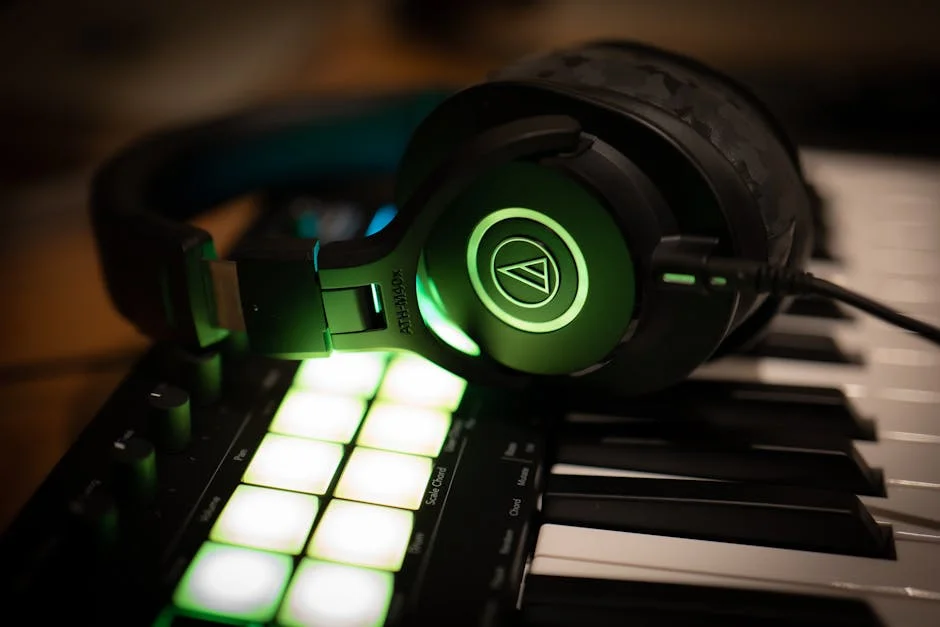
What to Look For in Headphones for Zoom
Microphone Quality and Voice Pickup
The most overlooked factor in a Zoom headphone purchase is what the other end of the call hears. Onboard microphone quality varies enormously , built-in mics on over-ear headphones range from genuinely clear to borderline unusable. Verified buyers consistently flag this in reviews: a headphone that sounds excellent to the wearer can still deliver muffled, boxy audio to meeting participants.
For video calls specifically, look for headphones with multiple microphone arrays or beamforming technology. These approaches capture voice while rejecting ambient room noise directionally, rather than just amplifying everything in range. Owner consensus points to this being more impactful than any other single specification on call clarity.
Noise Isolation: Passive vs. Active
Passive isolation comes from the physical seal of closed-back earcups against your head. Active noise cancellation (ANC) adds electronic processing to attenuate lower-frequency ambient sound that physical padding struggles to block. For a home office with a consistent background hum , HVAC, traffic outside, a running appliance , ANC provides a meaningful reduction in distraction.
The trade-off is complexity and cost. ANC headphones carry batteries that eventually degrade, additional circuitry that can introduce audio artifacts at certain frequencies, and higher price points. For quieter work environments, a well-sealing closed-back pair delivers sufficient isolation without those compromises. The field evidence suggests most home office workers benefit more from ANC than they expect, while quiet-room users benefit less than manufacturers suggest.
Comfort for Extended Wear
A headphone that causes physical fatigue after ninety minutes is a liability in an eight-hour workday. Clamping force, earcup depth, pad material, and total weight all contribute to long-session comfort. Owner reviews on headphones intended for professional or extended use consistently surface comfort as a primary concern , often above sound quality for non-audiophile buyers.
Memory foam padding and velour or fabric ear pads generally outperform leatherette for extended wear because they breathe better and conform more naturally to head shape. Leatherette seals more effectively against noise but builds heat. Weight distribution across a well-padded headband matters as much as earcup padding for sessions beyond two hours.
Wired vs. Wireless for Professional Calls
Wireless Bluetooth headphones introduce a small but real latency variable and depend on battery charge. For most video conferencing software, this latency is imperceptible. The practical convenience of wireless , freedom to move, no cable tangling across a desk , is a legitimate quality-of-life benefit for all-day call users.
The counter-argument is reliability. A wired connection cannot run out of charge mid-call and introduces no compression artifacts from Bluetooth codecs. For users who prioritize the full headphones listening experience alongside call use, a wired pair with a dedicated desk setup often performs better across both use cases. Multipoint Bluetooth connectivity , the ability to connect two devices simultaneously , is worth prioritizing if you switch between a work computer and a phone throughout the day.
Cable and Connectivity Compatibility
Zoom and similar platforms work with standard 3.5mm TRRS connections (tip-ring-ring-sleeve) for headphones with inline mics, or USB connections for headsets with dedicated digital audio. Standard TRS headphone plugs route audio but do not pass microphone signal through the same connector, which trips up buyers who assume any 3.5mm cable will work for calls.
Detachable cables add flexibility , the ability to swap a worn cable or use a different length for a specific desk setup is a genuine practical benefit. Cable differences below a meaningful quality threshold are not reliably audible, but the mechanical advantage of a replaceable connection over a fixed one is real and worth valuing independently of audio performance.
Top Picks
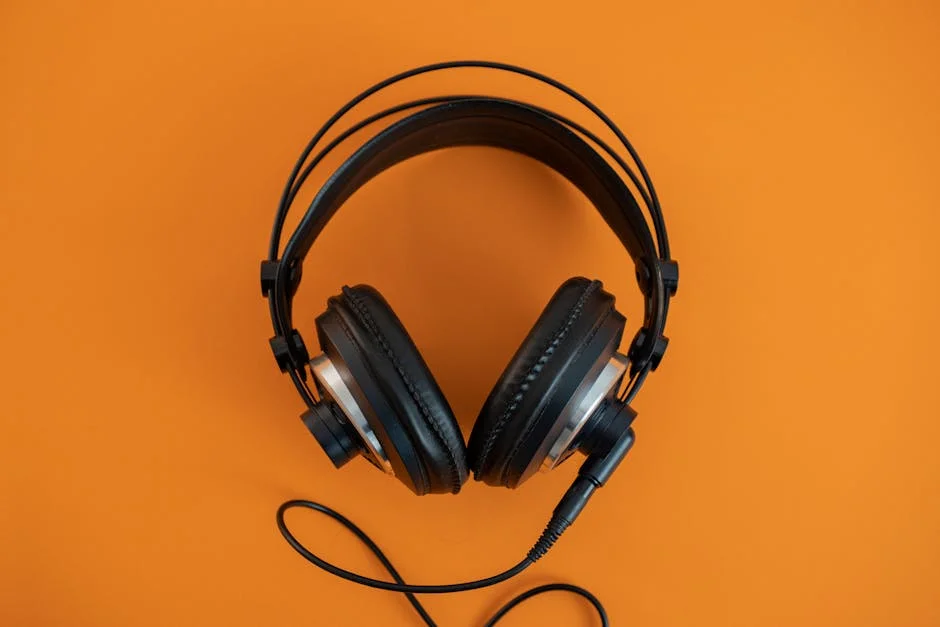
Audio-Technica ATH-M50x
The Audio-Technica ATH-M50x has been the default recommendation for a first closed-back headphone for almost a decade, and the reasons haven’t changed. The build is sturdy, the earcup swivels for single-ear monitoring, and the package includes three detachable cables , a straight cable, a coiled cable, and a short cable for mobile use. For Zoom calls specifically, the closed-back design provides consistent passive isolation in a typical home office environment.
Microphone setup is where buyers need to manage expectations. The M50x doesn’t have an integrated mic. It’s a headphone-only device, which means you’ll need a separate microphone or an adapter with an inline mic for calls. For anyone already running a USB mic on their desk, that’s a non-issue. For someone who wants a single plug-and-play solution, it requires an additional purchase or a different pick entirely.
Comfort on long sessions is fair but not exceptional. The clamping force runs higher than most competing options at this tier, and the leatherette pads build noticeable heat in sessions beyond two hours. Three years in, the M50x remains the pair on the desk for critical listening sessions , the bass emphasis is well-known and the mid-bass hump is real, but for casual call monitoring through speakers or a third-party mic, these remain a solid and widely supported foundation.
Check current price on Amazon.
Sony WH-1000XM5
The Sony WH-1000XM5 is the most complete all-around option here for anyone whose primary use case involves calls, travel, and all-day wear simultaneously. The ANC performance is genuinely class-leading , owner reports and community consensus across Head-Fi and r/headphones consistently place it at or near the top for real-world noise attenuation in variable environments. The eight-microphone array Sony uses for call audio is the most capable built-in solution in this comparison, and verified buyers in office and home-office contexts consistently note that call recipients remark on audio clarity unprompted.
Battery life at 30 hours covers a full working week of eight-hour days without a charge. Multipoint Bluetooth connectivity means pairing simultaneously to a laptop and a phone is straightforward , switching between a Teams call and a mobile notification doesn’t require re-pairing. The WH-1000XM5 is on the travel shelf for commutes and flights. It earns its place there entirely on ANC and call performance, not on audiophile tuning credentials: the sound signature is consumer-oriented, bass-lifted, and comfortable for background listening rather than critical analysis.
The one practical drawback worth naming clearly: the XM5 cannot fold flat the way its XM4 predecessor could. The redesigned headband is more comfortable for long sessions, but the carry case is larger and the headphone doesn’t pack as compactly in a bag. For desk-only use that’s irrelevant. For travel, it’s a real trade-off against the XM4, which is worth noting if portability of form factor is a priority.
Check current price on Amazon.
Bose QuietComfort 45
Comfort is where the Bose QuietComfort 45 makes its clearest argument. The plush earpads and undercut headband pressure distribute weight more evenly than most competitors at this tier, and owner reviews consistently identify long-session comfort as the primary reason buyers choose Bose over Sony. For users running back-to-back Zoom meetings across a full workday, that physical difference matters in practice , a headphone you stop noticing is more useful than a technically superior one you want to take off.
ANC performance is effective, particularly on low-frequency ambient noise like HVAC, road noise, and open-plan office background hum. It trails the Sony WH-1000XM5 in outright attenuation across measured tests and community field reports, but the gap in real-world call environments is smaller than the spec comparison suggests. Call quality is solid; the dual-microphone setup captures voice clearly under typical conditions.
The honest caveat is positioning. The QC45’s successor, the QuietComfort Ultra, offers improved features at a similar price point, which makes the QC45 a strong choice specifically if it’s available at a meaningful discount relative to the Ultra. The tuning is bass-forward and consumer-oriented , not a criticism for this use case, but worth noting for anyone who expects flat reference monitoring. For comfort-priority buyers running all-day remote work, the case for this is strong.
Check current price on Amazon.
Buying Guide
ANC vs. Passive: Matching Isolation to Your Environment
The right isolation approach depends on what you’re actually trying to block. Active noise cancellation works best on consistent, low-frequency ambient sound: air conditioning, engine rumble, office HVAC. It’s less effective on sudden or high-frequency sounds like voices in the next room or keyboard clicks nearby. If your work environment has that kind of consistent background hum, ANC justifies the cost.
Passive isolation from a well-sealing closed-back design handles mid and high frequencies more reliably than ANC does. For a quiet home office, passive isolation alone may be sufficient. Browsing the full range of over-ear headphones options helps clarify which trade-off fits your actual workspace before committing.
Wireless Convenience vs. Wired Reliability
For all-day Zoom use, wireless wins the quality-of-life argument. No cable running across your desk, freedom to stand up during a call, and no negotiating cord length when your laptop is docked away from your monitor. Multipoint Bluetooth , connecting two devices at once , is a meaningful feature for users who take calls on both a work laptop and a personal phone.
The reliability counter-argument is real but smaller than it used to be. Battery technology on current wireless headphones makes a dead-mid-call scenario unlikely if you manage charge the way you manage a phone. Wired remains the right call for users who run extended, uninterrupted sessions and can’t afford any variability.
Built-In Mic Quality: What Actually Matters on Calls
The microphone integrated into a consumer headphone is almost always a compromise. For calls where audio perception matters , client presentations, interview settings, recorded calls , the difference between a good built-in mic and a dedicated USB microphone is audible to the other person.
The Sony WH-1000XM5’s eight-microphone array is the strongest built-in option among these picks. The ATH-M50x has no built-in microphone, which makes it dependent on a separate mic entirely. For buyers who don’t already own a desk mic, this distinction drives the choice more directly than any other specification.
Comfort Across a Full Workday
Eight-hour wear is a different evaluation than a thirty-minute listening test. Earcup padding material matters: leatherette seals better but builds heat; velour and fabric breathe better but may reduce isolation slightly. Clamping force matters more than most buyers anticipate , a headphone that seems fine in-store creates real fatigue by the third hour of a call-heavy day.
Weight and headband padding contribute equally to long-session comfort. The QC45’s plush earpads and pressure-distributing headband are frequently cited as the most comfortable option for all-day wear in this tier. The M50x runs firmer , fine for shorter sessions, less ideal for a twelve-hour remote work day.
Single-Device vs. Multi-Device Workflows
Many remote workers run multiple devices simultaneously: a work laptop, a personal phone, occasionally a tablet. A headphone that connects to only one device at a time creates friction every time you switch. Multipoint Bluetooth, available on both the Sony XM5 and the Bose QC45, handles this without manual re-pairing.
For users who work from a single, fixed desktop or laptop, this distinction doesn’t matter. For anyone in a multi-device workflow , especially those who split attention between a managed work machine and a personal phone , multipoint connectivity is worth treating as a requirement, not a bonus feature.
Frequently Asked Questions
Do I need an ANC headphone for Zoom calls, or will a regular closed-back work?
A closed-back headphone with good passive isolation handles most home office environments adequately, particularly in quieter spaces. ANC adds meaningful benefit in environments with consistent low-frequency background noise , HVAC, traffic, open-plan offices. The Sony WH-1000XM5 and Bose QC45 both offer ANC with strong call microphones, while the ATH-M50x relies on passive isolation alone and requires a separate microphone for calls.
What’s the difference between the Sony WH-1000XM5 and the Bose QuietComfort 45 for calls?
The Sony WH-1000XM5 leads on raw ANC performance and microphone quality , the eight-mic array captures voice more precisely and community reports consistently rate call clarity higher than the QC45. The Bose QC45 wins on comfort for extended wear, with plush earpads that cause less fatigue over a full workday. Both handle standard Zoom call use well; the choice between them comes down to prioritizing microphone performance or all-day comfort.
Does the Audio-Technica ATH-M50x work for Zoom calls?
The ATH-M50x is a headphone-only device with no integrated microphone, so it requires a separate microphone to work effectively for Zoom calls. Paired with a USB desk mic, it performs well as a monitoring headphone , the closed-back design provides passive isolation and the sound is detailed enough to hear call audio clearly. For an all-in-one solution without extra purchases, the Sony or Bose options are more practical.
Are wireless headphones reliable enough for professional video calls?
Current wireless headphones are reliable for professional calls under normal conditions , the ATH-M50x excluded, since it’s wired-only. Battery life on the Sony XM5 (30 hours) and Bose QC45 (24 hours) covers multiple full workdays between charges. Bluetooth latency at this tier is imperceptible in standard video conferencing software. The main failure mode is neglecting to charge, which is manageable with a simple end-of-day routine.
Should I buy the Bose QuietComfort 45 or wait for the QuietComfort Ultra?
If the QC45 is available at a meaningfully lower price than the QuietComfort Ultra, it remains a strong value for comfort-priority buyers running all-day remote work. The Ultra offers improved features , spatial audio, enhanced ANC , but the QC45’s core call quality and comfort hold up well. Buyers who primarily need a reliable, comfortable Zoom headphone without requiring the latest feature set will find the QC45 delivers what they need.
Where to Buy
Audio-Technica ATH-M50X Professional Studio Monitor Headphones BlackSee Audio-Technica ATH-M50X Professional … on Amazon