Chord Mojo 2 Review: Custom FPGA DAC

Affiliate disclosure: Some links on this page are affiliate links. If you buy through them we earn a small commission at no extra cost to you. Recommendations are research-driven; we don't claim personal use of every product reviewed. Product prices and availability are accurate as of the date published and are subject to change. Always check Amazon for current pricing before purchasing. Learn more.
Custom FPGA implementation with Chord's proprietary WTA filter
See Chord Mojo 2 Portable DAC/Amp on AmazonThe Chord Mojo 2 occupies a genuinely unusual position in portable audio: it uses no off-the-shelf DAC chip. Instead, Chord’s engineers implemented their proprietary WTA filter on a custom FPGA, a technical approach that sets it apart from virtually everything else in the DACs category at any price. That alone makes it worth understanding, regardless of whether you buy it.
The questions worth asking before committing are about ergonomics, use case fit, and whether the premium price lands in the right place for your situation.

What to Look For in a Portable DAC/Amp
Output Power and Headphone Matching
Portable DAC/amps serve a wide range of headphones, and output power determines how far that range extends. Sensitive in-ear monitors need clean, quiet output, low noise floor and minimal channel imbalance at low volume. Harder-to-drive planar magnetics and full-size dynamic drivers need headroom. A device that handles one well may not handle the other.
Matching matters more than raw wattage. A unit with moderate power output and a genuinely low noise floor will often outperform a higher-powered device with measurable hiss into sensitive IEMs. Checking power figures against your specific headphone’s impedance and sensitivity before buying is time worth spending.
DAC Implementation: Chip-Based vs. FPGA
Most DAC/amps use an off-the-shelf chip from ESS, AKM, or Burr-Brown. These chips are well-measured, mature, and benefit from years of implementation knowledge. FPGA-based implementations like Chord’s take a different path: the digital filter and reconstruction algorithm are custom-written and flashed to a reconfigurable logic chip. This allows the designer to implement filters that no chip vendor offers, longer filter taps, different reconstruction philosophies, proprietary approaches to upsampling.
Whether that translates to audible improvement over a well-implemented chip DAC is genuinely contested. What is less contested is that the measured performance of Chord’s FPGA approach is excellent, and that the technical curiosity it satisfies is real. Buyers drawn to this category because they want to understand what’s inside their hardware will find the Chord approach more interesting than most. For a broader look at how different DAC technologies compare, the DACs hub covers the full landscape.
Portability and Form Factor
Portable means different things to different buyers. Desktop-portable, sits on a desk, moves between rooms, has different requirements than truly mobile: pocket, bag, train commute. The Mojo 2 is genuinely pocketable but not slim. It pairs naturally with a phone via USB-C or with a laptop as a desktop companion.
Battery life and charging behavior matter for mobile use. Heat during operation matters too, some high-performing portable units run warm under load, which affects comfort in a bag or pocket over long listening sessions.
Connectivity and Source Compatibility
A portable DAC/amp is only as useful as what you can connect to it. USB-C, coaxial input, and optical input cover most modern sources. The Mojo 2’s ability to accept coaxial and optical alongside USB is a genuine advantage over units that accept only USB. This matters if you plan to use it with multiple sources, a phone, a laptop, a CD transport, a network player.
Wireless connectivity is a separate consideration. The Mojo 2 supports Chord’s Poly streaming module as an add-on, which turns it into a standalone network player. That modularity is worth knowing about before purchase, even if you don’t intend to buy the Poly immediately.
Build Quality and Interface Design
Premium portable gear should hold up to the friction of actual portability, being carried, connected, disconnected, and dropped eventually. Chassis material, port reinforcement, and button quality all contribute. The Mojo 2’s aluminum housing is solid. Its ball-button interface is a different matter: the controls are non-obvious and take time to learn, so it is not a device to pick up and operate intuitively on day one.
Top Picks
Chord Mojo 2
The Chord Mojo 2 is built around a premise that no other portable DAC takes seriously at this scale: that the digital reconstruction filter is worth custom-engineering from scratch. Chord’s Rob Watts has written extensively about his WTA (Watts Transient Aligned) filter, and the FPGA implementation in the Mojo 2 runs a filter with far more taps than any chip DAC offers.
The practical case for this device is also coherent. USB-C input works with modern phones and laptops directly. Coaxial and optical inputs extend compatibility to sources that many portable DACs ignore. The 3.5mm and 2.5mm balanced outputs cover most headphone terminations, and the output power handles planars that defeat underpowered portable units.
The ball-button interface is the device’s main usability drawback. Four spherical buttons control volume, power, and a set of DSP filter settings. The filter options are activated through press-and-hold sequences that aren’t labeled on the device. The interface has a learning curve before it becomes reliable. This isn’t a deal-breaker for a device you’ll use regularly, but it is a real friction point at initial setup.
The Mojo 1 second-hand is worth a direct mention here: for buyers whose priority is sound quality per unit spent rather than the newer DSP options and improved specs, the original Mojo remains a strong alternative. The Mojo 2 improves on it in specifications and adds the crossfeed and DSP filter functionality. Whether those additions justify the price gap is a legitimate question that depends on the buyer’s specific use case.
Check current price on Amazon.
Buying Guide
Who This Device Is Actually For
The Mojo 2 is a premium portable DAC/amp, and the buyer it suits best is not a first-time DAC buyer. The device rewards prior experience with portable audio: an understanding of why output noise floor matters for IEMs, why filter topology is worth thinking about, and enough familiarity with DAC controls to tolerate a non-obvious interface. Someone who has run a mid-range stack and wants to understand what a technically distinctive portable unit offers is the right audience.
First-time buyers generally benefit from starting with an established mid-range option, learning what a proper DAC/amp does for their specific headphones before committing to premium pricing.
Headphone Pairing Considerations
Planar magnetics in particular tend to be less efficient than dynamic drivers. For planars specifically, the Mojo 2’s output power and low noise floor represent a meaningful practical advantage over under-powered portable alternatives.
For the HD600 and similar headphones, the argument is more nuanced. The Mojo 2 will drive it well, cleanly, with proper dynamics, but the audible gap over a well-implemented mid-range desktop stack will be smaller than the price difference implies for most listeners.
The Poly Ecosystem Decision
The Mojo 2 is designed to pair with Chord’s Poly streaming module, which attaches via a purpose-built interface and adds Wi-Fi, Bluetooth, and MicroSD playback. The combined Mojo/Poly stack becomes a standalone portable streamer, no phone required for playback, Roon-ready over Wi-Fi, capable of running from local storage.
This modularity is worth understanding before purchase even if the Poly isn’t in the immediate budget. Buyers who anticipate wanting wireless functionality eventually may prefer the Mojo 2 over competing units specifically because of this upgrade path. Buyers who don’t need wireless and don’t anticipate wanting it can treat the Poly as irrelevant, the Mojo 2 functions completely independently of it.
Portability Versus Desktop Use
The Mojo 2 works as both a portable and a desktop-portable unit. As a desktop unit, the interface quirks matter less, you configure the filter settings once, leave them, and use it as a clean USB DAC/amp. The battery charges during desktop use rather than depleting.
For genuinely mobile use, commuting, travel, the form factor is manageable but not minimal. It fits in a jacket pocket and runs for several hours on a charge. Buyers who need something that disappears into a shirt pocket should look at slimmer alternatives. The DAC options that prioritize thin form factor exist and serve a different use case well.
New vs. Second-Hand Market
The Mojo 1 second-hand represents one of the stronger value positions in portable audio. For buyers whose primary goal is excellent sound quality without the DSP features of the Mojo 2, the first-generation unit is available significantly cheaper. The Mojo 2 adds improved specifications and the new DSP filter and crossfeed options, which matter to some buyers and are genuinely useful additions.
The decision simplifies to this: if the DSP functionality and improved specs are relevant to your use case, the Mojo 2 is the stronger choice. If you primarily want the FPGA implementation and Chord’s filter approach in a portable form, the Mojo 1 second-hand is worth serious consideration.
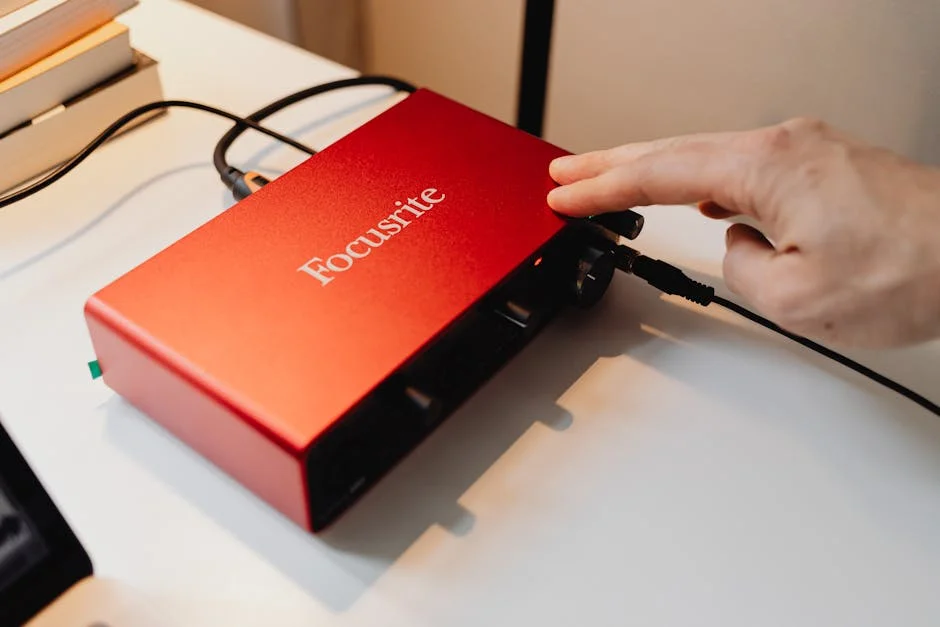
Chord Electronics Chord Mojo 2 Portable DAC/Amp: Pros & Cons
- Custom FPGA implementation with Chord's proprietary WTA filter
- Measured performance excellent despite unique technical approach
- Ball-button interface is unintuitive and confusing for new users
Frequently Asked Questions
How does the Chord Mojo 2's FPGA implementation differ from a standard chip DAC?
Conventional DACs use chips from manufacturers like ESS or AKM, where the digital filter and reconstruction algorithm are fixed in silicon. The Mojo 2 implements its digital filter on a reconfigurable FPGA, allowing Chord to run a proprietary WTA filter with far more taps than any chip DAC offers. This is the technical foundation of Rob Watts's design philosophy. Whether it produces audible improvement over a well-implemented chip DAC is genuinely debated, but measured performance of the Mojo 2 is strong.
Is the Chord Mojo 2 worth buying over the original Mojo second-hand?
The Mojo 2 adds meaningful measured performance improvements and introduces crossfeed and DSP filter options that the original lacks. For buyers who want those features and updated specs, the Mojo 2 is the right choice. For buyers primarily interested in Chord's FPGA sound quality and willing to forgo the DSP additions, a second-hand Mojo 1 in good condition offers competitive performance at a lower cost. The right answer depends directly on whether the new features are useful in your workflow.
What headphones does the Chord Mojo 2 pair well with?
It handles sensitive IEMs cleanly enough for most users. Dynamic drivers like the Sennheiser HD600 also pair well, though the HD600 is less source-sensitive than planars and the audible benefit of the Mojo 2 over a solid mid-range alternative will be smaller with those headphones specifically.
What is the Chord Poly, and do I need it?
The Poly is a streaming module that attaches directly to the Mojo 2 and adds Wi-Fi, Bluetooth, and MicroSD playback, turning the combined unit into a standalone portable streamer. It is entirely optional, the Chord Mojo 2 functions completely without it as a wired USB DAC/amp. The Poly is worth considering if you anticipate wanting wireless playback or Roon integration without carrying a phone. If you plan to use the Mojo 2 as a wired desktop or portable unit only, the Poly is not relevant to your purchase decision.
How difficult is the Chord Mojo 2's ball-button interface to learn?
Harder than it should be. The four spherical buttons control power, volume, and filter settings through a combination of single presses, double presses, and hold sequences. The filter options are not labeled on the device itself, so new users typically need to consult the manual or online resources to configure them. The interface becomes reliable after several days of use, it is learnable, but the initial friction is real and worth knowing about before purchase.
Where to Buy
Chord Electronics Chord Mojo 2 Portable DAC/AmpSee Chord Mojo 2 Portable DAC/Amp on Amazon