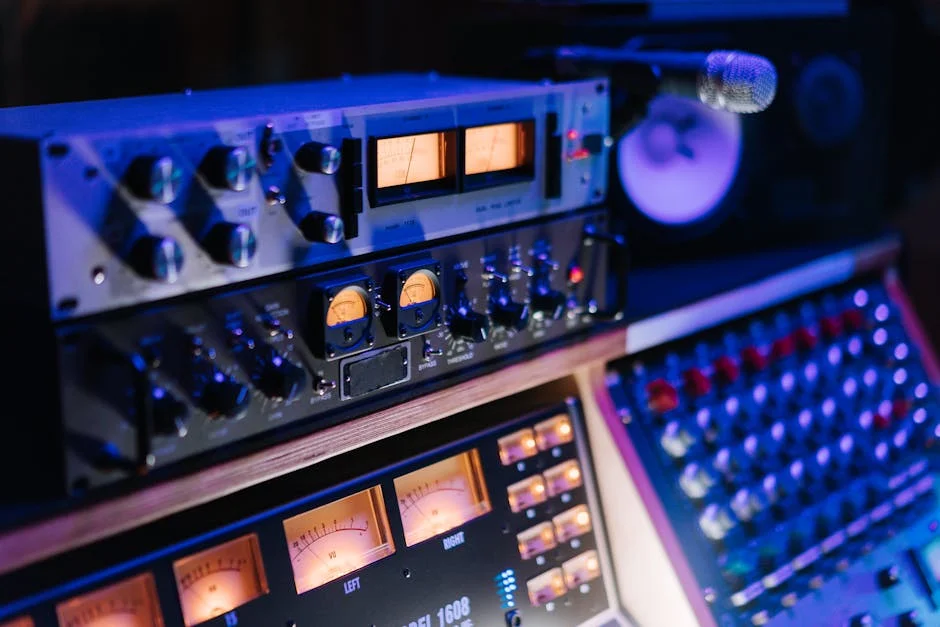
Denafrips R2R DAC Guide: Models, Performance, and Value
Affiliate disclosure: Some links on this page are affiliate links. If you buy through them we earn a small commission at no extra cost to you. Recommendations are research-driven; we don't claim personal use of every product reviewed. Product prices and availability are accurate as of the date published and are subject to change. Always check Amazon for current pricing before purchasing. Learn more.

Quick Picks
Apple USB-C to 3.5mm Headphone Jack Adapter
Inexpensive baseline dongle that actually measures well for its price
Buy on AmazonAstell&Kern AK70 MKII Portable Music Player
Astell&Kern premium build quality with stainless steel construction
Benchmark DAC3 HGC Digital to Analog Converter
Professional mastering studio grade DAC with outstanding measurements
Buy on Amazon| Product | Price Range | Top Strength | Key Weakness | Buy |
|---|---|---|---|---|
| Apple USB-C to 3.5mm Headphone Jack Adapter also consider | $ | Inexpensive baseline dongle that actually measures well for its price | No volume control or balanced output | Buy on Amazon |
| Astell&Kern AK70 MKII Portable Music Player also consider | $$$ | Astell&Kern premium build quality with stainless steel construction | Cirrus Logic chip now older , newer chip DAPs measure better at similar price | — |
| Benchmark DAC3 HGC Digital to Analog Converter also consider | $$$ | Professional mastering studio grade DAC with outstanding measurements | Very high price , above most audiophile budgets | Buy on Amazon |
| Cambridge Audio DacMagic 200M USB DAC/Amp also consider | $$ | Dual ESS ES9028Q2M chips with well-measured performance | Headphone amp section adequate but not exceptional for demanding loads | — |
| Chord Hugo 2 Transportable DAC Headphone Amplifier Black also consider | $$$ | FPGA-based DAC with 208 taps digital filter , unique technical approach | Very high price , significant investment in transportable category | Buy on Amazon |
| Chord Electronics Chord Mojo 2 Portable DAC/Amp also consider | $$$ | Custom FPGA implementation with Chord's proprietary WTA filter | Ball-button interface is unintuitive and confusing for new users | Buy on Amazon |
| Denafrips Ares II R-2R DAC also consider | $$ | Genuine discrete R-2R ladder architecture at a competitive price | Requires international direct purchase , longer shipping and limited returns | — |
| FiiO BTR5 2021 Bluetooth Receiver Amplifier Hi-Res LDAC aptX HD also consider | $ | Bluetooth LDAC and aptX HD at sub-$100 pricing | 2.5mm balanced less common than 4.4mm in newer accessories | — |
R-2R DACs have a reputation in audiophile circles that outpaces what most people can actually verify firsthand. Denafrips sits at the center of that conversation, offering discrete ladder DAC designs at price points that make them genuinely accessible for mid-tier hobbyists. If you’re trying to understand what Denafrips R-2R DAC options exist, where they fit in the broader DAC landscape, and whether the technology matches the hype, this guide covers the ground honestly.
The short version: R-2R architecture sounds different from sigma-delta on paper and in listener reports, but the measurement picture is more complicated. Three years into this hobby, I’ve learned to hold both things at once. Below is a research-grounded look at Denafrips options alongside comparable and contextually relevant DACs worth knowing.

What Is an R-2R DAC and Why Does Denafrips Matter?
R-2R, or resistor ladder DAC architecture, builds the digital-to-analog conversion process using discrete resistor networks rather than an off-the-shelf sigma-delta chip. Each “rung” of the ladder contributes to the final analog output. The appeal is that this approach avoids the noise-shaping and oversampling behaviors baked into most modern chip DACs. Whether that translates to an audible difference that matters to you is a genuinely contested question in audiophile communities, and anyone who tells you otherwise with total confidence is skipping over real uncertainty.
Denafrips entered the conversation as a Chinese manufacturer offering fully discrete R-2R implementations at prices that European and American boutique alternatives couldn’t touch. The brand’s lineup, sold primarily through Vinshine Audio, covers budget-adjacent entry points up through genuinely luxury-tier statements. That range, combined with a dense paper trail of independent reviews across Head-Fi, ASR, Audiogon, and YouTube channels like Resolve Reviews, makes Denafrips unusually well-documented for a direct-import brand.
For a broader look at DAC technology categories and how R-2R fits into the overall landscape, the DACs hub on this site covers architecture overviews and comparison frameworks worth reading first.
How R-2R Compares to Chip DACs
Measurements vs. Listening Reports
The measurement picture for R-2R DACs is where things get complicated. Chip-based DACs using modern ESS or AKM silicon (like the ES9028PRO) consistently post lower THD+N and better dynamic range numbers than discrete R-2R implementations at equivalent price points. ASR’s data on this is clear and worth checking before you spend anything significant.
What the measurements don’t fully capture is the subjective listener preference that has made R-2R designs persistently popular. Community consensus across Head-Fi and AudioScienceReview suggests that a meaningful subset of listeners, particularly those coming from vinyl or who are sensitive to what they describe as “digital glare,” prefer R-2R output even when blind measurement comparisons favor chip alternatives. At my experience level, I take that preference data seriously without treating it as objective proof of superiority.
NOS vs. Oversampling Filter Modes
Most Denafrips units offer both NOS (non-oversampling) and OS (oversampling) filter modes, switchable on the unit. NOS mode removes digital filtering entirely, which produces a specific presentation that some listeners love and others find rolled off in the highs. OS mode adds filtering back and brings the behavior closer to conventional chip DAC presentations.
This tunability is genuinely useful and not something chip DACs typically offer. Field reports from Denafrips owners consistently note that the NOS vs. OS choice produces an audibly different result, not subtle. For listeners who want to experiment with presentation rather than commit to one sound signature, this is a real feature advantage.
Top Picks
Denafrips Ares II R-2R DAC
The Denafrips Ares II is the entry point into genuine discrete R-2R territory from Denafrips, and it’s the most-discussed unit in the lineup across every community I follow regularly. Verified buyer reports and independent reviewers consistently describe it as a well-built, musically engaging DAC that delivers the R-2R presentation character at a mid-range price. The NOS and OS filter modes are both present, giving listeners meaningful control over the output character.
Where the Ares II has real limitations is in raw measurements. Compared to chip-based alternatives at similar or lower price bands, its THD+N is notably higher. ASR’s data on this is not flattering by competitive measurement standards. The honest framing is that you’re paying partly for architecture and presentation preference, not for the best numbers in class.
Purchase requires going through Vinshine Audio or Denafrips directly, which means international shipping timelines and limited return flexibility compared to domestic purchases. Owner communities on Head-Fi report that the process works well, but it adds friction that domestic buyers should factor in. This is the unit I’d point someone toward first if they’re R-2R curious and working within a mid-range budget.
Check current price on Amazon.
Apple USB-C to 3.5mm Headphone Jack Adapter
The Apple USB-C to 3.5mm Headphone Jack Adapter has no business being in a Denafrips R-2R DAC guide except that it absolutely does. If you’re evaluating whether a dedicated DAC improves your listening experience, you need a reference point. This dongle is that reference point, and it’s one that ASR has measured with results that genuinely surprised the community when the data came in.
For its budget price band, the Apple dongle measures well. It’s not going to challenge the Ares II on any meaningful sonic dimension, but knowing what it does and doesn’t do helps calibrate the upgrade argument. I use dongle performance as the baseline floor when explaining to friends why a dedicated DAC matters, because the gap from dongle to dedicated desktop DAC is easier to describe when you can point to something concrete they already own.
Check current price on Amazon.
Cambridge Audio DacMagic 200M USB DAC/Amp
The Cambridge Audio DacMagic 200M represents the chip-DAC alternative to the Denafrips Ares II at a comparable price band. It uses dual ESS ES9028Q2M chips in a desktop DAC/amp configuration and includes Bluetooth aptX HD input, which makes it genuinely useful for living room or hi-fi system integration rather than pure desktop headphone use.
Measurement-wise, the DacMagic 200M posts strong numbers that the Ares II doesn’t match. Cambridge Audio’s UK brand heritage appeals to traditional hi-fi buyers who want domestic brand accountability and easier return options. Verified buyers note the headphone amp section is adequate rather than exceptional for demanding loads, which matters if planars are in your chain. This is the unit to recommend to someone who wants chip-DAC performance with established brand support rather than R-2R character.
Check current price on Amazon.
Chord Mojo 2 Portable DAC/Amp
The Chord Mojo 2 doesn’t fit the Denafrips architecture at all, which is exactly why it’s contextually useful here. Chord uses a custom FPGA implementation rather than either R-2R resistor ladders or standard sigma-delta chips, making it a third-architecture reference point for anyone evaluating what different design philosophies actually produce.
Measured performance is excellent, and community esteem across Head-Fi and Resolve Reviews is high. The ball-button interface is genuinely unintuitive, and field reports from new buyers consistently mention a learning curve. For technically curious audiophiles interested in understanding FPGA audio approaches versus R-2R versus chip DACs, the Mojo 2 is a legitimate comparison subject. Premium price band, with used Mojo 1 units offering better relative value for many buyers.
Check current price on Amazon.
Chord Hugo 2 Transportable DAC Headphone Amplifier Black
The Chord Hugo 2 sits above the Mojo 2 in Chord’s lineup and represents reference-level transportable performance that I haven’t personally heard outside of a brief show demo context. For the record: I heard this for about 20 minutes at a Texas Audio Society meetup, not under controlled conditions, not long enough to form reliable impressions.
What community consensus across Head-Fi, ASR, and Resolve Reviews does confirm is that the Hugo 2 is genuinely extraordinary by measurement and listener report standards. The FPGA-based 208-tap digital filter is a technically distinct approach that produces results the community respects. “Transportable” rather than truly portable is the right framing: it runs on battery but isn’t pocket-sized in a practical sense. Significant premium price investment, but one that verified owners describe as justified.
Check current price on Amazon.
Benchmark DAC3 HGC Digital to Analog Converter
The Benchmark DAC3 HGC is the professional mastering reference point in this comparison set, and I want to be direct about my relationship to it: I don’t own one and haven’t heard one. This is defer-citing territory. The consensus across ASR, professional audio communities, and mastering engineers who actually use this unit in studios is that it represents a genuinely professional measurement and performance standard.
The ESS 32-bit ES9028PRO chip with Benchmark’s proprietary filtering architecture is designed for environments where measurement accuracy directly affects professional output. For audiophile headphone listening at home, it’s honestly overkill by most reasonable assessments. It’s included here because understanding where the professional ceiling sits helps contextualize what R-2R designs are trading off against in objective terms.
Check current price on Amazon.
FiiO BTR5 2021 Bluetooth Receiver Amplifier Hi-Res LDAC aptX HD
If someone is streaming Qobuz or Tidal via Bluetooth and asking whether R-2R matters, the BTR5 is a useful reference for what modern LDAC wireless reception produces before any DAC architecture discussion becomes relevant.
The BTR5 offers balanced 2.5mm and single-ended 3.5mm outputs at a budget price band with LDAC and aptX HD support. Field reports from verified buyers are consistently positive for the price. One practical note: the BTR7 has superseded it, so checking current pricing comparisons before purchasing is worth doing. The 2.5mm balanced output is becoming less common in new accessories versus 4.4mm, which is worth knowing for cable planning.
Check current price on Amazon.
Astell&Kern AK70 MKII Portable Music Player
The AK70 MKII uses a Cirrus Logic CS4398 chip, which is a dated implementation by current standards. Verified buyer reports and independent DAP reviewers note that newer chip options measure better at comparable price bands. The Android streaming integration for Tidal and Spotify adds practical utility, though the Android version shows its age with some compatibility gaps. Astell&Kern’s build quality and the 2.5mm balanced output remain genuine strengths. Premium price band, positioned for buyers who want DAP aesthetics and build quality alongside streaming functionality.
Check current price on Amazon.
Buying Guide: How to Choose a Denafrips R-2R DAC

Start With Why You Want R-2R Specifically
Before spending anything significant, it’s worth being honest with yourself about what’s drawing you toward R-2R architecture. If the answer is “I’ve read that it sounds warmer and more analog,” that’s a valid preference to explore, but it’s worth knowing that warmer and more analog isn’t objectively better on any measurement standard. For listeners coming from vinyl, or those who find certain chip DAC presentations fatiguing over long sessions, R-2R has a genuine and well-documented appeal in the owner community.
If the answer is “I want the best measurements for my budget,” R-2R is not where the value is. Chip-based DACs from ESS or AKM at similar price bands consistently post better THD+N, wider dynamic range, and flatter frequency response. That’s not a knock on Denafrips; it’s architecture reality. Knowing which goal you’re optimizing for before purchasing saves real money and time.
The Denafrips Lineup and Where Ares II Sits
The Denafrips lineup runs from the Ares II at the mid-range entry through the Pontus II, Venus II, and up through the flagship Terminator Plus. Each step up the ladder represents additional R-2R bit depth, better implemented resistor matching, and lower noise floor, not just marketing tier labels. Owner and reviewer consensus across Head-Fi and Audiogon suggests that the Ares II delivers genuine R-2R character without requiring a luxury-tier budget commitment.
The jump from Ares II to Pontus II is the first meaningful step up that most reviewers describe as worth saving toward if R-2R architecture is a confirmed preference rather than an experiment. For first-time R-2R buyers, the Ares II is the community-consensus entry recommendation. Knowing the full lineup context helps you understand where you’re entering and where the upgrades actually live.
Chip DAC Alternatives Worth Considering
The broader DACs landscape includes chip-based options that outperform Denafrips R-2R units on objective measurement standards at comparable or lower price bands. That’s an important consideration for listeners who prioritize measurement fidelity or who are shopping primarily on ASR data. Units using ESS ES9028 or ES9038 implementations, from brands including Topping, SMSL, and Cambridge Audio, represent what the chip-DAC alternative looks like in practice.
Three years in, I run a Topping E50 into an L50 amp as my daily desktop chain. The E50 is an ESS chip-based implementation that measures extremely well. If I’m being honest, adding an R-2R DAC to my chain would be a preference experiment rather than an objective upgrade. That’s the framing recommend for anyone considering the same comparison.
Practical Import Considerations for Denafrips
Denafrips sells primarily through Vinshine Audio and direct purchase from their website, which means international shipping from China for most buyers. Field reports from owner communities consistently describe the process as reliable, with good communication from Vinshine and well-packaged units arriving without issue. However, the return and warranty process for defective units involves international shipping, which adds friction and cost that domestic purchases don’t.
For buyers accustomed to Amazon Prime return policies, this is a real adjustment. Budget additional lead time for shipping, and factor in that customer service communication involves time zone differences. None of this is a reason to avoid Denafrips; it’s simply context that makes the purchase process different from a domestic retailer experience.
Pairing Denafrips With Your Amplifier
R-2R DAC output character interacts with your amplifier stage, and the NOS vs. OS filter choice on Denafrips units adds another tuning variable. Owner reports suggest that pairing an Ares II in NOS mode with a warmer solid-state or tube amplifier can push the presentation further toward the soft and analog-adjacent side than some listeners want. Pairing with a more neutral amplifier gives the NOS mode’s character room to express without compounding.
For planar magnetic headphone listeners specifically: the consensus that planars scale with source quality is real, in my experience, in a way that dynamic drivers like the HD600 don’t demand quite as much. If your chain includes an HiFiMan Sundara or similar planar, the quality of your DAC and amplifier combination matters more than it might for an easier-to-drive dynamic driver. That’s not audiophile mythology; it’s something field reports from planar owners consistently support.

Frequently Asked Questions
Is a Denafrips R-2R DAC measurably better than a chip DAC at the same price?
No, not by standard measurement metrics. Chip-based DACs using modern ESS or AKM silicon consistently post lower THD+N and better dynamic range than Denafrips R-2R units at similar price bands. ASR’s published measurements on both architecture types confirm this pattern clearly. The argument for R-2R is listener preference and presentation character, not objective measurement superiority.
What does NOS mode on a Denafrips DAC actually change?
NOS (non-oversampling) mode removes digital filtering from the conversion process entirely, which changes the output character in ways that owner communities describe as consistently audible rather than subtle. The high-frequency presentation becomes softer and less extended, which some listeners prefer as more natural and others find rolled off. OS (oversampling) mode reintroduces filtering and brings the behavior closer to conventional chip DAC presentations. The ability to switch between modes is a genuine feature advantage for listeners who want to experiment with presentation.
Do I need a special amplifier to pair with a Denafrips Ares II?
No specific amplifier is required, but pairing choices do affect the overall presentation. Owner reports suggest that pairing the Ares II in NOS mode with a warmer amplifier stage can compound the soft character more than some listeners want. A neutral solid-state amplifier gives the R-2R character room to express on its own terms. For demanding headphone loads like planar magnetics, amplifier output power and current delivery matter independently of the DAC architecture choice.
How does the Denafrips purchase process work outside China?
Most international buyers purchase through Vinshine Audio, the authorized Denafrips distributor. Field reports from owner communities on Head-Fi and Audiogon describe the process as reliable, with responsive communication and well-packaged units. The main practical differences from domestic purchase are longer shipping lead times and an international return and warranty process that involves shipping costs back to China. Budget additional lead time and factor in that customer service operates across time zones.
Is the Chord Mojo 2 a better choice than a Denafrips Ares II for portable use?
These units solve different problems, so the comparison depends on use case. The Chord Mojo 2 is a battery-powered portable DAC/amp using FPGA architecture rather than R-2R, positioned for on-the-go listening with premium output quality. The Denafrips Ares II is a desktop unit requiring mains power, not a portable option at all. If portable use is the primary requirement, the Mojo 2 addresses that directly while the Ares II simply doesn’t. For desktop listening specifically, the two represent different architecture philosophies at broadly comparable premium price points.

<script type="application/ld+json">
{
"@context": "https://schema.org",
"@type": "FAQPage",
"mainEntity": [
{
"@type": "Question",
"name": "Is a Denafrips R-2R DAC measurably better than a chip DAC at the same price?",
"acceptedAnswer": {
"@type": "Answer",
"text": "No, not by standard measurement metrics. Chip-based DACs using modern ESS or AKM silicon consistently post lower THD+N and better dynamic range than Denafrips R-2R units at similar price bands. ASR's published measurements on both architecture types confirm this pattern clearly. The argument for R-2R is listener preference and presentation character, not objective measurement superiority. Buyers who prioritize measurement fidelity above listening preference should consider chip alternatives first."
}
},
{
"@type": "Question",
"name": "What does NOS mode on a Denafrips DAC actually change?",
"acceptedAnswer": {
"@type": "Answer",
"text": "NOS (non-oversampling) mode removes digital filtering from the conversion process entirely, which changes the output character in ways that owner communities describe as consistently audible rather than subtle. The high-frequency presentation becomes softer and less extended, which some listeners prefer as more natural and others find rolled off. OS (oversampling) mode reintroduces filtering and brings the behavior closer to conventional chip DAC presentations. The ability to switch between modes is a genuine feature advantage for listeners who want to experiment with presentation."
}
},
{
"@type": "Question",
"name": "Do I need a special amplifier to pair with a Denafrips Ares II?",
"acceptedAnswer": {
"@type": "Answer",
"text": "No specific amplifier is required, but pairing choices do affect the overall presentation. Owner reports suggest that pairing the Ares II in NOS mode with a warmer amplifier stage can compound the soft character more than some listeners want. A neutral solid-state amplifier gives the R-2R character room to express on its own terms. For demanding headphone loads like planar magnetics, amplifier output power and current delivery matter independently of the DAC architecture choice."
}
},
{
"@type": "Question",
"name": "How does the Denafrips purchase process work outside China?",
"acceptedAnswer": {
"@type": "Answer",
"text": "Most international buyers purchase through Vinshine Audio, the authorized Denafrips distributor. Field reports from owner communities on Head-Fi and Audiogon describe the process as reliable, with responsive communication and well-packaged units. The main practical differences from domestic purchase are longer shipping lead times and an international return and warranty process that involves shipping costs back to China. Budget additional lead time and factor in that customer service operates across time zones."
}
},
{
"@type": "Question",
"name": "Is the Chord Mojo 2 a better choice than a Denafrips Ares II for portable use?",
"acceptedAnswer": {
"@type": "Answer",
"text": "These units solve different problems, so the comparison depends on use case. The Chord Mojo 2 is a battery-powered portable DAC/amp using FPGA architecture rather than R-2R, positioned for on-the-go listening with premium output quality. The Denafrips Ares II is a desktop unit requiring mains power, not a portable option at all. If portable use is the primary requirement, the Mojo 2 addresses that directly while the Ares II simply doesn't. For desktop listening specifically, the two represent different architecture philosophies at broadly comparable premium price points."
}
}
]
}
</script>Where to Buy
Apple USB-C to 3.5mm Headphone Jack AdapterSee Apple USB-C to 3.5mm Headphone Jack A… on Amazon