Beginner Audiophile Setup Guide: Start Your Sound Journey

Affiliate disclosure: Some links on this page are affiliate links. If you buy through them we earn a small commission at no extra cost to you. Recommendations are research-driven; we don't claim personal use of every product reviewed. Product prices and availability are accurate as of the date published and are subject to change. Always check Amazon for current pricing before purchasing. Learn more.
| Product | Price Range | Top Strength | Key Weakness | Buy |
|---|---|---|---|---|
| Sennheiser HD 600 Open-Back Audiophile Headphones also consider | $$ | Legendary neutral-warm tuning that rewards critical listening | Requires a decent amp to perform at its best | Buy on Amazon |
| Topping E30 II Hi-Res Audio DAC AK4493S DSD512 PCM768kHz also consider | $ | AK4493S chip delivering excellent measurements at budget pricing | No balanced output, RCA only at this price tier | Buy on Amazon |
| TOPPING L30II NFCA Linear Headphone Amp 6.35mm Jack RCA Input Output also consider | $ | NFCA technology in a budget-priced amplifier | No balanced output, 6.35mm only at this price tier | Buy on Amazon |
Most people stumble into this hobby the same way: someone’s headphones, a late-night search, the slow realization that what they’ve been hearing isn’t what recordings actually sound like. The question that follows is always the same: where do I start? The Audiophile Basics hub exists for that moment. A beginner audiophile setup doesn’t require an enormous investment, it requires three components chosen to work together.
What separates a good starting system from a frustrating one isn’t price. It’s coherence: a source chain where each component is matched to the others, where the headphones are actually being driven properly, and where the money spent goes toward sound quality rather than redundant features.
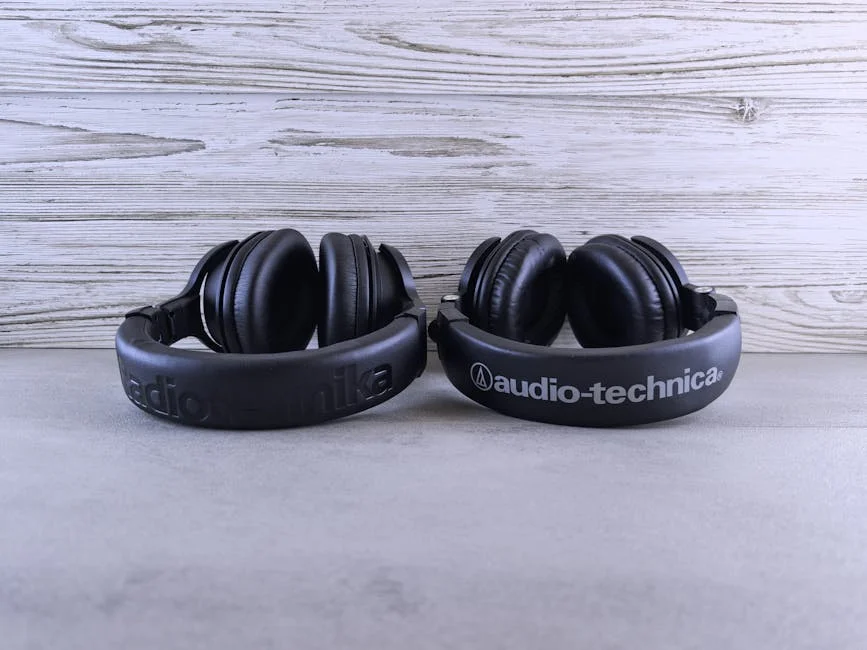
What to Look For in a Beginner Audiophile Setup
Headphone Tuning and Impedance
Tuning, the overall frequency response character of a headphone, is the first thing worth understanding before any purchase. A neutral or neutral-warm tuning rewards long listening sessions and transfers well across genres. A heavily V-shaped tuning may sound exciting initially but can cause fatigue and makes it harder to develop a reference ear. For beginners, neutral-to-warm is the most defensible starting point: it represents recordings accurately without editorializing, and it’s the standard against which every other headphone is eventually compared.
Impedance and sensitivity determine how hard a headphone is to drive. A high-impedance headphone, one rated at 300 ohms, for example, may sound thin or congested from a laptop headphone jack even if its sensitivity rating looks reasonable on paper. This isn’t an audiophile myth. The electrical mismatch is measurable. Understanding your headphone’s drive requirements before buying an amplifier prevents the most common beginner mistake: purchasing a capable headphone and never hearing what it actually sounds like.
The DAC/Amp Stack
A DAC converts the digital signal from your computer or streaming device into an analog signal. An amplifier takes that analog signal and delivers it at sufficient voltage and current to drive your headphones properly. These functions can live in a single unit or in separate boxes, the latter is often called a “stack.” For a desktop system, separates are common even at entry-level pricing because they offer more flexibility as your setup evolves.
Measurement data matters here. Sites like Audio Science Review publish objective measurements, THD, noise floor, frequency response, for most popular DAC and amplifier options. At the budget tier, the measured differences between top-performing units are often below audibility thresholds. That’s genuinely good news: it means you can buy a well-measuring budget stack with confidence and spend the rest of your budget on headphones, where audible differences are far more significant.
Source Quality and Chain Matching
The signal chain runs from source, your computer, phone, or streaming device, through DAC, through amplifier, to headphone. Each step matters, but not equally. A mid-tier headphone on a well-matched budget stack will outperform a budget headphone on an expensive stack in nearly every listening evaluation.
For desktop listening, a USB connection from a modern computer is a clean source. Streaming at lossless or high-resolution via Qobuz or Tidal provides the signal quality that a capable headphone can actually resolve. Starting with a clean digital source, not a phone with active noise circuitry in the audio path, costs nothing and removes a variable from the chain.
Cables, Ear Pads, and Accessories
The accessory category deserves a direct answer because it generates a disproportionate amount of beginner anxiety. The evidence on cable audibility is consistent: below a threshold of functional quality, proper shielding, correct connectors, no physical damage, cable differences in the analog run from amplifier to headphone are not reliably distinguishable in controlled listening. Spending meaningfully more on a replacement cable for a new headphone is money that would produce more return spent on any other component.
Ear pads, by contrast, do affect sound. They change the distance between driver and ear, the seal around the ear, and the resonance characteristics of the cup. For headphones with replaceable pads, and the best beginner headphones all have them, keeping original pads in good condition matters. Replacements are available, and pad rolling is a legitimate tuning variable, but it’s one for later. Exploring the full range of gear and learning resources before adding variables is the more structured approach.
Top Picks
Sennheiser HD 600
The Sennheiser HD 600 is the starting point this guide recommends, and the reasoning is straightforward. The open-back design creates a soundstage that is closer to listening in a room than inside a sealed cup, and the difference from closed-back headphones is easy to hear.
The former is real, a proper desktop stack does close the gap that a laptop headphone jack leaves open. The case that it’s transformative is overstated, but the improvement is consistent and repeatable. The latter matters more: a headphone this accurate teaches the listener, over months of use, what a well-recorded track actually contains.
The open-back design is a practical constraint worth stating plainly. Sound leaks in both directions, so anyone in earshot will hear what you’re listening to at moderate volume. That limits use to private listening environments. In those environments, the HD 600 is a strong neutral starting reference for its price tier. The cable and ear pads are replaceable and widely available, so this is a headphone to buy once and maintain rather than replace.
Check current price on Amazon.
Topping E30 II
The Topping E30 II is a budget desktop DAC with published measurements that support its price point. It is built around the AK4493S chip and has very low distortion and noise figures that exceed what a laptop’s internal audio circuitry delivers. For a first desktop system, the relevant question isn’t whether a DAC at this price can perform well, but whether this one specifically does, and the published measurement data says yes.
Input flexibility is a practical advantage worth noting. USB covers the standard computer-to-DAC connection. Coaxial and optical inputs make the E30 II compatible with televisions, CD transports, or any source with a digital output, which matters for a component that a beginner may use across different configurations over several years.
The absence of balanced output is the limitation. At this price tier it isn’t a design failure: balanced circuitry costs money, and the E30 II’s single-ended output is clean enough that the absence is unlikely to matter for the headphones a beginner will be running. It is a component that does what it promises without calling attention to itself.
Check current price on Amazon.
Topping L30 II
The Topping L30 II is Topping’s entry into headphone amplification using their NFCA topology, a design approach that publishes very low distortion and noise at a price that makes the budget desktop stack viable. Paired with the E30 II, it forms a coherent starting system: the DAC handles conversion, the amplifier handles drive, and the headphone, the HD 600 in this configuration, receives a signal that lets it perform.
The NFCA topology is worth a brief explanation. It stands for Nested Feedback Composite Amplifier. Without going deep into circuit theory, what matters in practice is that the measurement results are strong for the price tier: flat frequency response through the audible range, low harmonic distortion, and a noise floor below what most headphones will resolve. That is the performance a beginner system needs from its amplifier.
Output power is the practical consideration. For planar magnetic headphones with lower sensitivity and higher current demands, output headroom becomes a more meaningful variable. The L30 II handles most common headphones in the entry and mid tier without issue. Very high-end planars are outside this amplifier’s design target, which is a scope limitation, not a deficiency.
Check current price on Amazon.
Buying Guide
Matching Headphones to Amplifiers
The most common assembly mistake in a first system is purchasing headphone and amplifier independently without verifying the electrical match. Impedance and sensitivity ratings appear on every headphone spec sheet, but interpreting them together is less intuitive than it looks. A 300-ohm dynamic driver headphone and a 25-ohm planar magnetic headphone may both say they need amplification, but they need different kinds of amplification. The HD 600 at 300 ohms needs voltage swing. Low-impedance planars need current. The L30 II handles both cases at its output power level, which is one reason the Topping stack is such a consistent beginner recommendation.
DAC Priority vs. Amp Priority
At equivalent price tiers, amplifier differences are generally easier to hear than DAC differences. A clean-measuring DAC provides a clean signal, and the audible floor for DAC quality is low and well below budget pricing from reputable manufacturers. The amplifier’s job is more demanding: it must deliver current and voltage at low distortion under varying headphone impedance loads. Budget more toward the amplifier if the choice is forced, and let the DAC be the cost-reduction point in the chain.
Desktop vs. Portable
A beginner audiophile setup is usually a desktop question, not a portable one. Portable DAC/amp units exist and measure well, but they introduce battery management, form factor constraints, and source-device compatibility variables that are not worth navigating at the start. A desktop system, computer, USB DAC, amplifier, headphone, is a simpler chain with better component availability at every price point. The Audiophile Basics hub covers portable listening as a separate topic with its own considerations. For a first system, the desktop path is more direct.
Open-Back vs. Closed-Back Headphones
Open-back headphones, the HD 600 being the canonical example, leak sound in both directions. That’s not a flaw; it’s how the design achieves its characteristic soundstage. The air movement through the open cups prevents the resonances and pressure buildup that closed-back designs manage through damping. For private listening at home, open-back is the right choice for the listening experience it delivers. For shared spaces, offices, or transit, a closed-back headphone is the functional requirement. Starting with open-back, if the listening environment allows, gives the most accurate representation of what the audiophile format offers.
When to Upgrade
The upgrade question arrives faster than most beginners expect, and the answer is usually: not yet. A properly matched entry system, quality headphones, a well-measuring DAC, and a capable amplifier, will reveal the full range of what recordings contain before the hardware becomes the limiting factor. What feels like a hardware limitation is often a recording selection or listener calibration question, and that process doesn’t require upgraded hardware.

Frequently Asked Questions
Do I really need a separate DAC and amplifier for the HD 600, or will a laptop headphone jack work?
A laptop jack will drive the HD 600 to audible volume, but the electrical mismatch, a 300-ohm load on output circuitry designed for earbuds, produces a thinner, less controlled sound. The gap between laptop output and a proper stack is real and consistent. It isn't catastrophic, but the HD 600 genuinely performs better with adequate amplification, and a budget stack closes that gap at accessible cost.
What is the difference between the Topping E30 II and the L30 II, and do I need both?
The E30 II is a DAC, it converts digital audio from your computer to an analog signal. The L30 II is a headphone amplifier, it takes that analog signal and drives your headphones at the correct voltage and current. They perform different functions in the signal chain. Technically, you could skip the DAC and run the L30 II from a computer's analog output, but a dedicated DAC like the Topping E30 II removes the noise introduced by a computer's internal audio circuitry.
Is the HD 600 too difficult to drive without expensive equipment?
Not at the budget stack level. The HD 600 at 300 ohms is well-matched to amplifiers like the Topping L30 II, which provides sufficient output power for the sensitivity rating. The concern about drive difficulty applies more to extremely power-hungry planar magnetic headphones. The HD 600 is a demanding dynamic driver but not an unreasonable one.
Can I start with just the HD 600 and add the DAC/amp later?
Yes, and this is a reasonable sequence. The HD 600 from a laptop will sound better than most consumer headphones regardless of the source limitation. Adding a dedicated stack later is an audible improvement, not a correction of a mistake. The Sennheiser HD 600 is the component worth prioritizing in this system because it delivers the largest share of the audible character. Source chain improvements are meaningful but incremental by comparison.
How does the HD 600 compare to more affordable headphones for someone just starting out?
The HD 600 sits at the upper edge of entry-level pricing and delivers a tuning that remains relevant at far higher price points. Less expensive headphones in the entry range often apply more coloration, stronger bass boost, recessed midrange, that sounds immediately impressive but trains a less accurate reference ear over time. For a beginner who wants a headphone they won't outgrow quickly, the neutral-warm character of the HD 600 is the stronger long-term choice, even against headphones that initially sound more exciting.
Where to Buy
- Sennheiser HD 600 Open-Back Audiophile HeadphonesSee price on Amazon
- Topping E30 II Hi-Res Audio DAC AK4493S DSD512 PCM768kHzSee price on Amazon
- TOPPING L30II NFCA Linear Headphone Amp 6.35mm Jack RCA Input OutputSee price on Amazon