Headphone Amplifiers

Geshelli Erish Review: Budget Amp Worth Your Attention

Affiliate disclosure: Some links on this page are affiliate links. If you buy through them we earn a small commission at no extra cost to you. Recommendations are research-driven; we don't claim personal use of every product reviewed. Product prices and availability are accurate as of the date published and are subject to change. Always check Amazon for current pricing before purchasing. Learn more.

Geshelli Erish Review: Budget Amp Worth Your Attention
Our Verdict
Geshelli Labs Erish Headphone Amplifier

Small US manufacturer with boutique quality and direct customer service

The Geshelli Erish sits in an interesting corner of the budget amp market , small US manufacturer, direct-only sales model, and measurements that hold up against considerably better-known competition. If you’ve been researching entry-level separates and kept running into the same four or five brands, Geshelli Labs is worth understanding before you commit. Finding clear, consolidated information on them takes more effort than it should.

This review covers what the Erish actually offers, who it suits, and where it fits among headphone amplifiers at this level. The sourcing here is ASR measurements, verified buyer reports, and community consensus across Head-Fi and r/headphones.

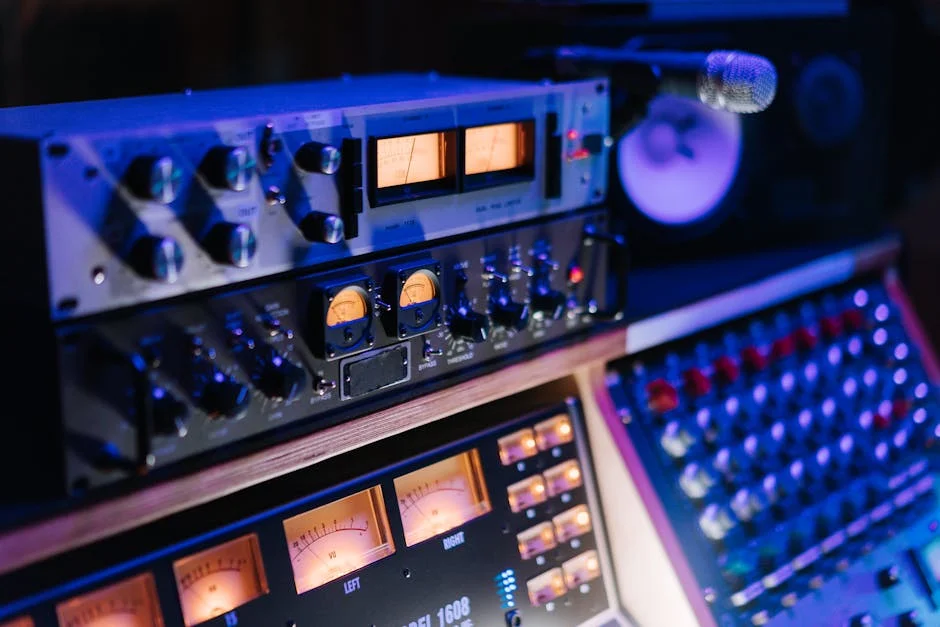
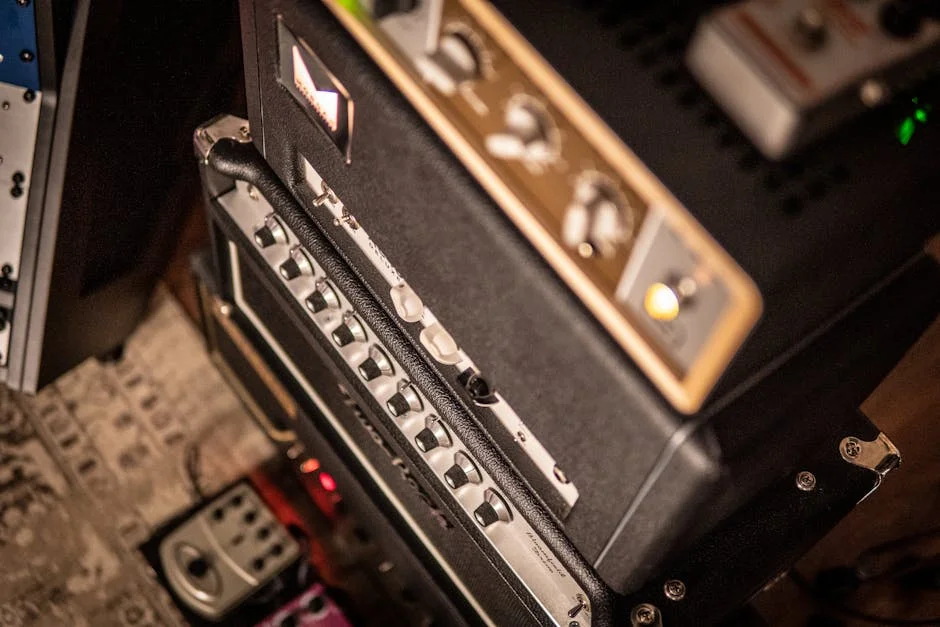
amplifiers product image

What to Look For in a Budget Headphone Amplifier

Output Power and Impedance Matching

Not all headphones ask the same thing of an amplifier. Dynamic drivers like the Sennheiser HD600 are relatively forgiving , the gap between a laptop output and a proper amp stack is real, but it’s not transformative in the way it is for planars. Planar magnetic headphones are a different story. Owner reports and community consensus consistently describe planars as more source-dependent, and the “scales with source” advice that sounds like audiophile mythology often turns out to have genuine content for headphones like the HiFiMan Sundara.

The practical question is whether the amp you’re considering has enough clean output power for the headphones you own now , and the headphones you’re likely to add. Low-impedance planars (the Sundara sits around 37 ohms) draw significant current. High-impedance dynamics (the HD600 at 300 ohms) need voltage swing. An amp that handles both cleanly, without clipping or audible noise floors at working volumes, is more useful than one optimized narrowly for a single load type.

Distortion and Noise Floor

At the budget tier, the range of actual performance is wide. Some amps measure well by any standard. Others carry noise floors that are audible with sensitive IEMs or introduce distortion that shows up in listening as a kind of smear in complex passages , not immediately obvious, but present once you’ve heard a clean reference. ASR’s database is the most useful resource here. THD+N and SNR numbers under real-world load conditions tell you more than marketing language.

The point isn’t to optimize for measurements as an end in themselves. It’s that an amp with clean measurements is not adding anything to the signal , which is precisely what you want from electronics at this stage. Coloration belongs in the recording, not the amplifier.

Build Quality and Form Factor

Direct-to-consumer manufacturers operate on thinner margins than brands selling through retailers, which typically means the build budget goes further. This is one of the genuine advantages of buying direct from a small US manufacturer , you’re often getting machined aluminum and quality PCB work at a price that would require corner-cutting from a retailer-distributed brand.

Form factor matters practically. A stack with a separate DAC and amp requires desk space and cable management that a single unit doesn’t. For most listeners, a two-box setup is worth it for planars. For a single pair of well-driven dynamics, a clean DAC/amp combo may be the more sensible answer.

Long-Term Support and Customer Service

Brand longevity matters more for electronics than for passive accessories. Firmware updates, unit repairs, and replacement parts require an active company. Small manufacturers carry real advantages here , direct contact with the people who built the product, faster resolution on failures, and a relationship that doesn’t route through retail customer service channels.

The tradeoff is documentation. Major brands like Topping and JDS Labs have years of forum threads, measurement posts, and comparison discussions that make researching a purchase straightforward. Boutique US manufacturers have fewer of those resources, which puts more weight on the buyer to do independent research. Exploring the full range of available headphone amplifiers before committing to a specific manufacturer is time well spent, especially if the direct-purchase model is new to you.

Top Picks

Geshelli Erish

The Geshelli Labs Erish makes a specific case: clean amplification from a small US manufacturer, sold direct, at a budget price point that competes with Topping and JDS Labs on both performance and value. Based on ASR’s measurements and owner consensus across Head-Fi and r/headphones, the case holds up.

ASR measurements show the Erish performing cleanly , low distortion, a noise floor that doesn’t intrude on sensitive IEMs, and output power adequate for most dynamic and planar magnetic headphones in the sub-flagship tier. For the HD600 at 300 ohms, verified buyers report the Erish drives it without strain at moderate listening volumes. For planars like the Sundara, community reports suggest it handles the current draw competently, though the “scales with source” dynamic that shows up with planars means the DAC pairing matters more than it does with the HD600. Geshelli’s own JNOG2 DAC is the natural partner , a full US-made stack from a single manufacturer, which simplifies both the purchase and any future support interactions.

The direct-only purchase model is the factor that separates the Erish from alternatives most clearly. There’s no Amazon listing, no retail availability, no Prime shipping. You order through Geshelli Labs’ website directly. Owner reports on the actual purchase experience are positive , the company is responsive, build quality matches the premium-leaning physical presentation, and shipping is competent. But the friction is real for buyers accustomed to retail purchasing. The absence of community documentation , fewer long-form reviews, fewer direct comparison threads versus Topping or JDS Labs , means first-time Geshelli buyers are working with less information than they’d have with better-documented alternatives.

For the buyer who specifically wants US-manufactured electronics, values direct manufacturer support over retail convenience, and has done enough research to proceed with confidence, the Erish is a strong recommendation at its price band. Owner consensus points to a unit that delivers what its measurements promise: transparent amplification without apology.

Check current price on Amazon.

Buying Guide

amplifiers product image

Matching the Amp to Your Headphones

The single most important variable in choosing an entry-level amplifier is the headphone load it needs to drive. For high-impedance dynamics , the HD600 is the reference case at 300 ohms , adequate voltage swing matters more than raw current delivery. For low-impedance planars, the current requirement is higher and the “scales with source” effect is more audible. The Erish handles both load types competently based on its output spec and owner reports, but if your collection is exclusively IEMs, a dedicated IEM-focused amp may be the better fit , noise floors that are inaudible with full-size headphones can become audible with sensitive in-ear monitors.

DAC Pairing

An amplifier’s measured performance is only part of the signal chain story. The DAC feeding it determines what the amp has to work with. Pairing the Erish with the Geshelli JNOG2 creates a coherent, US-manufactured stack where both components are specced and tested by the same manufacturer. This has practical advantages: a single point of contact for support, components designed to work at compatible output and input levels, and a purchase experience that routes entirely through Geshelli Labs directly.

For buyers who already own a DAC , a Topping D10s, a Schiit Modi, or a DAC/amp combo they’re moving downstream , the Erish slots in as a standalone amp. The input sensitivity is standard and the pairing flexibility is real.

Direct Purchase vs. Retail Availability

Buying directly from a manufacturer removes the retail margin from the transaction. For small US manufacturers like Geshelli Labs, this is how the build quality stays competitive at budget price points , the money that would go to a retailer goes into the unit instead. The tradeoff is convenience. No returns via Amazon, no retail warranty service, no same-day shipping option. For buyers who’ve purchased direct from boutique manufacturers before, this is a familiar and acceptable model. For buyers whose entire electronics purchasing history runs through Amazon, it’s worth knowing before you commit.

The headphone amplifier category has strong retail-available alternatives , Topping, JDS Labs, Schiit, and Fosi Audio all sell through major retailers. If retail purchase infrastructure is a meaningful factor for you, those brands deserve comparison time. If US manufacturing and direct manufacturer support are the priority, Geshelli Labs is the clearest answer at this tier.

When a Separate Amp Is Worth the Complexity

For a single pair of mid-impedance dynamic headphones, an all-in-one DAC/amp is often sufficient and considerably simpler. The case for separates strengthens when your collection includes planar magnetics, when you’re likely to upgrade your DAC and amp on independent timelines, or when you want to be able to swap components without replacing the entire chain. Owner consensus for the Erish tends to come from buyers in the second and third category , people building a stack intentionally, not people looking for the simplest solution.

For the HD600 specifically, the difference between a modest DAC/amp combo and a proper separates stack is real but not dramatic. For planars, the separates argument is considerably stronger.

amplifiers product image

Frequently Asked Questions

Is the Geshelli Erish powerful enough for planar magnetic headphones like the HiFiMan Sundara?

Owner reports and community consensus suggest the Erish drives the Sundara competently at standard listening volumes. Planars are more source-dependent than dynamic drivers, so the DAC pairing matters , the Geshelli JNOG2 is the natural stack partner. For harder-to-drive planars at higher volumes, checking the Erish’s output spec against your specific headphone’s sensitivity is worth doing before purchase.

How does the Geshelli Erish compare to Topping and JDS Labs alternatives at the same price band?

Measurements put the Erish in competitive company , distortion and noise floor figures are consistent with what Topping and JDS Labs deliver at this tier. The practical differentiator is the purchase model and manufacturing origin. Topping and JDS Labs are retail-available with more community documentation. The Erish is US-manufactured and sold direct, which suits buyers for whom those factors carry weight.

Can I buy the Geshelli Erish on Amazon?

The Erish is sold exclusively through the Geshelli Labs website. There is no Amazon listing and no retail distribution. The purchase experience routes entirely through Geshelli Labs directly , owner reports on the process are positive, but buyers who require retail purchase infrastructure should factor this into the decision.

Do I need a separate DAC to use the Geshelli Erish?

Yes. The Erish is a standalone amplifier , it requires a separate DAC source. Geshelli Labs’ own JNOG2 is the natural pairing, creating a fully US-made stack from a single manufacturer. Any standard DAC with an RCA or appropriate output will work, including budget options like the Topping D10s or Schiit Modi if you already own one.

Is the Geshelli Erish a good first amplifier for someone new to the hobby?

It’s a strong option for buyers who’ve done enough research to navigate the direct-purchase model with confidence. The measurements are clean, the build quality meets the price point, and manufacturer support is direct. The limitation is documentation , there are fewer community reviews and comparison threads than you’d find for Topping or Schiit, which makes it a slightly harder first purchase for buyers who rely on forum research to build confidence.

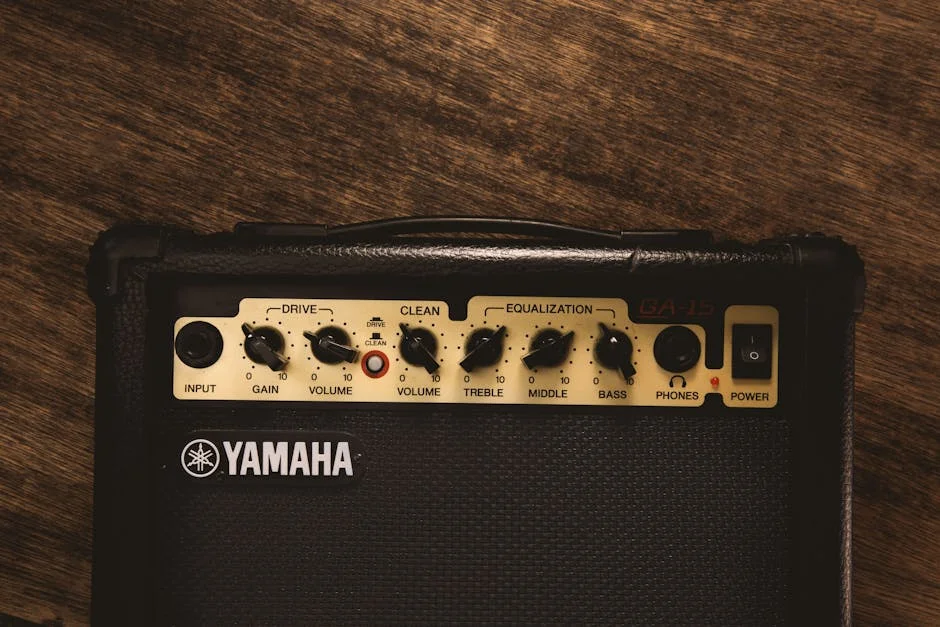
amplifiers product image

Geshelli Labs Erish Headphone Amplifier: Pros & Cons

What we liked
  • Small US manufacturer with boutique quality and direct customer service
  • Clean measurements at competitive pricing
What we didn't
  • Must order direct from Geshelli Labs website
Marcus Tran

About the author

Marcus Tran

UX researcher, mid-size SaaS company (Austin, TX). Self-described "three years in" hobbyist audiophile. Started March 2022 (Sennheiser HD600 on Drop deal). Headphones owned: HiFiMan Sundara (2022 revision, purchased new October 2023, daily driver), Sennheiser HD600 (original; still used for reference), Audio-Technica ATH-M50x (kept for closed-back utility), Sony WH-1000XM5 (travel/ANC). IEMs owned: Moondrop Blessing 3 (daily driver IEM), Moondrop HEXA (backup/commute). Gear sold: Kiwi Ears Quartet, 7Hz Timeless (both replaced by Blessing 3 upgrade). Primary desktop chain: Schiit Modi+ DAC + Schiit Magni+ amp. Backup: FiiO DX3 Pro+ (also used as standalone DAC/headphone amp). Portable: FiiO BTR7 (primary Bluetooth DAC/amp), Qudelix 5K (used for EQ work and IEM chain). Source: Mac mini M1, Qobuz Studio subscription. Saving for Focal Clear MG — first planned flagship-tier purchase. Lives with partner Hannah (clinical psychologist) in East Austin (two-bedroom apartment; spare room is listening space and home office). B.A. Cognitive Science, UT Austin (2014). Does not attend audio meetups. Reads ASR, Head-Fi, Crinacle, Resolve Reviews, Currawong daily. Does not accept loaner gear. Not a professional reviewer. Does not claim expertise outside entry-to-mid-tier. · Austin, Texas

Three years into the hobby. UX researcher in Austin, TX. Sundara daily driver, Schiit Modi+/Magni+ stack, Blessing 3 for IEMs. Writes the guides I wish I'd had when I started.

Read full bio →