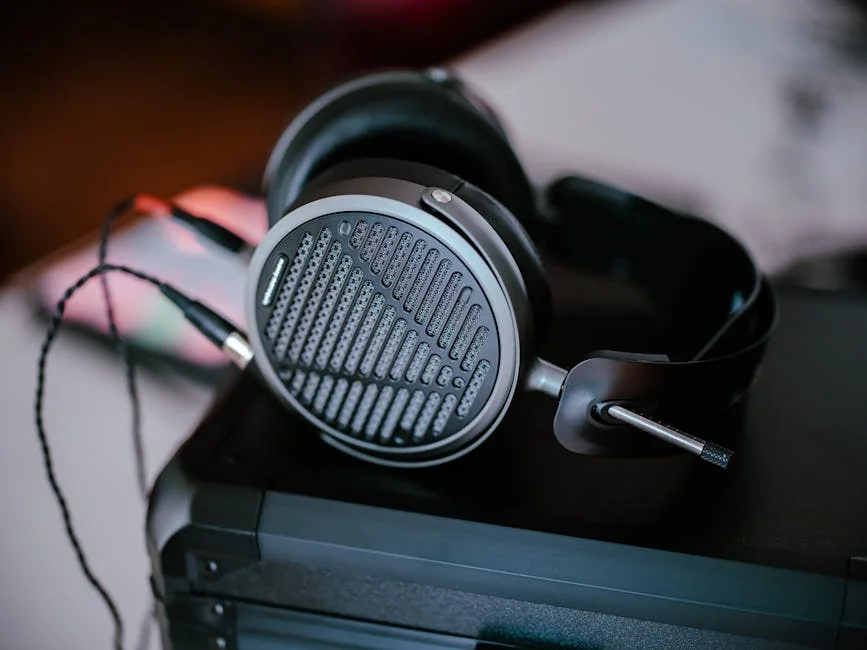
Drop HD58X Review: Budget Open-Back Sennheiser Headphones Tested

Affiliate disclosure: Some links on this page are affiliate links. If you buy through them we earn a small commission at no extra cost to you. Recommendations are research-driven; we don't claim personal use of every product reviewed. Product prices and availability are accurate as of the date published and are subject to change. Always check Amazon for current pricing before purchasing. Learn more.
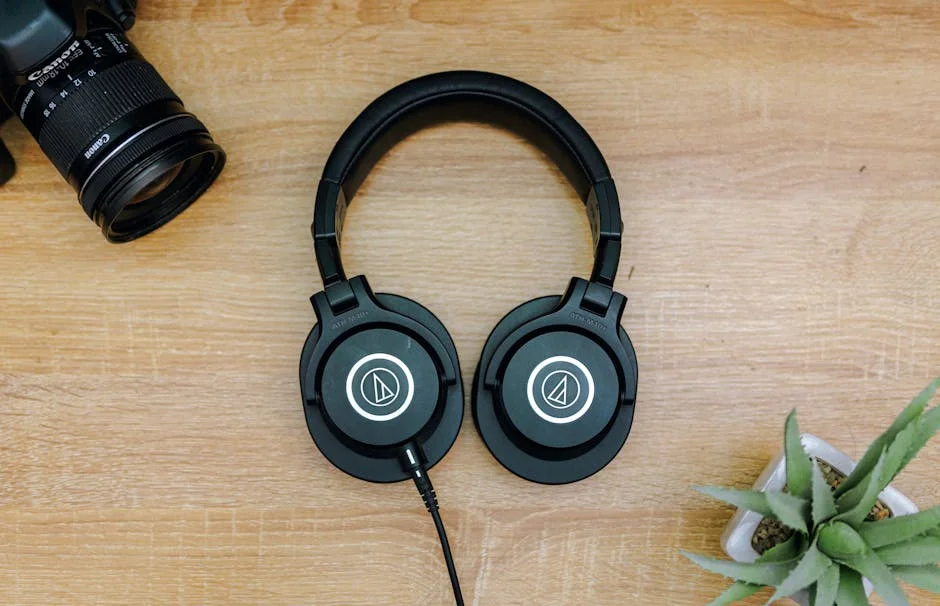
Lower impedance than HD 600/650 , more versatile with portable sources
See Drop + Sennheiser HD 58X Jubilee Open… on AmazonThe Drop + Sennheiser HD 58X Jubilee has accumulated a reputation in the entry-level open-back space that’s hard to ignore , a Sennheiser-tuned headphone at a budget price, built on the same physical platform as the HD 600 and 650. For buyers curious about the classic Sennheiser sound but not ready to commit to a full mid-range stack, it’s one of the most-discussed entry points in the headphones community.
What makes the HD 58X interesting isn’t just the price. The lower impedance rating changes the source calculus meaningfully , this is a headphone that owners report using straight from phones and laptops without the sense that they’re leaving performance on the table.

What to Look For in an Entry-Level Open-Back Headphone
Impedance and Source Compatibility
Impedance is the first spec that trips up new open-back buyers. Higher-impedance headphones , the HD 600’s 300Ω being the canonical example , can sound thin, rolled off, or dynamically flat when driven from a weak source. The voltage swing required to control the driver simply isn’t there from a phone output or a laptop’s integrated audio.
The HD 58X sits at 150Ω. That’s meaningfully easier to drive than the HD 600 or HD 650, which matters most if your source is a phone, a MacBook headphone jack, or a basic dongle DAC. Owner reports consistently note usable performance from portable sources , not ideal, but not broken. For buyers building toward a proper DAC/amp stack later, the HD 58X transitions naturally.
Tuning Philosophy , Neutral vs. Colored
Open-back headphones at this tier tend to cluster around two approaches: broadly neutral, or pleasantly V-shaped with elevated bass and treble. The Sennheiser house sound , the HD 600 lineage specifically , sits firmly in the neutral camp with a slight mid-forward warmth. The HD 58X uses a different driver tuned closer to the vintage HD 580, which owners describe as slightly warmer and more relaxed in the upper midrange than the HD 600.
Whether that’s preferable depends heavily on your music and your tolerance for treble. Buyers coming from consumer headphones often find the neutral Sennheiser presentation underwhelming at first. That response usually reverses after a week of sustained listening.
Build Quality and the Ecosystem Factor
The HD 58X uses the same physical shell as the HD 600 and HD 650. That’s a practical advantage that extends beyond aesthetics , aftermarket cables, ear pad replacements, and headband parts designed for those headphones are compatible. Sennheiser’s parts ecosystem for the HD 600 series is mature and well-documented.
Build quality at this price tier is better than most alternatives. The plastic construction feels utilitarian rather than premium, but the headband adjustment and clamp force are both sensible. Clamp is on the firmer side out of the box; owners report it loosens over the first few weeks. The openness of the design is a real factor , these leak sound substantially and provide no isolation. That’s expected for an open-back, but worth stating plainly for first-time buyers. Exploring the broader landscape of open-back headphones before purchase helps set those expectations correctly.
Measurement Profile and What It Predicts
Headphone measurements don’t tell the whole story, but they’re a reliable starting point. The HD 58X measures well , frequency response is coherent with a small mid-bass warmth that distinguishes it from the more linear HD 600 profile. Distortion figures are low. The 150Ω impedance is relatively flat across frequency, which means tonal character stays consistent across different output impedances.
What measurements can’t capture well is the sense of space and layering that open-back designs produce versus closed-back alternatives. That spatial characteristic is genuinely different and worth hearing , measurements describe the timbre, not the presentation.
Top Picks
Drop + Sennheiser HD 58X Jubilee
The Drop + Sennheiser HD 58X Jubilee is a collaboration that revives the tuning of Sennheiser’s vintage HD 580 , a headphone that predates the HD 600 and occupies a slightly different tonal position. The driver is new, but the voicing intention is a deliberate callback: warmer through the mid-bass than the HD 600, smoother in the upper midrange, with a less forward presence region.
Verified buyers and community consensus across Head-Fi and r/headphones land in a consistent place: the HD 58X sounds like a Sennheiser. That’s the primary selling point and the primary limitation, depending on what you’re after. The spatial presentation is wide for a dynamic driver at this price point. Instrument separation is good. Bass extension is modest , clean and reasonably textured, but not elevated. Treble is polite rather than extended, which reduces listening fatigue and also reduces detail retrieval compared to headphones with more aggressive upper-frequency presence.
The 150Ω impedance is the practical differentiator from the HD 600. Owner reports are consistent that the HD 58X performs at a usable level from a phone or a bus-powered DAC dongle. It’s not the same as a proper desktop stack , the dynamic range, control, and soundstage width all improve with a better source , but the gap is small enough that the HD 58X is a credible first headphone for someone who doesn’t yet own a DAC or amp. The HD 600, by contrast, sounds notably compressed and flat from the same weak sources.
One practical note: the HD 58X is Drop-exclusive, which means availability varies. It sells out periodically and isn’t always immediately restocked. Buyers who find it in stock and want it are generally advised not to wait.
Check current price on Amazon.
Buying Guide
How to Decide Between the HD 58X and the HD 600
The HD 600 is the standard recommendation for buyers entering the hobby with a budget for a proper DAC/amp stack. The HD 58X makes sense when either of two conditions applies: the buyer doesn’t yet own amplification, or the buyer specifically wants the warmer, slightly more relaxed HD 580-adjacent tuning over the HD 600’s more forward midrange presentation.
The two headphones use the same shell and accessories. Upgrading between them later is a real option. If budget is the constraint now but a proper desktop setup is the goal, starting with the HD 58X and adding a DAC/amp later is a logical path , community consensus supports it.
The Source Question
For dynamic driver headphones at this impedance range, the gap between a laptop output and a dedicated DAC/amp stack is real but not dramatic. This is a point worth being direct about: the performance improvement from a proper stack is meaningful for planar magnetic headphones and moderate for the HD 58X. Owner reports describe improvement in soundstage width, dynamic range, and bass control , not transformation. A basic desktop stack is worth having, but the HD 58X is not a headphone that sits broken without one.
That’s a different calculus than the HD 600 at 300Ω, and it’s one of the reasons the HD 58X draws consistent recommendations in headphones buying threads for buyers who aren’t starting with amplification.
Open-Back vs. Closed-Back Tradeoffs
Open-back headphones are not suitable for all listening environments. They leak sound outward substantially , audible to people in the same room , and provide almost no isolation from ambient noise. For home listening in a quiet space, these are not limitations. For office use, commuting, or shared spaces, they’re disqualifying.
The spatial presentation of open-back designs , the sense that sound is coming from around the head rather than inside it , is a genuine difference from closed-back alternatives. That characteristic is why the community recommends open-backs for critical listening and closed-backs for portable or shared-space use. The HD 58X is a home headphone.
Ear Pad and Cable Ecosystem
The shared shell with the HD 600 and HD 650 makes the HD 58X one of the better-supported headphones in its price tier for aftermarket parts. Sennheiser’s replacement ear pads are available directly and through third parties. The connectors use the HD 600-series two-pin system , proprietary to the series but well-documented, with cable options at every tier.
One consistent recommendation in the community: the stock cable is functional and doesn’t need to be replaced for sonic reasons. Cable differences below a meaningful quality threshold , proper shielding, correct connectors, adequate gauge , are not reliably audible. Upgrading for ergonomic reasons (length, flexibility, tangle resistance) is reasonable. Upgrading for claimed tonal differences is a less supported position.
Long-Term Ownership Considerations
The HD 58X is a modular headphone. The ear pads compress and flatten over time , most owners replace them every two to three years. The headband padding is similarly replaceable. The driver housings themselves are durable; owners report units lasting well past five years with normal use and basic maintenance.
Resale value is steady in the used market. The HD 600-series community is large and active, which means parts, advice, and second-hand availability are all consistent. For a first open-back purchase, those factors matter more than they might seem at the time of purchase.
Frequently Asked Questions
Is the HD 58X a good first open-back headphone?
The owner consensus is that it’s one of the stronger entry-level choices available. The lower impedance makes it more forgiving of modest sources than the HD 600, and the tuning is characteristic of the Sennheiser sound without being as demanding as some alternatives. Buyers who have never owned an open-back often report that the spatial presentation is genuinely surprising , the sense of width and air is hard to anticipate from a closed-back background. The Drop-exclusive distribution is the main practical caveat: availability isn’t always guaranteed.
How does the HD 58X compare to the HD 600?
The HD 600 has a more forward midrange and a flatter overall response that most measurements and community consensus regard as slightly more technically refined. The HD 58X is warmer through the mid-bass and smoother in the upper midrange , closer to the vintage HD 580 than the HD 600’s more linear character. Which is preferable is genuinely a matter of taste. The HD 600 requires a proper amplifier to perform at its ceiling; the HD 58X is more tolerant of weak sources.
Do I need an amp for the HD 58X?
A dedicated amp improves performance , owners describe gains in soundstage width, dynamic range, and bass control. But the HD 58X at 150Ω is functional from a phone or laptop output in a way that the HD 600 at 300Ω is not. For buyers without amplification, it’s the more practical starting point. Adding a DAC/amp later is a supported upgrade path, not a prerequisite for the headphone to sound like itself.
Can I use HD 600 accessories with the HD 58X?
Yes , the HD 58X uses the same physical shell and two-pin connector system as the HD 600 and HD 650. Replacement ear pads, headbands, and aftermarket cables designed for the HD 600 series are compatible. This makes the HD 58X one of the better-supported headphones in its price tier for parts availability. Sennheiser sells replacement components directly, and third-party options are widely available.
Is the HD 58X good for gaming?
The open-back spatial presentation and wide soundstage make it a reasonable choice for gaming in a quiet, private environment. Positional audio cues are clear, and the fatigue-resistant tuning holds up over long sessions. The lack of isolation and the sound leakage outward are real factors , unsuitable for shared spaces or environments with background noise. For competitive multiplayer gaming where positional audio precision is the priority, the wider soundstage of the HD 58X is a practical advantage over most closed-back alternatives at this tier.
Drop + Sennheiser HD 58X Jubilee Open-Back Headphones: Pros & Cons
- Lower impedance than HD 600/650 , more versatile with portable sources
- Compatible physical shell with HD 600/650 accessories
- Drop-exclusive , intermittent availability
Where to Buy
Drop + Sennheiser HD 58X Jubilee Open-Back HeadphonesSee Drop + Sennheiser HD 58X Jubilee Open… on Amazon