iFi GO bar Kensei Review: Premium Portable DAC Dongle

Affiliate disclosure: Some links on this page are affiliate links. If you buy through them we earn a small commission at no extra cost to you. Recommendations are research-driven; we don't claim personal use of every product reviewed. Product prices and availability are accurate as of the date published and are subject to change. Always check Amazon for current pricing before purchasing. Learn more.
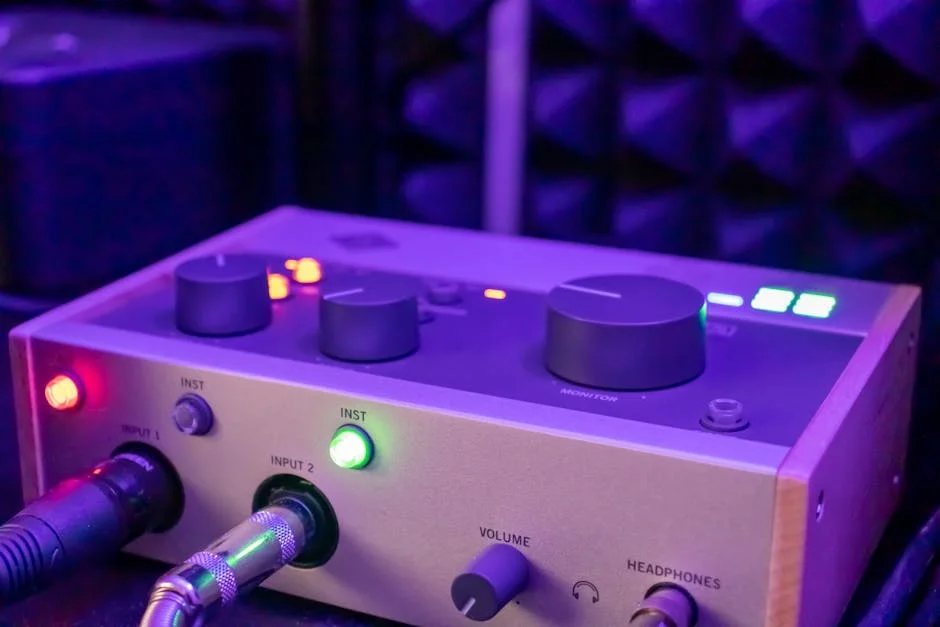
Premium USB dongle with balanced 4.4mm output
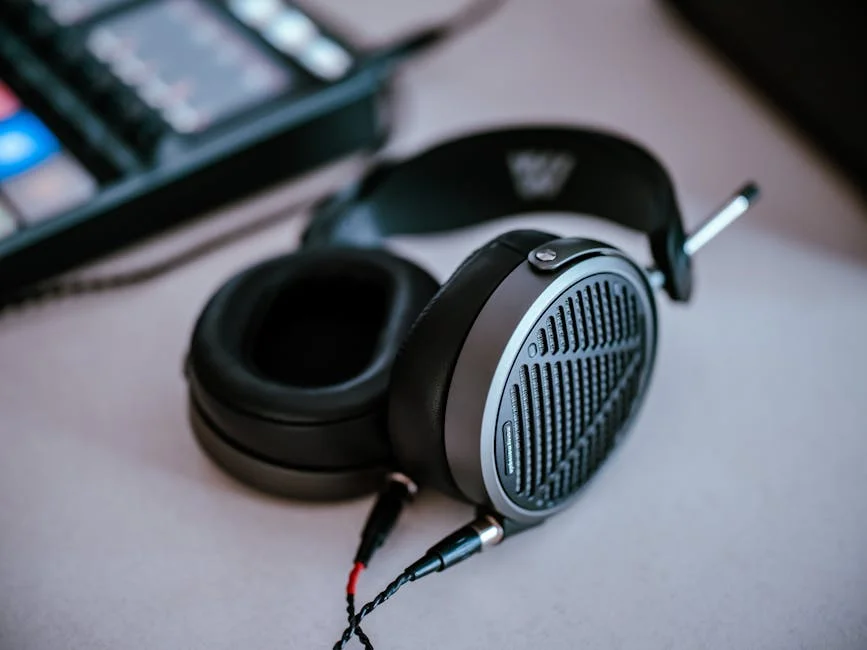
See iFi GO bar Kensei Portable USB DAC/Am… on AmazonPortable DAC/amp dongles have quietly become one of the most competitive segments in DACs, and the iFi GO bar Kensei sits at the top of that pile. It’s a premium USB dongle with 4.4mm balanced output, genuine output power, and iFi’s circuit design philosophy compressed into a form factor that fits on a keychain.
Choosing a dongle at this tier means understanding what you’re actually buying, and what you’re giving up compared to a dedicated stack. The tradeoffs are real, and the case for paying premium-tier pricing for a dongle is narrower than it might first appear.
What to Look For in a Portable USB DAC/Amp
Output Power and Headphone Compatibility
A dongle’s headline spec is usually output power, and for good reason, it determines which headphones the device can drive properly. Most headphones in the entry and mid-tier range are efficient enough that even modest dongles will do the job. Planar magnetic headphones are a different story. For planars specifically, there’s real content to it, current delivery matters, and underpowered sources produce audibly thin, congested results with demanding transducers.
Balanced output (4.4mm Pentaconn or 2.5mm) roughly doubles available power on most dongles compared to the single-ended 3.5mm output. That doubling isn’t always audible on efficient dynamic drivers like the HD600, but with planars or high-impedance cans, it makes a measurable difference. Check your headphone’s impedance and sensitivity ratings before assuming any dongle will drive it well.
DAC Chip and Implementation Quality
The DAC chip matters less than its implementation. A well-executed design around a mid-tier chip will consistently outperform a poorly filtered flagship chip. iFi’s engineering approach, which includes their IEMatch circuit, XSpace and XBass DSP options, and custom XMOS USB receivers, reflects this philosophy. The hardware is one part of the equation; the analog output stage, power delivery, and filtering are where the meaningful differences emerge.
Audio Science Review’s measurements are the most reliable public reference for distortion and noise floor data on dongles. A dongle with low THD+N and a flat frequency response is the baseline. Anything above that baseline is about power delivery, output impedance, and whether DSP options are implemented transparently.
Form Factor and Device Compatibility
Dongles draw power entirely from the connected device. At high output levels, a powerful dongle will drain a phone battery noticeably faster than a less capable one, this is physics, not a flaw. For desktop or laptop use this is irrelevant, but for daily mobile listening it’s a real consideration. Battery management during long commutes on a flagship dongle is a genuine constraint.
Physical size and connector type also matter. Some dongles are built with a fixed cable; others use a detachable USB-C cable. A fixed-cable design is simpler but means the dongle hangs off your phone at whatever angle the cable dictates. Detachable designs offer more flexibility at the cost of one more connection point to maintain.
Build Quality and Longevity
Dongles live in pockets, bags, and laptop cases. They get warm under load, they get bent at the cable connection point, and the 4.4mm socket takes repeated insertion cycles. Premium dongles from iFi and competitors use machined aluminum bodies that handle physical stress better than plastic alternatives. The socket quality matters for longevity, a loose 4.4mm connection after six months of daily use is a real failure mode on cheaper hardware.
The broader portable DAC/amp landscape rewards patience, new options appear frequently, and last year’s flagship can look like a value proposition within twelve months. Understanding what you need before committing is worth the research time.
Top Picks
iFi GO bar Kensei
iFi’s circuit design heritage shows in the implementation details. These are switched adjustments, not locked in, so purists can bypass them entirely. The IEMatch feature, which reduces output impedance and tames overly sensitive IEMs, is a practical addition that competitors rarely include at this form factor.
The trade-off is battery drain. For desk use plugged into a laptop, this is irrelevant. For daily mobile listening on a four-hour commute, it’s a real planning consideration, the device may need to run at reduced gain settings to keep the phone alive. The other trade-off is competitive: FiiO’s KA17 occupies a similar performance tier at a lower price point, and the published measured differences between the two are smaller than the price gap suggests. The case for the Kensei rests on iFi’s analog implementation and build quality preference, not a clear objective performance lead.
For planar magnetic listeners who want to travel without carrying a stack, the GO bar Kensei is the strongest dongle option the market currently offers. For HD600 and similar efficient dynamic driver users, the performance gap between this and a mid-tier dongle is audible but not transformative, the Kensei makes more sense for those who genuinely need the output power or prefer iFi’s ecosystem.
Check current price on Amazon.
Buying Guide
Who Should Buy a Premium Dongle
The premium dongle case is specific. Buyers who primarily listen at a desk already own or can easily justify a dedicated stack, separates offer better power delivery, easier cable management, and a cleaner upgrade path than any dongle. The premium dongle buyer is someone who genuinely moves between environments: phone in transit, laptop at work, desktop at home, and needs one device that performs acceptably across all three contexts without carrying additional hardware.
Planars are the clearest justification. An efficient dynamic driver like the HD600 will perform well from a mid-tier dongle. A HiFiMan Sundara or Arya will show meaningful improvement from higher-current sources, this is where the premium dongle argument is strongest.
Balanced vs. Single-Ended Output
Balanced output’s practical advantage is power, not sound quality purity. The doubled output from a 4.4mm balanced connection matters for difficult headphone loads. For IEMs and efficient dynamics, it’s largely academic, the single-ended output on most quality dongles is sufficient, and the noise floor difference is inaudible in normal listening conditions.
If your headphone collection is IEM-focused or consists of efficient dynamics, single-ended output from a mid-tier dongle is entirely adequate. If you own or plan to own planars, balanced output becomes a practical requirement rather than a luxury. The cable investment is part of the equation, a 4.4mm termination adds cost.
DSP Features: Use Them or Ignore Them
DSP features on dongles, bass boost, soundstage enhancement, EQ profiles, are often implemented badly, introducing phase problems or adding coloration that isn’t always welcome. iFi’s XBass and XSpace are switchable DSP options designed to limit those side effects. The key is that they’re switchable: buyers who prefer measurement-flat output can disable them entirely.
The broader point for the DAC/amp dongle category is that DSP features are a bonus, not a core evaluation criterion. Measure the device’s baseline performance first; decide whether the DSP options add value second. Don’t let feature lists drive a purchasing decision that should rest on output power and implementation quality.
Output Impedance and IEM Pairing
Output impedance is underappreciated in dongle buying decisions. A high output impedance, anything above about 1 ohm, interacts with IEM driver impedance curves and can produce audible frequency response changes, particularly in multi-driver designs. Premium dongles from iFi include features specifically designed to address this, which matters if the buyer’s library includes sensitive IEMs alongside full-size headphones.
For full-size dynamic and planar headphones, output impedance is rarely a concern, their impedance curves are flatter and the effect is negligible. IEM users should verify output impedance specs before purchase, particularly with multi-BA designs.
Mobile Battery Drain: A Practical Ceiling
Higher output power requires more current draw from the host device. This is a ceiling on what premium dongles can practically deliver in mobile contexts, and buyers should plan around it. Running a high-output dongle at near-maximum power levels while simultaneously streaming from a phone is a recipe for dead batteries in two hours.
Practical mitigation: most premium dongles include gain settings. Dropping from high to low gain for IEM and efficient headphone use reduces draw significantly while maintaining audio quality. Plan the gain setting for your actual use case, not the dongle’s maximum specification. Matching the tool to the actual load is basic system thinking.
iFi GO bar Kensei Portable USB DAC/Amp 4.4mm Balanced: Pros & Cons
- Premium USB dongle with balanced 4.4mm output
- High output power for a dongle form factor
- Premium dongle pricing vs. FiiO KA17 at similar performance
Frequently Asked Questions
Is the iFi GO bar Kensei worth the premium over cheaper dongles?
For most listeners with efficient headphones and IEMs, mid-tier dongles deliver audibly similar results at a fraction of the price. The GO bar Kensei earns its pricing for planar magnetic listeners who need real output current in a portable form factor, or for buyers who specifically want iFi's analog implementation and DSP features. The quality gap is real but context-dependent, it rewards the right use case and is overkill for others.
How does the iFi GO bar Kensei compare to the FiiO KA17?
Both devices occupy the premium dongle tier and deliver measured performance that separates them from budget options. The KA17 offers a competitive price-to-performance ratio with strong output power, while the iFi GO bar Kensei brings iFi's IEMatch circuit, switchable XBass and XSpace DSP, and build quality preference to the comparison. Published measurements show the objective differences are smaller than the price gap implies, so the decision between them ultimately comes down to ecosystem preference and which feature set aligns with your use case.
Can the iFi GO bar Kensei drive planar magnetic headphones?
Very demanding flagships like the HiFiMan Susvara remain better suited to a dedicated desktop stack, but for the Sundara and similar planars, the Kensei is a credible portable solution.
Will the iFi GO bar Kensei drain my phone battery quickly?
The practical mitigation is using the low-gain setting for efficient headphones and IEMs, which significantly reduces current draw. For demanding planar headphone use, the high-gain balanced mode will accelerate drain, and planning for a battery bank or shorter listening sessions is realistic advice rather than a workaround.
Do I need a dedicated DAC/amp stack if I already have the iFi GO bar Kensei?
For dynamic headphones and IEMs, the Kensei covers most practical needs portably and at a desk. For planar magnetic headphones, dedicated separates offer a performance ceiling the dongle form factor can't match, power delivery, heat management, and upgrade flexibility all favor a stack for demanding transducers. The iFi GO bar Kensei is a capable single-box solution for mixed use; it's not a replacement for a purpose-built desktop system if planars are the primary driver.
Where to Buy
iFi GO bar Kensei Portable USB DAC/Amp 4.4mm BalancedSee iFi GO bar Kensei Portable USB DAC/Am… on Amazon