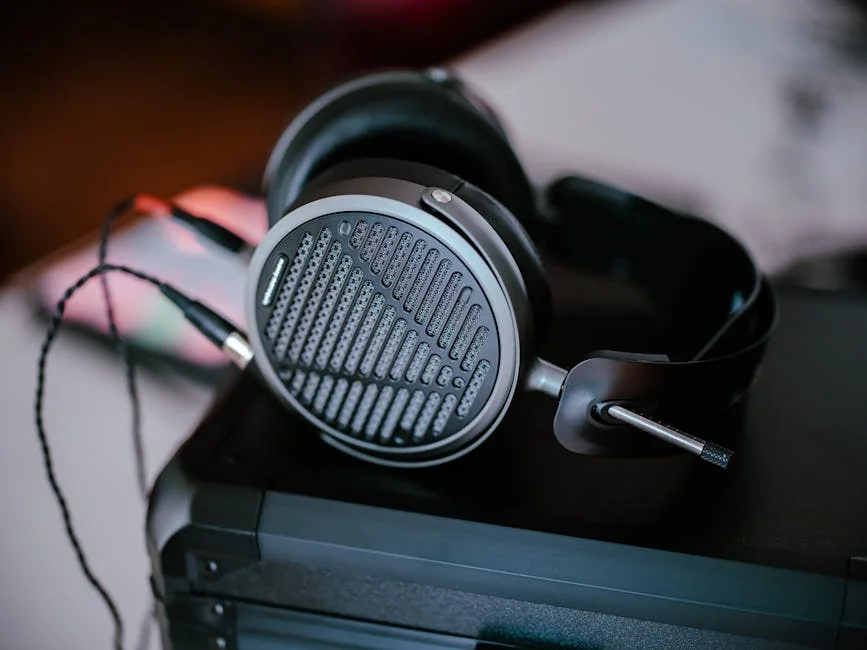
Philips X2HR Review: Open-Back Headphones Tested

Affiliate disclosure: Some links on this page are affiliate links. If you buy through them we earn a small commission at no extra cost to you. Recommendations are research-driven; we don't claim personal use of every product reviewed. Product prices and availability are accurate as of the date published and are subject to change. Always check Amazon for current pricing before purchasing. Learn more.
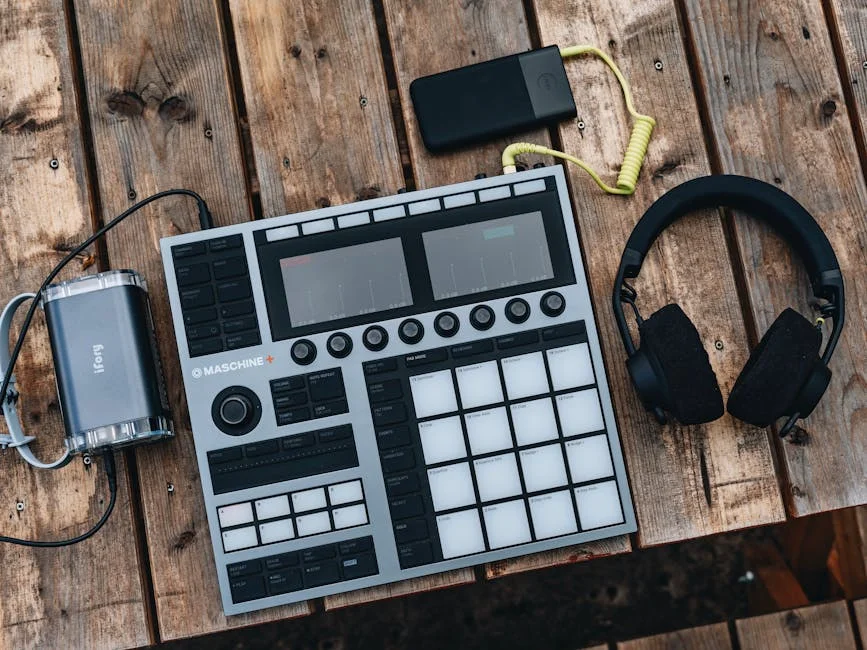
Hammock headband design provides excellent comfort for long sessions
See Philips X2HR Fidelio Over Ear Headpho… on AmazonThe Philips Fidelio X2HR occupies a specific and genuinely useful niche in the open-back headphone landscape: it’s the answer for buyers who’ve heard the SHP9500, appreciated the open presentation, and wanted more. More bass, more weight, more physical engagement with music that demands it. Owner feedback is consistent across Head-Fi and r/headphones , this is a headphone that prioritizes enjoyment over analytical accuracy, and it delivers that experience reliably.
Understanding where the X2HR sits requires knowing what it’s competing against. The broader headphones market at this price band is crowded with options making contradictory claims. The X2HR doesn’t try to be a reference monitor. It tries to be a satisfying daily driver for someone who values comfort and engagement over clinical precision.
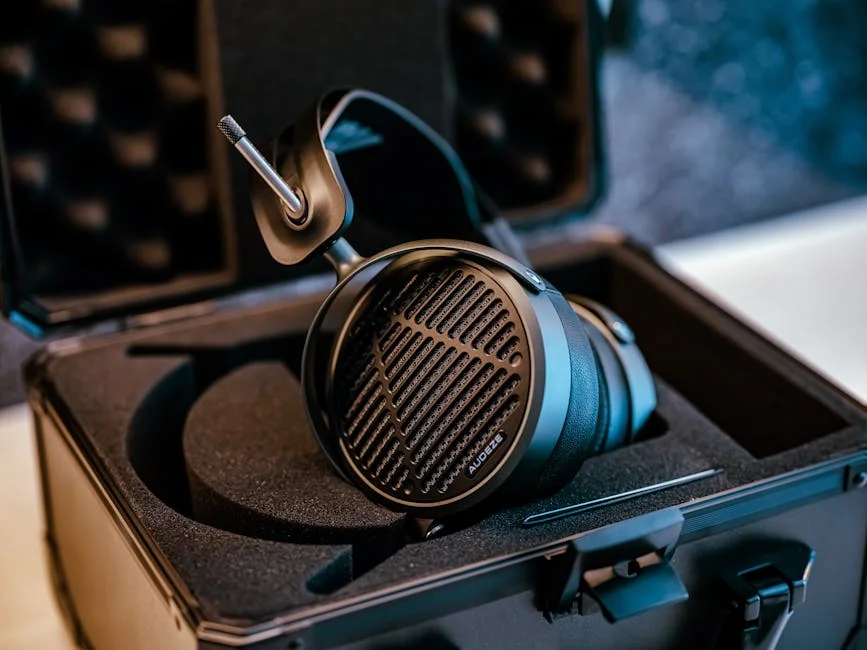
What to Look For in an Open-Back Headphone at This Level
Sound Signature and Frequency Response
An open-back headphone’s tuning philosophy should match your primary use case before anything else. The central trade-off at this price band is between neutral monitoring and engaging consumer tuning. Neutral doesn’t mean better , it means different information. A reference-leaning headphone like the HD600 rewards mixing work, critical listening, and extended analytical sessions. A bass-emphasized tuning like the X2HR rewards long music sessions across genres that benefit from low-end weight.
The question worth asking before purchase: do you want the headphone to tell you what the recording sounds like, or do you want it to make the recording feel good? Both are legitimate priorities. Most buyers entering this category from a consumer headphone background will find the X2HR’s tuning philosophy closer to what they’re chasing.
Soundstage and Imaging
Open-back headphones trade passive isolation for a wider, more natural soundstage , sound appears to come from outside the headphone cup rather than directly in your ear. This matters more for some content than others. Acoustic recordings, orchestral music, and gaming benefit significantly from soundstage width. Close-miked rock or electronic music often reveals headphone character more through imaging precision and transient response than width alone.
The X2HR has genuine soundstage width relative to most closed-backs in its price range. Owner reports consistently describe the presentation as spacious without being diffuse , instruments have placement, not just presence.
Build Quality and Cable Practicality
Premium construction at this level typically means replaceable ear pads, quality headband materials, and a cable that doesn’t actively work against the listening experience. The X2HR checks most of these boxes. The hammock-style headband is a genuine engineering choice rather than a cost-cut , it distributes weight differently than a traditional padded arc and reduces clamp-related fatigue for users who sit in extended sessions.
The non-detachable cable is the honest limitation here. If your use case involves frequent travel or you have a history of cable wear at the termination point, this is a real durability consideration. For desktop use where the cable stays routed and undisturbed, it’s a minor concern in practice.
Comfort Over Extended Sessions
Comfort is underweighted in most headphone decision frameworks, and it shouldn’t be. A headphone that becomes fatiguing after ninety minutes is a headphone you’ll stop reaching for. Ear pad material, headband pressure, and overall clamping force all contribute. The X2HR’s velour pads and hammock suspension system make it one of the more comfortable options at this price band by owner consensus , multiple verified buyers with head shapes that struggle with traditional padded headbands specifically cite the hammock design as the deciding factor in their purchase.
For anyone spending four or more hours daily with headphones on, comfort weight should be comparable to sound quality weight in the buying decision. Exploring the full range of open-back headphones and comparing fit systems before committing is worth the time , what works for one head geometry doesn’t universally transfer.
Top Picks
Philips Fidelio X2HR
The Philips Fidelio X2HR is the clearest recommendation for buyers who’ve outgrown the SHP9500’s relatively lean presentation and want more bass engagement without leaving the open-back format. Owner consensus across Head-Fi and r/headphones is consistent on this: the X2HR delivers a more visceral listening experience than its sibling, with low-end weight that makes it genuinely compelling for genres that need it , hip-hop, electronic, rock with physical drum presence.
The hammock headband design deserves specific attention because it’s not just a comfort feature , it’s a structural philosophy. Traditional padded headbands concentrate pressure at a single contact point. The hammock distributes the headphone’s weight across a wider surface and self-adjusts to head geometry rather than requiring precise positioning. Verified buyers who report difficulty with other headbands frequently describe the X2HR as the first headphone they’ve worn for four or five hours without discomfort. That’s a meaningful distinction at this price band.
The sound signature caveat is real and shouldn’t be minimized. The bass emphasis is audible and intentional , this is not a neutral headphone. Owner reports describe it as “fun” rather than “accurate,” and that framing is honest. If your primary use case is critical mixing or reference monitoring, the HD600 at a similar price point is the stronger choice. If your primary use case is extended music listening and you’ve found reference headphones fatiguing or uninvolving, the X2HR’s tuning is a feature rather than a flaw. The non-detachable cable is the other practical constraint worth weighing honestly , desktop-only users rarely encounter problems, but it remains a point of failure that can’t be solved by a cable swap.
Check current price on Amazon.
Buying Guide
Who the X2HR Is For
The X2HR is built for buyers with a clear preference for engaging tuning over neutral accuracy. The core buyer is someone who has listened to reference-leaning headphones , or is considering the HD600 as an alternative , and specifically wants more low-end weight and physical presence in their music. The SHP9500-to-X2HR upgrade path is well-documented in the community: buyers who appreciate the open presentation and comfort of Philips’ house sound but find the SHP9500 too lean land on the X2HR as the natural next step.
Bassheads exploring open-back for the first time are also strong candidates. Open-back bass behaves differently than closed-back bass , it’s less bloated, more textured , and the X2HR demonstrates that open-back and bass emphasis aren’t mutually exclusive.
Understanding the Bass-Neutral Trade-Off
This is the most important decision variable for this headphone. The X2HR is not a reference-class monitor. Its bass emphasis shapes the entire listening experience, which is an advantage if you’re listening for enjoyment and a limitation if you’re listening for accuracy. The HD600 is the natural comparison at a similar price band , widely regarded as one of the more accurate dynamic-driver headphones available at this level, preferred by mixing engineers and critical listeners precisely because of its honest low-end presentation.
Neither headphone is objectively superior. They serve different listening philosophies. Buyers who have used the HD600 and found it unsatisfying for pleasure listening are often exactly the buyers the X2HR suits well. Buyers who have never tried a reference headphone may want to audition one before committing to a warmer signature , some find the accuracy revelatory.
Cable and Connectivity Considerations
The non-detachable cable is the X2HR’s most frequently cited limitation, and it warrants honest assessment. For desktop listening where the cable is routed through a clean path to a DAC/amp and rarely disturbed, the risk of wear is low. For any use case involving frequent packing, transport, or repositioning, the lack of a replaceable cable introduces meaningful long-term durability risk. A cable failure is a headphone failure.
The cable community’s claims about audible upgrade benefits at this level should be treated with appropriate skepticism. Below a meaningful quality threshold , functional shielding, correct connectors, adequate gauge , cable differences are not reliably audible. The practical concern with the X2HR’s cable is durability and convenience, not sound quality.
Source Pairing and Amplification
The X2HR is a 30-ohm dynamic driver with reasonable sensitivity , it will run from a laptop headphone output without the severe power deficit that planar magnetic headphones can exhibit from underpowered sources. A dedicated DAC/amp stack will provide cleaner output and lower noise floor, but the gap is smaller here than with high-impedance or low-sensitivity headphones. Buyers who already own a DAC/amp will use it; buyers who don’t are not making a major error by running the X2HR from a phone or laptop output.
The fuller picture of source pairing for various headphone types across this price band is worth reviewing if you’re building a listening stack from scratch , the headphones category covers options across impedance and sensitivity ranges where source pairing matters more significantly.
Comfort as a Purchase Variable
Comfort is frequently treated as a secondary consideration behind sound quality in buying decisions, and the X2HR’s owner data suggests that’s the wrong weighting for many buyers. Multiple verified reviewers report specifically purchasing the X2HR for the hammock headband after failing to find other headphones comfortable for extended sessions. The velour ear pads contribute as well , velour runs cooler than leather or pleather alternatives over multi-hour sessions, which affects whether buyers actually reach for a headphone daily.
For buyers who sit in front of a desk for long stretches, the comfort case for the X2HR is strong independent of the sound signature argument.
Frequently Asked Questions
How does the Philips X2HR compare to the Sennheiser HD600?
The HD600 is a reference-leaning dynamic driver , neutral, accurate, and the stronger choice for critical listening or mixing work. The X2HR prioritizes bass emphasis and listening engagement over accuracy. Owner consensus positions them as serving different listening philosophies rather than different price levels. Buyers who’ve found the HD600 unsatisfying for pleasure listening often land on the X2HR as a more musically involving alternative; buyers who want honest frequency presentation should stay with the HD600.
Is the X2HR good for gaming?
Owner reports are consistently positive for gaming use, particularly for open-world and atmospheric titles where soundstage width aids spatial awareness. The bass emphasis also benefits action game audio. Competitive FPS gaming is where the calculus shifts slightly , imaging precision and accurate positional cues matter more than bass weight for competitive play, and a more neutral open-back may provide cleaner directional information. For casual and single-player gaming, the X2HR is a comfortable recommendation.
Do I need a dedicated amp to drive the X2HR?
No. The X2HR’s 30-ohm impedance and reasonable sensitivity mean it runs adequately from a laptop or phone output. A dedicated DAC/amp stack will improve noise floor and output quality, but the gap is smaller here than with high-impedance dynamic drivers or low-sensitivity planar magnetics. Buyers who already own a DAC/amp will benefit from using it; buyers starting from scratch should not feel obligated to purchase one to get satisfying performance from this headphone.
How significant is the non-detachable cable as a limitation?
For desktop-only use, most owners report no practical problem , the cable stays routed and experiences minimal stress. For buyers who travel with headphones or frequently reposition their setup, the non-detachable cable is a genuine durability risk. A cable failure means a headphone failure with no simple fix. If your use case involves regular transport, this warrants real weight in your decision against otherwise comparable detachable-cable alternatives.
Who should consider the X2HR over the Philips SHP9500?
Buyers who own or have heard the SHP9500 and want more bass presence are the primary upgrade audience. The SHP9500 is a lean, neutral-adjacent open-back , excellent for its price band but specifically light in the low end. The X2HR delivers meaningfully more bass weight and a more premium physical build. Buyers who find the SHP9500’s presentation satisfying and are not chasing additional low-end engagement don’t need to upgrade.
Philips X2HR Fidelio Over Ear Headphone Open Back: Pros & Cons
- Hammock headband design provides excellent comfort for long sessions
- More bass emphasis than SHP9500 , more engaging for non-analytical listening
- Bass emphasis is not neutral , not a reference monitor
Where to Buy
Philips X2HR Fidelio Over Ear Headphone Open BackSee Philips X2HR Fidelio Over Ear Headpho… on Amazon