Schiit Magni 3 Review: Entry-Level Headphone Amp

Affiliate disclosure: Some links on this page are affiliate links. If you buy through them we earn a small commission at no extra cost to you. Recommendations are research-driven; we don't claim personal use of every product reviewed. Product prices and availability are accurate as of the date published and are subject to change. Always check Amazon for current pricing before purchasing. Learn more.
Fully discrete circuit replaces the Heresy op-amp design
Searching for a first headphone amplifier reveals a crowded field of budget options, many with more marketing than engineering behind them. Schiit’s Magni line has anchored the entry-level amp conversation for years, and the current generation, the Magni Unity, represents the most significant internal redesign the line has seen. This guide covers the Unity in the context of headphone amplifiers broadly, what the redesign means in practice, and whether the budget Schiit stack still earns its reputation for new buyers.
The Magni 3 brought a lot of people into serious desktop listening. If that’s the search that landed you here, the Unity is the model to look at today.
What to Look For in a Budget Headphone Amplifier
Output Power and Headphone Matching
Power matters differently depending on what you’re driving. Dynamic driver headphones like the Sennheiser HD600, 300 ohms nominal impedance, relatively efficient, are genuinely manageable on modest output. Planar magnetic headphones are a different story. They tend to have lower impedance but present a current demand that catches underpowered amps off guard.
For dynamic headphones, the gap between a laptop output and a proper amp is modest; planar magnetic headphones are generally less efficient, so the gap is wider.
Match your amp to your headphone collection’s actual demands, not the demands of headphones you don’t own yet.
Discrete vs. Op-Amp Circuit Design
Most budget amplifiers use operational amplifiers, integrated circuit chips, as the core gain stage. Op-amps are efficient, consistent, and inexpensive to implement well. The counterargument for discrete designs is that individually selected transistors give the designer more control over the exact operating point and thermal behavior of each gain stage.
Whether this produces an audible difference at the budget tier is genuinely contested. Published measurements of the Magni Heresy, an op-amp design, show performance beyond what most listeners can distinguish in blind testing. The Magni Unity’s fully discrete circuit doesn’t represent a flight from measurement performance; Schiit designed it to compete on both axes.
The practical significance for most buyers is that the discrete design signals a long-term engineering commitment to the platform, not just a cost optimization.
Preamp Output
A headphone amplifier with a preamp output doubles as a system component. You can run it into powered studio monitors or a stereo receiver, turning a desktop headphone stack into the source-signal hub for a full listening space. This matters more than it might initially seem.
Many buyers enter the hobby with headphones only, then discover speakers. An amp with preamp output avoids a redundant purchase later. The Magni Unity includes this functionality, it’s not universal at the budget tier, and it’s worth confirming before committing to any specific amp.
Build Quality and Country of Origin
Schiit manufactures in the United States, which is genuinely unusual at the budget price band. The practical upshot isn’t nationalism, it’s supply chain traceability and warranty support quality. When something goes wrong with a domestically assembled product, the service path is shorter and better documented.
The budget amp space is crowded with products assembled from commodity parts in configurations that prioritize margin over serviceability. Build quality at this tier shows in chassis rigidity, potentiometer feel, and whether the unit runs cool under sustained use. Exploring the full range of budget amp options before committing is worth the time, not every well-reviewed option has the same service story.
Top Picks
Schiit Magni Unity Fully Discrete Headphone Amp and Preamp Silver
The Schiit Magni Unity is the current Magni, not a refresh, but a ground-up circuit redesign that replaces the Heresy’s op-amp topology with a fully discrete class A/B gain stage. If you’re searching for Magni 3 impressions because you want to know what Schiit’s entry-level amp sounds like today, the Unity is that answer.
The Heresy’s op-amp implementation was technically clean, with low distortion, low noise and flat response. The Unity doesn’t abandon those priorities. What changed is the architecture: individual transistors replacing integrated op-amp packages, which gives Schiit more design latitude.
For the HD600, the Unity delivers more than enough power. The gain switch is useful here, the low-gain setting on sensitive IEMs, high gain for 300-ohm dynamics, and the channel balance at the low end of the volume pot is better than expected for the price band. For planars, the output should cover most mainstream options, though harder-to-drive flagships like the HiFiMan Arya or Audeze LCD-4 belong with a more capable amp.
The preamp output is intended for powered monitor integration, which matters to buyers building out a dual-use desktop. Schiit manufactures the Unity in the United States. The discrete design is newer than the Heresy, so there is less measurement history. There is no balanced output, which is expected at this tier and not a meaningful omission for the headphones most buyers pair with it.
Check current price on Amazon.
Buying Guide

Who Actually Needs a Dedicated Amp
Not everyone does. The HD600 from a MacBook headphone jack produces sound. It’s not the same as a proper stack, but for dynamic headphones the gap is modest. If you use sensitive IEMs and low-impedance headphones and listen at moderate volumes, a dedicated amp may produce no audible benefit.
The calculus shifts for planar magnetics and high-impedance dynamics above 150 ohms. These headphones respond to amplifier quality in ways that are measurable and audible. The “scales with source” advice that sounds like marketing has genuine content for this specific use case.
Budget Stack vs. Integrated DAC/Amp
The classic budget stack is a separate DAC paired with a separate amp, Schiit’s own Modi/Magni pairing being the canonical example. An integrated DAC/amp combines both in one box, reducing cost and desktop footprint. The tradeoff is upgrade modularity: with separates, you can replace the DAC or amp independently as your collection and tastes develop.
For a first serious listening setup, separates make sense if you’re already confident about staying in the hobby. An integrated unit makes sense if you want to minimize commitment. Either path at the budget tier will represent a genuine step up from a laptop headphone jack for most headphones.
Impedance, Sensitivity, and Output Matching
Amp output impedance interacts with headphone impedance to shape frequency response. A rule of thumb, output impedance should be one-eighth or less of headphone nominal impedance, exists because the frequency response deviation caused by mismatched impedances can be audible with multi-driver headphones and balanced armature IEMs.
The Magni Unity’s output impedance is low enough to be compatible with essentially any headphone, including sensitive IEMs. This is not universal at the budget tier. Confirming output impedance specs before purchase is a worthwhile step that most buyers skip.
Preamp Output as a System Decision
Buyers who anticipate ever running powered speakers in their listening space should weight preamp output heavily in their amp selection. It’s a feature that seems optional until it isn’t. Adding a speaker system later without a preamp output means either adding a passive volume control or replacing the amp entirely.
The Magni Unity’s preamp output handles variable output, meaning you use the amp’s volume knob to control speaker levels. This is the most flexible implementation for a dual-use desktop. A full range of headphone amplifier options with preamp outputs worth comparing before committing is available if the Unity doesn’t fit your specific system.
Manufacturing and Long-Term Support
Schiit’s domestic manufacturing isn’t a premium feature, it’s a warranty and support consideration. Turnaround on repairs is faster, parts availability is better documented, and the company has a track record of honoring warranties without the friction common to overseas-only manufacturers.
At the budget tier, many competitors offer strong specs at lower prices. What they often don’t offer is the same service infrastructure. For a first amp that might see five or more years of daily use, that support story has real value.
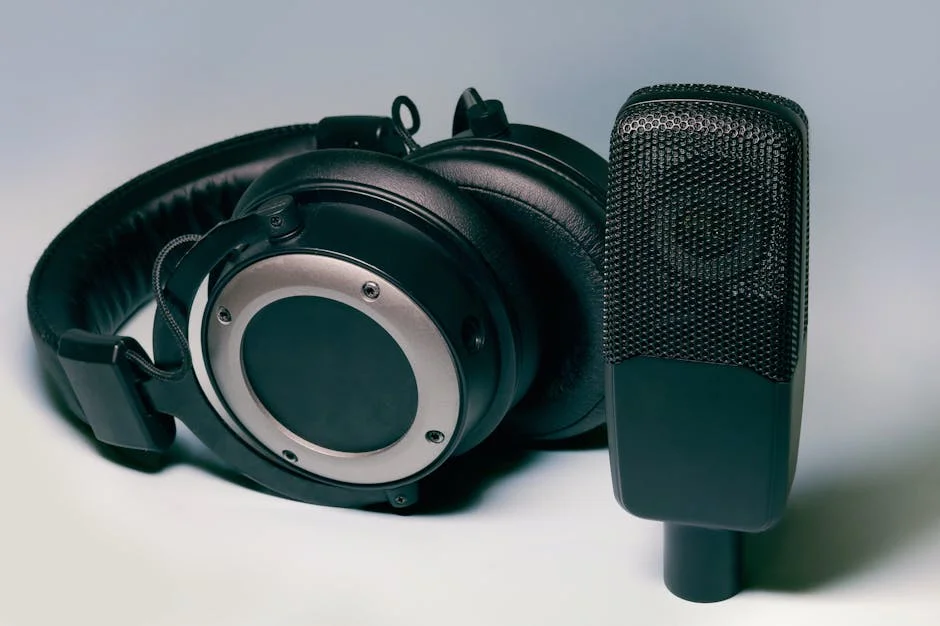
Schiit Magni Unity Fully Discrete Headphone Amp and Preamp Silver: Pros & Cons
- Fully discrete circuit replaces the Heresy op-amp design
- Made in the USA at competitive budget pricing
- Newer design with a shorter measurement history than the Heresy
Frequently Asked Questions
Is the Schiit Magni Unity a direct replacement for the Magni 3?
The Magni 3 is discontinued, and the Unity is Schiit's current budget amp, but calling it a direct replacement understates the change. The Unity uses a fully discrete circuit rather than the op-amp topology that defined the Magni line through the Heresy. For new buyers, the Unity is simply the current Schiit entry-level amp, the generational history matters less than whether it performs well for your headphones, and the published measurements support that.
Does the Schiit Magni Unity drive planar magnetic headphones well?
Harder-to-drive flagships like the HiFiMan Susvara or Audeze LCD-4 are a different situation and belong with a more powerful amp. If planars are your primary headphone type, the Unity is a reasonable starting point for mid-tier options but not a permanent solution for flagships.
Do I need both a DAC and an amp, or will the Magni Unity alone work?
The Unity is an amplifier only, it requires an analog input signal, which means you need a DAC upstream unless you're using an analog source. Running it from a computer requires a DAC between the USB output and the Unity's RCA inputs. Schiit's own Modi is the canonical pairing, but any competent budget DAC with RCA outputs will work. The separates approach costs more than an integrated unit but allows independent upgrades later.
How does the Magni Unity compare to similarly priced integrated DAC/amps?
The Unity's fully discrete circuit and preamp output distinguish it from most integrated options at the same price band, which tend to use op-amp designs and omit preamp functionality. The tradeoff is that the Unity requires a separate DAC, increasing total system cost. If desktop footprint and single-unit simplicity are priorities, an integrated DAC/amp may be more practical, but the Unity's build quality and domestic manufacturing represent real value if you're willing to manage two boxes.
Is the Schiit Magni Unity worth buying over budget amps from competing brands?
The case for the Unity is strong for buyers who prioritize discrete circuit design, domestic manufacturing, and preamp output in a single budget package. Competing options from Fulla, JDS Labs, and Topping offer strong measurement performance at similar price points. The Unity isn't the only well-engineered option at this tier, but the combination of discrete topology, Schiit's warranty support infrastructure, and the preamp output makes it the more versatile choice for buyers who anticipate building out a larger system.