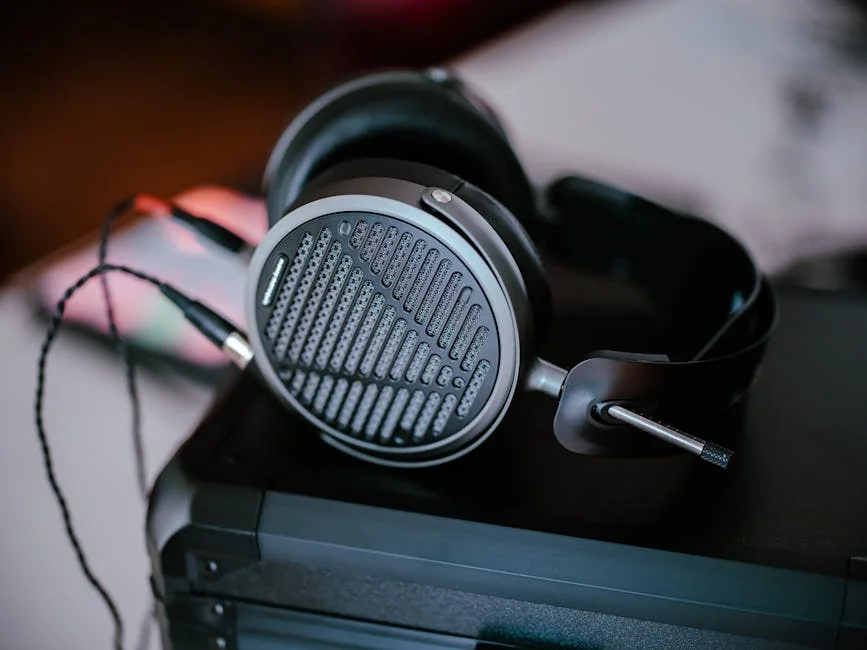
HIFIMAN Sundara Review: Planar Magnetic Headphones Tested

Affiliate disclosure: Some links on this page are affiliate links. If you buy through them we earn a small commission at no extra cost to you. Recommendations are research-driven; we don't claim personal use of every product reviewed. Product prices and availability are accurate as of the date published and are subject to change. Always check Amazon for current pricing before purchasing. Learn more.
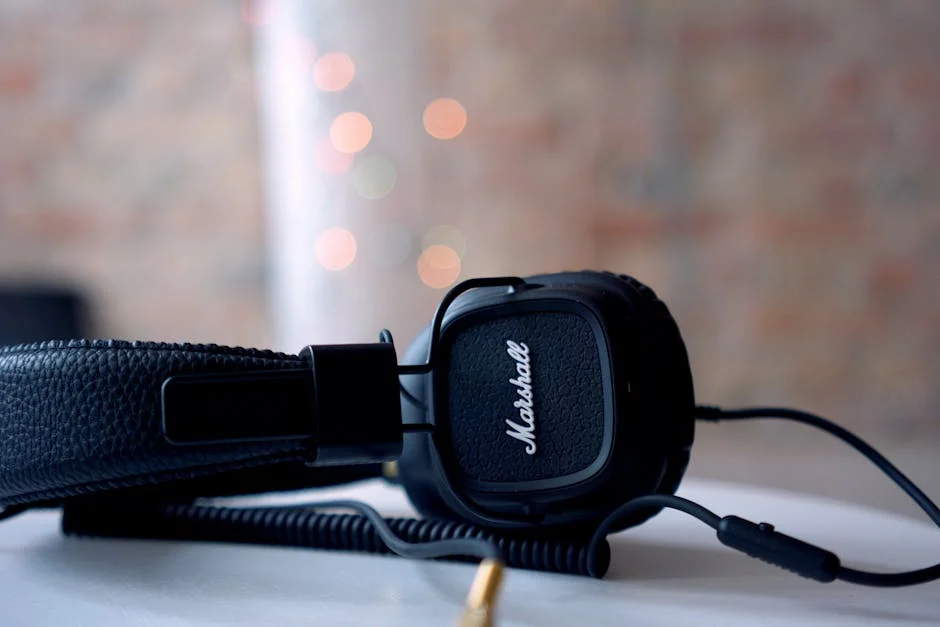
Outstanding planar magnetic imaging and detail at its price
See HIFIMAN SUNDARA Hi-Fi Headphone Plana… on AmazonPlanar magnetic headphones have a reputation for demanding more from a listener’s rig than most dynamic drivers do , and the HIFIMAN SUNDARA tests that reputation squarely. It’s one of the most-measured, most-discussed mid-range planars on the market, and the 2022 revision addressed the comfort complaints that kept the original from being a clean recommendation. I own this headphone. This is a first-person account of what it actually does.
For context on where the Sundara sits relative to other options worth considering, the full headphones hub covers this tier and everything above it.

What to Look For in a Planar Magnetic Headphone
Driver Technology and What It Actually Means
Planar magnetic drivers work differently from the dynamic drivers in most consumer headphones. Instead of a voice coil attached to a cone, a planar uses a thin membrane with conductive traces suspended between two arrays of magnets. The membrane moves as a whole rather than pistoning from a single point. That full-surface excitation is why planars are associated with lower distortion and tighter transient response , the physics favor uniform motion.
What this means practically: planar magnetic headphones tend to measure well and image precisely. The Sundara’s reputation on Audio Science Review is built on exactly this. Low distortion and a flat-ish frequency response aren’t abstract technical wins , they translate to a presentation that doesn’t editorialize much, which is useful if you want to hear recordings rather than a headphone’s interpretation of them.
Amplification Requirements
This is the variable most buyers underestimate. Planars are typically lower in sensitivity and higher in impedance than their dynamic counterparts , the Sundara runs at around 94 dB/mW and 37 ohms. Those numbers look manageable on paper, but planars respond to current delivery in ways that sensitivity specs alone don’t capture.
From my own experience, the Sundara on a laptop headphone jack sounds thin and dynamically flat. The same headphone through a Topping L50 or a JDS Labs Atom Amp+ opens up considerably , the low end fills in, and the staging widens. This is the “scales with source” advice I’d dismissed as audiophile mythology when I was newer to the hobby. For this headphone specifically, it has real content. Budget for amplification when budgeting for the Sundara.
Build Quality and Comfort
HiFiMan’s build quality has been inconsistent across their lineup and across production runs. The 2020 Sundara revision updated both the earpads and the headband, and the improvement over the original is real. The revised earpads are larger and deeper, which reduces contact with the ear for most head shapes.
That said, I replaced the stock pads with ZMF Universe pads after about a month. The comfort improvement is substantial , the ZMF pads add depth and a softer contact surface. This is a meaningful aftermarket investment, and it’s worth factoring into the total cost of ownership if long listening sessions are the goal. The headband clamp on the 2022 revision is moderate , not aggressive, but present on larger heads during the first few weeks of ownership.
Quality Control and Channel Matching
HiFiMan’s QC record is a legitimate concern. Driver channel imbalances have been reported across multiple units , not universally, but frequently enough that it’s a known issue in the community. Before committing to extended listening, run a channel balance check. A simple mono test tone will reveal any driver asymmetry clearly.
If you receive a unit with a noticeable imbalance, the practical options are return and replacement, or a third-party channel matching service. The good news: the majority of units are fine, and HiFiMan’s warranty process, while not seamless, does exist. Buying from a retailer with a straightforward return policy reduces the risk exposure here considerably.
Tuning and Frequency Response
The Sundara’s frequency response is often described as neutral-bright , flat through the mids, with some added energy in the upper treble that can read as detail or as fatigue depending on the listener and the source material. Verified owner impressions across Head-Fi and the ASR community generally agree: the Sundara is not a warm or forgiving headphone.
For listeners coming from bass-heavy consumer headphones, the initial impression may be that bass is missing. It isn’t , it’s present and well-extended, just not elevated. Exploring the full range of open-back headphones available at this tier before deciding on tuning preference is worth the time. A listener who wants a warmer presentation will be better served by something other than the Sundara.
Top Picks
HIFIMAN SUNDARA Hi-Fi Headphone Planar Magnetic 2020 Version
The HIFIMAN SUNDARA is the headphone I reach for when I want to hear what’s on a recording rather than what a driver adds to it. Three years into this hobby, having spent significant time with the HD600, the Moondrop Aria 2, and briefer sessions with the Audeze LCD-X and HD800S at meetups, the Sundara occupies a specific and well-defined role: it’s the most technically capable headphone I own for the money, and it rewards an investment in amplification in ways that dynamic drivers at this price generally don’t.
The imaging is what stands out first. Planar magnetic drivers at this price deliver a precision in positional cues that dynamic headphones typically can’t match until considerably higher price tiers. On complex orchestral recordings and well-produced electronic material, the Sundara places instruments and elements with an exactness that the HD600 , as much as I love it , doesn’t replicate. The soundstage isn’t particularly wide, but it’s specific. Every element has a location.
The 2022 revision’s updated earpads are a genuine improvement over the original. The stock pads are serviceable, though I moved to ZMF Universe pads after about a month of ownership and the comfort difference is not subtle. Long sessions , two, three hours of listening , become significantly more practical with the pad upgrade. The headband tension eases with use, though owners with larger heads will notice the clamp force for the first several weeks. None of this is unusual for open-back planars in this tier, and it doesn’t change the acoustic performance, which is the reason to buy this headphone.
The qualification that matters: the Sundara requires amplification. Not a minor quality bump , the difference between a laptop output and a proper DAC/amp stack on this headphone is audible and meaningful. Owner reports consistently confirm the improvement: the low end fills out, dynamic headroom opens, and the upper-treble energy that can read as harsh on an underpowered source smooths into detail. Buyers who aren’t prepared to invest in a dedicated amp are not the right audience for the Sundara , the HD600 will outperform it on a budget setup at nearly every point of comparison.
Check current price on Amazon.
Buying Guide

Choosing Between Planar Magnetic and Dynamic Drivers
The question isn’t which technology is better , it’s which is better for a specific listener’s situation. Planar magnetic headphones like the Sundara offer lower distortion, precise imaging, and extended low-end detail. Dynamic drivers, including well-regarded options like the Sennheiser HD600, tend to be more forgiving of modest source equipment and easier to drive from portable sources. If the listening context involves a dedicated desktop stack, planars are worth considering seriously. If the primary source is a phone or a laptop without a dedicated output, dynamic drivers remain the more practical choice.
Amplification Pairing for the Sundara
The Sundara’s amplification requirement isn’t a flaw , it’s a design reality that buyers should plan around. A clean, neutral amp with sufficient current delivery is the right pairing. The Topping L50, JDS Labs Atom Amp+, and Schiit Magni Heresy are community-validated pairings that don’t introduce coloration and have enough headroom to drive the Sundara properly. Tube amplifiers can work, but the Sundara’s neutral tuning is better served by solid-state , a warm tube pairing can push the low end beyond what the driver’s natural balance supports.
Open-Back vs. Closed-Back
The Sundara is open-back, which means sound leaks in both directions , you hear your environment and people around you hear what you’re listening to. This is not a portable or shared-space headphone. The acoustic benefit of the open-back design is a more natural soundstage and reduced listener fatigue over long sessions. For buyers whose primary listening context is a private space , a home office, a dedicated listening room , the open-back design is the right choice. For commuters, office listeners, or anyone who needs isolation, a closed-back option from the headphones tier below this one will be more practical, even if the technical ceiling is lower.
Aftermarket Ear Pads
Earpad rolling on the Sundara is common enough to be worth addressing explicitly. The stock 2020 pads are a meaningful improvement over the original, but the aftermarket , particularly ZMF Universe and Dekoni Elite Velour pads , provides additional depth and a softer contact surface that extends listening comfort considerably. Pad choice can also affect frequency response: deeper pads typically increase perceived bass, while stiffer or shallower pads can emphasize the upper midrange. If comfort during extended sessions is a priority, factoring a pad upgrade into the purchase decision is reasonable. It is not mandatory , the stock pads are functional , but the improvement is not marginal.
Evaluating QC Before Committing to Long-Term Ownership
HiFiMan’s quality control inconsistency is documented and real. The most important check after unboxing: a mono channel balance test. Play a mono source and confirm that both drivers are outputting at the same level. A meaningful asymmetry between channels is a warranty issue, not a use-case adjustment. Beyond driver matching, inspect the headband slider mechanism and the cable connections , these are the most common points of mechanical failure reported by long-term owners. Buying from a retailer with a clear return and exchange policy converts a potential QC problem from a frustrating situation into a straightforward replacement.

Frequently Asked Questions
Is the HiFiMan Sundara worth buying without an external amplifier?
The honest answer is no , not at this headphone’s full capability. On a laptop or phone output, the Sundara sounds thin and dynamically limited. The difference between an underpowered source and a dedicated stack like the Topping E50/L50 or a JDS Labs Atom Amp+ is audible and meaningful on this driver. Buyers without amplification should either budget for it as part of the total purchase or consider a more efficient dynamic driver headphone at a lower entry cost.
How does the HiFiMan Sundara compare to the Sennheiser HD600?
They’re different tools. The Sundara images more precisely and measures with lower distortion , it’s the more technically capable headphone. The HD600 is more forgiving of modest source equipment, has a warmer tonal balance that works across more genres, and remains my most-used headphone three years into this hobby. For a buyer with a proper DAC/amp stack who prioritizes detail retrieval and imaging, the Sundara is the stronger choice.
Do the HiFiMan Sundara earpads need to be replaced?
Not immediately, but the aftermarket is worth exploring. The 2022 revision’s stock pads are functional and comfortable enough for moderate listening sessions. For extended use , two or more hours , the ZMF Universe pads or Dekoni Elite Velour pads provide meaningful additional depth and comfort. Pad choice also affects frequency response slightly, so the decision has both a comfort and a sonic dimension.
What is the best amplifier to pair with the HiFiMan Sundara?
Community consensus across Head-Fi and ASR points consistently to clean, neutral solid-state amplifiers. The JDS Labs Atom Amp+, Topping L50, and Schiit Magni Heresy are well-documented pairings. Any of these will deliver sufficient current for the Sundara without adding coloration. The Sundara’s neutral-bright tuning doesn’t benefit from additional warmth , a transparent amp lets the headphone perform as designed.
Should I be concerned about HiFiMan’s quality control on the Sundara?
Channel imbalance is the most commonly reported issue , run a simple mono test after unboxing to confirm both drivers are matched. The majority of units are fine, and HiFiMan’s warranty process does handle replacements. The practical mitigation is buying from a retailer with a no-friction return policy. Mechanical durability , specifically the headband slider and cable connection , is a secondary concern for long-term ownership, and using the provided cable rather than aftermarket cables reduces connection wear.
HIFIMAN SUNDARA Hi-Fi Headphone Planar Magnetic 2020 Version: Pros & Cons
- Outstanding planar magnetic imaging and detail at its price
- Flat, neutral tuning praised by measurement-focused listeners
- Needs proper amplification , underpowered sources sound thin
Where to Buy
HIFIMAN SUNDARA Hi-Fi Headphone Planar Magnetic 2020 VersionSee HIFIMAN SUNDARA Hi-Fi Headphone Plana… on Amazon