2.5mm Balanced Cable Guide: What Audiophiles Actually Need

Affiliate disclosure: Some links on this page are affiliate links. If you buy through them we earn a small commission at no extra cost to you. Recommendations are research-driven; we don't claim personal use of every product reviewed. Product prices and availability are accurate as of the date published and are subject to change. Always check Amazon for current pricing before purchasing. Learn more.
Quick Picks
ZMF Headphones Universe Earpads for Headphones
Premium materials and ZMF craftsmanship for long-term comfort
ZMF Verite Earpads Premium Headphone Earpads
ZMF premium material options in a larger, deeper cup design
ZMF Auteur Classic Earpads
Designed for ZMF Auteur , premium quality assured
| Product | Price Range | Top Strength | Key Weakness | Buy |
|---|---|---|---|---|
| ZMF Headphones Universe Earpads for Headphones also consider | $$ | Premium materials and ZMF craftsmanship for long-term comfort | Premium pricing for earpads , significant upgrade cost | — |
| ZMF Verite Earpads Premium Headphone Earpads also consider | $$ | ZMF premium material options in a larger, deeper cup design | Available primarily direct from ZMF , not reliably Amazon stock | — |
| ZMF Auteur Classic Earpads also consider | $$ | Designed for ZMF Auteur , premium quality assured | Only available direct from ZMF Headphones website | — |
| Dekoni Audio Elite Hybrid Earpads for Sennheiser HD600 HD650 HD660S HD6XX also consider | $$ | Widely available on Amazon Prime , no wait for direct orders | Changes sound signature , HD 600 owners should test carefully | Buy on Amazon |
| Dekoni Audio Elite Hybrid Earpads for HiFiMan Sundara HE-400i also consider | $$ | HiFiMan Sundara-specific fit with Elite Hybrid materials | Pad swap changes Sundara frequency response , measure before committing | Buy on Amazon |
| Dekoni Audio Elite Sheepskin Earpads for Beyerdynamic DT Series also consider | $$ | Premium sheepskin leather for comfort and isolation improvement | Sheepskin changes sound signature , treble and bass affected | Buy on Amazon |
| Dekoni Audio Elite Earpads for Audeze LCD Series Headphones Elite Velour also consider | $$ | Premium velour material for comfort in long listening sessions | Velour can change the sound seal and bass response vs. leather | Buy on Amazon |
| Brainwavz Hybrid Memory Foam Earpad Black PU/Velour Large Over-Ear also consider | $ | Budget-friendly premium hybrid earpad material | Universal fit may require adaptation on some headphones | Buy on Amazon |
If you’ve spent any time browsing headphone forums, you’ve probably noticed that earpad upgrade discussions generate almost as much heat as cable debates. Unlike cables, though, the earpad conversation has something concrete behind it. Three years in, one of the things that genuinely surprised me was how much a worn-out or simply different earpad changes the listening experience, both in comfort and in measurable frequency response shifts.
This guide covers what the headphone community has learned about earpad upgrades, which products get consistent field reports across Head-Fi and ASR, and where the real benefits are versus where expectations should be tempered. For a broader look at headphone accessories worth considering, the Accessories hub is a good starting point.
Why Earpads Matter More Than You’d Expect
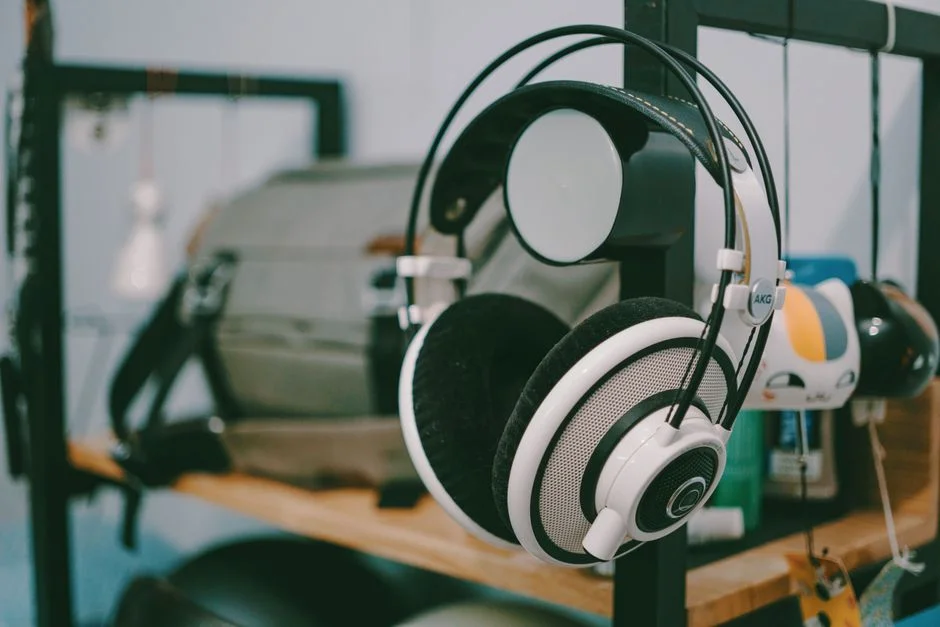
Three years in, I’ve noticed that the stock earpad conversation gets undervalued. My own experience with the HD600 is a good example. After about 18 months of daily use, replacing the stock Sennheiser pads with fresh OEM replacements noticeably changed the seal and perceived low-frequency extension. The foam had compressed, the material had stiffened, and the acoustic chamber formed between the driver and my ear had drifted from the original spec. That was a real, audible difference from a simple pad swap.
Earpads function as part of the acoustic system of a headphone. The material, depth, opening diameter, and compliance all affect how the driver couples to your ear. Crinacle’s measurement database and ASR’s pad-swap comparisons both show that earpads can shift bass shelf levels, treble resonances, and even staging characteristics in measurable ways. This isn’t audiophile mythology. It’s a mechanical reality.
Comfort vs. Sound: Setting Expectations
Comfort is the primary reason most people swap pads, and it’s also the most reliable benefit. Premium materials like lambskin, suede, and quality memory foam deliver a tangibly different wearing experience compared to stock velour or synthetic leather on mid-range headphones.
Sound changes are real but variable. Some pad swaps produce significant FR shifts (the Sundara is a well-documented example of this). Others produce subtler changes. Owner reports from Head-Fi and community threads on ASR consistently recommend measuring or checking community measurement data before committing to a pad swap on headphones where tonal balance is important to you.
Material Families and What They Do
Velour is breathable and soft but typically reduces isolation and can roll off upper bass by reducing seal pressure. Sheepskin and lambskin leather provide better seal and isolation, with a tendency toward slightly elevated bass and a different treble character depending on driver coupling. Hybrid pads (velour face with leather outer ring) aim to balance the thermal comfort of velour with improved isolation from leather.
Perforated leather and suede fall somewhere in between. ZMF’s material offerings are particularly extensive, with options across cowhide, lambskin, suede, and velour depending on the pad model. Field reports from ZMF owners consistently describe these materials as noticeably higher quality than most stock options.
When to Upgrade vs. When to Replace Stock
If your current pads are compressed, cracked, or more than two years old with regular use, replacing them with fresh stock pads is the first step. Verified buyers on Amazon and Head-Fi pad threads frequently note that worn pads account for a significant portion of “my headphone sounds different than reviews” complaints. Fresh stock pads restore the baseline the headphone was measured on.
An upgrade to aftermarket pads makes sense when comfort is genuinely limiting your listening sessions, when you want to experiment with mild sound tuning, or when you’re using a headphone for extended professional work. The Accessories section has additional context on where earpad upgrades fit relative to other headphone upgrades.
Pad Compatibility: What to Check Before Buying
Not all aftermarket pads fit all headphones. The attachment mechanism varies significantly between brands. Sennheiser’s HD 6XX family uses a friction-fit bayonet system. HiFiMan’s Sundara uses a different friction-clip design. Beyerdynamic’s DT series uses yet another approach. ZMF sells adapter rings for some of their pads to expand compatibility. Dekoni designs model-specific versions for major headphone families.
Before purchasing any aftermarket pad, verify the specific model compatibility, not just the brand fit. Buying pads based on “fits HiFiMan” without checking whether the Sundara’s specific clip system is supported is a common return-driver in community threads.
Top Picks
The products below represent a range of materials, price bands, and headphone compatibility. Field reports from the Head-Fi earpad threads, ASR’s accessory discussions, and verified buyer reviews all informed the framing here.
ZMF Headphones Universe Earpads for Headphones
The ZMF Headphones Universe Earpads are the ones I can speak to with genuine first-person experience. I use them on my HD600 and my HiFiMan Sundara, both of which are well within the compatibility range ZMF specifies. The material quality is immediately apparent. ZMF offers the Universe pads in multiple materials including cowhide, lambskin, and suede, and the craftsmanship is in a different category from stock pads.
On the HD600, the primary benefit is comfort and material feel. The stock Sennheiser velour is functional but fairly basic after years of daily use. The Universe pads in suede are noticeably softer with a different thermal character. Sound changes are subtle but present. On my Topping stack at low listening volumes with Nick Drake’s Pink Moon, the staging felt slightly more relaxed, which is consistent with what other HD600 owners describe in Head-Fi pad comparison threads.
On the Sundara, I’d flag the same caveat I give for any Sundara pad swap: the Sundara’s frequency response is notably sensitive to pad geometry changes. The Universe pads did not dramatically alter the character I value in the Sundara, but anyone considering this swap should check community measurement comparisons before committing. The comfort upgrade alone, particularly for longer sessions, is meaningful. These are mid-range priced but represent genuine craftsmanship.
Check current price on Amazon.
ZMF Verite Earpads Premium Headphone Earpads
The ZMF Verite Earpads are a step above the Universe in cup depth and overall size, designed originally for ZMF’s flagship Verite headphone. Based on owner reports from ZMF’s community threads and Head-Fi’s ZMF appreciation thread, the Verite pads are popular among owners of deeper-cup planar headphones who want ZMF’s material quality in a larger format.
Compatibility beyond ZMF headphones typically requires adapter rings, which ZMF sells separately. Field reports indicate that the Verite pad’s deeper cup can meaningfully change the driver-to-ear distance on headphones like the LCD-2 and various HiFiMan planars, which affects imaging and upper-frequency character. Community reports are mixed on whether this shift is desirable, making this a more experimental upgrade than the Universe pads for non-ZMF headphones.
The significant consideration here is availability. ZMF sells these directly through their website, and stock availability is irregular. Verified buyers consistently note that ZMF’s lead times and direct-only availability require patience compared to Amazon-stocked alternatives. For buyers committed to ZMF’s material quality in a larger format, the Verite pad is highly regarded. For buyers who need something this week, plan accordingly.
Check current price on Amazon.
ZMF Auteur Classic Earpads
The ZMF Auteur Classic Earpads were designed specifically for the ZMF Auteur Classic headphone. Based on reports from Auteur owners in Head-Fi’s ZMF thread, these pads are also occasionally used on other headphones via adapter rings, though this is a more niche application than the Universe or Verite pads.
The Auteur pad’s geometry is a shallower and slightly more angled design compared to the Verite pads. ZMF owners who have compared the two report different staging presentations, with the Auteur’s shallower depth creating a closer-to-ear driver distance. For Auteur Classic owners, these are the purpose-built replacement and upgrade option, and the premium material quality ZMF is known for applies here consistently.
Like all ZMF earpad products, these are available exclusively through ZMF’s direct website. Stock availability fluctuates, and ZMF periodically runs limited material batches. Community consensus is that ZMF’s customer service for direct orders is attentive, but the buying experience is different from Amazon’s convenience. For non-Auteur headphone owners, the Universe pads are likely the more practical ZMF option unless a specific fit advantage applies.
Check current price on Amazon.
Dekoni Audio Elite Hybrid Earpads for Sennheiser HD600 HD650 HD660S HD6XX
The Dekoni Audio Elite Hybrid Earpads for Sennheiser HD600 HD650 HD660S HD6XX are among the most frequently recommended Amazon-available pad upgrades for the entire HD 6XX family. The Elite Hybrid design pairs a velour contact face with a sheepskin outer ring and memory foam core, aiming to balance breathability with improved isolation.
Verified Amazon buyers in the HD 6XX earpad discussion threads report a consistent comfort improvement over stock Sennheiser velour, particularly during extended sessions. The memory foam provides better contouring than the stock pad’s foam. Sound-wise, the HD 6XX family is moderately sensitive to pad changes. Field reports indicate a subtle shift in low-frequency body and slightly altered staging compared to fresh stock pads. The change is generally described as mild rather than dramatic.
For HD 600 and HD 650 owners who want an accessible upgrade without committing to ZMF pricing or ZMF’s direct ordering process, these Dekoni pads represent the most practical community-recommended Amazon option. Stock is reliably available with Prime shipping, which makes them a lower-friction choice for buyers who have been burned by out-of-stock notices on specialty sites.
Check current price on Amazon.
Dekoni Audio Elite Hybrid Earpads for HiFiMan Sundara HE-400i
The Dekoni Audio Elite Hybrid Earpads for HiFiMan Sundara HE-400i follow the same Elite Hybrid construction (velour face, sheepskin outer, memory foam core) but are shaped and sized for HiFiMan’s Sundara and HE-400i family specifically.
The Sundara earpad caveat deserves clear emphasis here. Based on measurement data from multiple community sources and owner reports on Head-Fi’s Sundara thread, pad swaps on the Sundara produce more significant frequency response shifts than on closed-back or well-sealed dynamic headphones. The Sundara’s driver is particularly sensitive to the acoustic space created by pad depth and seal geometry. Verified buyers report noticeable bass changes and upper-midrange shifts, with reactions varying depending on whether the listener prefers the stock tuning or is actively looking to modify it.
For Sundara owners who find the stock pads uncomfortable for long sessions, the Dekoni Elite Hybrid is the most accessible mid-range upgrade. For Sundara owners who are satisfied with the current tonal balance, checking a community measurement overlay before purchasing is genuinely worthwhile. The memory foam comfort improvement is consistent in field reports regardless of the sound opinion.
Check current price on Amazon.
Dekoni Audio Elite Sheepskin Earpads for Beyerdynamic DT Series
The Dekoni Audio Elite Sheepskin Earpads for Beyerdynamic DT Series target the DT 770, DT 880, and DT 990 family with full sheepskin construction rather than the hybrid approach. Sheepskin improves seal compared to the stock Beyerdynamic velour, and the memory foam core adds contouring comfort.
The sound change on the DT 990 Pro is the most discussed case in community threads. Beyerdynamic’s DT 990 Pro is already a treble-forward headphone with a notable upper-frequency peak. Field reports from DT 990 Pro owners using Dekoni Elite Sheepskin pads consistently note that sheepskin’s improved seal shifts the bass shelf upward and slightly alters the treble character. Some owners find this an improvement. Others prefer the airier quality of the stock velour despite the comfort difference. This is a swap worth researching in DT 990-specific threads before committing.
For DT 770 users, where isolation is part of the headphone’s value proposition, the Dekoni Elite Sheepskin’s improved seal is more uniformly well-received. Verified buyers report improved isolation and comfort over the stock pads, with less dramatic sound signature shift than on the open-back 990.
Check current price on Amazon.
Dekoni Audio Elite Earpads for Audeze LCD Series Headphones Elite Velour
The Dekoni Audio Elite Earpads for Audeze LCD Series Headphones Elite Velour address a specific complaint that’s common among LCD-2 and LCD-X owners: the stock leather pads are warm in extended use and can feel stiff after a year or two of compression.
I heard the LCD-X briefly at a Texas Audio Society meetup, so my direct experience with Audeze pads is limited to roughly 20 minutes of demo time. That said, the community consensus on these Dekoni velour pads is consistent across Audeze threads on Head-Fi and owner review clusters. The velour material substantially reduces heat buildup during long sessions, which is meaningful on a heavy planar that already places significant clamping force on the head.
The known tradeoff is bass response. Velour’s breathability reduces the acoustic seal compared to leather, and the LCD series is known for bass quantity as a signature characteristic. Field reports and some community measurement overlays confirm that switching from stock leather to velour on the LCD-2 produces a noticeable reduction in bass authority. For listeners who find the LCD series bass-heavy, this may be desirable. For listeners who bought the LCD-2 specifically for its low-frequency presentation, this warrants careful consideration.
Check current price on Amazon.
Brainwavz Hybrid Memory Foam Earpad Black PU/Velour Large Over-Ear
The Brainwavz Hybrid Memory Foam Earpad Black PU/Velour Large Over-Ear occupy a distinctive position in the earpad upgrade market as a budget-tier option with genuinely broad compatibility. The HM5-style pad (PU leather face with velour center, memory foam core) has been a community recommendation on Head-Fi for years, particularly for headphones without model-specific premium aftermarket options.
Verified buyer reports across multiple headphone categories consistently praise the comfort improvement, particularly the memory foam contouring compared to thinner stock pads on mid-range headphones from AKG, Audio-Technica, and various HiFiMan models. The universal oval shape fits a wide range of large over-ear headphones, though some models require minor adaptation or a DIY attachment approach.
Sound changes with the Brainwavz hybrid are highly variable because compatibility is so broad. PU leather creates a better seal than velour-only pads, which typically adds some low-frequency body. The velour center reduces some of the seal pressure at the contact face. Owner reports on sound character diverge depending on the source headphone, making it difficult to generalize. The budget price band makes these a reasonable low-risk experiment for headphones not served by Dekoni or ZMF model-specific options.
Check current price on Amazon.
Buying Guide: Choosing the Right Earpad Upgrade
Know Your Headphone’s Sensitivity to Pad Swaps
Not all headphones respond equally to earpad changes. Open-back dynamic headphones like the HD600 family show modest sound changes from pad swaps, primarily in seal quality and low-frequency body. Planar magnetic headphones, especially the HiFiMan Sundara and Audeze LCD series, show more pronounced frequency response shifts due to their larger driver surfaces and sensitivity to the acoustic space between driver and ear. Before purchasing an aftermarket pad for any planar headphone, checking community measurement comparisons specific to your model is a genuinely useful step, not audiophile overcaution.
Material Selection Starts With Your Main Use Case
If your primary complaint is thermal discomfort during long sessions, velour is the most effective material for breathability. If your primary complaint is that pads have compressed and seal has degraded, fresh stock pads or a leather-family aftermarket option will restore and often improve isolation. If you want mild sound tuning alongside comfort improvement, hybrid pads give you more variables to work with. For a broader view of how earpad choices fit alongside other accessory decisions for headphone listeners, the Accessories hub covers the full range of upgrade categories.
ZMF vs. Dekoni vs. Budget: Matching Tier to Expectation
ZMF pads represent a premium tier with genuine material quality differences. The craftsmanship in ZMF’s lambskin and suede options is well above anything in the budget or standard mid-range tier. The tradeoff is primarily availability and ordering experience, since most ZMF pads require buying direct with variable stock. Dekoni pads hit a practical mid-range sweet spot, with model-specific fit, consistent quality, and Amazon availability. For headphones not served by model-specific options from either brand, Brainwavz HM5-style pads offer a low-risk budget entry point.
Pad Wear: The Overlooked Baseline
Before spending money on any aftermarket pad, assess the condition of your current pads honestly. Compressed foam that has lost its original depth changes the acoustic chamber in ways that affect both comfort and sound. Cracked or peeling synthetic leather loses seal integrity. Verified buyers frequently note in Amazon review threads that replacing worn stock pads, with nothing more exotic than fresh OEM pads, resolves the discomfort or tonal drift they were attributing to the headphone itself. An earpad upgrade is worth more when the baseline comparison is fresh stock, not two-year-old compressed foam.
Attachment Mechanism Research Saves Return Shipping Costs
Community threads across Head-Fi are filled with posts from buyers who purchased pads based on material preference without fully confirming attachment compatibility. Sennheiser HD 6XX series pads use a friction-clip bayonet that is broadly replicated by Dekoni’s HD6XX-specific pads. HiFiMan’s Sundara uses a different system that Dekoni’s HiFiMan-specific pads address directly. Beyerdynamic’s DT series uses a snap ring that behaves differently from both. ZMF’s adapter ring system solves compatibility for some headphones but requires purchasing the adapter separately. Confirming attachment mechanism compatibility before purchase is the single most practical step a buyer can take to avoid returns.
Frequently Asked Questions
Does changing earpads actually affect sound, or is that audiophile myth?
Earpad changes produce measurable frequency response shifts in many headphones, particularly planar magnetic designs. Community measurement databases including data compiled on Head-Fi and ASR show that pad depth, material seal quality, and foam density all affect the acoustic coupling between driver and ear. The magnitude of change varies significantly by headphone model. For some headphones the shift is subtle, for others like the HiFiMan Sundara it can be quite pronounced.
How do I know when my earpads need replacing rather than just upgrading?
Physical signs include visible cracking or peeling of synthetic leather, velour that has pilled or compacted noticeably, and any loss of foam resilience when you compress and release the pad. A simple compression test, pressing the pad and observing recovery time, reveals whether the memory foam or standard foam has lost its original compliance. Worn pads typically shift the acoustic chamber depth, which changes both comfort and sound. Most manufacturers suggest replacement every one to two years under daily use, though this varies by material quality.
Are ZMF earpads compatible with non-ZMF headphones?
Some ZMF pads, particularly the Universe line, are designed with compatibility for Sennheiser HD 6XX and HiFiMan Sundara families in mind. Other ZMF pads including the Verite and Auteur models require adapter rings for non-ZMF headphones, which ZMF sells separately. Compatibility is headphone-specific, and ZMF’s product pages list supported models. Field reports from community threads confirm that the attachment mechanism and pad opening dimensions need to match your headphone’s specific geometry, not just the general brand family.
Will premium earpads fix the sound signature of a headphone I find too bright or too bassy?
Premium earpads can produce modest tonal shifts but are not a reliable tool for correcting a fundamental sound signature mismatch. Velour pads can reduce bass body slightly by reducing seal. Leather pads can increase it. However, the magnitude of these changes is generally smaller than EQ can achieve.
Is there a meaningful difference between mid-range Dekoni pads and premium ZMF pads?
Based on field reports from buyers who have used both, the primary difference is material quality and feel rather than any dramatic performance gap. ZMF’s lambskin and suede options use materials that verified buyers consistently describe as noticeably softer and more premium at contact than Dekoni’s sheepskin. The acoustic differences between comparable designs from the two brands are generally smaller than the comfort differences. Dekoni’s advantage is Amazon availability and model-specific direct fit without adapter rings. ZMF’s advantage is material tier and craftsmanship for buyers prioritizing the wearing experience above all else.

<script type="application/ld+json">
{
"@context": "https://schema.org",
"@type": "FAQPage",
"mainEntity": [
{
"@type": "Question",
"name": "Does changing earpads actually affect sound, or is that audiophile myth?",
"acceptedAnswer": {
"@type": "Answer",
"text": "Earpad changes produce measurable frequency response shifts in many headphones, particularly planar magnetic designs. Community measurement databases including data compiled on Head-Fi and ASR show that pad depth, material seal quality, and foam density all affect the acoustic coupling between driver and ear. The magnitude of change varies significantly by headphone model. For some headphones the shift is subtle, for others like the HiFiMan Sundara it can be quite pronounced. Checking model-specific pad swap measurements before purchasing is a practical step, not an overcautious one."
}
},
{
"@type": "Question",
"name": "How do I know when my earpads need replacing rather than just upgrading?",
"acceptedAnswer": {
"@type": "Answer",
"text": "Physical signs include visible cracking or peeling of synthetic leather, velour that has pilled or compacted noticeably, and any loss of foam resilience when you compress and release the pad. A simple compression test, pressing the pad and observing recovery time, reveals whether the memory foam or standard foam has lost its original compliance. Worn pads typically shift the acoustic chamber depth, which changes both comfort and sound. Most manufacturers suggest replacement every one to two years under daily use, though this varies by material quality."
}
},
{
"@type": "Question",
"name": "Are ZMF earpads compatible with non-ZMF headphones?",
"acceptedAnswer": {
"@type": "Answer",
"text": "Some ZMF pads, particularly the Universe line, are designed with compatibility for Sennheiser HD 6XX and HiFiMan Sundara families in mind. Other ZMF pads including the Verite and Auteur models require adapter rings for non-ZMF headphones, which ZMF sells separately. Compatibility is headphone-specific, and ZMF's product pages list supported models. Field reports from community threads confirm that the attachment mechanism and pad opening dimensions need to match your headphone's specific geometry, not just the general brand family."
}
},
{
"@type": "Question",
"name": "Will premium earpads fix the sound signature of a headphone I find too bright or too bassy?",
"acceptedAnswer": {
"@type": "Answer",
"text": "Premium earpads can produce modest tonal shifts but are not a reliable tool for correcting a fundamental sound signature mismatch. Velour pads can reduce bass body slightly by reducing seal. Leather pads can increase it. However, the magnitude of these changes is generally smaller than EQ can achieve. Verified buyer reports across Dekoni and ZMF threads reflect that buyers who purchased pads specifically to fix a tonal complaint were often disappointed, while buyers who purchased for comfort and accepted mild sound changes as a secondary effect were more consistently satisfied."
}
},
{
"@type": "Question",
"name": "Is there a meaningful difference between mid-range Dekoni pads and premium ZMF pads?",
"acceptedAnswer": {
"@type": "Answer",
"text": "Based on field reports from buyers who have used both, the primary difference is material quality and feel rather than any dramatic performance gap. ZMF's lambskin and suede options use materials that verified buyers consistently describe as noticeably softer and more premium at contact than Dekoni's sheepskin. The acoustic differences between comparable designs from the two brands are generally smaller than the comfort differences. Dekoni's advantage is Amazon availability and model-specific direct fit without adapter rings. ZMF's advantage is material tier and craftsmanship for buyers prioritizing the wearing experience above all else."
}
}
]
}
</script>