Audio Technica Audiophile Headphones Buyer Guide

Affiliate disclosure: Some links on this page are affiliate links. If you buy through them we earn a small commission at no extra cost to you. Recommendations are research-driven; we don't claim personal use of every product reviewed. Product prices and availability are accurate as of the date published and are subject to change. Always check Amazon for current pricing before purchasing. Learn more.
Quick Picks
Audio-Technica ATH-M50X Professional Studio Monitor Headphones Black
Industry-standard beginner closed-back with massive community support
Buy on AmazonAudio-Technica ATH-M40x Professional Studio Monitor Headphones
Flatter frequency response than ATH-M50x for more accurate monitoring
Buy on AmazonAudio-Technica ATH-R70x Professional Open-Back Reference Headphones
Exceptionally lightweight at 210g , outstanding for extended wear
Buy on Amazon| Product | Price Range | Top Strength | Key Weakness | Buy |
|---|---|---|---|---|
| Audio-Technica ATH-M50X Professional Studio Monitor Headphones Black also consider | $ | Industry-standard beginner closed-back with massive community support | Mid-bass hump , not as neutral as AKG K371 alternatives | Buy on Amazon |
| Audio-Technica ATH-M40x Professional Studio Monitor Headphones also consider | $ | Flatter frequency response than ATH-M50x for more accurate monitoring | Less bass emphasis than M50x , may disappoint casual listeners | Buy on Amazon |
| Audio-Technica ATH-R70x Professional Open-Back Reference Headphones also consider | $$ | Exceptionally lightweight at 210g , outstanding for extended wear | Very high 470Ω impedance demands a powerful headphone amplifier | Buy on Amazon |
Audio-Technica makes some of the most recognizable headphones in the hobby , gear that appears on every beginner recommendation thread and sits on the shelves of working engineers alike. Sorting out which model actually fits your situation is where most buyers get stuck. This guide, part of the broader Buyer Guides library here, covers the three Audio-Technica headphones that matter most for anyone entering or deepening a serious listening practice.
The closed-back versus open-back decision shapes nearly everything else about which model serves you , monitoring accuracy, isolation needs, and amplification requirements all follow from that one choice. Understanding the trade-offs before you buy saves a return trip.
What to Look For in Audio-Technica Audiophile Headphones
Frequency Response and Tuning Character
Not all “studio monitor” headphones measure neutrally, and the Audio-Technica lineup is a clear illustration of that gap. A neutral frequency response , flat through the midrange, controlled bass, extended but not harsh treble , is what mixing engineers need to hear mixes accurately on other systems. A consumer-tuned response emphasizes bass and warmth, which sounds immediately satisfying but obscures mix decisions.
The ATH-M50x, despite its monitor branding, carries a mid-bass hump that adds weight and warmth to the low end. Verified buyer impressions consistently describe it as engaging and full-sounding rather than clinical. The ATH-M40x, by contrast, measures considerably flatter , closer to what the monitor label implies. Knowing which tuning character serves your actual use case prevents disappointment in either direction.
For open-back reference monitoring, the relevant question shifts from bass character to midrange transparency and soundstage width. The ATH-R70x targets a different tier of listener, one who already understands what reference means and is building a chain to serve it.
Impedance and Amplification Requirements
Impedance is one of the most consequential specifications in this lineup, and it’s easy to underestimate. Low-impedance headphones , 32, 64Ω , drive adequately from phones, laptops, and dongle DAC/amps. High-impedance headphones require enough voltage swing to reach a useful listening level with headroom to spare.
The ATH-R70x carries a 470Ω impedance rating , among the highest in the headphone market. That number is not theoretical. Running the R70x from a laptop output or underpowered portable amp produces thin, dynamically compressed playback that misrepresents the headphone’s actual character. A desktop amplifier with high-impedance headphone output is not optional for that model; it is a prerequisite.
The M50x and M40x are both 38Ω, easily driven from portable sources. If the buying question is specifically about amping requirements, those two models present no meaningful obstacle for most listeners.
Open-Back vs. Closed-Back
The open-back versus closed-back distinction is not a quality hierarchy , it is a use-case distinction. Closed-back headphones isolate external sound and prevent bleed, which matters for tracking, commuting, open-plan listening spaces, and any situation where acoustic privacy is relevant. Open-back headphones exchange that isolation for a more spacious, natural-sounding presentation , sound enters and exits freely, producing a wider perceived soundstage.
Both the M50x and M40x are closed-back. The R70x is open-back. Choosing between them starts with asking where and how the headphones will be used, not which one is “better.”
Build Quality, Comfort, and Long Sessions
For extended wear, physical comfort matters as much as tuning. Clamping force, ear cup depth, and headphone weight all contribute to fatigue over a two- or three-hour session. The M50x has a known clamping force that some users find fatiguing at that duration , verified buyer reports raise this consistently. The M40x shares a similar form factor.
The ATH-R70x stands out on this dimension. At 210 grams, it is one of the lightest full-size headphones at any price point. Owner reviews and professional field reports consistently identify comfort as a genuine competitive advantage for long monitoring sessions. Exploring the full range of headphone buying guides before committing to a form factor will help clarify which physical trade-offs matter most for your specific listening situation.
Top Picks
Audio-Technica ATH-M50x
The Audio-Technica ATH-M50x occupies a specific position in the hobby: it is the headphone that introduced more people to dedicated listening than almost any other model at its price tier. The community support surrounding it is genuine , forum threads, measurement databases, and comparison threads exist in quantity that few headphones at this level can match. For someone buying their first serious closed-back, that ecosystem of information has real practical value.
That said, the M50x is not what its “studio monitor” label implies from a measurement standpoint. The mid-bass hump gives low-end material a warmth and weight that sounds immediately impressive, especially against the laptop output or earbuds most buyers are coming from. The ATH-M50x is my daily-use closed-back , I’ve had it long enough to know exactly where its tuning flatters music and where it obscures it. Bass-forward genres benefit from that character. Mixing decisions based on it will not translate accurately to flatter playback systems.
Three detachable cables ship in the box , a 1.2m straight, a 3m straight, and a coiled cable. The foldable hinged design makes storage and travel straightforward. For a first audiophile headphone that doubles as a portable option, the M50x’s combination of community data, cable flexibility, and proven durability makes a strong case.
Check current price on Amazon.
Audio-Technica ATH-M40x
The Audio-Technica ATH-M40x is the model the M50x’s name promises but doesn’t deliver. The frequency response is measurably flatter , less mid-bass emphasis, a more accurate rendering of where mix elements actually sit. Verified buyer consensus and community measurement comparisons support this consistently. For someone who wants a closed-back headphone for critical listening or mixing work rather than recreational bass enjoyment, the M40x is the stronger choice.
It shares the M50x’s core practical advantages: 38Ω impedance that drives easily from portable sources, detachable cables, and the foldable design that makes the form factor useful across environments. The price point is meaningfully lower than the M50x as well. The trade-off is community traction , the M50x has years of forum threads, comparison articles, and verified owner impressions that the M40x simply doesn’t match in volume. For buyers who rely on that community infrastructure to calibrate expectations, the M40x operates with less external scaffolding.
The honest answer for mixing or accurate monitoring use: the M40x’s flatter response serves that purpose better than its more famous sibling. Casual listeners who value the warmth and impact of the M50x’s tuning will likely prefer the M50x. Knowing which description fits you makes this a clearer decision than most comparative reviews suggest.
Check current price on Amazon.
Audio-Technica ATH-R70x
The Audio-Technica ATH-R70x addresses a different listener entirely. At 470Ω impedance and targeting open-back reference monitoring, it assumes a desktop chain capable of driving it properly , a dedicated amplifier is not optional, it is a baseline requirement. Owner reviews and professional field reports confirm that under-driving this headphone produces thin, compressed playback that fundamentally misrepresents what the transducer can do. Pair it correctly, and the open soundstage and midrange transparency it offers are consistently described as professional-grade.
The weight figure is one of the most distinctive specifications in the product’s category: 210 grams is exceptionally light for a full-size open-back at this tier. Engineers doing extended reference work report noticeably less physical fatigue compared with heavier alternatives. That is a real competitive advantage in studio environments where headphones are worn for hours at a stretch.
The ATH-R70x has less community data behind it than Sennheiser HD600 or HD650 alternatives, or Beyerdynamic’s open-back lineup. Head-Fi thread depth and comparative owner impressions are thinner than for those established references. The case for it rests on its specific physical characteristics , weight, soundstage, Audio-Technica build reliability , rather than on community consensus. For a studio engineer or serious open-back enthusiast building a dedicated monitoring chain, those characteristics are compelling. For a first open-back buyer without a proper amp, the M50x or M40x remain the practical starting point.
Check current price on Amazon.
Buying Guide
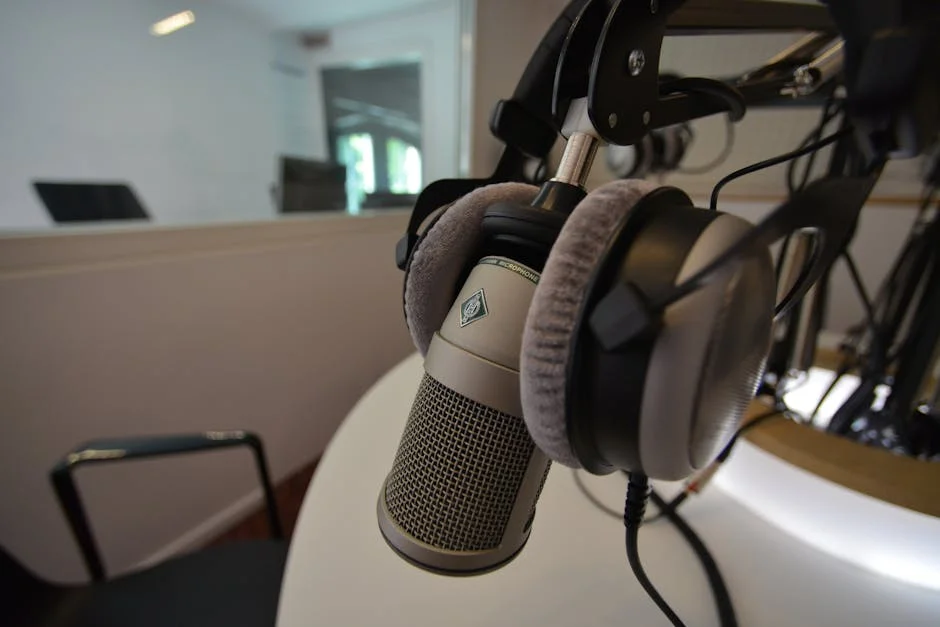
Matching the Headphone to the Use Case
The single most useful question before buying any Audio-Technica headphone in this lineup is: what environment will this headphone actually be used in? Closed-back models like the M50x and M40x make sense for commuting, open offices, tracking sessions, or anywhere sound isolation matters. Open-back models like the R70x require a quiet, private space , they bleed sound outward and let external sound in, which makes them unsuitable for public or shared environments regardless of audio quality.
Use-case clarity also narrows the tuning question. Recreational listening across bass-forward genres benefits from the M50x’s warmth. Accurate monitoring for mixing and production work points toward the M40x’s flatter response. Professional reference work in a proper studio chain , with adequate amplification , is where the R70x earns its place.
Understanding the Impedance Gap
Impedance is often treated as an abstract specification, but the practical consequences here are concrete. The M50x and M40x at 38Ω will play at proper volume from a phone, a dongle DAC/amp, or a laptop headphone output. The ATH-R70x at 470Ω will not perform to its potential from those sources , the voltage output required to drive it to useful levels with dynamic headroom intact simply isn’t present in most portable and consumer-grade outputs.
If a desktop amplifier is already part of the chain, or the buyer is actively building one, the R70x’s impedance is a manageable specification. If the listening setup is phone-based or laptop-based without a dedicated amp, the R70x is the wrong choice regardless of its other qualities. The headphone buying guides at /guides/ cover amplification fundamentals in more depth for buyers working through that part of the chain.
The Neutral Monitoring Misconception
“Studio monitor” branding on consumer headphones does not guarantee a flat frequency response, and the M50x is the clearest example of that pattern. Buyers who purchase the M50x expecting clinical accuracy because of the monitor label frequently report surprise at the bass warmth. That warmth is not a defect , it serves certain listening purposes well , but it is not the neutral reference presentation that professional monitoring implies.
For buyers who specifically need accurate monitoring , mixing engineers, producers, anyone making playback decisions that need to translate across systems , the M40x’s flatter response is the correct choice. The field evidence here is consistent: owner comparisons and community measurement data both point the same direction. Knowing the distinction before purchase avoids mismatched expectations in either direction.
Build Quality and Long-Term Durability
Both closed-back models share Audio-Technica’s well-documented build approach: plastic-dominant construction with metal adjustment sliders, detachable cables, and a foldable design. The plastic construction draws occasional criticism against metal-framed competitors, but owner durability reports across verified buyer reviews suggest the M50x and M40x handle regular use reliably over multi-year ownership.
Cable replaceability is a genuine practical advantage , the most common failure point on headphones is the cable, and the ability to swap cables without a soldering iron extends the product’s useful life. All three models share this feature. For the R70x, which operates in professional environments where gear longevity matters to the total cost of the investment, that replaceability carries additional weight.
When to Consider Alternatives Outside the Audio-Technica Lineup
Audio-Technica’s lineup is strong but not the only answer at any of these tiers. At the M50x’s price band, the AKG K371 measures flatter and consistently earns favorable comparisons in community blind tests , buyers who want a closed-back with more accurate response and are indifferent to brand should consider it directly. At the R70x’s tier, the Sennheiser HD600 and HD650 have significantly deeper community data, more third-party measurements, and broader amplifier pairing guidance. The R70x’s weight advantage is real, but for a buyer who values community infrastructure to calibrate their purchase, the Sennheiser alternatives carry that infrastructure more robustly.
Frequently Asked Questions
Is the Audio-Technica ATH-M50x actually good for audiophile listening?
The M50x is a strong entry-level closed-back with genuine strengths , proven durability, detachable cables, and the largest community support base in its tier. Its tuning emphasizes mid-bass warmth rather than neutral accuracy, which audiophiles seeking flat reference monitoring tend to outgrow. For a first serious headphone, particularly for portable or closed-back use, owner consensus consistently rates it as a worthwhile starting point.
What is the practical difference between the ATH-M50x and ATH-M40x?
The M40x measures flatter , its frequency response is more accurate, with less mid-bass emphasis than the M50x. The M50x has a warmer, bass-forward presentation that many casual listeners prefer. Both share the same impedance, cable system, and physical form factor. For mixing and accurate monitoring, the ATH-M40x is the stronger choice.
Does the ATH-R70x require a dedicated headphone amplifier?
Yes, meaningfully so. At 470Ω, the ATH-R70x cannot be driven to proper listening levels with adequate dynamic headroom from most portable sources, laptops, or phones. A desktop amplifier with sufficient output voltage is a prerequisite, not an optional upgrade. Buying the R70x without a capable amp in the chain produces thin, compressed playback that gives an inaccurate impression of what the headphone can do.
How does the ATH-M50x compare to the Sennheiser HD600 for entry-level audiophile use?
The HD600 is an open-back headphone with a neutral reference tuning; the M50x is a closed-back with a warmer, bass-emphasized response. They serve different use cases , the M50x for isolation and portable use, the HD600 for open-back home listening. Owner consensus across Head-Fi and r/headphones treats the HD600 as the more technically accomplished headphone, but the M50x’s closed-back isolation makes it relevant in contexts where the HD600 is simply not practical.
Can the ATH-M50x be used for music production and mixing?
For casual production and reference checking, yes , with the caveat that its mid-bass hump can inflate the perceived low end and lead to under-compensated mixes. The ATH-M40x is the better choice for mixing work within the Audio-Technica lineup because its flatter response gives a more accurate representation of where bass and low-midrange energy actually sit. Many producers use the M50x as a secondary check on what a consumer-tuned playback device would reveal, rather than as a primary mixing reference.
Where to Buy
Audio-Technica ATH-M50X Professional Studio Monitor Headphones BlackSee Audio-Technica ATH-M50X Professional … on Amazon