AT-HPS700 Review: Audio-Technica's Brand-Matched Headphone Stand

Affiliate disclosure: Some links on this page are affiliate links. If you buy through them we earn a small commission at no extra cost to you. Recommendations are research-driven; we don't claim personal use of every product reviewed. Product prices and availability are accurate as of the date published and are subject to change. Always check Amazon for current pricing before purchasing. Learn more.
Audio-Technica brand matching stand for AT headphone owners
See Audio-Technica AT-HPS700 Single Head … on AmazonThe Audio-Technica AT-HPS700 sits in a narrow product space: a headphone stand designed by the same brand that made your headphones. For AT headphone owners , particularly those running an ATH-M50x on a desk , that brand matching carries genuine appeal. Whether it earns its place is worth examining carefully.
Headphone stands are among the more straightforward accessories purchases in this hobby. The criteria are simple on the surface: stable base, appropriate height, materials that don’t damage your headband. The AT-HPS700 checks most of those boxes, but a few practical limitations are worth knowing before you commit.
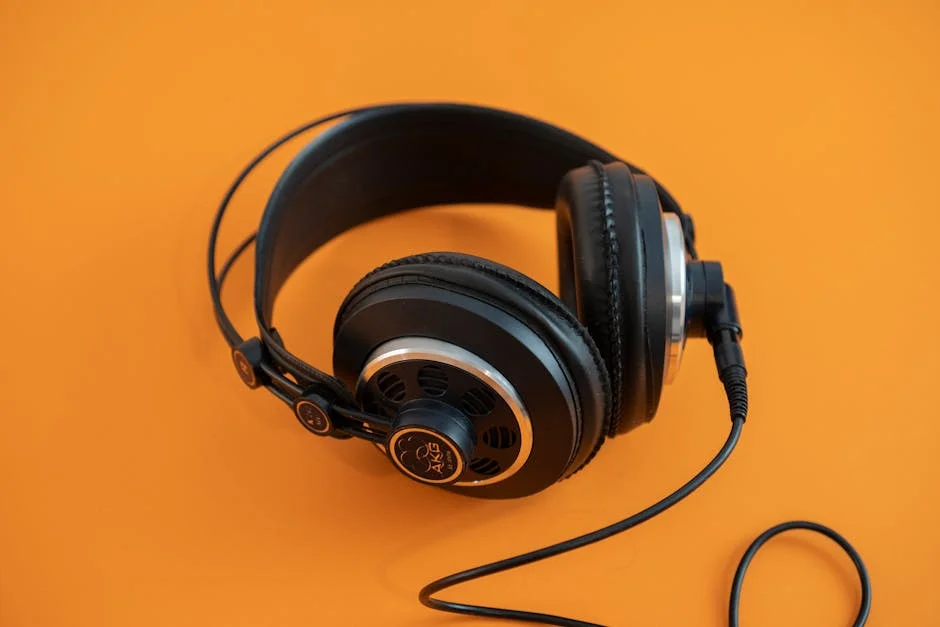
What to Look For in a Headphone Stand
Stability and Base Design
A stand that tips over is worse than no stand at all. The physics here are basic , a wide, heavy base keeps a stand planted even when you’re pulling a headphone off in a hurry or someone bumps the desk. Rubber feet matter too. A base without them will scratch surfaces and walk across the desk over time.
Wooden bases tend to offer better mass distribution than plastic alternatives. The grain and density of the material absorbs minor vibrations rather than transmitting them, which matters less sonically than it does for long-term surface protection. A stand that slides or rocks eventually damages headphone cups from repeated asymmetric catches.
Arm Height and Headband Clearance
Standard over-ear headphones need roughly 10, 12 inches of clearance from the desk surface to the top of the stand arm. Too short and the earcups drag. Too tall and the whole assembly becomes top-heavy. Stands designed specifically for headphones rather than repurposed monitor or mic stands tend to nail this proportionally.
Wide headphones , orthos with extended gimbal arms, or headphones with heavy clamping force that cause the band to splay , need more lateral clearance than compact closed-backs. If your library includes something like an Audeze LCD-X or a Beyerdynamic T1, a stand spec’d for the ATH-M50x footprint may not accommodate them comfortably.
Material and Surface Contact Points
The headband is the most stress-prone part of any headphone. A stand that cradles the headband over a hard, sharp edge will eventually compress or crack the material at the contact point. Rounded arm profiles, silicone caps, or soft coating at the contact points are meaningful features. This is one of those details that seems minor until the headband padding starts to show creasing.
Material quality in the stand itself signals longevity. Aluminum arms resist flex and fatigue better than ABS plastic over a multi-year desk lifespan. Wood bases resist scratches better than painted MDF. For a piece of gear that stays on your desk permanently, build quality compounds , small compromises in materials show up at the three-year mark rather than the three-month mark.
Cable Management and Desk Real Estate
Single-hook stands occupy less desk space than multi-tier or riser designs. That tradeoff matters on a crowded desk , a stand with a small footprint that keeps your headphone off the surface and out of the way of your keyboard and mouse earns its square footage. Some stands offer cable routing channels or hooks, which is useful if you run detachable cables and want to keep the coiled excess managed.
Exploring the full range of audio accessories before settling on a stand is genuinely worthwhile , the category includes wall mounts, drawer hooks, and monitor-mounted arms that solve the same problem with different desk footprints. The right choice depends entirely on your workspace.
Top Picks
Audio-Technica AT-HPS700
The Audio-Technica AT-HPS700 is a single-hook stand with a wood base and a matte black aluminum arm. For ATH-M50x owners, the aesthetic case is straightforward , the matte black finish and understated proportions match the M50x’s visual language precisely. This is clearly an intentional design decision from Audio-Technica, and it works.
Build quality is above what the budget price band would suggest. The wood base feels substantial underhand , not decorative balsa, but a dense block that plants firmly on a desk. Rubber feet on the underside grip without marking surfaces. The aluminum arm is rigid with no perceptible flex at the hook. Owner reviews across multiple verified purchase pools consistently describe it as feeling more expensive than comparable single-hook alternatives.
The functional limitations are real and worth naming directly. The stand is fixed , there’s no rotation or angle adjustment on the arm. For a standard ATH-M50x or ATH-M40x, that’s a non-issue; the proportions fit cleanly. For wider headphones or those with aggressive gimbal arms, the fixed geometry can make hanging feel awkward or slightly insecure. Field reports suggest the stand handles the M50x, M70x, and most compact closed-backs without issue, but buyers planning to hang an Audeze or a large HiFiMan should verify their headphone’s width against the arm profile before purchasing.
The brand cohesion argument is genuine but secondary. The stand works well because the construction is solid, not simply because it matches the logo on your headphones. For a buyer running an AT headphone as their primary desk pair, the AT-HPS700 solves the stand problem with a single well-considered purchase.
Check current price on Amazon.
Buying Guide
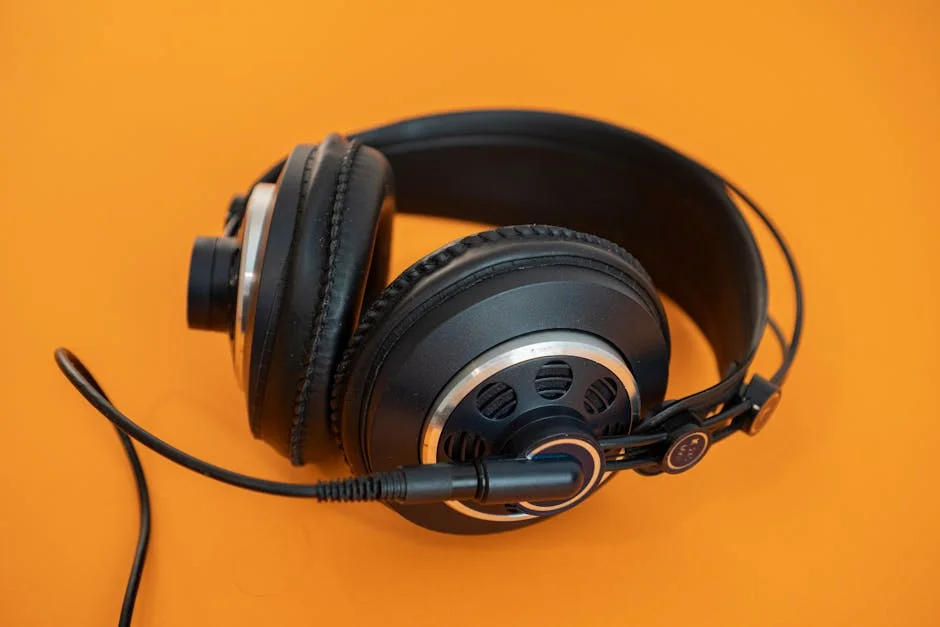
Matching Stand to Headphone Size
The most important fit variable is headphone width. Compact closed-backs , the ATH-M50x, ATH-M40x, Sony MDR-7506, AKG K371 , hang cleanly on single-hook stands with standard arm geometry. Larger headphones with wide earcup spacing or extended adjustment sliders, particularly open-back planars, need more lateral clearance. The AT-HPS700 is explicitly proportioned for the AT lineup. Buyers with only one headphone in that size class don’t need to look further than this.
If your collection spans multiple headphone sizes, a stand with an adjustable or wider arm profile is more practical than a brand-matched option.
Single Stand vs. Multi-Tier vs. Alternative Mounting
Single-hook stands make sense for a one-headphone desk setup. Multi-tier or rotating stands serve collections. Wall mounts and monitor-clamp arms serve desks where horizontal space is precious. The AT-HPS700 is explicitly a single-stand solution , it doesn’t expand. That’s appropriate for its intended audience, which is an AT headphone owner who wants one well-made, matching stand.
The decision framework is simple: how many headphones need storage, and how much desk space is available? One headphone and adequate desk surface , a single stand is the right answer. Audio accessories in this category scale up quickly in price and complexity once you move beyond single-hook solutions.
Construction Materials and Longevity
Headphone stands stay on desks for years, often outlasting the headphones they hold. Material choice at purchase time matters more than it seems initially. ABS plastic stands begin to show UV yellowing and stress fractures at the base within two to three years under desk lamp exposure. Aluminum and wood resist that degradation.
The AT-HPS700’s wood and aluminum construction is a meaningful long-term advantage over plastic competitors in the same price band. The arm won’t flex over time. The base won’t crack. The finish patinas rather than yellows.
Surface and Headband Protection
The contact point between stand arm and headband is where long-term damage accumulates. A hard metal edge or sharp radius concentrates pressure on a single point of the headband, which causes compression and cracking over extended storage periods. Rounded arm profiles distribute that contact across a wider surface area.
The AT-HPS700’s arm terminates in a rounded hook with a slight radius. Verified owner reports describe no headband marking after extended use with the ATH-M50x, which uses a padded steel band that’s reasonably resilient. Headphones with thinner unpadded plastic headbands deserve more scrutiny at this contact point.
Budget Considerations and Alternatives
The AT-HPS700 occupies the budget-to-mid-range boundary. It outperforms most plastic stands in its price neighborhood on construction quality. The next tier up includes heavier cast-aluminum options and stands with integrated cable management, which solve the same problem with more features.
For a first headphone stand purchase paired with an AT headphone, the AT-HPS700 is a clean match. For a buyer who already owns a stand and is considering an upgrade, the case is thinner , the functional difference between a solid plastic stand and this one is real but incremental.
Frequently Asked Questions
Is the AT-HPS700 compatible with headphones other than Audio-Technica models?
The stand has no Audio-Technica-specific mounting geometry , it’s a standard single hook that will hold any over-ear headphone that fits its arm width. Compact closed-backs from Sony, AKG, Beyerdynamic, and Sennheiser in the standard over-ear size class hang without issue. The main constraint is headphone width; very wide or heavy orthodynamic headphones may not sit securely on the fixed arm.
Does the AT-HPS700 scratch desk surfaces?
Rubber feet on the underside of the wood base protect the desk surface from direct contact. Verified owner reports consistently describe no marking under normal use conditions. The base doesn’t walk or slide under the weight of a standard pair of headphones, so the rubber contact points stay in place rather than dragging.
How does the AT-HPS700 compare to plastic single-hook stands in the same price range?
The primary difference is construction quality and long-term durability. Plastic stands in the same price neighborhood tend to flex at the arm and show UV degradation within a few years. The AT-HPS700’s aluminum arm and wood base resist both of those failure modes. For a stand you’ll use daily for several years, that difference compounds , the AT-HPS700 is a better five-year investment at comparable entry cost.
Will the AT-HPS700 hold the ATH-M50x securely?
Yes. The stand is proportioned with AT’s own headphone lineup in mind, and the ATH-M50x is its most obvious target. Owner reports are uniformly positive on fit and stability for the M50x specifically. The headphone hangs centered and stable, with the earcups clearing the desk surface without contact.
Does the stand offer any cable management?
No. The AT-HPS700 is a minimalist single-hook design with no cable routing channels, hooks, or integrated management features. If cable management is a priority , particularly for detachable-cable headphones with long coiled cables , a stand with dedicated cable routing or a separate cable management solution would better serve that need.
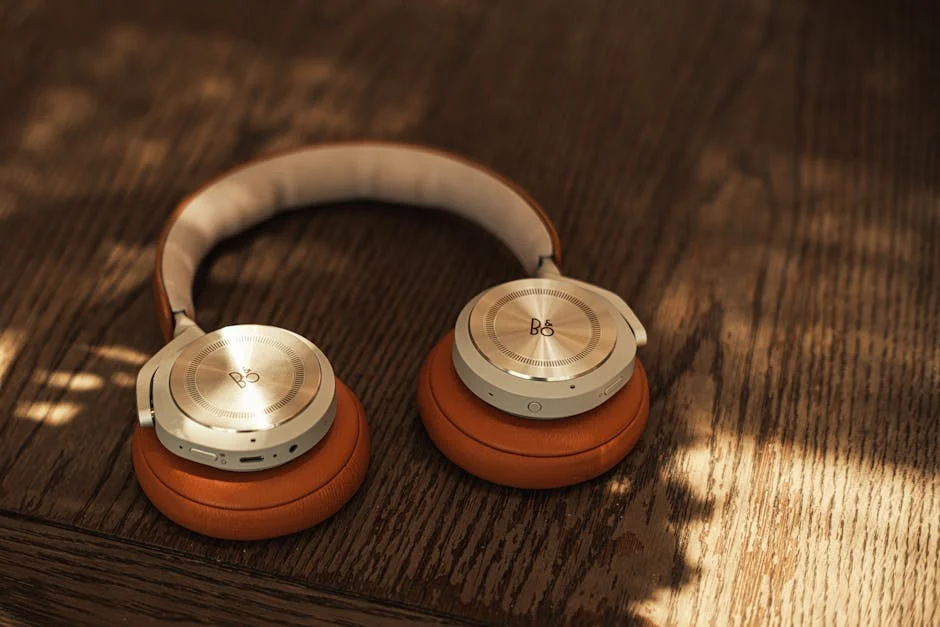
Audio-Technica AT-HPS700 Single Head Headphone Stand: Pros & Cons
- Audio-Technica brand matching stand for AT headphone owners
- Wood base and aluminum arm provide stable premium-looking design
- Non-rotating , fixed position only
Where to Buy
Audio-Technica AT-HPS700 Single Head Headphone StandSee Audio-Technica AT-HPS700 Single Head … on Amazon