DACs

Best Dongle DAC for Android: Top Picks Tested

Affiliate disclosure: Some links on this page are affiliate links. If you buy through them we earn a small commission at no extra cost to you. Recommendations are research-driven; we don't claim personal use of every product reviewed. Product prices and availability are accurate as of the date published and are subject to change. Always check Amazon for current pricing before purchasing. Learn more.

Best Dongle DAC for Android: Top Picks Tested

Quick Picks

Also Consider

FiiO/JadeAudio KA13 Portable USB-C DAC Dongle 3.5mm and 4.4mm

Both 3.5mm and 4.4mm balanced outputs in one small dongle

Buy on Amazon
Also Consider

MOONDROP Dawn Pro Portable USB DAC/AMP Dual CS43131 DSD256

Dual CS43131 chips with balanced 4.4mm output in dongle format

Buy on Amazon
Also Consider

Hidizs Linsoul Hidizs S9 Pro HiFi Portable Balanced DAC AMP ESS9038Q2M

ESS9038Q2M chip with balanced 2.5mm and 3.5mm outputs

Buy on Amazon
Product Price RangeTop StrengthKey Weakness Buy
FiiO/JadeAudio KA13 Portable USB-C DAC Dongle 3.5mm and 4.4mm also consider $ Both 3.5mm and 4.4mm balanced outputs in one small dongle Draws power from device , impacts battery on phones Buy on Amazon
MOONDROP Dawn Pro Portable USB DAC/AMP Dual CS43131 DSD256 also consider $ Dual CS43131 chips with balanced 4.4mm output in dongle format Physical length is longer than simpler single-output dongles Buy on Amazon
Hidizs Linsoul Hidizs S9 Pro HiFi Portable Balanced DAC AMP ESS9038Q2M also consider $ ESS9038Q2M chip with balanced 2.5mm and 3.5mm outputs Hidizs is less community-documented than FiiO/Moondrop alternatives Buy on Amazon

Removing the headphone jack from Android phones accelerated a quiet but genuine upgrade path: USB-C dongle DACs. The best ones deliver cleaner amplification, real output power, and , in some cases , balanced connections that passive adapters can’t touch. For anyone pairing IEMs or sensitive headphones with a phone, the DACs category is where the most accessible gains live.

The evaluation criteria here are not exotic. Chip quality, output impedance, balanced availability, and form factor matter more than spec-sheet maximalism. The products below represent the strongest options across those criteria at accessible price points.

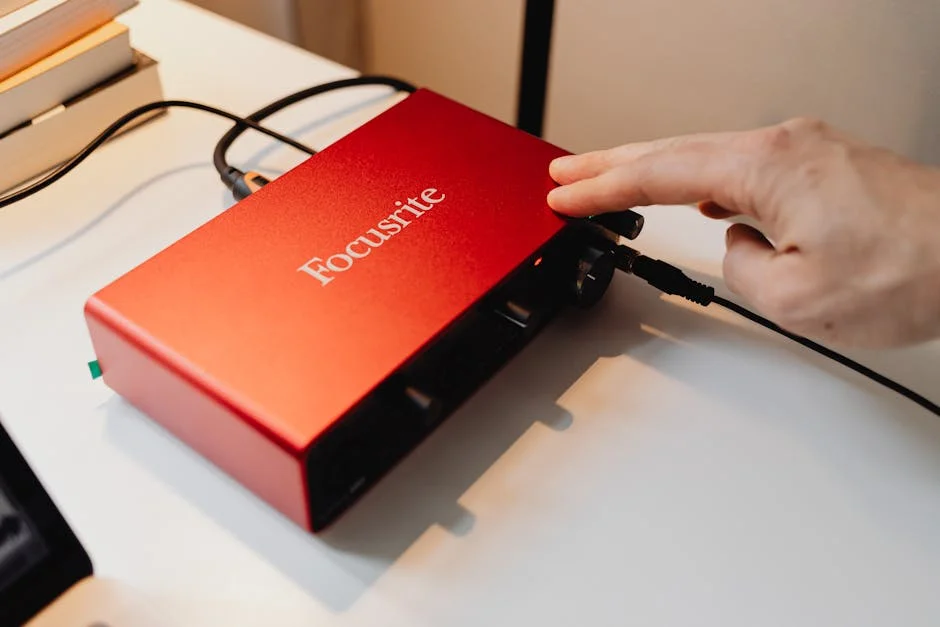
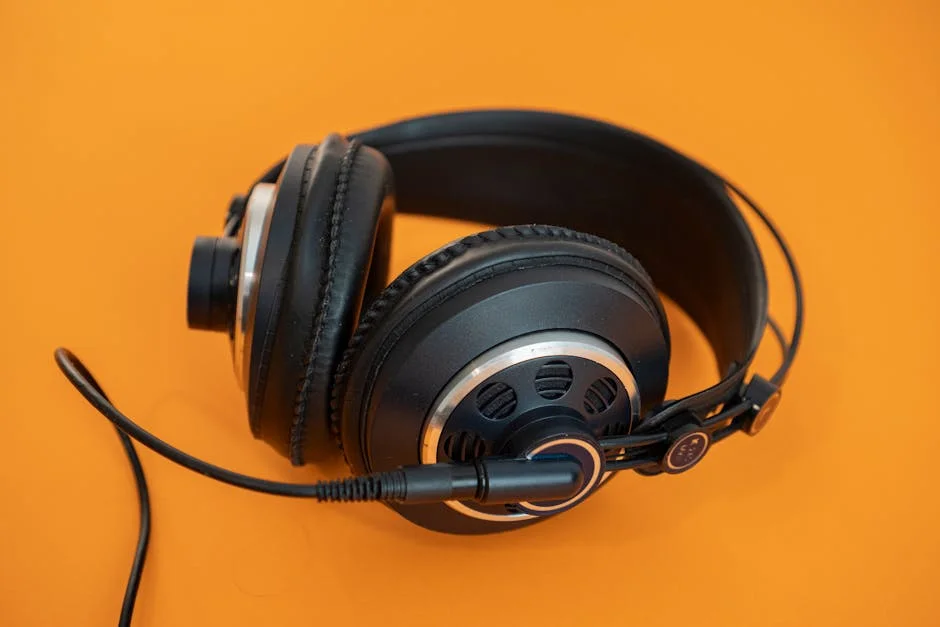
dacs product image

What to Look For in a Dongle DAC for Android

DAC Chip and Measurements

The chip inside a dongle determines its noise floor, distortion behavior, and maximum output power. ESS and Cirrus Logic are the two dominant chip families in this tier. Neither is categorically superior , implementation quality matters as much as silicon brand.

What’s useful to check: SNR (signal-to-noise ratio), THD+N (total harmonic distortion plus noise), and output impedance. Output impedance is particularly relevant for IEM users. A high output impedance , anything above 1, 2 ohms , interacts with multi-driver IEMs in ways that color the frequency response, sometimes audibly.

Community measurement databases like Audio Science Review publish standardized bench data for most dongles at this tier. Cross-referencing those numbers with owner impressions gives a more complete picture than either alone.

Balanced Output: 4.4mm vs. 2.5mm

Balanced output matters for two reasons: it roughly doubles the voltage swing available, and it lowers the noise floor in some implementations. For IEM listeners, the practical gain is modest. For harder-to-drive headphones, it can make a real difference.

The connector standard matters. 4.4mm Pentaconn has become the community consensus for portable balanced , more robust than 2.5mm, more widely supported in newer cables and adapters. If you’re building a portable balanced setup, starting with 4.4mm is the more future-proof choice.

2.5mm balanced still appears on older accessories and some current budget products. It’s not a dealbreaker, but expect to add an adapter if your cable ecosystem is already 4.4mm-oriented.

Power Draw and Phone Compatibility

Dongle DACs pull power from the connected device. On Android, this is a USB-C negotiation , most modern phones support the current draw required by a quality dongle without issue, but battery impact is real during longer sessions.

Some dongles draw more aggressively than others. A dual-chip implementation pulling high current will drain a phone noticeably faster than a single-chip design. For desk-adjacent use where the phone charges while you listen, this is irrelevant. For commute or transit listening, it’s worth factoring in.

Android USB audio compatibility is not universal. Most mid-range and flagship phones since 2020 handle USB audio correctly, but edge cases exist. Checking community reports for your specific phone model before purchasing avoids frustration.

Form Factor and Build Quality

Dongle DACs range from barely-larger-than-a-cable to small-device territory. The smallest single-output designs fit unobtrusively in a pocket; the dual-output units with balanced connectivity are necessarily larger.

Build quality at this price tier varies. Metal housings telegraph durability better than plastic, and the cable strain relief at the USB-C connector is the highest-failure-risk point on any dongle. Braided cables hold up better in daily use than sleeved or bare rubber. Shorter cables reduce snag risk; longer ones offer more positioning flexibility.

Exploring the full range of DAC options , including desktop and portable separates , is worth doing before committing to the dongle format. For phone-first listening, dongles are usually the right answer. For desktop or desktop-adjacent use, the trade-offs shift.

Top Picks

FiiO/JadeAudio KA13

The FiiO/JadeAudio KA13 makes a case that’s difficult to argue with at the budget tier: both 3.5mm and 4.4mm balanced outputs in a single dongle, USB-C native, from a brand with genuine engineering depth. Owner reviews consistently note that the KA13 drives sensitive IEMs cleanly on 3.5mm and shows a clear improvement on balanced 4.4mm with headphones that respond to the additional output voltage.

Physical dimensions are larger than a bare adapter but smaller than most competing dual-output designs. The trade-off for carrying two output options in one chassis is reasonable. For listeners who own cables in both terminations , or who are building toward a balanced cable , this removes the need to carry two separate devices.

Field reports put the KA13 as the default recommendation for Android users moving past the Apple dongle or passive adapter stage. The balanced output at this tier is the key differentiator. Single-output dongles at this price exist and measure well, but the KA13’s flexibility is harder to match.

Check current price on Amazon.

MOONDROP Dawn Pro

The MOONDROP Dawn Pro is the strongest direct competitor to the KA13, and the case for choosing it over the FiiO is real for a specific buyer: those coming from the IEM community who have existing Moondrop brand context and want dual-chip balanced performance from a name they already trust.

Dual CS43131 chips drive the Dawn Pro’s 4.4mm balanced output. Verified buyers and community measurement threads point to clean performance at line level and strong output from the balanced connection. The 3.5mm single-ended output is present and measured acceptably, though the balanced output is where the dual-chip implementation is most relevant.

Physical length is the Dawn Pro’s most-mentioned practical limitation. It extends further from the phone than simpler single-output dongles, which creates snag potential in pocket use. Listeners who primarily use it desk-adjacent or clip-positioned report no issues. For transit commuters, the KA13’s slightly more compact form may edge ahead. The Dawn Pro’s Moondrop pedigree is the counterargument , brand continuity with an IEM ecosystem the buyer may already be invested in.

Check current price on Amazon.

Hidizs S9 Pro

The Hidizs S9 Pro occupies a different position in this lineup: ESS9038Q2M chip, balanced output on 2.5mm and 3.5mm, DSD512 support, at a price that remains accessible. For buyers who specifically want an ESS chip signature , and who have existing 2.5mm balanced cables , the S9 Pro offers a compelling spec-to-price ratio.

The primary friction point is the 2.5mm balanced connector. Moondrop and FiiO have both standardized on 4.4mm as the balanced output for their current dongle lineup, and cable availability at 2.5mm is narrowing relative to 4.4mm. An adapter covers the gap, but it adds a link in the chain that a native 4.4mm dongle doesn’t require.

Hidizs is less community-documented than FiiO or Moondrop at this tier , fewer measurement threads, less Head-Fi depth. The specifications and owner reports that do exist are generally positive, and the ESS chip is well-regarded in the broader community. Buyers who prioritize ESS implementation over balanced-connector modernity and who have 2.5mm infrastructure already in place will find the S9 Pro the stronger choice here.

Check current price on Amazon.

Buying Guide

dacs product image

Matching the Dongle to Your Headphone Load

The most common mismatch in this category is pairing a low-power dongle with a headphone that needs more current. Sensitive IEMs , most multi-driver designs, most chi-fi IEMs , are well-served by any dongle in this roundup. Planar magnetic headphones and some dynamic headphones with lower sensitivity need more output voltage, and the balanced output on a dongle like the KA13 or Dawn Pro starts to matter practically rather than theoretically.

The scaling experience with planars was more real than initially expected. The gap between a passive adapter and a balanced dongle output was audible on the Sundara in a way it wasn’t on the HD600. For dynamic headphone users primarily, the quality floor of these dongles is sufficient , the balanced output is a bonus rather than a requirement.

Balanced vs. Single-Ended for Your Use Case

Single-ended 3.5mm is universal. Every headphone and IEM ships with a 3.5mm termination as standard; no aftermarket cable is required to use the 3.5mm output on any dongle in this list. For most listeners at this tier, 3.5mm is the daily output.

The case for balanced starts with the headphone. If the IEM or headphone you’re using has a known single-ended noise floor issue , hiss audible in quiet passages , balanced may resolve it. If you already own a 4.4mm terminated cable or plan to buy one, the Dawn Pro and KA13’s balanced outputs are immediately usable. If neither condition applies, the single-ended output on any of these dongles is well-implemented and sufficient for the listening context.

Chip Architecture and Sound Signature

CS43131 (Dawn Pro, dual implementation) and the ESS9038Q2M (S9 Pro) are both well-characterized chips with substantial community measurement data. The FiiO KA13 uses a different internal implementation; FiiO has its own chip engineering relationships that contribute to the KA13’s performance.

Chip architecture influences measured noise floor and distortion. Audible differences between well-implemented chips of this class, at matched output levels with the same source, are at the edge of reliable detectability. More important than chip brand is implementation quality , output impedance, power supply noise management, and housing construction. Browsing the relevant DAC measurement threads on Audio Science Review before purchasing is a better use of time than chip brand preference alone.

When to Step Past a Dongle

Dongles are optimized for phone-first, portable-first use. If primary listening shifts to a desktop or desk-adjacent setup , sitting at a computer, not a phone , a proper DAC/amp stack starts making more sense. Dedicated separates offer lower noise floors, more output power headroom, and better thermal management than any dongle.

Dedicated DAC/amp separates are worth the complexity step for planar magnetic headphones specifically. For the HD600 and similar dynamics, the gap between a quality dongle output and a desktop stack is real but smaller than marketing suggests. The decision threshold is use case and headphone type, not brand.

dacs product image

Frequently Asked Questions

Do dongle DACs work with all Android phones?

Most Android phones manufactured after 2019 support USB audio and will recognize a dongle DAC correctly. Compatibility issues are more common on budget and mid-range devices from smaller manufacturers. Checking community reports for your specific phone model is the safest approach before purchasing , both Head-Fi and r/headphones maintain phone-specific compatibility threads that are worth reviewing.

Is the FiiO KA13 or Moondrop Dawn Pro the better choice?

Both land at similar price points and offer 4.4mm balanced output. The FiiO KA13 includes both 3.5mm and 4.4mm outputs in a slightly more compact body, making it more flexible for listeners with cables in both terminations. The MOONDROP Dawn Pro uses dual CS43131 chips and carries Moondrop’s brand credibility from the IEM community. Either is defensible; the KA13 edges ahead for flexibility, the Dawn Pro for chip architecture documentation.

Does the 4.4mm balanced output make an audible difference?

For sensitive IEMs with low noise floors, the audible difference between single-ended and balanced is often marginal and source-dependent. For harder-to-drive headphones , particularly planar magnetics , balanced output voltage can produce a more noticeable improvement in dynamic headroom and control. The balanced output is more practically relevant as headphone impedance and sensitivity decrease.

What does output impedance mean for IEM users?

Output impedance is the source resistance at the headphone output. High output impedance , above 1, 2 ohms , interacts with multi-driver IEMs and changes their frequency response, because multi-BA IEMs have impedance curves that vary significantly across frequencies. Lower output impedance preserves the intended IEM tuning. Most quality dongle DACs at this tier specify output impedance at or below 1 ohm, which is appropriate for sensitive multi-driver IEMs.

Can a dongle DAC damage a phone’s USB-C port over time?

No evidence from the community or manufacturer literature suggests routine dongle DAC use damages USB-C ports under normal conditions. The main port-longevity concern in daily dongle use is mechanical: inserting and removing the connector repeatedly introduces wear over years. A magnetic USB-C adapter , interposed between the dongle and phone , can reduce physical wear if daily disconnection is a concern, at the cost of adding another connection point.

dacs product image

Where to Buy

FiiO/JadeAudio KA13 Portable USB-C DAC Dongle 3.5mm and 4.4mmSee FiiO/JadeAudio KA13 Portable USB-C DA… on Amazon
Marcus Tran

About the author

Marcus Tran

UX researcher, mid-size SaaS company (Austin, TX). Self-described "three years in" hobbyist audiophile. Started March 2022 (Sennheiser HD600 on Drop deal). Headphones owned: HiFiMan Sundara (2022 revision, purchased new October 2023, daily driver), Sennheiser HD600 (original; still used for reference), Audio-Technica ATH-M50x (kept for closed-back utility), Sony WH-1000XM5 (travel/ANC). IEMs owned: Moondrop Blessing 3 (daily driver IEM), Moondrop HEXA (backup/commute). Gear sold: Kiwi Ears Quartet, 7Hz Timeless (both replaced by Blessing 3 upgrade). Primary desktop chain: Schiit Modi+ DAC + Schiit Magni+ amp. Backup: FiiO DX3 Pro+ (also used as standalone DAC/headphone amp). Portable: FiiO BTR7 (primary Bluetooth DAC/amp), Qudelix 5K (used for EQ work and IEM chain). Source: Mac mini M1, Qobuz Studio subscription. Saving for Focal Clear MG — first planned flagship-tier purchase. Lives with partner Hannah (clinical psychologist) in East Austin (two-bedroom apartment; spare room is listening space and home office). B.A. Cognitive Science, UT Austin (2014). Does not attend audio meetups. Reads ASR, Head-Fi, Crinacle, Resolve Reviews, Currawong daily. Does not accept loaner gear. Not a professional reviewer. Does not claim expertise outside entry-to-mid-tier. · Austin, Texas

Three years into the hobby. UX researcher in Austin, TX. Sundara daily driver, Schiit Modi+/Magni+ stack, Blessing 3 for IEMs. Writes the guides I wish I'd had when I started.

Read full bio →