Best Dongle DAC for iPhone: Top Picks Reviewed

Affiliate disclosure: Some links on this page are affiliate links. If you buy through them we earn a small commission at no extra cost to you. Recommendations are research-driven; we don't claim personal use of every product reviewed. Product prices and availability are accurate as of the date published and are subject to change. Always check Amazon for current pricing before purchasing. Learn more.
| Product | Price Range | Top Strength | Key Weakness | Buy |
|---|---|---|---|---|
| Apple USB-C to 3.5mm Headphone Jack Adapter also consider | $ | Inexpensive baseline dongle that actually measures well for its price | No volume control or balanced output | Buy on Amazon |
| FiiO/JadeAudio KA13 Portable USB-C DAC Dongle 3.5mm and 4.4mm also consider | $ | Both 3.5mm and 4.4mm balanced outputs in one small dongle | Draws power from device, impacts battery on phones | Buy on Amazon |
| iFi GO bar Kensei Portable USB DAC/Amp 4.4mm Balanced also consider | $$ | Premium USB dongle with balanced 4.4mm output | Premium dongle pricing vs. FiiO KA17 at similar performance | Buy on Amazon |
Picking a dongle DAC for iPhone means navigating a small but genuinely varied field, compact source gear that lives on your keychain and directly shapes how your headphones perform. The right choice depends on what headphones you’re driving, whether balanced output matters to you, and how much battery drain you’re willing to accept. A deeper look at the full range of DACs worth considering will ground these tradeoffs in context.
The difference between the baseline Apple adapter and a dedicated dongle with proper amplification is real, but how real depends almost entirely on what’s plugged into the other end. Understanding that relationship before choosing is the work this guide does.
What to Look For in a Dongle DAC for iPhone
Output Power and Headphone Matching
Output power is the first filter. A dongle driving a 300-ohm dynamic driver like the Sennheiser HD600 behaves very differently from one driving 16-ohm IEMs. For planars or higher-impedance headphones, the gap between a baseline adapter and something with dedicated amplification becomes audible in headroom, not just maximum volume.
The general principle: match output power to headphone sensitivity and impedance. A dongle rated for 100mW into 32 ohms handles most IEMs and portable headphones without strain. For full-size planars on the go, the case for more output power is strong.
Balanced Output and the 4.4mm Question
Balanced output via 4.4mm Pentaconn is increasingly available in dongle form factors. The engineering benefit, lower noise floor, more headroom, crosstalk rejection, is genuine, especially at dongle power levels where margins are tighter. Whether it’s audible for your headphones and listening context is a separate question.
If you own headphones with a 4.4mm cable or plan to recable, a dongle with balanced output keeps that option open without committing to a full stack. If your headphones are single-ended and you have no plans to recable, the unbalanced output of a well-designed dongle is entirely sufficient.
Connectivity: Lightning vs. USB-C
The iPhone 15 and later ship with USB-C. Earlier models use Lightning. That adapter introduces no audible degradation, but it adds a link in the chain and a small amount of physical bulk.
Worth noting: USB-C dongles are forward-compatible with laptops, iPads, and Android phones without adapters. That versatility is part of their value if you listen across more than one device.
Battery Drain and Portable Practicality
Dongle DACs draw power from the host device. At baseline adapter levels, the draw is negligible, a few hundred milliwatts. At higher output power settings, drain becomes measurable. The iFi GO bar Kensei at full output pull is a real consideration for all-day listening on a single charge.
For most commute and transit listening, drain is a secondary concern, sessions are short enough that it doesn’t register. For travel days or long outdoor use, battery management matters more. Some higher-power dongles include switchable performance modes to let you dial back draw when battery conservation takes priority.
Physical Size and Pocket Ergonomics
Dongle DAC size ranges from the near-invisible (the Apple adapter) to slightly protruding (the KA13 and GO bar Kensei). None of these are large by any meaningful standard, but a dongle that hangs an inch and a half off your iPhone bottom is more prone to mechanical stress on the port over time.
The spec gap between a baseline adapter and a mid-tier dongle looks significant on paper, but the right choice is always headphone-dependent.
Top Picks
Apple USB-C to 3.5mm Headphone Jack Adapter
The starting point for any dongle conversation is the one most iPhone users already own. The Apple USB-C to 3.5mm Headphone Jack Adapter is not a product most people deliberately choose, it ships or gets bought out of necessity. That framing does it a disservice.
The Apple adapter is designed as a clean, low-power adapter. Its low output power is well matched to sensitive IEMs, where headroom matters less than a quiet noise floor.
Where it runs out of road is predictable: high-impedance headphones, planars, and anything that needs meaningful headroom. The Apple adapter has low output power, so an HD600 or a planar may not reach its performance range at moderate listening levels. That is where the dongle upgrade conversation starts.
Check current price on Amazon.
FiiO/JadeAudio KA13
For listeners stepping beyond the Apple adapter, the FiiO/JadeAudio KA13 is the most practical single recommendation in this group. It adds both 3.5mm and 4.4mm balanced outputs in a dongle form factor, a configuration that typically requires spending significantly more or carrying a separate amplifier.
The KA13 pairs those two outputs with a USB-C connection, so one dongle covers single-ended IEMs and 4.4mm balanced headphones.
Battery draw is real and worth acknowledging. The KA13 offers more output capability than the Apple adapter and will typically draw more from your iPhone, particularly at higher output levels. For most commute or transit listening, that tradeoff is easy to accept. For all-day use, it’s worth thinking through. The physical size is marginally larger than the Apple adapter but still pocket-compatible and lightweight.
Check current price on Amazon.
iFi GO bar Kensei
The iFi GO bar Kensei occupies a different category from the KA13, not better in absolute terms for every listener, but built around a different set of priorities. iFi’s circuit design, normally housed in full-sized components, is here compressed into a dongle aimed at driving demanding headphones.
The GO bar Kensei offers a 4.4mm balanced output and is aimed at more demanding headphone loads than the KA13.
The counterpoint: for IEMs, the power advantage is largely academic, and the premium pricing over the KA13 delivers diminishing returns in that use case. For listeners whose primary headphone is a planar magnetic or a high-impedance dynamic, the GO bar Kensei’s extra output power is the better match. For IEM-primary listeners, the KA13 is the stronger choice.
Check current price on Amazon.
Buying Guide
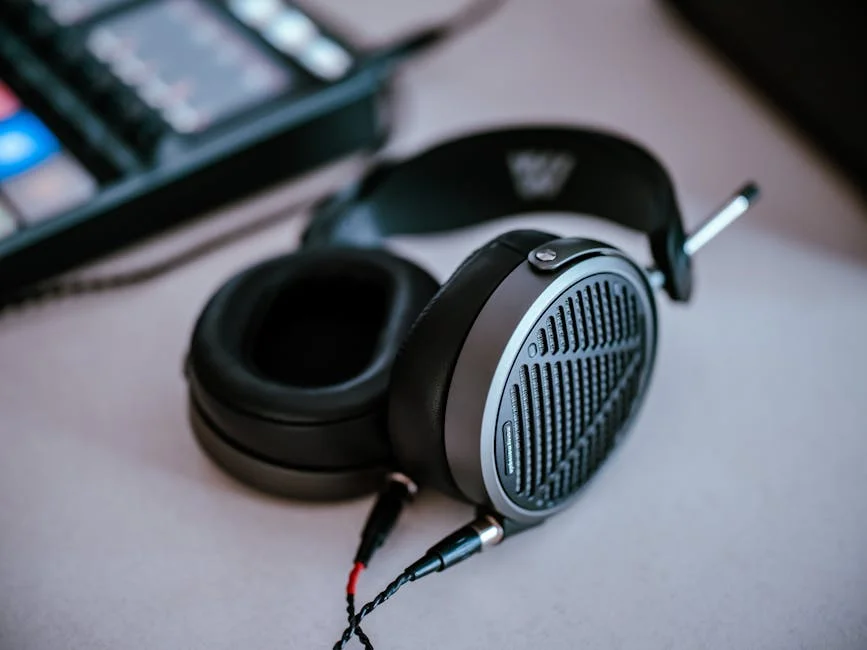
Matching the Dongle to What You Actually Own
The single most useful frame for choosing a dongle DAC is headphone impedance and sensitivity. Efficient IEMs, anything in the 16, 32 ohm range with high sensitivity, are well-served by the Apple adapter. The output is clean, the noise floor is low enough, and more power introduces hiss risk rather than resolving it. Stepping up to the KA13 is worth it for planars or headphones above 80 ohms impedance where the additional output headroom actually translates to audible improvement.
Planar headphones are generally less efficient than dynamic drivers, so they place more demands on source power. That applies specifically to headphones that are difficult to drive.
Balanced vs. Single-Ended at Dongle Scale
The practical benefit of 4.4mm balanced output from a dongle is narrower than the marketing language suggests, but it’s not zero. Balanced output at dongle power levels adds headroom and lowers the noise floor in measurable ways. Whether those measurements translate to audible differences depends on the headphone and the listening environment.
For IEM users: single-ended is sufficient. The KA13’s 3.5mm output handles sensitive IEMs cleanly. For full-size headphones, particularly planars, the balanced output is the more meaningful upgrade path. The 4.4mm socket on the KA13 or GO bar Kensei only matters if your headphone cable terminates in 4.4mm, or if you plan to recable.
Understanding the Battery Drain Trade-off
All dongle DACs draw power from the host device. That draw scales with output power. The Apple adapter’s draw is negligible. The KA13 at moderate output is manageable for commute-length sessions. The GO bar Kensei at full output on demanding headphones creates a real battery cost over a full day of listening.
The practical guidance: for listeners who use a dongle for a one-hour commute, battery drain is not a decision-relevant factor. For travelers or listeners who use their phone as a primary source across eight or more hours without charging access, it matters. Some higher-tier dongles include switchable performance modes, the GO bar Kensei’s IEMatch circuit, for example, lets you dial back output for sensitive IEMs, which also reduces draw.
The USB-C to Lightning Bridge Question
iPhone 14 and earlier users face an extra step: current dongle DACs terminate in USB-C. The adapter adds a small amount of chain length and a minor additional failure point, but neither is a reason to avoid it.
iPhone 15 and later users are fully USB-C native, no bridge needed. If you’re still on a Lightning device and plan to upgrade your phone in the next year, buying a USB-C dongle now future-proofs the purchase while requiring the adapter in the interim. That’s a reasonable trade.
When to Stop at a Dongle vs. Move to a Stack
A full DAC and amplifier stack, desktop or portable, is the logical next step above the dongle tier. For the specific use case of iPhone listening on the go, a stack is usually the wrong answer: the ergonomics don’t work, the battery carry becomes a second bag, and the portability that makes phone listening practical disappears.
The dongle tier is the right tier for mobile listening. The decision within it, Apple adapter vs. KA13 vs. GO bar Kensei, is driven by headphone load and output requirements, not a general upgrade ladder. If you’ve reached the ceiling of what the GO bar Kensei can do with your headphones and want more, the next step is a dedicated portable DAC/amp, not a more expensive dongle.
Frequently Asked Questions
Is the Apple USB-C adapter good enough, or do I need a dedicated dongle DAC?
For sensitive IEMs and most portable headphones, the Apple adapter is generally good enough. It is a clean, low-power adapter. The upgrade case becomes real when you're driving higher-impedance headphones or planars that benefit from additional output power. If the Apple adapter leaves your headphones sounding flat or compressed at moderate listening levels, the FiiO KA13 is the logical next step.
What's the difference between the FiiO KA13 and the iFi GO bar Kensei?
Both offer 4.4mm balanced output in a dongle form factor, but they serve different headphone loads. The KA13 handles most IEMs and portable headphones cleanly and adds meaningful headroom over the Apple adapter. The iFi GO bar Kensei targets listeners with demanding full-size headphones, planars or high-impedance dynamics, where the additional output power and iFi's circuit design are intended to help. For IEM-primary listeners, the KA13's value proposition is stronger.
Does a dongle DAC work with an iPhone that has a Lightning connector?
Yes, with Apple's USB-C to Lightning adapter as a bridge. Current dongle DACs, including the KA13 and GO bar Kensei, terminate in USB-C. The Lightning adapter passes signal transparently with no audible degradation. The connection works reliably, though it adds a small amount of physical chain length. iPhone 15 and later users on USB-C don't need the adapter.
Will a dongle DAC drain my iPhone battery significantly?
It depends on the dongle and usage pattern. The Apple adapter draw is negligible. The KA13 at moderate output adds measurable but manageable drain over a commute-length session. The iFi GO bar Kensei at full output into demanding headphones creates real battery cost over longer listening sessions. For short daily commutes, drain is not a practical concern. For all-day travel listening, factor it into your charging plan.
Do I need a 4.4mm cable to use a dongle with balanced output?
Yes, 4.4mm balanced output only benefits you if your headphone cable terminates in 4.4mm Pentaconn. Most headphones ship with a 3.5mm or 6.35mm cable. To use the balanced output on the KA13 or GO bar Kensei, you'd need either a headphone that ships with a 4.4mm cable or a third-party recable. If you're not planning to recable, the 3.5mm single-ended output on either dongle is fully functional and the balanced output remains available for later.
Where to Buy
- Apple USB-C to 3.5mm Headphone Jack AdapterSee price on Amazon
- FiiO/JadeAudio KA13 Portable USB-C DAC Dongle 3.5mm and 4.4mmSee price on Amazon
- iFi GO bar Kensei Portable USB DAC/Amp 4.4mm BalancedSee price on Amazon