Headphone Extension Cable Buyer's Guide: What Actually Matters

Affiliate disclosure: Some links on this page are affiliate links. If you buy through them we earn a small commission at no extra cost to you. Recommendations are research-driven; we don't claim personal use of every product reviewed. Product prices and availability are accurate as of the date published and are subject to change. Always check Amazon for current pricing before purchasing. Learn more.
Quick Picks
Monoprice Headphone Extension Cable 3.5mm Male to Female Stereo Audio 6 Foot
Essential extension for desktop setups , places amp within reach
Buy on AmazonMogami Gold Headphone Cable XLR Balanced
Professional studio standard cable construction
Hart Audio Cables Custom Headphone Upgrade Cable
US-made with quality materials and build well above mass-market cables
| Product | Price Range | Top Strength | Key Weakness | Buy |
|---|---|---|---|---|
| Monoprice Headphone Extension Cable 3.5mm Male to Female Stereo Audio 6 Foot also consider | $ | Essential extension for desktop setups , places amp within reach | Adds an extra connection point to the signal chain | Buy on Amazon |
| Mogami Gold Headphone Cable XLR Balanced also consider | $$ | Professional studio standard cable construction | Balanced XLR configuration requires balanced amplifier output | — |
| Hart Audio Cables Custom Headphone Upgrade Cable also consider | $$ | US-made with quality materials and build well above mass-market cables | Must purchase direct from hartaudiocables.com , not Amazon-available | — |
Headphone cables occupy a strange corner of the audio hobby , somewhere between genuine utility and audiophile mythology. The accessories category is full of products that promise transformation, and cables are where that tendency reaches its most extravagant heights. What actually matters is simpler: the right cable for the right setup, with honest expectations about what it will and won’t change.
The practical questions are worth separating from the speculative ones. Does your amp sit out of reach at the back of your desk? An extension cable solves that. Running a balanced amplifier? Balanced cables do real, measurable work. Tired of the stock cable’s stiff handling? An upgrade cable fixes an ergonomics problem , not an audio problem. These are the frames that should guide cable decisions.
What to Look For in Headphone Extension Cables and Upgrade Cables
Connection Type and Compatibility
Before anything else, verify the connectors. Standard headphones use a 3.5mm or 6.35mm (quarter-inch) plug. Balanced headphone systems , those using a balanced amplifier output , use XLR, 4.4mm Pentaconn, or 2.5mm TRRS connectors. Mixing these up doesn’t just produce no sound; it can damage equipment. Check your amplifier’s output specification and your headphone’s termination before purchasing any cable.
Most consumer desktop setups use unbalanced (single-ended) connections. If your amp has only a 3.5mm or 6.35mm headphone output, a standard unbalanced extension or upgrade cable is the correct choice , a balanced cable offers nothing in that context, and balanced adapters introduce their own complications. The decision tree here is genuinely simple once you know your amp’s output format.
Cable Length for Desktop Setups
Length matters more than most buyers anticipate. A 6-foot extension covers the majority of desk configurations , amp on the desk, user seated. Longer cables introduce potential for tangling and add slight resistance at extreme lengths, though the latter is audible in theory and irrelevant in practice at the lengths relevant to home listening.
Measure the distance between your amplifier’s headphone output and your seated ear position before purchasing. Add six to twelve inches for routing slack. Under-buying length means you’re back to being tethered to the amp; over-buying means managing excess cable. Most buyers find six feet handles a standard desk setup without surplus.
Build Quality and Shielding
Cable construction matters in one specific, measurable way: shielding quality affects noise rejection, particularly in balanced configurations and in environments with significant electromagnetic interference. A well-shielded cable in a balanced system actively rejects common-mode noise. A poorly shielded cable near power supplies or fluorescent lighting can introduce audible hum.
For unbalanced desktop setups at typical home listening distances, practical shielding differences between cables above a minimal quality threshold are not reliably audible. Connector build quality is a more meaningful concern , a poorly crimped 3.5mm connector will fail before a well-built one, and connector failure is the most common cable problem. Solid strain relief and metal connector housings are worth paying attention to on any cable.
The Audibility Question
Owner consensus and measurement data are consistent on this: cable differences below the threshold of genuine quality failure are not reliably audible in double-blind conditions. The relevant variables are connection quality, shielding effectiveness, and mechanical reliability , not conductor material, geometry, or the other claims common in audiophile cable marketing.
Exploring the full range of audio accessories available for a desktop headphone system is worth doing , but cables are where calibrated skepticism pays off most. Spending on source quality, amplification, and headphone selection returns more reliably than cable upgrades above a reasonable build-quality floor.
Top Picks
Headphone Extension Cable 3.5mm Male to Female Stereo Audio 6 Foot
The Monoprice Headphone Extension Cable solves a specific, unglamorous problem: your amp is at the back of the desk, your headphone cable won’t reach, and you’d rather not rearrange your entire setup. This is the correct tool for that situation. Six feet of 3.5mm male-to-female extension, at a price that represents essentially zero financial commitment relative to any other piece of desktop audio equipment.
Verified buyer reports across multiple purchasing periods are consistent , reliable connection, no introduced noise in standard unbalanced desktop setups, construction appropriate to the price. The connector quality is what you’d expect from Monoprice: functional, not precious. Owner consensus notes that the cable handles normal desk routing without stiffness issues.
One honest note on signal path: adding any connection point introduces a potential failure location and a small increase in total chain complexity. In practice, this matters less than it sounds , a quality 3.5mm connection at short distances contributes nothing measurable to signal degradation under normal conditions. But the extra connection is there, and it’s worth knowing about when troubleshooting later. Measure your specific setup before ordering; the fixed 6-foot length serves most desk configurations well, but it’s a single length with no alternatives in this product line.
Check current price on Amazon.
Mogami Gold Headphone Cable XLR Balanced
The Mogami Gold Headphone Cable is a professional studio standard, and that framing is worth taking seriously. Mogami cable is present in recording studios worldwide , not because of audiophile marketing, but because professional engineers need cables that reject noise, survive daily handling in signal-critical environments, and last. The XLR balanced configuration here does real, measurable work: balanced connections actively reject common-mode noise through differential signaling, and that rejection is audible in electrically noisy environments or at longer cable runs.
The critical compatibility note comes first: this cable requires a balanced amplifier output. If your amplifier has only a single-ended headphone output , a 3.5mm or 6.35mm jack , this cable serves no purpose in your setup, and no amount of cable quality changes that. Owner reports from verified buyers in professional contexts are uniformly positive on build quality and longevity. The terminations are solid; the cable itself has the handling properties that professional environments require.
For home listeners considering this cable, the honest framing is this: if you have a balanced amplifier , something like a Schiit Jotunheim, a Drop THX 789, or similar units with balanced headphone outputs , the Mogami’s noise rejection becomes relevant, particularly with sensitive headphones. For a quiet home listening environment with a standard unbalanced amp, Chinese audiophile cable alternatives at lower prices perform comparably for the actual audible task. The Mogami’s premium above those alternatives buys real things , brand longevity, professional build verification, connector durability , but the case for it is strongest where its technical properties actually matter.
Check current price on Amazon.
Hart Audio Cables Custom Headphone Upgrade Cable
The Hart Audio cable is the one cable in this roundup that occupies genuine personal territory. Hart Audio makes US-constructed upgrade cables for headphones , primarily for the Sennheiser HD 6-series, AKG, and similar audiophile staples. The materials and build sit well above anything mass-market, and the handling properties of the cable itself are meaningfully better than the stock Sennheiser cable: more pliable, lighter, less prone to the memory coiling that makes the stock cable fight you every time you move.
On audio claims: the honest position here is that the primary benefit is ergonomic, not sonic. Owner consensus from HD 600 and HD 650 users is consistent , the Hart cable feels better to use and looks better than the stock option. Whether it sounds better is a claim that requires more caution. The stock Sennheiser cable, functionally, is not broken. What the Hart cable fixes is the handling experience , and that’s a legitimate problem worth solving if the stock cable’s stiffness bothers you after extended sessions.
One practical constraint deserves front-placement: Hart Audio cables are sold direct through hartaudiocables.com and are not available on Amazon. This means no Prime shipping, a longer lead time, and no Amazon return window. For buyers who want a well-made US cable and are willing to purchase direct, the build quality and ergonomics improvements over stock are genuine. For buyers who need Amazon availability or want the security of Amazon’s return policy, this is a relevant friction point. The case for this cable is strong specifically for HD 600 owners who’ve decided the stock cable’s ergonomics are the actual problem they want to fix.
Check current price on Amazon.
Buying Guide
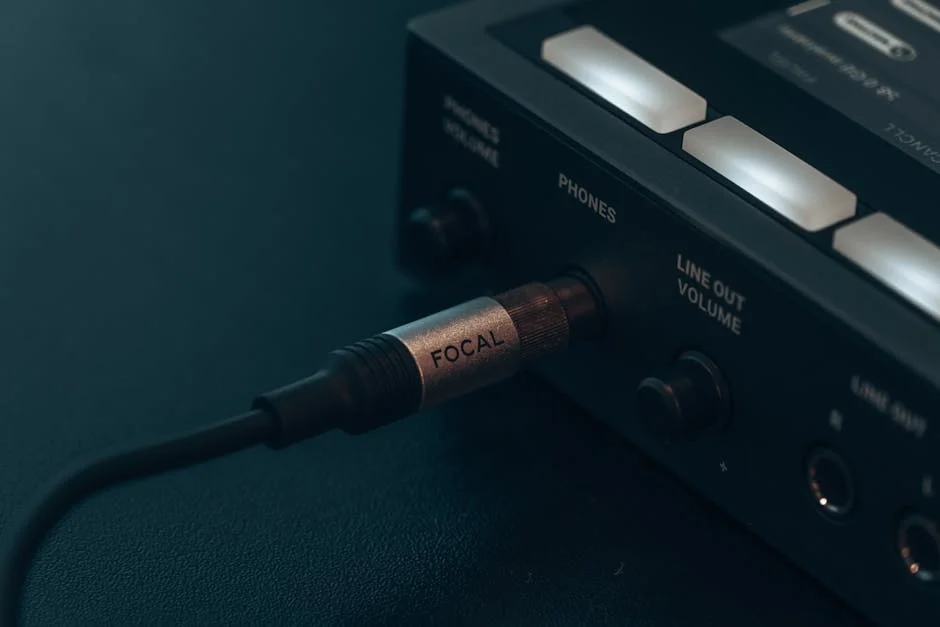
Single-Ended vs. Balanced: Know What Your Amp Outputs
The most consequential cable decision is determined entirely by your amplifier, not by cable preferences. Single-ended amplifiers output on a 3.5mm or 6.35mm jack. Balanced amplifiers output on XLR (4-pin), 4.4mm Pentaconn, or 2.5mm TRRS. Cables are not interchangeable between these systems , using the wrong type produces no audio at best, equipment damage at worst.
Balanced connections offer real engineering benefits: common-mode noise rejection through differential signaling, which matters in electrically noisy environments and at longer cable runs. For most home listeners in quiet environments with standard unbalanced desktop amps, these benefits are not meaningful. The decision should follow the amp, not precede it.
Cable Length and Desk Configuration
Desktop headphone setups vary considerably in how much cable slack they require. The DAC/amp stack position, monitor placement, and seated listening distance all affect whether a 3.5mm extension is needed and how long it should be. Six feet covers most standard desk configurations; less is appropriate for compact nearfield setups where the amp is within arm’s reach.
Buying length you don’t need creates cable management problems. Buying too little means you’re back to being tethered. Measure before purchasing , this is the single most preventable cable frustration in a desktop setup. Reviewing the broader audio accessories options for your specific desk configuration is worth doing before committing to a cable length.
When Upgrade Cables Make Sense
Upgrade cables , aftermarket replacements for stock headphone cables , address two types of problems: ergonomic and functional. Ergonomic problems include stiff or unwieldy stock cables that fight movement during extended sessions. Functional problems include damaged stock cables, incompatible terminations for a new amplifier, or the need to add a balanced connection to a headphone.
Cable upgrades do not address audio quality problems in any reliably measurable way. Owner consensus and controlled listening data are consistent on this. The marketing claims common in the audiophile cable segment , conductor material, geometry, dielectric effects , do not survive rigorous testing. Spend on cable ergonomics and build quality for real, daily benefits; spend on cable audio upgrades only with calibrated skepticism.
What Build Quality Actually Buys You
Above a functional quality floor, cable build quality purchases three things: mechanical durability, connector reliability, and handling ergonomics. All three are real and meaningful for regular use. A cable with solid strain relief and quality connector housings will outlast one without. A cable with pliable, low-memory construction will cause less daily frustration than a stiff one.
What build quality does not reliably purchase is audible improvement in a correctly functioning system with a cable above the functional quality floor. Monoprice’s budget options sit at that floor , reliable, functional, appropriate for their purpose. Mogami and Hart Audio build above it for professional longevity and ergonomic improvement, respectively. Neither represents a quantum audio leap over a functioning lower-tier cable.
Frequently Asked Questions
Do headphone extension cables affect sound quality?
In a correctly functioning setup with cables above a minimal quality threshold, extension cables do not produce reliably audible sound quality changes. The additional connection point introduces a negligible resistance increase at the lengths relevant to desktop listening. Owner reports and measurement data are consistent on this. The Monoprice extension adds reach without adding audible degradation in standard desktop setups.
What is the difference between a balanced and single-ended headphone cable?
Single-ended cables carry audio on two conductors per channel , signal and ground. Balanced cables carry audio on three conductors per channel using differential signaling, which actively rejects common-mode noise. Balanced connections require a balanced amplifier output , they offer no benefit on single-ended amplifiers and are not compatible without adapters. The Mogami Gold XLR is a balanced cable designed for professional and audiophile balanced amplifier systems.
Is the Hart Audio cable worth buying over the stock Sennheiser cable?
For HD 600 owners whose stock cable’s stiffness causes real daily frustration, the Hart Audio cable addresses a genuine ergonomic problem with well-made US construction. Audio improvement claims should be treated cautiously , the primary benefit is handling and build quality, not measurable sonic change. The constraint is availability: Hart Audio sells direct, not through Amazon, so factor in the longer purchase process and absence of Amazon’s return window.
How long a headphone extension cable do I need for a desktop setup?
Six feet covers most standard desktop configurations , amp on the desk, user seated at normal listening distance. The most reliable approach is to measure the distance between your amplifier’s headphone output and your seated ear position, then add several inches for routing slack. Most buyers find that six feet provides enough reach without excess cable requiring management. If your amp is consistently within arm’s reach, an extension may not be necessary at all.
Can I use a headphone extension cable with any headphone?
Any headphone with a standard 3.5mm plug works with a standard 3.5mm extension cable. Headphones with fixed cables terminating in 6.35mm plugs require an adapter to use with a 3.5mm extension, or a 6.35mm extension instead. Headphones with detachable cables , where the cable plugs into the earcup , use their own termination format at the headphone end and are not typically used with generic extensions. Check your headphone’s output plug format before purchasing.
Where to Buy
Monoprice Headphone Extension Cable 3.5mm Male to Female Stereo Audio 6 FootSee Headphone Extension Cable 3.5mm Male … on Amazon