Best Headphone Stands Reviewed: Desk and Clamp Options

Affiliate disclosure: Some links on this page are affiliate links. If you buy through them we earn a small commission at no extra cost to you. Recommendations are research-driven; we don't claim personal use of every product reviewed. Product prices and availability are accurate as of the date published and are subject to change. Always check Amazon for current pricing before purchasing. Learn more.
| Product | Price Range | Top Strength | Key Weakness | Buy |
|---|---|---|---|---|
| BRAINWAVZ Hengja Desk Headphone Stand Hanger All Metal Rotatable also consider | $ | Clamps to desk edge, no surface footprint required | Requires a compatible desk edge for clamping | Buy on Amazon |
| Avantree Neetto Aluminum Headphone Stand Hanger Desktop Mount Holder also consider | $ | Clean aluminum construction at budget pricing | Generic brand with limited support | Buy on Amazon |
| Satechi Aluminum Headphone Stand Holder Hanger also consider | $ | Clean aluminum design from established tech accessory brand | Non-adjustable height | Buy on Amazon |
A headphone stand is the kind of purchase that takes about three minutes to regret getting wrong. The wrong one scratches your earpads, eats up desk space you don’t have, or tips over the first time a cable catches it wrong. For anyone building a listening setup worth keeping, the stand is the last piece, and the one that holds everything together when you’re not using it.
The real evaluation question here is surface space versus storage configuration. Some buyers have the desk for a freestanding stand; others are already at capacity and need a clamp solution that hangs gear off the edge. Below are three options that cover the realistic range of that decision.
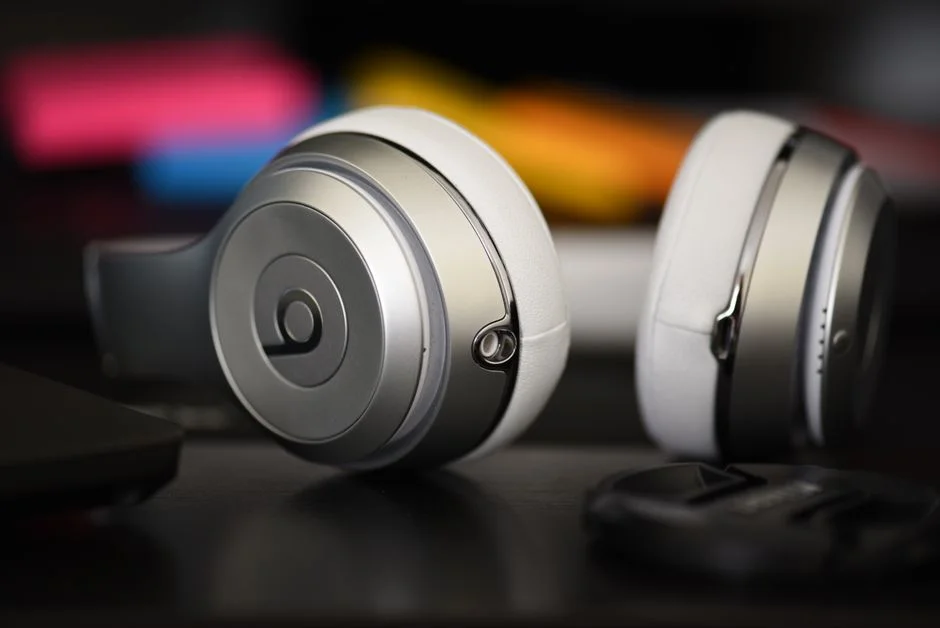
What to Look For in a Headphone Stand
Stability and Base Design
A stand that tips over the first time a headphone cable gets nudged is not a stand, it’s a liability. The base design determines almost everything about daily reliability. Weighted cast-metal bases hold position without anchoring to anything, while clamp-mount designs transfer the stability question to the desk edge entirely. Neither is categorically better. The question is which failure mode is easier to live with: a too-light base that slides, or a clamp that doesn’t fit your desk profile.
For freestanding designs, weight distribution matters more than total mass. A base that’s wide and low sits better than one that’s narrow and heavy.
Material and Finish
Aluminum is the right answer for most buyers at this price tier, and the market has converged on it for good reason. It’s light enough to handle cleanly, durable enough to survive a fall without cracking, and it doesn’t leave marks on earpads the way some plastic finishes do. A matte or brushed finish is preferable to high-gloss, the latter shows fingerprints and often feels cheaper despite similar underlying construction.
Wood stands exist and some are genuinely beautiful, but they sit in a different price bracket and a different aesthetic register. For a clean, modern desk setup, brushed aluminum is the practical choice across budget and mid-range options alike.
Headphone Width and Arc Fit
Headphone arcs vary. Most over-ear headphones sit comfortably on a standard stand arc, but a few wide-headband designs, certain planar magnetics in particular, can put lateral pressure on a stand that’s slightly too narrow. The reverse problem, a stand arc that’s too wide, results in headphones sitting off-center and potentially sliding.
This is worth checking before purchasing if you own anything outside the standard over-ear size range, planar magnetics, DJ-style monitors, and some gaming headsets are the categories most likely to cause fit issues.
Pad Contact and Surface Material
The stand’s contact point, the surface your headband actually rests against, matters more than it appears in product photos. Hard plastic nubs concentrate pressure and can accelerate earpad wear at the contact points over time. A stand with a wider padded or rubberized contact surface distributes the weight more evenly and is less likely to leave marks on the headband itself.
Top Picks
Brainwavz Hengja Desk Headphone Stand Hanger
The Brainwavz Hengja solves the one problem freestanding stands cannot: it takes up zero surface area. The clamp mounts to the desk edge, the arm rotates out when you need it and folds back when you don’t, and the whole assembly disappears visually when not in use. For a desk that’s already at capacity, stacked with a monitor, a DAC and amp stack, and whatever else accumulates, this is the logical answer.
All-metal construction means it doesn’t flex or creak under the weight of a full-size over-ear headphone. The rotatable arm is the feature that distinguishes it from simpler fixed-hook clamp designs, the ability to rotate the hanger back toward the desk when not in use is a genuine quality-of-life improvement.
The constraint is the clamp itself. It requires a desk edge profile that the clamp jaw can engage with cleanly. Desks with thick edges, rounded profiles, or cable management lips on the underside may not accommodate it. This is the one due-diligence check required before purchasing, look at the desk edge before committing.
Check current price on Amazon.
Neetto Aluminum Headphone Stand Hanger Desktop Mount Holder
The Neetto Aluminum Headphone Stand is the clean budget answer for buyers who want a freestanding desk stand and don’t need anything more than reliable function. Brushed aluminum construction, a weighted base that doesn’t slide, and an arc sized for most standard over-ear headphones, it does the job without creating new problems.
The generic brand is a fair trade-off at budget pricing, support expectations should be calibrated accordingly, but the product itself doesn’t require much support.
The non-adjustable height is the one practical note. For most desktop listening setups, the standard height works. If your setup involves a particularly high monitor riser or an unusual desk configuration, verify the height works for your ergonomics before purchasing.
Check current price on Amazon.
Satechi Aluminum Headphone Stand Holder Hanger
The Satechi Aluminum Headphone Stand occupies the same functional category as the Neetto but brings the Satechi brand aesthetic, the same brushed aluminum finish that appears across their keyboard, hub, and desk accessory lineup. For buyers who’ve already built a desk around Satechi products, the coherence is the feature.
Non-slip base material prevents the stand from migrating during cable management adjustments, which is a small but consistent annoyance with lighter freestanding designs. The Satechi pricing sits slightly above the generic tier, which is straightforwardly a premium for branding and finish consistency rather than functional differentiation.
For a minimalist setup where visual continuity matters, the slight premium is defensible. For a utility-first buyer, the Neetto option delivers comparable function at a lower cost. The choice between them is an honest aesthetic decision, not a performance one.
Check current price on Amazon.
Buying Guide
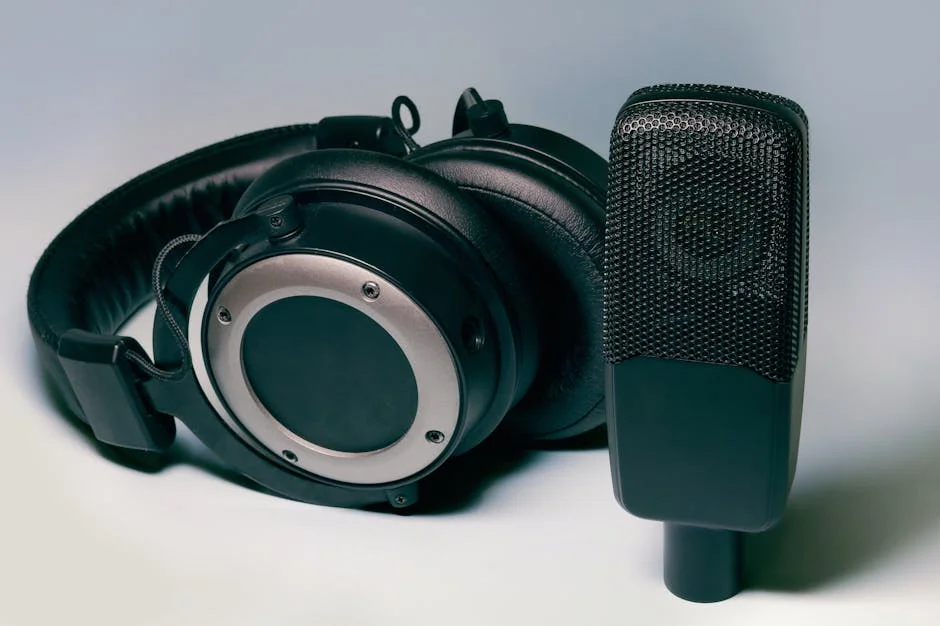
Desk Space Available
The first question to answer before choosing a headphone stand is whether the desk has room for a freestanding base. This sounds obvious, but it’s the variable that most narrows the field immediately. A dense desk setup, dual monitors, external drives, a DAC and amp stack, a desk mat, may genuinely not have the 4, 5 square inches a standard base requires without displacing something else.
If surface space is constrained, a clamp-mount solution is not a compromise. It is the correct answer. The Brainwavz Hengja clamp design was built for exactly this scenario and performs well in it.
Desk Edge Compatibility
Clamp-mount stands introduce a compatibility dependency that freestanding stands do not. The clamp jaw has a maximum and minimum thickness range, and the underside of the desk edge needs to be clear enough for the mounting hardware. Grommet-edged desks, desks with heavy cable management trays mounted underneath, and desks with rounded or unusually thick profiles all require measurement before committing.
This is not a reason to avoid clamp designs, it’s a reason to spend sixty seconds checking the desk edge profile before purchasing. Most standard office and gaming desks accommodate standard clamp jaws without issue. Non-standard desk profiles are the exception, not the rule. A quick check of the product’s listed clamp depth range against the actual desk thickness is the only due diligence needed.
Aesthetic Consistency
For buyers building a desk around a visual theme, particularly the silver-and-gray brushed aluminum aesthetic common in minimalist tech setups, the stand is visible enough to matter aesthetically. The Satechi stand is designed to sit alongside Satechi hubs, keyboards, and desk accessories. The Neetto aluminum stand is visually similar but without the brand consistency. Either reads cleanly on a modern desk.
Buyers who have already invested in a coherent desk aesthetic will find the brand-matched option easier to justify. Buyers who prioritize function over aesthetics and already own a mix of brands won’t notice the difference after the first week. Browsing the broader range of desk accessories and headphone gear is worth doing before committing to a single stand, the stand’s finish should sit comfortably next to whatever else is on the desk.
Single or Multiple Headphones
Most headphone stands are designed for one pair. If the goal is storing two or three headphones simultaneously, a common scenario for buyers who own multiple pairs for different use cases, either a multi-hook stand or a second clamp solution is a more practical answer than stacking headphones on a single arc.
The stands listed here are single-headphone solutions. Plan the storage configuration before purchasing, especially if the headphone collection has grown.
Long-Term Material Wear
The surfaces that contact the headphone, the arc, the contact pad, the finish on the arm, matter over a one-to-three year horizon in ways that are invisible at purchase. Hard plastic contact points concentrate pressure and can wear into headbands and earpads at the contact zone. Rubberized or padded contact surfaces distribute the load and are significantly less likely to cause long-term wear on expensive headphone materials.
This is the factor most underrepresented in short-term reviews.

Frequently Asked Questions
Do I need a headphone stand or will a clamp-mount hanger work just as well?
Both store headphones effectively, the decision is about desk space. A clamp-mount like the Brainwavz Hengja uses zero surface area and is the stronger choice for dense or small desks. A freestanding stand is more portable and has no desk-edge dependency. If the desk is already full, the clamp solution is not a compromise; it's the appropriate tool for the scenario.
Will a budget aluminum stand hold heavier planar magnetic headphones safely?
Most budget aluminum stands are designed for standard dynamic-driver over-ear headphones. Heavier planar magnetics, particularly full-size models with wide headbands, can sit awkwardly on stands with narrow arc geometry and may put lateral stress on the stand arm over time.
How do I know if my desk edge is compatible with the Brainwavz Hengja clamp?
The Hengja clamp accommodates most standard desk edge thicknesses, but desks with cable management lips on the underside, rounded profiles, or unusually thick surfaces may not work. Measure the desk edge thickness and check the product's listed clamp depth range against that measurement. The underside of the desk edge also needs enough clearance for the mounting bolt, a quick physical check takes less than a minute.
Is there a meaningful quality difference between the Satechi and Neetto stands?
Functionally, the difference is minimal. Both use brushed aluminum construction, both provide a weighted base for stability, and both fit standard over-ear headphones. The Satechi stand carries a slight premium that reflects brand consistency and finish quality rather than a performance advantage. If the desk is built around other Satechi products, the visual coherence is a real benefit. For a utility-first purchase, the Neetto option delivers comparable results.
Can a headphone stand damage earpads or headbands over time?
Yes, under specific conditions. Stands with hard plastic contact points concentrate pressure on the headband at the contact zone, and over months of daily use that can accelerate wear on headbands and earpads at those points. Aluminum stands with wider, padded, or rubberized contact surfaces distribute the load more evenly.
Where to Buy
- BRAINWAVZ Hengja Desk Headphone Stand Hanger All Metal RotatableSee price on Amazon
- Avantree Neetto Aluminum Headphone Stand Hanger Desktop Mount HolderSee price on Amazon
- Satechi Aluminum Headphone Stand Holder HangerSee price on Amazon