Best Headphones for Jazz: Top Picks Reviewed

Affiliate disclosure: Some links on this page are affiliate links. If you buy through them we earn a small commission at no extra cost to you. Recommendations are research-driven; we don't claim personal use of every product reviewed. Product prices and availability are accurate as of the date published and are subject to change. Always check Amazon for current pricing before purchasing. Learn more.
Quick Picks
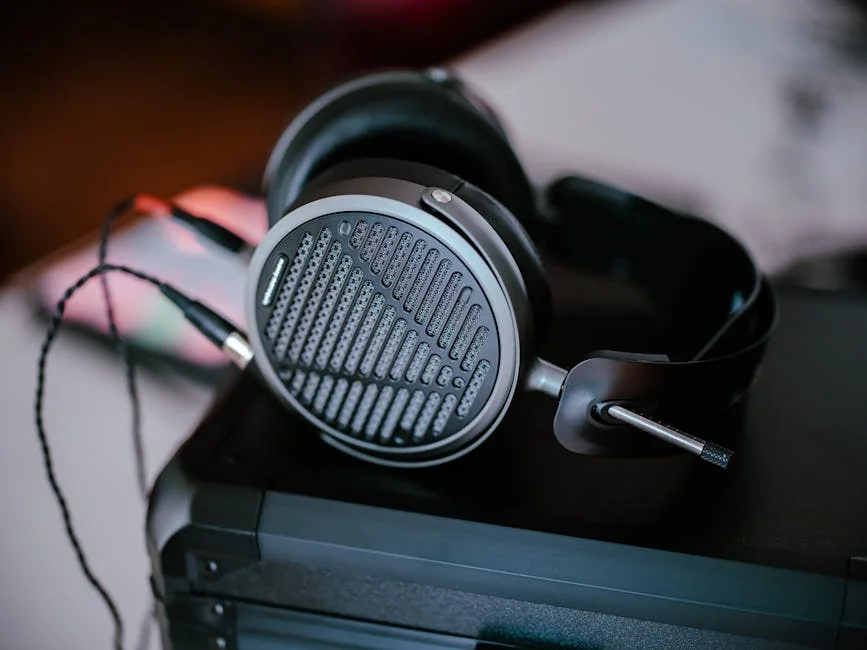
Sennheiser HD 600 Open-Back Audiophile Headphones
Legendary neutral-warm tuning that rewards critical listening
Buy on AmazonAKG Pro Audio K712 PRO Over-Ear Reference Studio Headphones
More bass extension than K702 while retaining reference tuning
Buy on AmazonDrop x Sennheiser Drop + Sennheiser HD 6XX Open-Back Headphones
HD 650-quality sound delivered at ~$100 below retail pricing
| Product | Price Range | Top Strength | Key Weakness | Buy |
|---|---|---|---|---|
| Sennheiser HD 600 Open-Back Audiophile Headphones also consider | $$ | Legendary neutral-warm tuning that rewards critical listening | Requires a decent amp to perform at its best | Buy on Amazon |
| AKG Pro Audio K712 PRO Over-Ear Reference Studio Headphones also consider | $$ | More bass extension than K702 while retaining reference tuning | Premium over K702 , value proposition depends on use case | Buy on Amazon |
| Drop x Sennheiser Drop + Sennheiser HD 6XX Open-Back Headphones also consider | $$ | HD 650-quality sound delivered at ~$100 below retail pricing | Requires amplification , underpowered sources leave performance on the table | — |
Jazz is one of the most demanding tests for a pair of headphones. The genre rewards detail retrieval, midrange texture, and a soundstage wide enough to place instruments believably across a virtual stage , qualities that separate genuinely resolving headphones from hardware that flatters pop but obscures Coltrane’s tone. The three picks below were chosen because each one handles that challenge differently, and the right answer depends on what you’re optimizing for.
Tuning philosophy matters more here than it does for most genres. A headphone that’s too bright will make brushed cymbals fatiguing. One that’s too warm will blur piano attack. What the best headphones for jazz share is honest midrange , the frequency range where upright bass body, brass resonance, and vocal presence all live.
What to Look For in Headphones for Jazz
Midrange Honesty and Tonal Accuracy
Jazz lives in the midrange. Upright bass fundamental sits between 40Hz and 300Hz, saxophone body between 200Hz and 2kHz, trumpet harmonics between 500Hz and 4kHz. A headphone that colors this range , either scooping the upper mids or boosting the lower mids artificially , will make recordings sound like something other than what was captured. Tonal accuracy matters more here than it does for electronic music or hip-hop, where tuning choices are often production-intentional.
Neutral-warm signatures tend to outperform V-shaped or bright signatures for this genre. The warmth provides enough body for acoustic instruments without masking transient detail. Reference-analytical tunings work too, though they require recordings of sufficient quality to reward the scrutiny. Poor recordings , and jazz has plenty of them, particularly older transfers , can sound harsh on unforgiving tunings.
Soundstage and Imaging
Live jazz recordings depend on spatial believability. A good recording of a small club session should place the drummer behind and slightly right of the piano, the bass upfront and left, the horns center-stage. A headphone with a convincing soundstage doesn’t manufacture that space , it reveals what was already captured. Open-back designs almost universally outperform closed-back designs here, because the driver’s acoustic environment is less constrained.
Imaging precision is a related but distinct quality. A wide soundstage with poor imaging will smear instrument positions. The better headphones for jazz have both: enough width to feel natural and enough precision to hold a stable center image. Studio-critical headphones often excel at the latter even when the former is modest.
Sensitivity to Amplification
Most headphones worth considering for serious jazz listening require a proper source. High-impedance dynamic drivers , the Sennheiser 6XX series runs at 300Ω , lose significant dynamics when driven from a phone or laptop. The difference between an underpowered HD 600 and one running from a decent solid-state amp is audible enough that choosing the headphone without accounting for the amp is a meaningful planning error.
That said, the sensitivity question isn’t binary. Lower-impedance reference headphones like the K712 Pro at 62Ω are more source-flexible, though they still benefit from amplification. For a serious listening setup built around jazz, accounting for a modest DAC/amp pairing in your planning is worth the time. Exploring the broader range of wired headphones options before committing to a chain helps map what’s actually available at each impedance tier.
Build Quality and Long-Term Ownership
Jazz listeners tend to be long-term headphone owners. The genre attracts a listener profile that returns to the same recordings repeatedly , the 1958 Coltrane, the Kind of Blue sessions, the Rudy Van Gelder ECM catalog. A headphone that degrades over five years is a worse choice than a similarly priced headphone that can be maintained indefinitely through part replacement. Replaceable cables and earpads are worth more than they appear in spec comparisons.
Top Picks
Sennheiser HD 600
The Sennheiser HD 600 is the natural starting point for anyone building a jazz-focused listening setup. Three years into this hobby, returning to the HD 600 after time spent with other headphones in the collection remains consistently satisfying , not because nostalgia elevates it, but because the tuning is simply right for this genre. The midrange is neutral with a slight warmth that adds body to acoustic instruments without smearing attack. Piano transients land cleanly. Upright bass has weight without bloat.
ASR’s measurements show a frequency response that holds closely to the Harman over-ear target through the midrange, with a controlled treble rolloff above 10kHz that avoids the fatigue that affects some competing headphones in long listening sessions. That measured character maps to real listening: brushed cymbals don’t bite, and muted trumpet retains its edge without becoming aggressive.
The practical constraint is amplification. Running the HD 600 from a laptop headphone jack returns a noticeably compressed dynamic range , the headphone works, but it’s not performing. A Schiit Magni Heresy or JDS Labs Atom provides enough current to open the staging and dynamics meaningfully. The gap between underpowered and properly powered was smaller than expected heading into this, but it is real and it matters for late-night jazz listening where dynamic subtlety is everything.
Check current price on Amazon.
AKG K712 Pro
The AKG K712 Pro solves a specific problem: what to choose if the Sennheiser house sound isn’t the target, but a similarly resolving and musically honest headphone is. The K712 Pro’s soundstage is its most immediately distinguishing quality , it is among the widest of any headphone in the mid-tier, and for orchestral jazz recordings or large-ensemble sessions, that width pays dividends. The spatial impression of Mingus’s larger arrangements, for instance, is more convincing on the K712 than on the HD 600’s more intimate stage.
The tuning skews slightly more analytical than the HD 600. Bass extension is better than the original K702 , AKG made substantive changes here, not cosmetic ones , but the overall character remains reference-leaning rather than warm. That’s a meaningful distinction. On well-recorded modern jazz (ECM-style production, digital transfer), the K712 rewards the scrutiny. On older tape transfers or rough live recordings, the analytical character can be unforgiving.
Owner reviews and community field reports on Head-Fi consistently note the comfort improvement over the K702 as a real upgrade, not marketing. Memory foam ear pads make the K712 significantly more sustainable for long sessions , relevant context given that the best jazz listening often runs two to three hours at a stretch. The 62Ω impedance is more source-flexible than the HD 600, though proper amplification still returns the best results.
Check current price on Amazon.
Drop + Sennheiser HD 6XX
The Drop + Sennheiser HD 6XX occupies a specific and useful position: HD 650-quality sound at a meaningful price reduction, sold through Drop on a recurring restock cycle. The HD 650 has its own reputation in jazz and classical listening communities , warmer than the HD 600, with slightly more prominent bass and a denser midrange texture that some listeners find more suited to acoustic music. The 6XX delivers that character faithfully.
Compared directly to the HD 600 , which shares the same basic driver architecture and series lineage , the 6XX is noticeably warmer. The HD 600 has a slightly drier, more neutral presentation; the 6XX leans further into the warm-dense side of the neutral spectrum. For vocal jazz specifically, the 6XX’s lower-midrange weight can add presence and intimacy that suits the genre’s more direct recordings. Billie Holiday, Chet Baker, and similar material can sound particularly well-served.
The real trade-off is availability. The 6XX exists only through Drop, which means no Amazon Prime shipping or standard returns , if you need to return it, the process is Drop-specific and slower. Restocks are predictable and the community tracks them, so it’s not an availability crisis, but the workflow differs from a standard Amazon purchase. Amplification requirements mirror the HD 600: 300Ω impedance, needs current, sounds compressed from a laptop. Budget for a proper source.
Check current price on Amazon.
Buying Guide
Open-Back vs. Closed-Back for Jazz
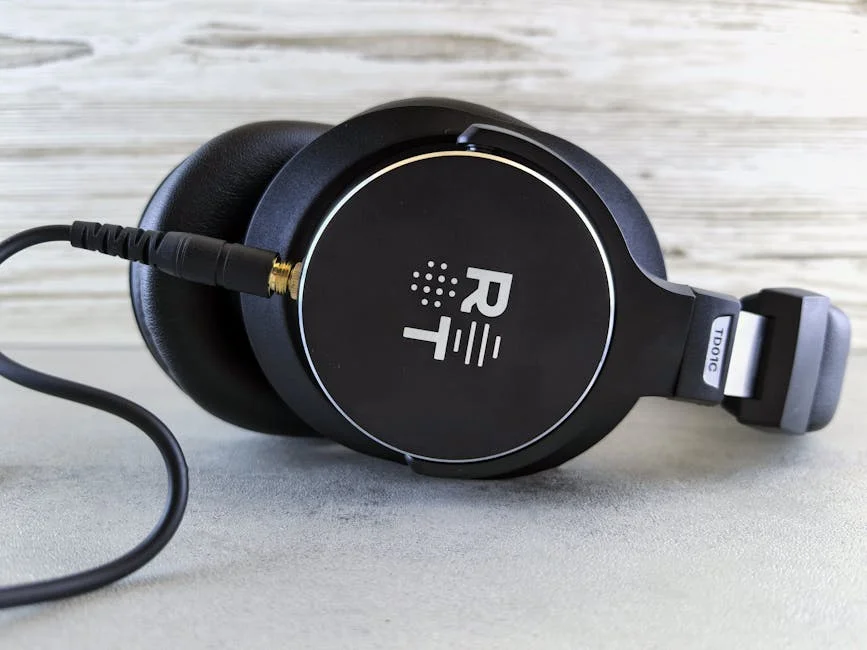
All three headphones reviewed here are open-back, and that’s not a coincidence. Open-back designs allow the driver to breathe into the surrounding space rather than reflecting energy back into the ear cup. The acoustic result is a more natural, less pressurized sound , important for acoustic jazz recordings that were captured in real rooms with real reverb. Closed-back headphones can sound excellent, but the best of them at this tier still can’t fully replicate the spatial openness of a well-designed open-back.
The practical cost is isolation. Open-back headphones leak sound in both directions , the listener hears ambient noise, and people nearby hear the music. For home listening in a quiet room, this is a non-issue. For commuting, shared offices, or library listening, it’s a dealbreaker.
Amplification and Source Matching
The HD 600, HD 6XX, and K712 Pro all benefit from proper amplification, though to different degrees. The 300Ω Sennheisers are more demanding than the 62Ω AKG. A dedicated solid-state amp , even a modest one , restores the dynamics and low-level detail that a phone or laptop headphone jack compresses out. This is not audiophile mythology for this specific class of headphone. The dynamics of a jazz trio recording depend on the amp having enough headroom to handle sudden peaks without clipping.
For a first DAC/amp stack, solid-state is the practical starting point , low noise floor, reliable measurements, good value at entry price points. Tube amplifiers can pair beautifully with high-impedance Sennheisers and are worth exploring later, but adding that variable at the beginning of a setup introduces more unknowns than it resolves.
Tuning Character and Genre Fit
The three headphones here represent three distinct tuning philosophies that each have a different relationship with jazz. The HD 600 is neutral-warm and forgiving , broadly suited to the genre’s range, from aggressive avant-garde recordings to intimate solo piano. The K712 Pro is wider-staging and more analytical , a better fit for large-ensemble recordings where spatial detail is the priority. The HD 6XX is warmer and denser , best for vocal jazz and acoustic small-group recordings where tonal richness matters more than surgical detail.
None of these is a wrong choice. The question is which quality matters most given the listener’s primary repertoire. Someone who spends most listening time on large-scale orchestral jazz and ECM-style studio recordings will likely prefer the K712’s staging and resolution. Someone who primarily listens to small-group bebop and vocal jazz will likely prefer the HD 6XX or HD 600’s warmer presentation. Browsing the full range of open-back headphones before committing helps calibrate what the tiers actually look like side by side.
Long-Term Ownership and Repairability
All three headphones on this list support replacement parts , cables, ear pads, headbands , available through manufacturer channels or third-party suppliers. That matters more for a reference-class headphone than for a consumer model, because the investment justifies maintenance. Ear pads in particular affect sound significantly as they age and compress. Replacing worn pads on an HD 600 restores the seal and treble response to spec. Buying a headphone with a dead-end parts ecosystem is a decision that looks neutral today and looks like a mistake in three years.
Frequently Asked Questions
Is the Sennheiser HD 600 or HD 6XX better for jazz?
Both headphones share the same driver lineage, so the gap is smaller than the model names suggest. The HD 600 is slightly drier and more neutral; the HD 6XX runs warmer with a denser lower-midrange texture. For vocal jazz and small-group acoustic recordings, the HD 6XX’s warmth adds presence that many listeners prefer. For a broader listening diet that includes modern jazz and studio recordings, the HD 600’s neutrality serves more material well.
Do I need an amplifier for these headphones?
The Sennheiser HD 600 and HD 6XX both run at 300Ω and require proper amplification to perform at their best. Running either from a phone or laptop jack is audibly limiting , dynamics compress and low-level detail softens. The K712 Pro at 62Ω is more source-flexible but still rewards a dedicated amp. A modest solid-state option like the Schiit Magni Heresy or JDS Labs Atom is sufficient.
Is the AKG K712 Pro better than the K702 for jazz?
The K712 Pro improves on the K702 in two meaningful ways: more bass extension and significantly better comfort through memory foam ear pads. For jazz, the bass improvement matters , the K702 can sound lean on upright bass, and the K712 corrects that without abandoning the K702’s wide soundstage and analytical resolution. If you already own the K702 and find it bass-light, the K712 addresses that complaint directly. For a first purchase, the K712 Pro is the stronger recommendation at this tier.
Can I use these headphones without a DAC, just with a headphone amp?
Yes , if your source already has a clean analog output (a dedicated CD player, a receiver with a headphone out, or a quality audio interface), plugging directly into an amplifier is a valid chain. A DAC is only necessary if your source is a computer or phone, where the onboard audio typically introduces more noise than a purpose-built converter. For a laptop-based listening setup, a combined DAC/amp unit simplifies the chain and avoids ground loop noise that can appear when stacking separate components without careful cable management.
How important is recording quality for jazz with these headphones?
More important than most buyers expect. All three headphones here are resolving enough to make poor transfers audible. Early CD reissues of classic jazz recordings, in particular, can sound flat or harsh on a revealing headphone , not because the headphone is wrong, but because the mastering decisions are exposed. Well-remastered versions of the same recordings (the 2023 Kind of Blue remaster, the Rudy Van Gelder Edition ECM catalog) sound significantly better on the same hardware.
Where to Buy
Sennheiser HD 600 Open-Back Audiophile HeadphonesSee Sennheiser HD 600 Open-Back Audiophil… on Amazon