Best Headphones for Mastering: Top Picks Reviewed

Affiliate disclosure: Some links on this page are affiliate links. If you buy through them we earn a small commission at no extra cost to you. Recommendations are research-driven; we don't claim personal use of every product reviewed. Product prices and availability are accurate as of the date published and are subject to change. Always check Amazon for current pricing before purchasing. Learn more.
Quick Picks
Sennheiser Consumer Audio HD 650 Audiophile Hi-Res Open Back Headphone
Warm, musical tuning ideal for long listening sessions
Buy on AmazonHIFIMAN SUNDARA Hi-Fi Headphone Planar Magnetic 2020 Version
Outstanding planar magnetic imaging and detail at its price
Buy on AmazonBeyerdynamic DT 880 PRO Semi-Open Studio Headphones
Semi-open design blends some open-back soundstage with modest isolation
Buy on Amazon| Product | Price Range | Top Strength | Key Weakness | Buy |
|---|---|---|---|---|
| Sennheiser Consumer Audio HD 650 Audiophile Hi-Res Open Back Headphone also consider | $$ | Warm, musical tuning ideal for long listening sessions | 300Ω impedance requires a capable headphone amplifier | Buy on Amazon |
| HIFIMAN SUNDARA Hi-Fi Headphone Planar Magnetic 2020 Version also consider | $$ | Outstanding planar magnetic imaging and detail at its price | Needs proper amplification , underpowered sources sound thin | Buy on Amazon |
| Beyerdynamic DT 880 PRO Semi-Open Studio Headphones also consider | $$ | Semi-open design blends some open-back soundstage with modest isolation | Semi-open design leaks some sound , not for quiet shared environments | Buy on Amazon |
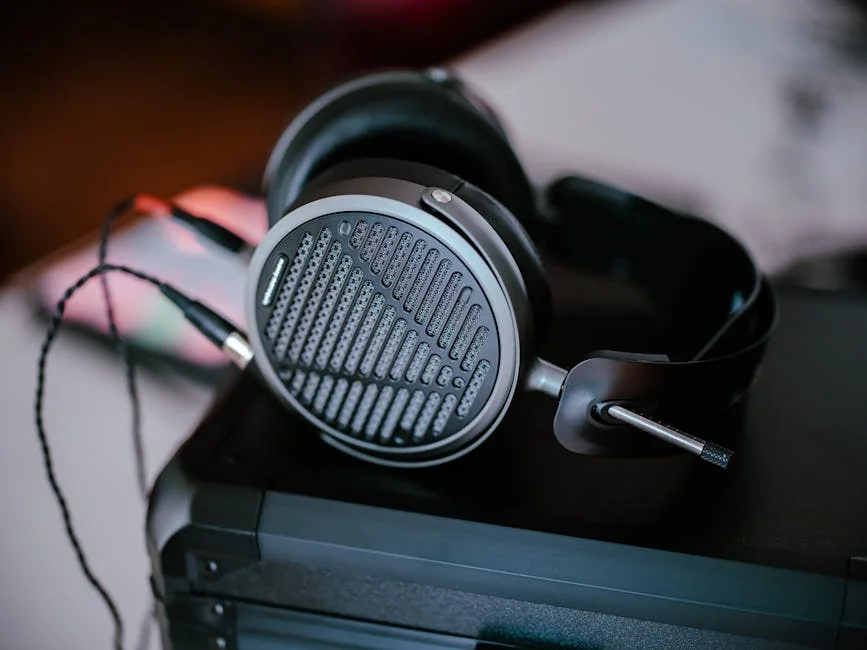
Mastering demands more from a headphone than almost any other listening task. The goal isn’t enjoyment , it’s accuracy: catching low-end buildup, reading stereo width honestly, and trusting that what you hear reflects what’s on the track. Choosing the right pair from the broader world of headphones matters more here than almost anywhere else in the signal chain.
The criteria that separate a capable mastering headphone from a pleasant listening headphone are specific and sometimes counterintuitive. Flat frequency response is only part of the picture. Imaging, fatigue resistance over long sessions, and source compatibility all shape whether a headphone earns a place in a critical workflow.
What to Look For in Mastering Headphones
Frequency Response and Tonal Neutrality
The most important criterion for mastering work is how honestly a headphone represents the frequency spectrum. A warm tilt toward the bass can mask low-end problems; a recessed midrange can let mix issues slip through undetected. The goal is a response that deviates as little as possible from a flat target , not a headphone that sounds impressive on first listen.
That said, perfectly flat doesn’t exist at any price. Every headphone has a house sound. The useful question is whether the deviations are predictable and learnable. A headphone you’ve worked on for two hundred hours becomes a reference regardless of minor response irregularities , provided those irregularities don’t actively hide problems in the frequency ranges that matter most for mastering decisions.
Measurement resources like Audio Science Review and Crinacle’s database are genuinely useful here. Before committing to any headphone for critical work, checking its measured frequency response against a neutral target gives you an honest picture of what you’re compensating for.
Imaging and Stereo Representation
Mastering engineers make constant judgments about stereo width, mono compatibility, and the placement of elements across the soundstage. A headphone that compresses the stereo image or exaggerates width introduces errors into those judgments. Open-back designs tend to perform better here , the lack of a sealed baffle allows a more natural sense of space and separation.
Planar magnetic drivers handle imaging differently than dynamic drivers. The larger, more evenly distributed diaphragm tends to produce a more uniform sense of space across the stereo field. Whether that’s an advantage depends on the work , some engineers prefer the sharper transient localization that well-implemented dynamic drivers offer. Both approaches have legitimate advocates in professional contexts.
The practical test is simple: put on a reference track you’ve heard hundreds of times and check whether the headphone tells you something new or confirms what you already know. A mastering headphone that surprises you on familiar material is usually doing its job correctly.
Long-Session Fatigue Resistance
Mastering sessions run long. A headphone that sounds analytical and revealing for thirty minutes but becomes harsh or fatiguing at the two-hour mark isn’t useful for production work, regardless of its technical merits. Comfort is a functional requirement, not a luxury consideration.
Weight, clamping force, earpad material, and treble extension all affect fatigue. Elevated upper treble , common in headphones marketed as “analytical” or “studio-grade” , can accelerate ear fatigue significantly. The relationship between detail retrieval and long-session usability isn’t always aligned, and it’s worth being honest about which matters more for your workflow.
Extended wear also depends on earpad quality and headband pressure. Some headphones are serviceable for short evaluation passes but impractical for hours of back-to-back mastering work. Replaceable earpads are a practical advantage , pads degrade over time, and fresh pads often meaningfully change the headphone’s sound and comfort.
Amplification Requirements and Source Compatibility
High-impedance and planar magnetic headphones both require more from a source than typical consumer gear provides. Running a 300-ohm dynamic driver from a laptop headphone jack doesn’t just sound quiet , it typically distorts the low end and flattens the soundstage. Getting accurate results from demanding headphones means investing in appropriate amplification.
This isn’t audiophile mythology , it’s measurable. The gap between a laptop output and a dedicated headphone amplifier varies by headphone design, but it’s consistently larger for planar magnetics than for most dynamic drivers. For mastering work specifically, where tonal accuracy is the whole point, underdriving a headphone defeats the purpose of choosing a technically capable one.
A desktop DAC/amp stack in the entry-to-mid tier is adequate for the headphones covered here. You don’t need separates at the flagship level. What you do need is enough output power to drive your headphone to a comfortable listening level with current to spare , not a straining, clipping source. Exploring all the headphone options alongside their amplification requirements before purchasing is time well spent.
Top Picks
Sennheiser HD 650
The Sennheiser HD 650 occupies a specific and well-understood position in the headphone world: warmer than its HD 600 sibling, with more bass weight and a treble that rolls off rather than extending aggressively. For mastering work, that tuning profile is a double-edged proposition. The midrange is genuinely exceptional , dense, present, and resolving in a way that makes vocal and instrument placement easy to read. The low-end warmth, however, requires calibration; what you hear isn’t flat, and mastering decisions about sub-bass and low-mid density need to account for the HD 650’s bias.
Owner reports and verified buyer consensus are consistent on long-session performance: the HD 650 is one of the most comfortable headphones available at any price. The velour pads, the light clamping force, and the weight distribution make three-hour sessions genuinely unremarkable. For engineers who need a headphone they can wear through a full mastering session without physical fatigue, that matters.
The 300-ohm impedance is a real consideration. Pairing this headphone with an inadequate source produces thin, compressed sound that misrepresents the headphone’s capabilities entirely. On a proper desktop stack , a Topping or JDS-tier amplifier at minimum , the HD 650 opens up significantly. The HD 600 remains the stronger reference monitor choice for most mastering contexts given its flatter treble, but for engineers who prefer a warmer presentation or do significant work on string arrangements and vocals, the HD 650’s tuning is a defensible preference rather than a compromise.
Check current price on Amazon.
HIFIMAN Sundara (2020)
Flat frequency response and planar magnetic imaging are the HIFIMAN Sundara’s central arguments for mastering work. The 2020 revision improved both the earpads and the headband over the original, and ASR’s measurements put it among the best-measuring headphones at its price tier. The stereo imaging is wide and precisely defined , elements sit in stable positions across the soundstage in a way that makes balance decisions confident rather than approximate.
The Sundara is more source-dependent than most dynamic driver alternatives at this price. Running it from an underpowered source produces exactly the thin, fatiguing sound you don’t want in a mastering context. On a Topping A50s or a JDS Atom Amp+, it performs as measured , neutral, controlled, and revealing without harshness. This is the planar magnetic behavior that earned a reputation as audiophile mythology before enough people actually tested it properly: the difference is real and it’s measurable, not imagined.
HiFiMan’s quality control has drawn consistent criticism across multiple headphone lines. Channel matching specifically has been a documented issue , some units arrive with audible level differences between left and right drivers. Buying from a retailer with a reliable return policy is worth prioritizing. A unit with matched channels is an excellent mastering tool. One without is worse than useless for that application. The Sundara’s technical performance at this price is difficult to argue with; the QC situation is an honest caveat that any serious buyer should factor into the purchase decision.
Check current price on Amazon.
Beyerdynamic DT 880 Pro
Semi-open designs occupy an underexplored middle position in the headphone market, and the Beyerdynamic DT 880 Pro makes a legitimate case for that position specifically in mastering and mixing contexts. The semi-open baffle provides more soundstage than a closed-back while offering modest isolation that a fully open design can’t provide , useful in home studio environments where complete acoustic isolation from ambient noise isn’t possible but complete openness creates problems.
The tuning is analytical. The DT 880 Pro reads bass and mid-bass honestly, and its response through the midrange is among the flattest available at this price. The treble extension is real , Beyerdynamic’s characteristic upper treble presence is audible and can accumulate into fatigue over long sessions for listeners who are treble-sensitive. Verified buyers in engineering and production contexts note this consistently. It isn’t a dealbreaker; it’s something to know in advance, particularly for mastering work that involves bright or heavily compressed material.
Build quality is exceptional and practical. The cable is replaceable without soldering. The earpads are user-serviceable. Beyerdynamic’s parts support is among the best in the industry , the DT 880 Pro purchased today can be maintained indefinitely. For a headphone used in professional-adjacent work, that longevity matters. The 250-ohm version requires amplification, and the results on a proper desktop stack are considerably better than on a laptop output. Owner consensus across studio forums positions this headphone as one of the more underrated options in the mixing and mastering segment , a recommendation that field evidence consistently supports.
Check current price on Amazon.
Buying Guide
Open-Back vs. Semi-Open for Mastering
Open-back headphones dominate professional mastering contexts for a reason: they image more naturally and produce a soundstage that more closely approximates loudspeaker listening. The absence of a sealed chamber reduces bass reflections and typically produces a more accurate low-frequency response. For engineers making critical decisions about stereo width and frequency balance, open-back designs give more accurate information.
Semi-open designs , the DT 880 Pro being the relevant example here , introduce modest isolation and slightly alter the soundstage character. In environments where complete silence isn’t available, that trade is often worth it. The practical question is your working environment, not which design is objectively superior.
Impedance and Amplification Pairing
The headphones covered here range from 150 ohms (Sundara, planar) to 300 ohms (HD 650). None of them will perform as designed from a laptop or phone output. An entry-tier desktop DAC/amp combination is the minimum viable source for accurate results from any of these headphones.
For the HD 650 specifically, the gap between a laptop output and a proper stack is real but not transformative , the headphone’s character survives underpowering better than the Sundara does. The Sundara’s planar magnetic driver is considerably more source-dependent. An underpowered Sundara sounds thin and constrained; a properly driven Sundara is among the most accurate options at its price. This is the single most common error buyers make when evaluating planar magnetic headphones: condemning the headphone for a problem that belongs to the source. Pairing requirements are covered in depth across headphone review resources, and checking them before purchase is worthwhile.
Tonal Character and Reference Calibration
No mastering engineer works from a single reference. Most use a combination of monitor speakers and headphones, cross-checking between them to catch what each misses. The implication for headphone selection is that tonal neutrality matters less than tonal consistency , you need to know what your headphones do, not necessarily that they do nothing.
The HD 650’s warmth is consistent and predictable. The Sundara’s near-neutral tuning requires less compensation. The DT 880 Pro’s treble presence is stable across sessions. Each requires calibration, but calibration is learnable. The headphone that surprises you with inconsistent response is more dangerous in a mastering context than one with a known, stable character.
Build Quality and Long-Term Serviceability
Mastering headphones are tools that see heavy use. User-replaceable cables and earpads are meaningful advantages over sealed, non-serviceable designs. Both the DT 880 Pro and the HD 650 support full user servicing, including earpad replacement, cable swaps, and headband maintenance. Pad degradation changes the sound , fresh pads on a five-year-old HD 650 often restore the original tonal balance more effectively than any other single adjustment.
The Sundara’s serviceability is more limited. HiFiMan’s support infrastructure has improved but remains less comprehensive than Beyerdynamic’s or Sennheiser’s. For a headphone intended for long-term professional use, factor replacement part availability into the purchase decision alongside performance specifications.
Session Length and Physical Comfort
The practical question most buyers underweight: how does this headphone feel at the three-hour mark? The HD 650’s light clamping force and velour pads make it exceptional for extended wear. The DT 880 Pro’s comfort is solid but slightly more clamping-pressure-forward than the HD 650. The Sundara’s 2020 revision improved comfort significantly over the original, though users who find the stock pads insufficient have found ZMF Universe pads a worthwhile aftermarket option.
If a significant portion of your mastering work involves back-to-back long sessions, weight the comfort criteria more heavily than many specification comparisons suggest. A technically superior headphone that you remove at the two-hour mark is less useful than a slightly warmer one you can wear through a full project.
Frequently Asked Questions
Is the HD 650 or the HD 600 better for mastering?
The HD 600 is the stronger mastering reference for most applications. Its treble is more extended and its tonal balance is flatter, which means less compensation when making frequency-specific decisions. The HD 650’s warmer tuning and fuller bass weight make it preferable for long relaxed listening, but those same qualities can mask low-end buildup in a mix. For work requiring critical frequency evaluation, the HD 600’s more neutral presentation is the more reliable tool.
Do I need a dedicated amplifier for the headphones ?
Yes , all three headphones require proper amplification to perform accurately. The HD 650’s 300-ohm impedance and the Sundara’s planar magnetic driver both perform poorly from underpowered sources, typically sounding thin, compressed, and inaccurate in the low frequencies. An entry-tier desktop DAC/amp combination in the Topping or JDS Atom range is adequate for all three. The gap between a laptop output and a proper stack is especially large for the Sundara.
How does the DT 880 Pro’s semi-open design compare to fully open headphones for studio work?
The semi-open design provides a soundstage that’s narrower than a fully open headphone but wider than a closed-back, paired with modest ambient isolation. For home studio environments where complete silence isn’t available, that isolation is practically useful. The trade-off is a slightly less natural stereo image than the HD 650 or Sundara offer in a fully open design. Engineers who need some ambient awareness without full acoustic openness will find the DT 880 Pro’s positioning genuinely useful rather than a compromise.
Should I prioritize flat frequency response or long-session comfort when choosing a mastering headphone?
Both matter, but they interact , a fatigue-inducing headphone limits your effective session length regardless of its technical accuracy. The most reliable approach is to prioritize a headphone with a known, consistent tonal character over one that merely measures flat, then address comfort through earpad selection and session management. The Sennheiser HD 650 represents one end of this trade: exceptional comfort with a warmer tuning that requires calibration. The Sundara represents the other: flatter response that demands proper source pairing and more active earpad management.
Is the HiFiMan Sundara’s quality control issue serious enough to avoid it?
It’s serious enough to factor in, not serious enough to disqualify it. The documented concern is driver channel matching , some units arrive with audible level imbalance between left and right channels, which is a genuine problem for mastering work. The mitigation is straightforward: buy from a retailer with a reliable return and exchange policy, and test channel matching immediately on arrival. A matched-channel Sundara is one of the best-measuring headphones at its price.
Where to Buy
Sennheiser Consumer Audio HD 650 Audiophile Hi-Res Open Back HeadphoneSee Sennheiser Consumer Audio HD 650 Audi… on Amazon