Best Headphones for Podcasting: Top Picks Reviewed

Affiliate disclosure: Some links on this page are affiliate links. If you buy through them we earn a small commission at no extra cost to you. Recommendations are research-driven; we don't claim personal use of every product reviewed. Product prices and availability are accurate as of the date published and are subject to change. Always check Amazon for current pricing before purchasing. Learn more.
Quick Picks
Audio-Technica ATH-M50X Professional Studio Monitor Headphones Black
Industry-standard beginner closed-back with massive community support
Buy on Amazonbeyerdynamic DT 770 PRO 80 Ohm Over-Ear Studio Headphones
Proven studio closed-back with decades of professional use
Buy on AmazonSennheiser HD 560S Open-Back Over-Ear Wired Headphones
Flat, neutral frequency response praised by measurement enthusiasts
Buy on Amazon| Product | Price Range | Top Strength | Key Weakness | Buy |
|---|---|---|---|---|
| Audio-Technica ATH-M50X Professional Studio Monitor Headphones Black also consider | $ | Industry-standard beginner closed-back with massive community support | Mid-bass hump , not as neutral as AKG K371 alternatives | Buy on Amazon |
| beyerdynamic DT 770 PRO 80 Ohm Over-Ear Studio Headphones also consider | $ | Proven studio closed-back with decades of professional use | V-shaped tuning with prominent treble , not for treble-sensitive listeners | Buy on Amazon |
| Sennheiser HD 560S Open-Back Over-Ear Wired Headphones also consider | $ | Flat, neutral frequency response praised by measurement enthusiasts | Lighter bass weight compared to HD 600/650 | Buy on Amazon |
Choosing the right headphones for podcasting means solving two problems at once: you need accurate enough monitoring to catch audio issues as they happen, and enough comfort to wear them through a two-hour recording without losing focus. These demands narrow the field considerably, and the closed-back versus open-back question matters more here than in casual headphones listening.
The factors that separate a competent podcasting headphone from a mediocre one go beyond frequency response curves. Isolation, fatigue resistance, cable practicality, and how the headphone behaves on an audio interface all shape whether you reach for it every session or leave it on the shelf.
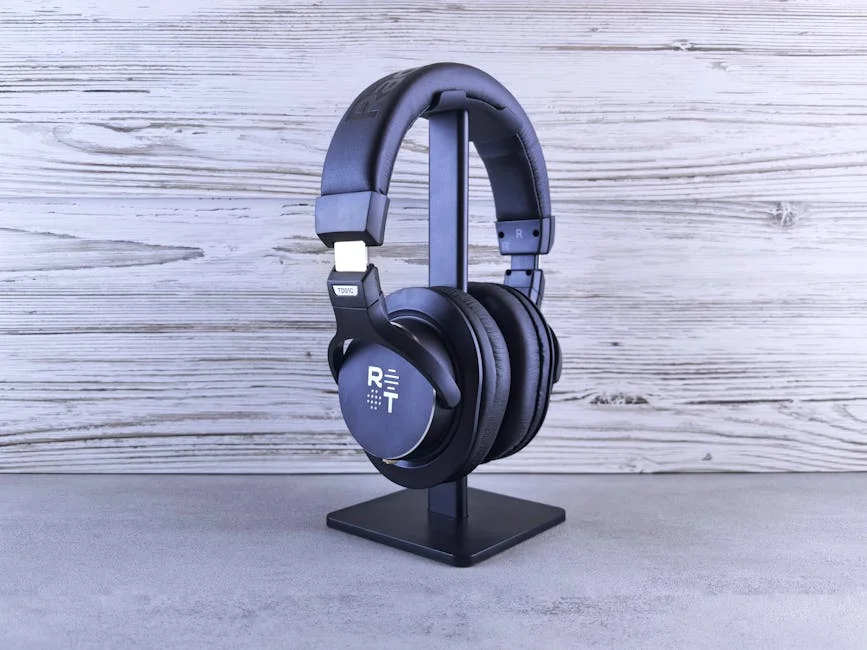
What to Look For in Podcasting Headphones
Closed-Back vs. Open-Back
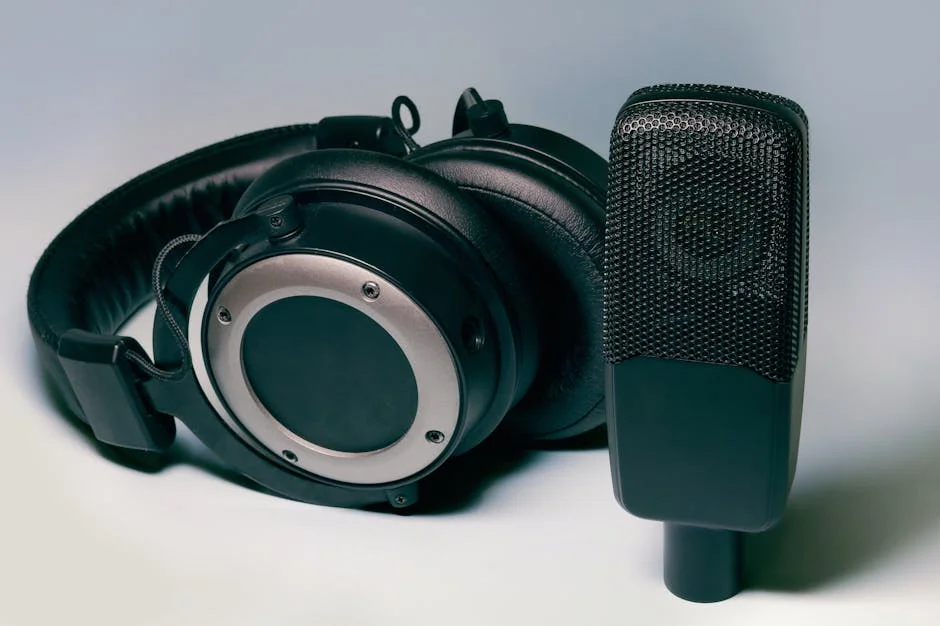
Closed-back headphones isolate passively , they keep room noise out and, more critically, prevent bleed into a nearby microphone. For recording, that bleed question is non-negotiable. If you record with a guest in the same room, or if your microphone is live while you monitor, a closed-back is the only sensible choice.
Open-back designs breathe. They typically image wider and often measure flatter in the bass region, which is useful for critical editing. The tradeoff is that anyone within a few feet can hear what you’re playing, and a sensitive microphone will pick it up. Open-backs earn their place in post-production monitoring , reviewing your mix, checking for mouth noise, evaluating equalization decisions , where the microphone is off and acoustic isolation is a non-issue.
The closed versus open decision should precede every other criterion. It is not a style preference , it follows directly from how and where you record.
Impedance and Source Compatibility
Impedance determines how much voltage a headphone needs to reach a useful listening level. High-impedance headphones , 250Ω and above , underperform on laptop outputs and phone headphone jacks. They reach adequate volume, but often lose dynamics and low-end authority without a proper headphone amplifier.
For podcasters without a dedicated interface, lower-impedance models in the 32Ω, 120Ω range are more practical. They scale reasonably well from an audio interface’s headphone output, which is where most podcasters are monitoring anyway. If your setup already includes a USB interface with a headphone stage, the impedance constraint loosens , most modern interfaces handle up to 250Ω adequately at moderate listening levels.
Matching impedance to your actual source is not audiophile pedantry. It is the difference between a headphone sounding flat and lifeless versus performing as designed.
Frequency Response and Monitoring Accuracy
A podcasting headphone does not need to be perfectly flat to be useful. Human voice sits primarily in the 100Hz, 8kHz range. What matters more than laboratory neutrality is whether elevated or recessed regions will mask problems in your recording , excess sibilance, proximity-effect bass buildup, room reflections, plosives.
Headphones with a significant mid-bass hump can make your voice recording sound fuller than it is, leading you to under-EQ. Headphones with aggressive treble peaks will fatigue your ears before problems in the 2, 5kHz presence region register as problems. Neither extreme serves accurate editing.
The broader picture on headphones for production work is that a slightly bright-leaning signature often catches more errors than a warm one. Bass extension is pleasant for music; it is a liability for catching issues in dialogue-focused audio.
Comfort Over Long Sessions
Recording and editing are not quick tasks. A headphone that becomes physically uncomfortable after forty-five minutes will change how you work , you will rush decisions, skip passes, and miss things. Clamping force, earpad material, and headband padding all compound over hours in ways that a brief in-store audition cannot reveal.
Owner reviews from working podcasters and broadcast engineers are the most reliable signal here. Verified buyers who describe a headphone’s behavior after three-hour sessions carry more weight than any single spec sheet. Look specifically for reports from people who use headphones for extended recording and editing rather than recreational listening , the use case is different enough that recreational impressions do not fully transfer.
Top Picks
Audio-Technica ATH-M50x
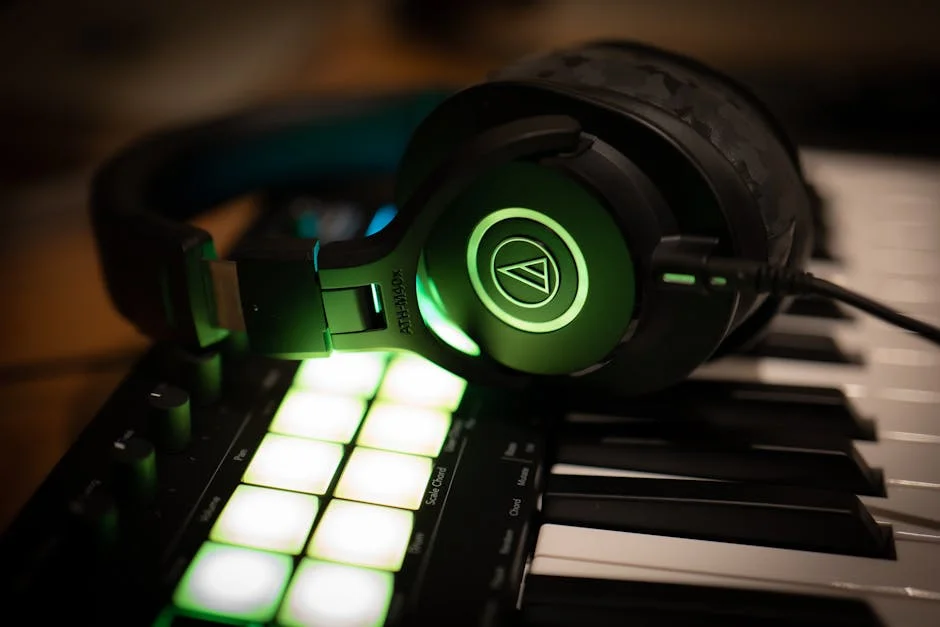
The Audio-Technica ATH-M50x is the headphone a significant fraction of podcasters own already , and there are genuine reasons why. Three detachable cables come in the box, which matters when a coiled cable catching on a mic arm is the kind of interruption that breaks a recording session’s momentum. The foldable design survives bag-tossing in a way that most studio headphones do not.
On a Topping L50, the M50x’s mid-bass elevation is easy to hear in direct comparison with flatter-measuring options. Verified buyers who mix on them consistently report a warming effect on voice that sounds flattering at the time and leads to recordings that translate thinner on other playback systems. That is not a dealbreaker , it is something to understand going in. If you know the signature, you can compensate. Many working podcasters do exactly that and have done so for years.
The clamping force issue is real over extended sessions. Community reports from broadcast and podcasting users put the fatigue onset somewhere around the ninety-minute mark for people with average head dimensions. A round trip through a breaking-in process , carefully bowing the headband over a stack of books for a week , helps, and this is documented thoroughly across the M50x owner community. For the coverage and entry-level value the M50x represents, the community knowledge base is itself a meaningful benefit.
Check current price on Amazon.
beyerdynamic DT 770 PRO 80 Ohm
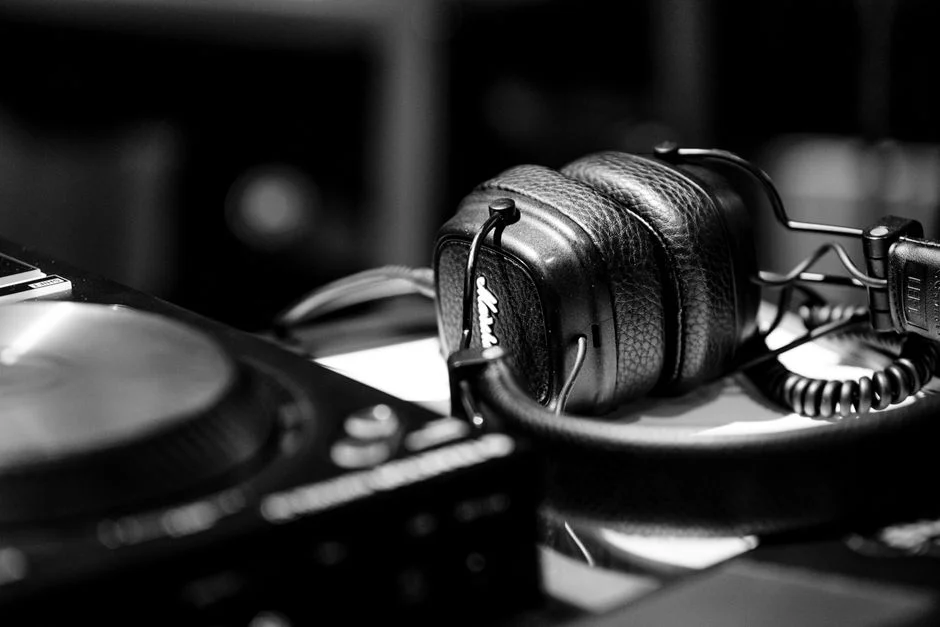
The beyerdynamic DT 770 PRO 80 Ohm occupies a specific niche that the M50x does not fully cover: the closed-back with professional pedigree and genuine build durability. Made in Germany, with replacement parts that are actually available and documented, the DT 770 Pro is the headphone that has been on broadcast desks and studio recording booths long enough that its quirks are fully understood by the people who matter.
The 80Ω version is the right choice for most podcasting setups. It drives cleanly from the headphone output on a Focusrite Scarlett, a Universal Audio Volt, or any comparable USB interface. Owner reviews from engineers who have used both versions consistently describe the 80Ω as more practical without meaningful loss of what makes the DT 770 Pro worth using. The 250Ω version rewards a proper headphone amp , for a podcasting context, that is an additional complication most people do not need.
The V-shaped signature and prominent treble deserves honest framing. The “beyer treble” , a peak in the 8, 10kHz region , is not subtle, and treble-sensitive listeners will find it fatiguing on long sessions. For podcasting specifically, that peak can make sibilance issues easier to catch, which is a genuine monitoring advantage. Whether that advantage outweighs the listening comfort cost depends on individual treble tolerance. The non-detachable coiled cable is a legitimate limitation for anyone who wants portability , this is a desk-bound headphone in practice.
Check current price on Amazon.
Sennheiser HD 560S
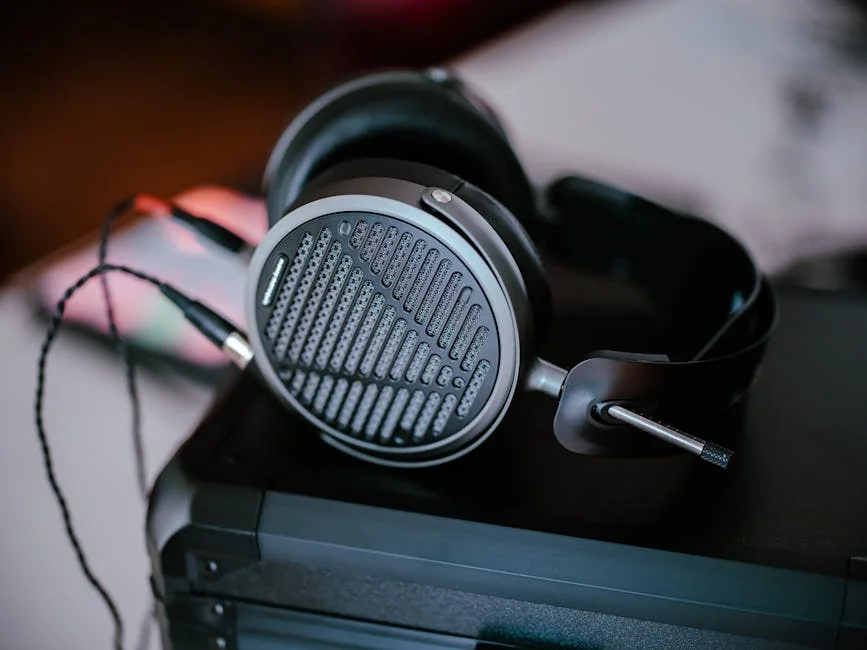
The Sennheiser HD 560S is the open-back recommendation here, and its role in a podcasting context is specific: post-production monitoring, not live recording. If the microphone is off and the task is editing, equalization, or mix review, the HD 560S’s measured neutrality is a legitimate advantage over both closed-back options above.
ASR’s measurements show a frequency response that tracks reasonably close to the Harman target, with slight bass roll-off that keeps the low-end honest rather than flattering. For editing dialogue, that means proximity-effect buildup and room-tone accumulation are harder to miss. The 120Ω impedance drives adequately from a laptop headphone output, though an interface’s headphone stage will yield noticeably better dynamics. Detachable cable and replaceable earpads extend usability in a way that justifies the recommendation for a long-term editing setup.
The lighter bass weight relative to the HD 600 and HD 650 is worth naming. If you are accustomed to the more weighted low-end presentation of the M50x or even the DT 770 Pro, the HD 560S will feel thin on first listen. That initial impression normalizes within a session or two , the bass is accurate, not absent. The plastic construction is the other honest caveat: functional, not premium-feeling. Owner reviews consistently separate these two things, and the right frame is that the budget was allocated to the transducer, not the chassis.
Check current price on Amazon.
Buying Guide
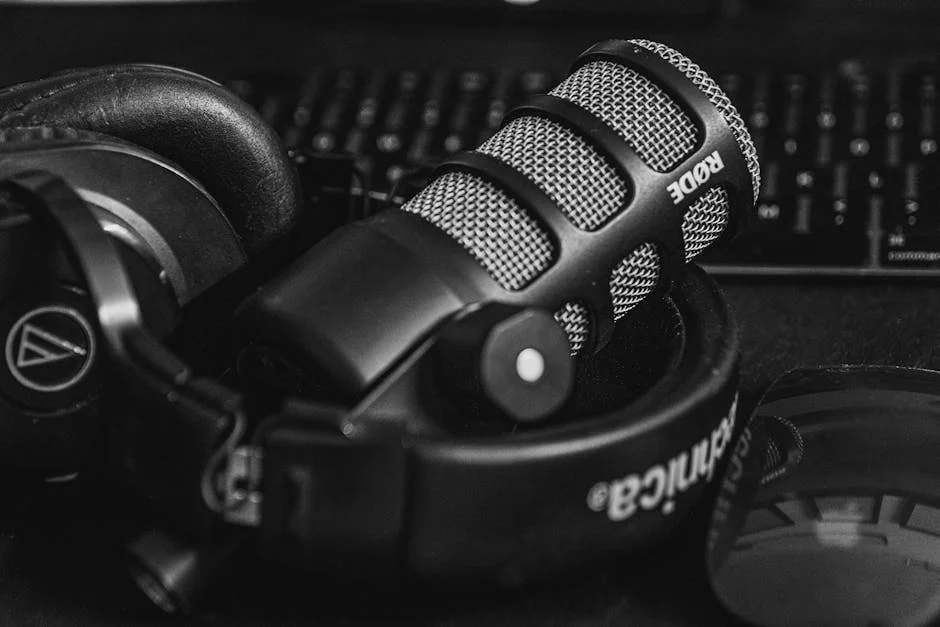
Recording vs. Editing , One Headphone or Two
The most underexplored decision in podcasting headphone selection is whether the recording and editing tasks need to be served by the same headphone. Many setups benefit from a closed-back on record and an open-back for review. The closed-back prevents bleed; the open-back monitors more accurately. This is not an extravagant approach , both categories are covered by budget-tier options, and the combined cost remains practical.
If budget or simplicity requires one headphone to serve both purposes, the closed-back wins on constraint grounds alone. You can edit on a closed-back; you cannot safely record with an open-back near an active microphone.
Source Matching for Your Interface
Most podcasting setups run through a USB audio interface with a built-in headphone amplifier. The quality of that headphone stage varies significantly between devices, but most current interfaces drive 32Ω, 120Ω headphones adequately. The HD 560S at 120Ω and the M50x at 38Ω are well-matched to this class of hardware. The DT 770 Pro 80Ω sits in the same range and performs well from interface outputs.
Where this matters practically: avoid high-impedance versions of headphones unless your interface’s headphone output is rated for them. The DT 770 Pro 250Ω exists and has genuine fans , but in a podcasting-only context with a standard interface, the 80Ω version removes a variable without conceding meaningful performance.
Comfort as a Functional Requirement
Comfort is not a preference in a podcasting context , it is a functional specification. Two-hour recording sessions are common; three-hour editing passes are not unusual for anyone producing a serialized show. A headphone that generates fatigue before that window closes is actively degrading work quality.
Clamping force, earpad depth, and headband pressure are the three variables that define long-session behavior. Owner feedback filtered for use-case match , look for reviews from engineers, broadcasters, and producers, not recreational listeners , is the most reliable data source here. Physical break-in helps with clamping force; nothing compensates for a shallow earpad that puts driver housing against the ear.
Build and Cable Considerations
A coiled cable on a desk is convenient. A coiled cable when you stand up mid-session, or when your interface is mounted at an awkward angle, becomes a liability. The M50x’s three-cable option , straight short, straight long, coiled , is a practical advantage that is easy to overlook until you’ve had a cable yank a headphone off a desk.
Non-detachable cables fail. Not soon, in most cases, but eventually , and replacement means buying a new headphone. Detachable cable designs extend useful life meaningfully, which matters for a tool used daily. The full range of headphones built for professional use increasingly defaults to detachable connections for exactly this reason.
Isolation and Leakage in Shared Spaces
Recording in a shared space , a room where a partner is working, a home office with ambient noise , adds constraints beyond mic bleed. Passive isolation on a closed-back headphone reduces how much room noise reaches your monitoring signal, which helps you hear your own recording accurately rather than through a layer of ambient competition.
Leakage matters in the other direction when anyone else is present. Open-back headphones leak substantially enough to be audible several feet away, which becomes a social problem in a shared environment even when the microphone is off. Closed-back designs solve both sides of this problem. The DT 770 Pro and M50x both isolate meaningfully in practical room conditions , not to the level of active noise cancellation, but enough for a standard home recording environment.
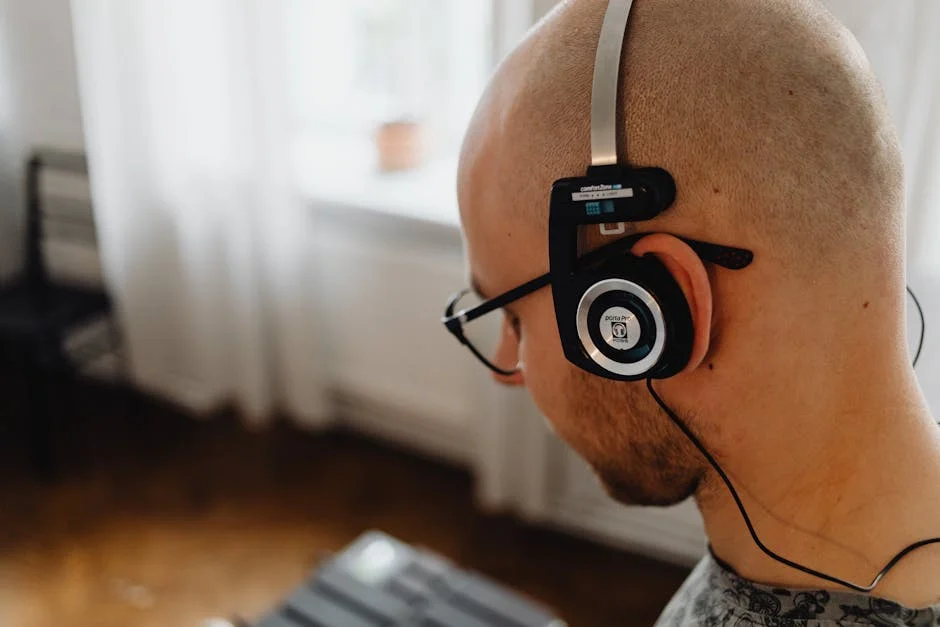
Frequently Asked Questions
Can I use open-back headphones for recording a podcast?
Open-back headphones bleed audio in a way that a nearby condenser microphone will pick up clearly. For live recording , any session where the microphone is active , a closed-back is required. Open-back headphones are well-suited to post-production: editing, EQ work, and mix review where the microphone is off. If your workflow separates those tasks physically or temporally, an open-back like the Sennheiser HD 560S is a strong editing monitor.
Is the DT 770 Pro better than the ATH-M50x for podcasting?
The beyerdynamic DT 770 PRO 80 Ohm offers better build durability and replaceable parts, which matters over years of daily use. The ATH-M50x ships with multiple cable options and folds for portability, which the DT 770 Pro does not. For a permanent desk-based recording setup, the DT 770 Pro is the longer-term investment. For a portable or flexible setup used across different locations, the M50x’s practical features outweigh the build advantage.
Do I need a headphone amplifier for podcasting headphones?
Most podcasting headphones in the budget tier are designed to run from audio interface headphone outputs directly. The M50x at 38Ω and the DT 770 Pro 80Ω both drive cleanly from standard interfaces without a dedicated amplifier. High-impedance versions , 250Ω and above , benefit meaningfully from a proper headphone stage. If your interface has a headphone output, it is almost certainly sufficient for the options covered here.
How important is frequency response neutrality for podcast editing?
Accuracy matters more than perfection. A headphone with a significant mid-bass elevation will make recordings sound warmer than they are, leading to editing decisions that translate poorly on other systems. A pronounced treble peak will fatigue your ears before problems in the presence region become obvious. Flat or near-flat response , like the HD 560S , gives honest feedback.
What is the best headphone for a beginner podcaster on a budget?
The Audio-Technica ATH-M50x is the most practical entry point: closed-back isolation for recording, detachable cables, foldable design, and the largest community knowledge base of any headphone in this tier. Its signature is not the most neutral available, but the documentation around its sound , how to interpret what you hear, how to compensate , is thorough enough to make that a manageable limitation rather than a disqualifying one.
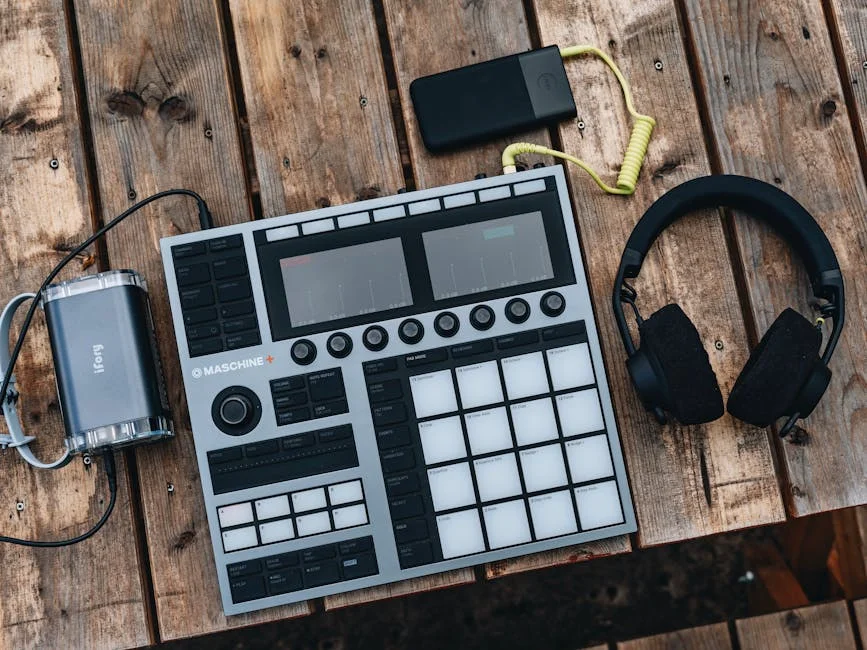
Where to Buy
Audio-Technica ATH-M50X Professional Studio Monitor Headphones BlackSee Audio-Technica ATH-M50X Professional … on Amazon