Best Headphones for Rock Music: Tested and Reviewed

Affiliate disclosure: Some links on this page are affiliate links. If you buy through them we earn a small commission at no extra cost to you. Recommendations are research-driven; we don't claim personal use of every product reviewed. Product prices and availability are accurate as of the date published and are subject to change. Always check Amazon for current pricing before purchasing. Learn more.
Quick Picks
beyerdynamic DT 770 PRO 80 Ohm Over-Ear Studio Headphones
Proven studio closed-back with decades of professional use
Buy on Amazonbeyerdynamic DT 770 Pro X Closed-Back Studio Headphones 48 Ohm
Detachable cable improves repairability over the original DT 770
Buy on AmazonAudeze LCD-2 Classic Over-Ear Open Back Headphone with Carry Case 2021
106mm planar driver with exceptional low-frequency extension
Buy on Amazon| Product | Price Range | Top Strength | Key Weakness | Buy |
|---|---|---|---|---|
| beyerdynamic DT 770 PRO 80 Ohm Over-Ear Studio Headphones also consider | $ | Proven studio closed-back with decades of professional use | V-shaped tuning with prominent treble , not for treble-sensitive listeners | Buy on Amazon |
| beyerdynamic DT 770 Pro X Closed-Back Studio Headphones 48 Ohm also consider | $ | Detachable cable improves repairability over the original DT 770 | Newer model , less community long-term data than classic DT 770 | Buy on Amazon |
| Audeze LCD-2 Classic Over-Ear Open Back Headphone with Carry Case 2021 also consider | $$$ | 106mm planar driver with exceptional low-frequency extension | Very heavy at ~490g , long sessions may cause neck and head fatigue | Buy on Amazon |
Rock puts headphones through a different set of demands than most genres. The transient snap of a snare, the low-end weight of an overdriven bass cabinet, the way a guitar amp breakup sits in the upper midrange , these qualities reveal exactly where a headphone’s tuning succeeds or fails. Finding the right pair from the broader world of headphones means understanding what rock actually asks of a driver before you commit to a purchase.
The genre rewards a few specific qualities: controlled bass that hits with authority without bleeding into the mids, a midrange that keeps guitars and vocals present and textured, and treble that’s detailed without turning sibilant on distorted material. The options below cover closed-back versatility, a modern refinement of a studio classic, and a planar magnetic that reframes what “bass response” means entirely.

What to Look For in Headphones for Rock
Bass Impact vs. Bass Accuracy
Rock bass occupies a different register than electronic music. You’re listening for the pick attack on a Precision Bass, the way a kick drum locks with the low string on a rhythm guitar, the kind of punch that comes from a good studio recording in a mid-sized room. That requires a headphone with genuine low-frequency extension , not just a boosted sub-bass shelf that makes everything feel heavy and undefined.
A V-shaped tuning with elevated midbass can work well here, delivering a sense of physical presence on heavier tracks. The risk is that too much midbass boost muddies the low-midrange, which is exactly where rhythm guitar lives. Look for a headphone that separates the fundamental note from the room resonance around it.
Midrange Character and Guitar Texture
Guitars are the defining instrument of rock, and the midrange is where they live. Distorted electric guitar has enormous harmonic content , it can occupy anything from 200Hz through 5kHz depending on the amp, the pickups, and how hard the preamp is being pushed. A headphone with a recessed midrange will push guitars back in the mix, softening the presence and attack that makes rock recordings feel urgent.
This is the criterion that separates headphones that are “fine for rock” from ones that are genuinely good for the genre. A forward, transparent midrange doesn’t mean brightness , it means guitars have body and bite rather than sounding distant and polished.
Treble Response on Distorted Signals
Distortion generates high-frequency content that a recording engineer has already worked hard to tame. A headphone with an aggressive treble peak , particularly in the 8, 12kHz range , can make a good recording sound brittle and fatiguing within twenty minutes. This is where “detailed” becomes “harsh” depending on the transducer and the source material.
The goal is enough treble energy to hear cymbal texture, pick noise, and the high end of a vocal performance without that energy turning sharp on overdriven tracks. Some listeners find a mild treble peak energizing on rock; others find it unbearable. Knowing which listener you are matters before buying. Exploring the full range of headphone options helps calibrate where your tolerance sits.
Open-Back vs. Closed-Back for Rock
Open-back headphones create a more natural soundstage , the width and depth feel less like a headphone and more like a speaker presentation. For studio work and critical listening, that spaciousness is often preferred. The trade-off is sound isolation: open-backs bleed sound in both directions, which means they’re not suitable for shared spaces or tracking sessions.
Closed-back headphones isolate better and typically deliver a more impactful bass presentation , the sealed ear cup physically increases low-end pressure. For rock listening specifically, many owners prefer the closed-back feel because the additional bass authority matches the genre’s energy. The right answer depends on where you’re listening and what you’re optimizing for.
Impedance and Source Matching
Impedance affects how much amplification a headphone needs to reach its dynamic potential. A high-impedance headphone will sound soft and compressed out of a phone or laptop without a dedicated amplifier. A low-impedance headphone will drive easily from almost any source.
This matters more for rock than for ambient or acoustic genres, because the wide dynamic range of live and studio rock recordings benefits from a clean amplification chain that can handle transient peaks without clipping. If you’re listening from a phone or streaming device with no dedicated amp, prioritize headphones with impedance below 80Ω. If you’re running a proper DAC/amp stack, the full impedance range opens up.
Top Picks
beyerdynamic DT 770 PRO 80 Ohm
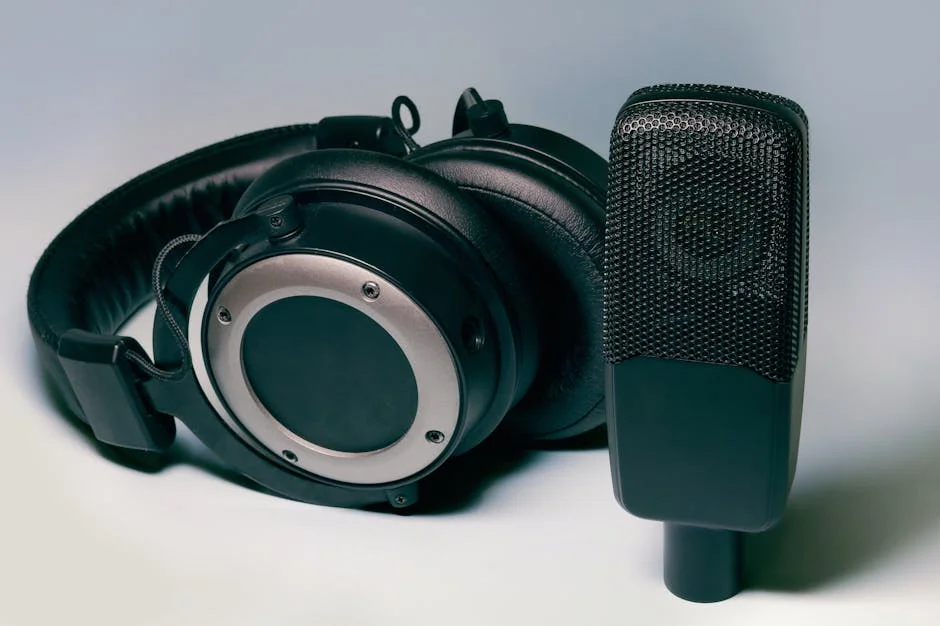
The beyerdynamic DT 770 PRO 80 Ohm has been in continuous production long enough to have accumulated decades of field data from recording engineers, musicians, and enthusiastic home listeners , which is part of why it keeps appearing in conversations about headphones for this genre. Owner consensus is consistent: the V-shaped signature delivers genuine low-end impact and extended treble energy, which translates to a lively, physical presentation on well-recorded rock.
The 80Ω version is the most practical configuration for the majority of listeners. It drives capably from a dedicated interface, a modest DAC/amp stack, or a decent dongle DAC , no specialized amplification required. That accessibility has made it the default recommendation for tracking musicians who want a closed-back that works without a complicated rig.
The treble behavior is the variable that decides whether this headphone works for a given listener. The characteristic beyerdynamic treble peak , the one that enthusiast communities have documented extensively , adds air and detail to acoustic material, but on heavily processed or clipped recordings, it can push into fatiguing territory. Verified buyers consistently note this effect. It’s not a flaw in the traditional sense; it’s a tuning choice that rewards well-recorded source material.
Build quality reflects its German manufacturing heritage. The construction feels like something built to survive studio environments, not a consumer product optimized for unboxing aesthetics. The coiled non-detachable cable is the main practical limitation , it makes the DT 770 Pro a committed desktop or studio headphone rather than a portable one.
Check current price on Amazon.
beyerdynamic DT 770 Pro X
The beyerdynamic DT 770 Pro X is the 2024 update to the classic, and the differences are specific rather than cosmetic. The most meaningful change for long-term owners is the detachable mini XLR cable , the original DT 770’s non-detachable cable has been a consistent complaint for years, and the Pro X eliminates it. Cable failure is one of the most common reasons a perfectly functional headphone becomes unrepairable. This matters.
The updated Stellar.45 driver runs at 48Ω and is tuned for a flatter response than the original , less exaggerated V-shape, more balanced presentation across the frequency range. Owner reports and manufacturer data both suggest the treble peak that defines the classic DT 770 is more controlled here. For rock listening, that means the Pro X sits closer to a monitor-adjacent presentation: accurate enough for critical listening, still energetic enough to make the genre feel physical.
Because the Pro X is newer, the community depth isn’t there yet the way it is for the original. The DT 770 Pro 80Ω has thirty-plus years of user consensus behind it. The Pro X has a fraction of that. The case for choosing it over the original rests on the detachable cable, the updated tuning, and a preference for a more modern frequency response , not on accumulated community validation that doesn’t yet exist.
Check current price on Amazon.
Audeze LCD-2 Classic
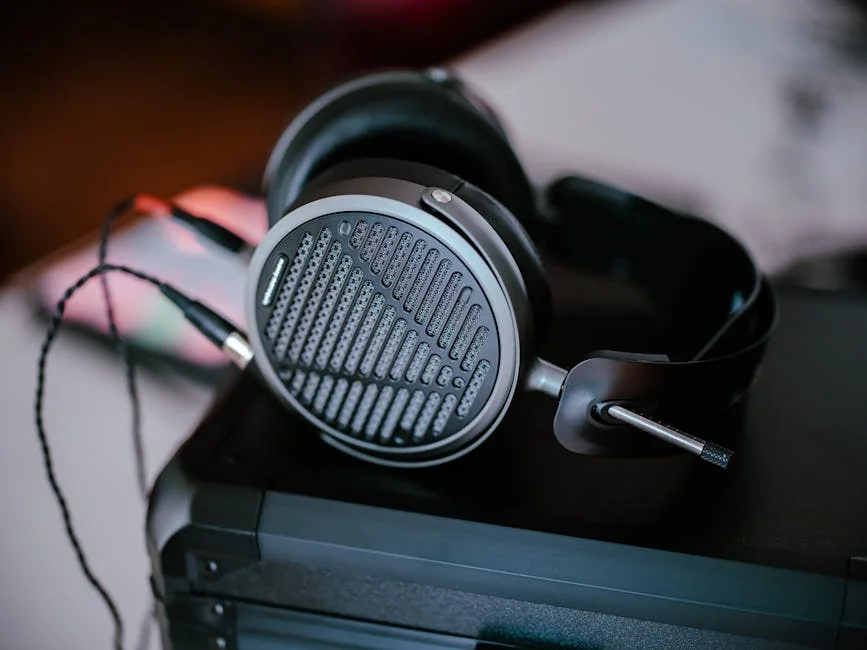
The Audeze LCD-2 Classic reframes what this genre can sound like on headphones. The 106mm planar magnetic driver delivers bass extension and control that dynamic drivers at this tier don’t replicate , not louder bass, but more precisely defined bass, with faster transient response and less overhang on low-frequency notes. On rock recordings with a well-tracked kick drum or a prominent bass guitar line, the difference is structural rather than cosmetic.
The community consensus across Head-Fi and ASR is consistent on the signature: deep, lush, and organic, with a midrange character that suits guitar-heavy material well. The upper registers are smoother than the beyerdynamic options , less “excited” treble, more relaxed high end. That tuning choice makes the LCD-2 Classic more forgiving of aggressive recordings and older, poorly-mastered rock material, where bright headphones become a liability.
Two caveats apply here and neither is minor. The weight , approximately 490g , is a real constraint. Extended listening sessions have generated substantial owner feedback about neck and head fatigue, particularly from buyers who shift to this from lighter dynamic driver headphones. The second caveat is amplification. Planar magnetics are more source-dependent than dynamic drivers in a way that can genuinely surprise first-time planar owners. The ‘scales with source’ advice that reads like audiophile mythology turns out to have real content for headphones in this family. Running the LCD-2 Classic from a laptop output or a low-output source will compress the dynamic range and flatten the low-end authority that makes it compelling. A dedicated DAC/amp stack is the proper pairing , not optional, genuinely necessary to hear what this headphone does.
Check current price on Amazon.
Buying Guide
Closed-Back or Open-Back First
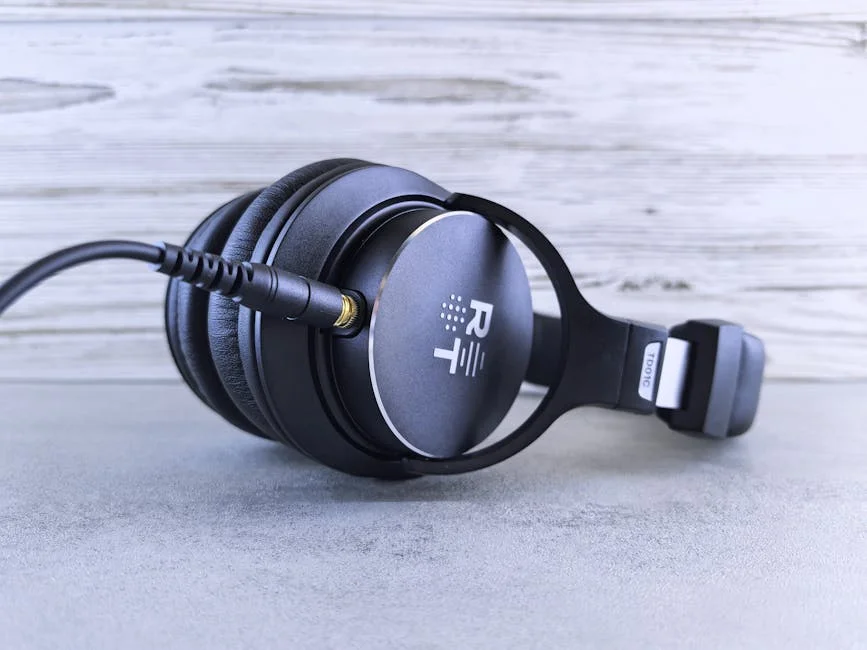
The first decision is practical before it’s sonic. Closed-back headphones , both DT 770 variants covered here , isolate well, work in shared spaces, and deliver a bass presentation that feels physically present due to the sealed ear cup. Open-back headphones deliver wider soundstage and more natural imaging at the cost of zero isolation. For most rock listening at home or in a dedicated listening space, open-backs are a real option. For anyone near other people or in a shared environment, closed-backs are the only choice that doesn’t create a conflict.
Matching Impedance to Your Source
Source matching is the variable most buyers underestimate. A headphone running well below its optimal drive level will sound compressed and thin , not broken, just noticeably limited. The DT 770 Pro 80Ω drives from most reasonable sources without a dedicated amp, though a stack improves the presentation. The DT 770 Pro X at 48Ω is even more flexible. The LCD-2 Classic is different: planar magnetics have a consistent demand for clean, high-current amplification that a portable or laptop output doesn’t provide. This isn’t an optional upgrade for the Audeze , it’s a prerequisite. Before buying the LCD-2 Classic, confirm you either have or are prepared to invest in proper amplification.
Browsing the broader headphones resource before making a final source-matching decision is useful , the impedance matching question affects nearly every headphone in this category and the answers vary considerably by driver type.
Tuning Character and Rock’s Demands
Rock rewards a specific frequency balance. The genre punishes both extremes: a headphone that’s too warm will bury guitar presence in bass bloom; one that’s too bright will make distorted material fatiguing within a short session. The DT 770 Pro 80Ω leans toward the energetic end of that spectrum , the V-shaped signature is engaging and physical, but treble-sensitive listeners should be honest with themselves about tolerance before buying. The DT 770 Pro X is tuned closer to flat, with less pronounced extremes. The LCD-2 Classic sits in a different category entirely , its strengths are bass authority and midrange lushness, with a smoother, more relaxed treble. Each serves rock differently depending on the subgenre, the recording quality, and the listener’s preference.
Weight and Listening Session Length
Comfort at this tier is not uniform. The beyerdynamic options are standard weight for over-ear headphones , long sessions are practical. The LCD-2 Classic at 490g is in a different category. Owner reports on fatigue are not anecdotal complaints; they reflect a genuine ergonomic trade-off that comes with large-format planar magnetic construction. If a primary use case is two-hour listening sessions, the weight question deserves serious consideration before purchase. The sonic characteristics of a planar magnetic are harder to enjoy when the headband pressure becomes the dominant sensory experience forty-five minutes in.
New vs. Established Models
The DT 770 Pro 80Ω has a longer community track record than almost any headphone in this price range. Decades of owner feedback means the failure modes, the strengths, and the source-pairing characteristics are well-documented. The DT 770 Pro X is newer , the trade-offs are known from specification differences and early owner reports, but the multi-year durability picture doesn’t exist yet. For buyers who value community consensus and long-term data, the original is the safer choice. For buyers who prioritize the detachable cable and updated tuning, the Pro X is the more modern option , just with less accumulated evidence behind it.
Frequently Asked Questions
Which is better for rock: the DT 770 Pro 80Ω or the DT 770 Pro X?
The answer depends on what you’re optimizing for. The DT 770 Pro 80Ω has a more energetic V-shaped signature with a notable treble peak that many rock listeners find engaging , it pairs particularly well with well-recorded classic rock and heavy genres. The DT 770 Pro X is tuned flatter with a detachable cable, making it more versatile and more forgiving on aggressively mastered material. Owner consensus currently favors the original for raw rock energy, but the Pro X is the stronger long-term investment.
Do I need an amplifier for these headphones?
Both DT 770 variants drive acceptably from modest sources , a DAC dongle, an interface, or a decent portable player covers them without issue. The LCD-2 Classic is different. Planar magnetics like the Audeze benefit substantially from dedicated amplification: the bass authority and dynamic range that define the headphone’s character don’t fully materialize from a laptop headphone output. If the Audeze is under serious consideration, a DAC/amp stack is a genuine part of the purchase , not an upgrade to defer.
Is the LCD-2 Classic worth the premium over the DT 770 options for rock specifically?
The LCD-2 Classic offers something the DT 770 variants don’t , planar bass extension with genuine speed and definition on low-frequency transients. For rock that prioritizes bass guitar presence and kick drum impact, the Audeze is a meaningfully different experience. The trade-offs are weight, required amplification, and a significantly higher price tier. Owner reports suggest that buyers coming from dynamic driver headphones often find the planar transition surprising in ways that are difficult to anticipate.
Will the DT 770 Pro 80Ω work well for both rock listening and gaming?
Yes , the closed-back isolation and V-shaped tuning serve both use cases. The elevated bass and extended treble that make it engaging on rock recordings also deliver a spacious, impactful presentation for gaming audio, where positional sound and low-end effects benefit from the same frequency emphasis. Verified buyers who use the DT 770 Pro 80Ω across both contexts consistently report satisfaction with both applications. It is one of the few headphones at this tier that genuinely crosses the boundary between studio and recreational use without compromise in either direction.
How does the DT 770 Pro X’s detachable cable affect the buying decision practically?
The non-detachable cable on the original DT 770 Pro is the most commonly cited failure point for long-term owners , a worn connector or damaged cable section means replacing the headphone or paying for a non-trivial repair. The DT 770 Pro X’s mini XLR detachable cable changes that equation: cable damage becomes a cable swap rather than a product failure. For buyers who plan to use their headphones daily over several years, that repairability is a meaningful practical advantage that justifies the price premium even before the tuning differences are considered.
Where to Buy
beyerdynamic DT 770 PRO 80 Ohm Over-Ear Studio HeadphonesSee beyerdynamic DT 770 PRO 80 Ohm Over-E… on Amazon