Best Headphones for Side Sleepers: Tested & Reviewed

Affiliate disclosure: Some links on this page are affiliate links. If you buy through them we earn a small commission at no extra cost to you. Recommendations are research-driven; we don't claim personal use of every product reviewed. Product prices and availability are accurate as of the date published and are subject to change. Always check Amazon for current pricing before purchasing. Learn more.
Quick Picks
Koss KSC75 Portable Stereophone On-Ear Headphones
Remarkable frequency response for the price , ASR community favorite
Buy on AmazonSennheiser HD 559 Open Back Headphones
Budget-friendly entry to Sennheiser's acclaimed 5xx lineage
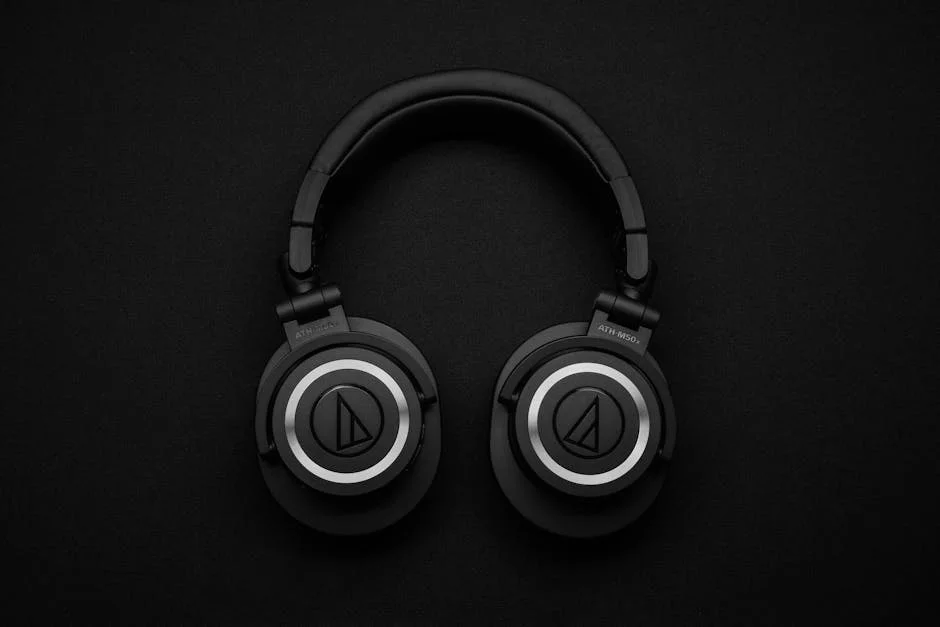
Audio-Technica ATH-M40x Professional Studio Monitor Headphones
Flatter frequency response than ATH-M50x for more accurate monitoring
Buy on Amazon| Product | Price Range | Top Strength | Key Weakness | Buy |
|---|---|---|---|---|
| Koss KSC75 Portable Stereophone On-Ear Headphones also consider | $ | Remarkable frequency response for the price , ASR community favorite | Clip-on design less secure than traditional headband headphones | Buy on Amazon |
| Sennheiser HD 559 Open Back Headphones also consider | $ | Budget-friendly entry to Sennheiser's acclaimed 5xx lineage | Less resolving than the HD 560S/HD 600 step-ups | — |
| Audio-Technica ATH-M40x Professional Studio Monitor Headphones also consider | $ | Flatter frequency response than ATH-M50x for more accurate monitoring | Less bass emphasis than M50x , may disappoint casual listeners | Buy on Amazon |
Side sleeping puts conventional headphones at an immediate disadvantage. The moment your head presses against a pillow, any headphone with a protruding earcup, a rigid headband, or stiff padding becomes uncomfortable fast , and sound quality stops mattering if you pull the headphones off after twenty minutes. The field of headphones that genuinely work for side sleeping is narrower than most guides admit.
What separates a workable option from a frustrating one isn’t driver quality or frequency response , it’s physical profile. Owner reports across Head-Fi and r/headphones consistently identify earcup depth, headband pressure, and overall weight as the deciding variables. The three picks here address that problem through different design philosophies, each with distinct trade-offs worth understanding before you buy.
What to Look For in Headphones for Side Sleepers
Physical Profile and Earcup Depth
The core problem for side sleepers is geometry. A conventional over-ear headphone sits 30, 40mm proud of the ear , that’s the distance your head has to displace against the pillow before the earcup edge digs into your outer ear. Owner reviews on Head-Fi are consistent on this point: sealed, deep earcups are the first thing that fails in side-sleeping use, regardless of how comfortable the headphone is during upright listening.
Shallow-profile designs solve this differently. On-ear headphones reduce the earcup stack height relative to over-ear cups, and clip-on designs like the KSC75 eliminate the earcup housing almost entirely. The trade-off is contact pressure , on-ear designs rest directly on the pinna, which introduces a different kind of fatigue over time. Neither geometry is universally superior; it depends on your sleep position and pillow firmness.
Clamping Force and Headband Pressure
Clamping force matters more than most buyers anticipate. A headphone that grips firmly to stay in place during daytime activity applies that same force while you’re trying to sleep , pressed against the side of your head by pillow weight, the effect compounds. Light clamping force and a flexible, low-profile headband are consistently rated as positives in owner reviews specifically from side sleepers.
The physics here aren’t complicated. A rigid headband that bridges the top of the skull distributes pressure differently from a figure-nine clip that hooks directly to the ear. Both create pressure, but in different locations. For side sleeping, headband pressure at the temple becomes the primary discomfort point rather than earcup depth.
Weight
Total headphone weight is a simple variable that’s easy to overlook. The cumulative effect of a 300g headphone pressing against your pillow for an hour is different from a 50g headphone. Owner consensus across sleep-specific threads on r/headphones points to sub-100g as a meaningful threshold , above that, the weight becomes noticeable. Below it, other factors dominate.
This is part of why clip-on and lightweight on-ear designs appear so frequently in side-sleeper recommendations despite their otherwise limited audiophile credentials. Raw audio performance competes with physical comfort in this use case in a way it doesn’t for desktop or commuting applications. Exploring the broader range of headphone categories before committing is worth the time , the right choice for side sleeping may not match your intuition about what a good headphone looks like.
Isolation vs. Open Design
Most side-sleeping use cases fall into two camps: falling asleep to music or podcasts, and blocking out a snoring partner. These needs pull in opposite directions. Open-back designs offer no passive isolation and let ambient noise through freely. Closed-back designs isolate but often have deeper earcups and more pronounced housing profiles.
For falling asleep to audio content, open-back designs frequently work well because ambient noise tolerance is higher when you’re already drowsy. For noise blocking, closed-back designs are the logical choice , but buyers should weigh that benefit against the comfort penalty of deeper earcups before committing.
Top Picks
Koss KSC75 Portable Stereophone On-Ear Headphones
The clip-on format of the Koss KSC75 is its entire argument for side-sleeping use. There’s no headband spanning the skull, no earcup housing protruding from the ear, and no clamping force pressing against the temple , just a lightweight earclip that hooks over the pinna. Verified buyers in sleep-specific contexts consistently cite this design as the lowest-friction option for side sleeping of any headphone type.
The acoustic performance is genuinely surprising for a budget clip-on. The KSC75 uses an open-back driver configuration that produces a soundstage wider than the physical form factor suggests. ASR community members regularly cite it as a reference point for budget-tier frequency response , the value-to-performance ratio is legitimate, not a compromise narrative. Owner reports confirm the low end is present but not emphasized; this is a detail-forward tuning that suits spoken audio, acoustic music, and anything where spaciousness matters more than bass weight.
The practical downsides are real. Clip-on security varies by ear shape , some owners report the clips stay put across hours of sleep, others find them shifting by the second position change. The open design means no isolation whatsoever: a snoring partner or traffic noise will come through unfiltered. For buyers whose primary goal is audio immersion rather than noise blocking, that’s a reasonable trade. For noise blocking, it isn’t.
Check current price on Amazon.
Sennheiser HD 559 Open Back Headphones
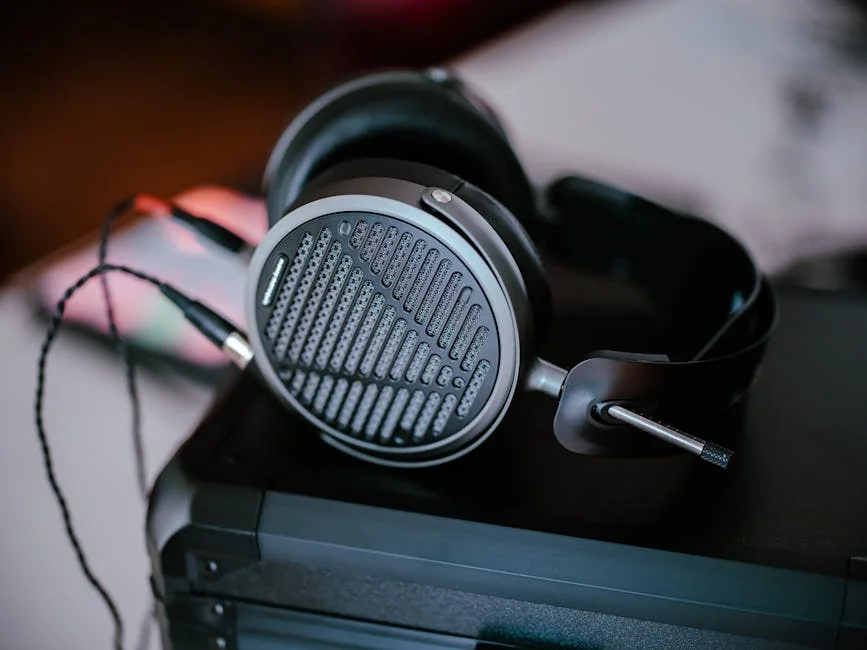
The Sennheiser HD 559 is a traditional over-ear headphone, and that framing matters for side-sleeping use: it is not the most comfortable option in this category, but owner reports specifically praise the velour ear cups for sustained low-pressure contact during long sessions. The headband pressure is moderate, not aggressive, and the earcup padding is deep enough to avoid direct pinna contact for most ear shapes.
The honest caveat for side-sleeping use is earcup profile. The HD 559 sits proud of the ear the way most over-ear headphones do, and owners who prioritize sleeping on their side over casual listening should test this in person before committing. The reports that work are from back-leaning-to-side positions where pillow contact is less direct , fully lateral sleeping is where the geometry becomes challenging.
As a budget entry into Sennheiser’s 5xx lineage, it works without amplification directly from phones and laptops , relevant for side sleepers who want a simple setup. The open-back tuning produces a relaxed, non-fatiguing presentation that suits long-form audio before sleep. Verified buyers who use it for this purpose consistently describe it as comfortable enough for 60, 90 minute sessions, which covers most pre-sleep listening windows.
Check current price on Amazon.
Audio-Technica ATH-M40x Professional Studio Monitor Headphones
The Audio-Technica ATH-M40x is the closed-back option in this set, and its case for side-sleeping use rests on passive isolation rather than physical minimalism. Owner reviews from noise-sensitive sleepers consistently cite the M40x as one of the more effective passive isolators at the budget tier , a meaningful differentiator for buyers whose primary concern is blocking ambient sound rather than minimizing earcup protrusion.
The physical trade-off is straightforward. The M40x earcup housing is deeper than the HD 559’s, which creates more pillow displacement in lateral positions. Owners who sleep fully on their side report noticing the earcup edge within 30, 45 minutes. The headband is adjustable and relatively low-clamping compared to studio monitors from other brands, but it’s still present and still applies pressure at the temple in side-sleeping positions.
The audio character is worth understanding separately from the comfort equation. The M40x is tuned flatter than the ATH-M50x , less bass emphasis, more linear frequency response. For buyers who want monitoring accuracy for late-night mixing or podcast listening, that tuning is an asset. For buyers who primarily want a warm, relaxing listening experience before sleep, the M50x’s bass-forward tuning may suit the use case better. Owner consensus on r/headphones consistently positions the M40x as the better neutral monitor and the M50x as the better casual listener , both at the same general price band.
Check current price on Amazon.
Buying Guide
Profile Is the Primary Variable
For side sleepers, physical form factor outweighs audio performance as a selection criterion. The question isn’t which headphone sounds best in this group , it’s which headphone’s geometry your sleep position can tolerate. Clip-on designs like the KSC75 have the lowest profile of any headphone type and are the most consistently recommended format in sleep-specific Head-Fi and r/headphones threads. Traditional over-ear designs require more accommodation from the sleeper.
If you sleep fully laterally and can’t adjust your position, the clip-on format is the strongest starting point. If you tend to drift between positions or sleep on your back with your head turned, a lightweight over-ear with low clamping force becomes viable. Profile first , audio second.
Open vs. Closed for Sleep Use
The open-versus-closed decision maps directly onto sleep context. Open-back designs , the KSC75 and HD 559 , offer no passive isolation and allow ambient sound through freely. In a quiet room, that’s not a meaningful disadvantage; for background music or podcast listening, the open presentation is often preferable. In a shared space with ambient noise, open-back headphones provide no relief.
Closed-back designs like the M40x block a meaningful amount of ambient sound passively. The trade-off is earcup depth and housing profile , closed-back designs consistently have deeper cups than open-back equivalents. For noise-sensitive sleepers, that trade may be worth making. For buyers in quiet environments, it isn’t necessary. Browsing the full range of headphone types available , including IEMs, which are worth considering separately for side-sleeping use , is useful context before committing to an over-ear or on-ear format.
Amplification Requirements
That matters for sleep use more than it might seem. A dedicated amplifier stack on a nightstand adds cables, a power source, and a device to manage , friction that reduces the likelihood you’ll actually use the headphones consistently.
The HD 559 is specifically designed to be driven from consumer devices without additional hardware. The KSC75 is similarly efficient. The M40x is a studio monitor but presents no meaningful impedance challenge for modern phones. None of these headphones belong in the “scales with source” category , they perform at their ceiling from a headphone jack, which is the right characteristic for bedside use.
Cable Management During Sleep
Cable routing is a practical issue that receives less attention than acoustic performance but matters considerably in sleep contexts. A long, stiff cable becomes a tangle hazard when you shift positions , and the disturbance from managing it can defeat the purpose of wearing headphones to sleep in the first place.
The M40x ships with a detachable cable, which allows substituting a shorter replacement , a genuine practical advantage for sleep use that owner reviews in this context specifically call out. The KSC75’s cable is short by default. The HD 559 ships with a longer cable intended for desktop use, which owners frequently manage by looping slack under the pillow or using a cable clip. If cable management is a concern, the M40x’s detachable system offers the cleanest solution.
Durability and Long-Term Value
Sleep use subjects headphones to humidity, compression, and positional stress that daytime use doesn’t. Foam and velour pads absorb moisture faster in sleep contexts, and the compression cycle of a pillow against an earcup creates stress patterns that differ from typical wear. Replacement pad availability matters more for this use case than for desktop listening.
The KSC75 benefits from Koss’s lifetime warranty , a meaningful long-term value signal at the budget tier , and replacement pads from Yaxi are widely available. The HD 559’s velour pads are replaceable through Sennheiser’s accessory channel. The M40x’s pads are also replaceable, and Audio-Technica’s accessory support for the M-series is well documented. All three hold up reasonably well on this dimension; the KSC75’s warranty provides an additional safety net that’s worth noting at its price band.
Frequently Asked Questions
Are headphones safe to wear while sleeping?
Low-volume listening through headphones during sleep is generally considered low-risk. The main concern is sustained volume above safe thresholds , specifically, listening loud enough to cause hearing fatigue over several hours. Setting a volume limit or using a sleep timer through your playback app addresses the exposure risk. Cable entanglement is the more practical safety concern, which lightweight and short-cable designs minimize.
What’s the difference between the KSC75 and a traditional on-ear headphone for side sleeping?
The KSC75’s clip-on design eliminates the headband entirely, which removes temple pressure and the headband ridge from the comfort equation. A traditional on-ear headphone rests on the pinna with a headband applying downward force. For side sleeping, that headband becomes a pressure point against the pillow. The KSC75 avoids this , the earclip sits behind the ear and the driver rests lightly on the outer ear with no bridging structure.
Should I choose open-back or closed-back headphones for sleeping?
It depends on your sleep environment. In a quiet room, open-back designs like the Sennheiser HD 559 or KSC75 are preferable , the presentation is more relaxed and non-fatiguing, and ambient noise isn’t a meaningful factor. If a snoring partner or street noise is the issue you’re trying to solve, closed-back designs like the Audio-Technica ATH-M40x offer passive isolation that open-back designs can’t provide.
Do I need a headphone amplifier for any of these options?
No. All three headphones run directly from a phone or laptop headphone jack without any additional hardware. This is a deliberate consideration for this guide , for bedside use, a clean single-device setup matters. The HD 559, KSC75, and M40x all present manageable impedance and sensitivity for consumer devices, and none of them benefits meaningfully from amplification at normal listening volumes.
How long do these headphones typically last with regular sleep use?
Sleep use accelerates pad wear relative to daytime use due to moisture and compression. Replacement pad availability is the key durability variable. The KSC75 has widely available third-party pad options from Yaxi and carries a Koss lifetime warranty. The HD 559 and M40x both have manufacturer-supported replacement pads.
Where to Buy
Koss KSC75 Portable Stereophone On-Ear HeadphonesSee Koss KSC75 Portable Stereophone On-Ea… on Amazon