Best Replacement Earpads for Headphones: Tested Picks

Affiliate disclosure: Some links on this page are affiliate links. If you buy through them we earn a small commission at no extra cost to you. Recommendations are research-driven; we don't claim personal use of every product reviewed. Product prices and availability are accurate as of the date published and are subject to change. Always check Amazon for current pricing before purchasing. Learn more.
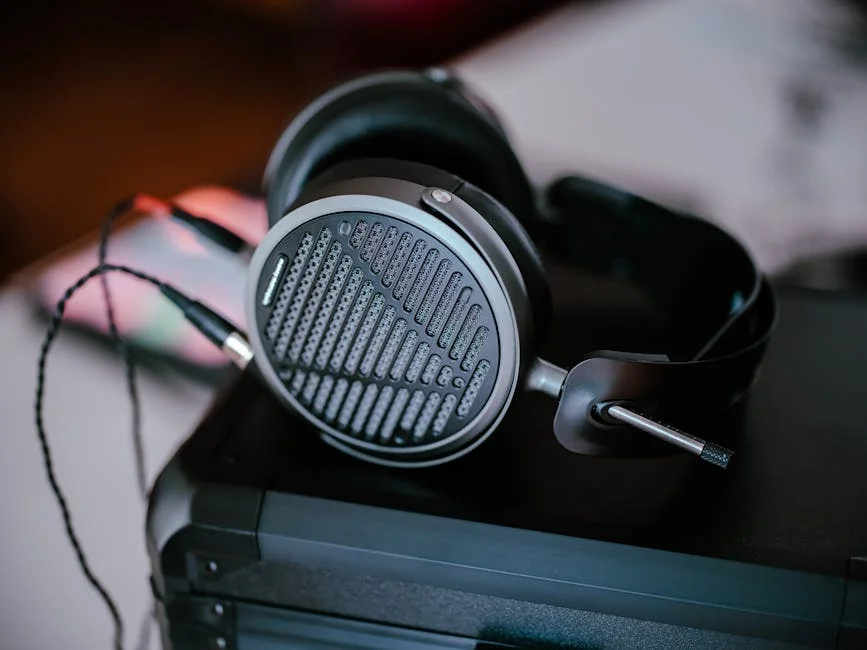
Quick Picks
ZMF Headphones Universe Earpads for Headphones
Premium materials and ZMF craftsmanship for long-term comfort
Dekoni Audio Elite Hybrid Earpads for Sennheiser HD600 HD650 HD660S HD6XX
Widely available on Amazon Prime , no wait for direct orders
Buy on AmazonBrainwavz Round Velour Memory Foam Earpads for Large Headphones
Pure velour material for breathable, comfortable extended wear
Buy on Amazon| Product | Price Range | Top Strength | Key Weakness | Buy |
|---|---|---|---|---|
| ZMF Headphones Universe Earpads for Headphones also consider | $$ | Premium materials and ZMF craftsmanship for long-term comfort | Premium pricing for earpads , significant upgrade cost | — |
| Dekoni Audio Elite Hybrid Earpads for Sennheiser HD600 HD650 HD660S HD6XX also consider | $$ | Widely available on Amazon Prime , no wait for direct orders | Changes sound signature , HD 600 owners should test carefully | Buy on Amazon |
| Brainwavz Round Velour Memory Foam Earpads for Large Headphones also consider | $ | Pure velour material for breathable, comfortable extended wear | Round shape not ideal for oval-cup headphones | Buy on Amazon |
Earpads wear out faster than most headphone owners expect. After a year or two of regular use, the foam compresses, the material cracks or flattens, and the acoustic seal that made your headphones sound the way you remember them starts to degrade quietly. Swapping earpads is one of the few headphone upgrades with a genuinely audible and measurable justification , not just in comfort, but in bass response and imaging. The full range of headphone accessories available for popular open-backs is broader than most buyers realize until they start looking.
Choosing the right replacement pads is not as straightforward as searching by headphone model. Material, depth, and internal cavity shape all shift the sound signature , sometimes in ways you want, sometimes in ways you don’t. The criteria worth understanding before choosing are material compliance, depth and its effect on driver distance, and how pad geometry interacts with your specific headphone’s tuning.

What to Look For in Replacement Earpads
Material and Its Effect on Sound and Comfort
Earpad material does two things simultaneously: it determines how the pad feels against your skin over a long session, and it shapes how sound reaches your ear. Velour is breathable and forgiving for hours-long wear , it runs cooler than leather alternatives and rarely causes skin irritation. The trade-off is isolation. Velour passes more ambient noise than leather or pleather, and on closed-back headphones, that’s a meaningful compromise.
Leather and leatherette materials create a tighter acoustic seal. That seal tends to emphasize bass extension and reduces high-frequency rolloff from pad gap leakage. Genuine leather , suede, lambskin, cowhide , molds to skin temperature and softens with use. Pleather is cheaper but hardens over time and cracks at the crease points, which is exactly the failure mode you’re replacing in the first place. If longevity matters, the material step-up from stock pleather to genuine leather is one of the more defensible upgrade expenditures in this hobby.
Hybrid pads combine both approaches, typically a velour face (the portion against your ear) with a leather or sheepskin outer ring. The goal is breathability at the contact point with some seal retention at the cup interface. Whether that compromise succeeds depends on the specific implementation and your headphone’s cup geometry.
Pad Depth and Driver Distance
Pad depth directly affects the acoustic distance between the driver and your ear canal. Shallower pads position the driver closer; deeper pads pull it back. This is not a subtle variable. Moving from a shallow stock pad to a deeper aftermarket pad changes the effective listening distance and can shift perceived soundstage width and imaging precision in either direction.
For planar magnetic headphones like the HiFiMan Sundara, pad depth interacts with how the planar driver projects across its surface area. Owners experimenting with pad swaps on planars report both expanded soundstage and, in some cases, a muddied transient response depending on depth. The community consensus on Head-Fi for Sundara pad swaps is to change one variable at a time and listen for a week before concluding anything.
Compatibility , Fit Systems and Cup Shape
Replacement pads attach to headphone cups in several ways: a friction-fit ring, a proprietary clip system, or an adhesive ring. Friction-fit pads are the easiest to work with , they seat and remove without tools. Proprietary systems, like the clip mechanism on some Sennheiser models, require pads cut to match that system or an adapter ring.
Cup shape is equally important. Oval pads on round cups gap at the corners; round pads on oval cups create pressure points at the sides. The HD 600/650 series uses a slightly oval cup, and owners who have tried purely round aftermarket pads report fit inconsistencies that affect seal. Checking pad geometry against your specific cup shape before ordering saves a return trip. The broader world of headphone accessories is well documented for the most popular models, and community compatibility threads on Head-Fi are reliable before committing.
Memory Foam vs. Standard Foam
The foam core inside the pad affects how the material conforms to your head and how long it maintains its shape. Standard foam is responsive and resilient , it returns to shape quickly and provides consistent pressure. Memory foam conforms to your specific head geometry and distributes clamping force more evenly, which reduces hotspots on extended sessions.
The downside of memory foam is that it responds to temperature. In cold environments, memory foam stiffens and takes longer to conform. For most home listening scenarios, this is a minor inconvenience. For anyone who listens immediately after the headphones have been sitting in a cool room, the first fifteen minutes with a cold memory foam pad are noticeably firmer than intended.
Top Picks
ZMF Headphones Universe Earpads
The ZMF Headphones Universe Earpads are what prompted me to take earpad upgrades seriously in the first place. After about eighteen months on the stock Sennheiser pads, the foam had compressed noticeably and the low-frequency extension I remembered from early listening sessions was clearly diminished. Replacing the stock pads with fresh Sennheiser originals improved the seal measurably , but fitting the ZMF Universe pads on the HD 600 changed the character of the listening experience in ways that went beyond restoration.
The materials ZMF uses , suede, lambskin, cowhide depending on the variant , are genuinely premium. The suede variant is what I run on the HD 600, and after extended sessions, there is no hotspot, no sweat accumulation, and no fatigue at the contact points that I used to associate with longer listening. On the Sundara, the Universe pads add a small amount of depth compared to stock, and community reports suggest this opens imaging slightly , consistent with what I hear, though I would characterize the difference as modest rather than transformative.
The honest framing here is that the ZMF Universe pads are primarily a comfort and materials upgrade. The sound changes are real but subtle , the bass seal improves because the pad geometry seats more consistently, and the suede breathability extends comfortable wear time. For HD 600/650 and Sundara owners who plan to keep their headphones for several more years, the investment holds up. For anyone expecting a radical tuning shift, owner consensus across Head-Fi suggests managing those expectations.
Check current price on Amazon.
Dekoni Audio Elite Hybrid Earpads for Sennheiser HD600 HD650 HD660S HD6XX
The Dekoni Audio Elite Hybrid Earpads occupy a pragmatic middle position in the HD 6XX family upgrade path. The construction pairs a velour face with a sheepskin outer ring and a memory foam core , Dekoni’s intent is to preserve the breathability that HD 6XX owners expect from velour while recovering some of the bass seal that pure velour tends to sacrifice.
Verified buyers on Amazon report a consistent pattern: the memory foam core provides noticeably better clamping-force distribution than the stock pads, and the sheepskin outer ring seats firmly on the HD 600 cup without the gap issues that all-round pads sometimes introduce. The sound signature change is real and worth noting before purchase. Multiple HD 600 owners in Head-Fi threads document a bass shelf increase with the Dekoni Elite Hybrid , whether that reads as an improvement or a departure from the HD 600’s characteristic balance depends on the listener’s preference. If you value the HD 600’s stock tuning precisely, audition the Dekoni pads with that context.
The meaningful case for these over the ZMF Universe pads is availability. Amazon Prime fulfillment versus a direct order from ZMF is a practical difference for buyers who don’t want to wait. For HD 6XX family owners who want a premium pad upgrade without the ZMF lead time, Dekoni is the stronger accessible option.
Check current price on Amazon.
Brainwavz Round Velour Memory Foam Earpads
The Brainwavz Round Velour Memory Foam Earpads are the entry point for anyone who wants a memory foam comfort upgrade without committing to a premium-tier earpad budget. These are universal fit , designed for large over-ear headphone cups , and the velour material is soft and breathable in the way that genuinely cheap foam is not.
The audience here is not the HD 600 or Sundara owner looking for a tuned upgrade. It is the owner of a gaming headset with collapsing stock foam who wants an inexpensive fix that extends daily wearability, or the buyer with a large-cup secondary headphone who needs fresh pads without spending at the Dekoni or ZMF tier. For that use case, owner reviews consistently describe a marked comfort improvement with no particular complaints about build quality at this price point.
The limitations are honest ones. Round pads on oval cups gap at the corners , this is a real isolation and seal issue for oval-cup headphones. Velour at any price point reduces isolation compared to leather or pleather. If your headphone has an oval cup, measure before ordering. If breathability is the priority and isolation is not, these deliver exactly what the spec sheet describes.
Check current price on Amazon.
Buying Guide
Matching Pad Material to Your Use Case
The first decision is material, and it maps cleanly to two variables: comfort duration and isolation need. Velour suits long sessions in quiet environments , it does not trap heat and does not irritate skin over hours. Leather and sheepskin suit environments where ambient noise is present or where bass extension matters, because the tighter seal they provide recovers low-frequency energy that velour leaks.
Hybrid pads are worth considering when both conditions apply , you want long-session breathability but also need more bass presence than pure velour delivers. The Dekoni Elite Hybrid is the most commonly cited implementation of this approach for the HD 6XX family, and the general design logic transfers to other headphone platforms.
How Pad Depth Changes Your Sound
Pad depth is the variable most buyers underestimate. Moving to a deeper pad increases the driver-to-ear distance, which typically widens perceived soundstage but can reduce perceived clarity on transients. Moving to a shallower pad does the opposite , more intimacy, more forward-sounding midrange, sometimes tighter bass.
For the HD 600 specifically, owner accounts on Head-Fi consistently note that the stock pad depth is calibrated to the headphone’s intended response. Significant depth changes shift the tuning in ways that may or may not align with your preference. The ZMF Universe pads add a modest depth increase over stock , enough to affect seal and comfort, not enough to dramatically alter the HD 600’s characteristic presentation. Use this as a reference point when evaluating any pad with a depth specification that differs substantially from stock.
Oval vs. Round Cup Geometry
Checking whether your headphone has an oval or round cup before ordering a replacement pad is not optional , it determines whether the pad will seat correctly. Oval cups paired with round pads produce corner gaps that break the acoustic seal and reduce isolation. Round cups are more forgiving of pad shape variation.
The HD 600 and HD 650 use oval cups. Pads designed specifically for the Sennheiser HD 6XX family, like the Dekoni Elite Hybrid, account for this geometry. Universal round pads , like the Brainwavz option , are best matched to headphones with large round cups or to headphones where isolation is not a primary concern. Browsing the full range of headphone accessories by headphone model rather than by pad type is the more reliable search approach for oval-cup headphones.
Stock Pad Condition and the Restoration Case
Before committing to an aftermarket upgrade, assess whether what you actually need is a restoration to stock. Compressed, cracked, or flattened stock pads produce a measurable seal degradation , the headphone sounds less capable than it did new, and an aftermarket upgrade is being compared to a degraded baseline.
Fresh stock pads for the HD 600 cost a fraction of the Dekoni or ZMF options and return the headphone to its intended tuning. If the reason for the swap is comfort or longevity rather than tuning exploration, stock restoration is worth pricing before moving to aftermarket. The ZMF and Dekoni upgrades are most defensible once the stock-condition question has been answered.
Budget and Long-Term Value
Earpads wear out. Whatever material you choose now, plan to replace them again. Velour pads flatten with use; leather and suede develop crease wear at the hinge points. Premium materials , genuine leather, lambskin , last longer than pleather before cracking, which shifts the long-term cost calculation away from the entry price.
For headphones you intend to keep for several years, mid-range and premium pad options amortize reasonably against the cost of the headphone itself. For a secondary or budget headphone, spending more on pads than the headphone cost is a poor allocation. Match pad tier to headphone tier and expected ownership duration. The Brainwavz tier is appropriate for budget and mid-fi secondary cans; the Dekoni and ZMF tiers make more sense for headphones you’ve committed to for the long term.
Frequently Asked Questions
Do replacement earpads change the sound of my headphones?
Yes, and the degree depends on material and geometry. Leather or sheepskin pads tend to improve bass seal and extension compared to velour alternatives. Pad depth changes the driver-to-ear distance, which affects perceived soundstage and midrange forwardness. The Dekoni Elite Hybrid is specifically documented by HD 600 owners to add a mild bass shelf over stock , worth knowing before purchase if you value the HD 600’s stock tuning.
Are the ZMF Universe earpads worth the premium over Dekoni for the HD 600?
For long-term comfort and material quality, the ZMF Universe pads are the stronger option , genuine suede or lambskin lasts longer and feels better over extended sessions than the Dekoni hybrid construction. For buyers who want Amazon Prime availability and a more accessible entry point, the Dekoni Elite Hybrid is a well-regarded alternative. The sound differences between the two are subtle; the material and durability difference is the more meaningful distinction.
Will the Brainwavz round pads fit my Sennheiser HD 600 or HD 650?
Technically they can attach, but the fit is imperfect. The HD 600 and HD 650 use oval cups, and the Brainwavz pads are round , this creates corner gaps that break the acoustic seal and reduce bass extension. For the HD 6XX family, pads designed specifically for that cup geometry, like the Dekoni Elite Hybrid, are the more reliable choice. The Brainwavz pads are better matched to large round-cup headphones.
How do I know when my earpads need replacing?
The clearest signal is visible foam compression or cracking at the surface material. A less obvious sign is degraded bass response , as the foam compresses, the seal weakens, and low-frequency extension drops noticeably. If your headphones sound thinner or less extended in the bass than they did when new, pad condition is the first thing worth inspecting before assuming a driver or amplifier issue.
Can I use the same replacement pads for gaming headsets and audiophile headphones?
Budget universal pads like the Brainwavz velour option suit gaming headsets well , they improve comfort over thin stock foam without requiring model-specific fit. Audiophile headphones with calibrated tuning, particularly the HD 6XX family, respond better to pads designed for their specific cup geometry and acoustic characteristics. Using a universal pad on a tuned audiophile headphone risks altering the intended sound signature in ways a headset owner would not notice or care about.