Cable Management for Headphones: A Practical Guide

Affiliate disclosure: Some links on this page are affiliate links. If you buy through them we earn a small commission at no extra cost to you. Recommendations are research-driven; we don't claim personal use of every product reviewed. Product prices and availability are accurate as of the date published and are subject to change. Always check Amazon for current pricing before purchasing. Learn more.
| Product | Price Range | Top Strength | Key Weakness | Buy |
|---|---|---|---|---|
| Beyerdynamic DT 990 PRO Open Studio Headphones also consider | $$ | Wide, airy soundstage from open-back design | Elevated treble causes fatigue for extended listening sessions | Buy on Amazon |
| Koss KSC75 Portable Stereophone On-Ear Headphones also consider | $ | Very low price for a wired headphone | Clip-on design less secure than traditional headband headphones | Buy on Amazon |
| Koss Porta Pro On-Ear Headphones with Case also consider | $ | Iconic 40-year-old design that still measures well by modern standards | Stock pad comfort varies; aftermarket pads are available | Buy on Amazon |
| Grado SR60x Prestige Series Wired Open-Back Headphones also consider | $ | Forward, energetic presentation that brings guitars and vocals to the front | Bowl pads become uncomfortable for sessions beyond an hour or two | Buy on Amazon |
| Beyerdynamic DT 770 PRO 32 Ohm Closed-Back Headphones also consider | $$ | Low impedance drives well from gaming headsets, phone jacks, and interfaces | Treble emphasis causes fatigue over long sessions for some listeners | Buy on Amazon |
| Sony MDR-7506 Professional Large Diaphragm Headphones also consider | $ | Studio standard since 1991, used in broadcast and recording worldwide | Older driver design sounds somewhat bright by modern audiophile standards | Buy on Amazon |
| Shure SRH440A Professional Studio Headphones also consider | $ | Flat studio monitoring tuning suitable for tracking and mixing | Treble can be harsh on certain recordings | Buy on Amazon |
Cable management for headphones sounds like a minor detail until you are three sessions deep into a tangled desk setup and you have accidentally yanked your cans off the table twice. The cable is a real, practical variable: its length, whether it coils or lies flat, whether it detaches, and how it routes from your source to your ears all affect daily usability in ways that frequency response graphs do not capture.
Why Cable Management Matters More Than You Think
Good cable design does not improve your sound. Bad cable design will absolutely ruin your experience. A coiled cable on a studio desk keeps clutter contained. A three-meter straight cable on a commuter pair is a liability. A non-detachable cable on a budget pair means one frayed connector ends the headphone’s life, no matter how good the drivers still sound.
The picks below live across the budget-to-mid price range, and they each have a distinct cable story worth knowing before you buy. If you are new to the hobby and want broader context on how these headphones fit into the wider landscape, the Buyer Guides section is a good starting point for building a decision framework.
Top Picks for Headphones With Thoughtful Cable Design
Beyerdynamic DT 990 PRO Open Studio Headphones
The Beyerdynamic DT 990 PRO is an open-back headphone, and for a specific type of buyer, the cable is a genuine selling point. It ships with a long, coiled cable purpose-built for desk use. That coil contracts when you lean back and extends when you step away from your machine without pooling on the floor.
The soundstage is wide and airy from the open-back design, and there is a massive library of EQ profiles available if you want to tame the highs. The 80-ohm version drives reasonably well from an interface or laptop; the 250-ohm version benefits from a dedicated amp. For a desk-bound gaming or casual mixing setup, the coiled cable format is a genuinely smart fit.
Check current price on Amazon.
Sennheiser HD 559 Open Back Headphones
The Sennheiser HD 559 is the entry point to Sennheiser’s 5xx lineage, and it ships with a straight cable at a length that suits home listening without excessive floor drag.
Bass extension is modest compared to closed-back alternatives at this tier, which is typical for this class of open-back. For a first-time open-back buyer who does not yet own a dedicated amp, the HD 559 is a low-friction starting point in the Sennheiser family.
Koss KSC75 Portable Stereophone On-Ear Headphones
The Koss KSC75 sidesteps the conventional cable management question almost entirely. The clip-on design means there is no headband to route a cable around, and the lightweight cable drops cleanly from each ear clip. The result is one of the least intrusive cable setups in the budget category.
The KSC75 is a clip-on headphone at a very low price. Koss also backs it with a lifetime warranty upon registration, which offsets the lightweight, no-frills build. The clip-on fit is less secure than a traditional headband, and there is zero isolation, so office environments with ambient noise will expose both limitations quickly. For a desk or home listening situation where isolation is not needed, it is difficult to argue against the value.
Check current price on Amazon.
Koss Porta Pro On-Ear Headphones with Case
The Koss Porta Pro has been in continuous production since 1984, and its folding frame is a practical cable management feature in its own right. When folded flat into the included carry case, the cable tucks against the frame with minimal bulk.
Like the KSC75, the Porta Pro carries a Koss lifetime warranty. The design has a lineage of roughly 40 years. The lightweight plastic build is less premium than mid-range headphones, which is fair context at this price band. Stock pad comfort varies, and aftermarket pad replacements are available. Cable-wise, the straight design is short enough for portable use and long enough for casual desk listening, which suits the Porta Pro’s dual-use intent.
Check current price on Amazon.
Grado SR60x Prestige Series Wired Open-Back Headphones
The Grado SR60x arrives with a straight, moderately thick cable that is fixed and non-detachable. The cable routes from a single entry point at the bottom of the left cup, which keeps management simple even if it is not elegant.
The sound is forward and energetic, with guitars and vocals pushed to the front of the mix. That presentation is either exactly what a rock or jazz listener wants or an acquired taste depending on who you ask. For the right listener and the right genre, the SR60x is a credible entry into a brand with real heritage.
Check current price on Amazon.
Beyerdynamic DT 770 PRO 32 Ohm Closed-Back Headphones
The Beyerdynamic DT 770 PRO 32 Ohm shares the coiled cable format of its DT 990 sibling, which keeps it anchored to the desk use case. This is a practical design choice for interfaces and studio setups where the cable needs to flex between seated and leaning positions without pooling underfoot. The cable is non-detachable, but the earpads and physical cable itself are field-replaceable, which extends the headphone’s lifespan.
The 32-ohm impedance is specifically selected for low-output sources: gaming headset adapters, phone jacks, and audio interfaces with modest headphone amplifiers all drive it without issue. The tuning has a treble emphasis, which can be fatiguing over long sessions. For a gaming or streaming setup where the coiled cable stays on the desk and the source has limited output power, the 32-ohm variant is the practical choice.
Check current price on Amazon.
Sony MDR-7506 Professional Large Diaphragm Headphones
The Sony MDR-7506 ships with a coiled cable and a screw-on 6.3mm adapter, a combination that signals its intended home: recording booths, broadcast desks, and field production kits. The coiled format has kept this headphone relevant in studio environments since 1991 because it solves the same desk cable management problem as the Beyerdynamic coiled designs, just from a different manufacturer with a different sound character.
Spec data and broadcast industry usage confirm the MDR-7506 as a genuine professional standard. Its bright, detailed tuning is designed to surface problems in recordings rather than flatter them. The folding design adds a portability story that the coiled cable partially complicates for travel, but for a stationary home studio or podcast desk, the cable is a strength.
Check current price on Amazon.
Shure SRH440A Professional Studio Headphones
The Shure SRH440A is the updated “A” variant of Shure’s workhorse studio monitor headphone, and the most notable cable upgrade in the revision is the addition of a detachable cable. A detachable cable means a frayed connector does not retire the headphone, and you can swap to a shorter cable for interface use or a longer one for mixing room flexibility.
The tuning is flatter than the consumer-oriented options on this list, which suits tracking and monitoring applications. Shure is a professional audio brand aimed at musician-facing buyers. Earpad compression is something to plan for, with replacement pads worth budgeting for. The ATH-M50x and DT 770 are comparable monitoring-oriented closed-backs at this tier.
Check current price on Amazon.
Buying Guide: How to Think About Cable Design for Headphones
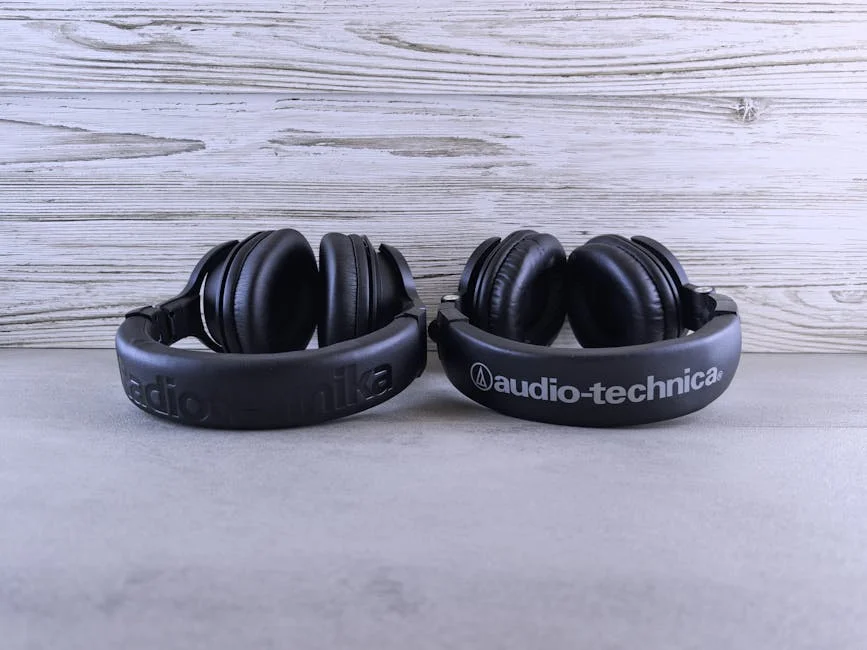
Matching a headphone’s cable design to your actual use case is one of the most overlooked steps in the buying process. Most buyers focus on frequency response and driver type, which makes sense, but the cable format shapes daily usability in ways that matter more after week one than during the first listening session. The headphone and accessories buying guides on this site cover the broader decision framework if you want to work through driver type, impedance, and source matching alongside cable considerations.
Coiled vs. Straight: Match the Cable to the Use Case
Coiled cables are purpose-built for stationary setups. They retract when slack and extend without tangling, which is exactly what you want on a mixing desk or gaming station.
Straight cables suit portable and commuter applications. The Koss Porta Pro and Koss KSC75 both use straight designs suited to that shorter, folded use case. A long straight cable on a portable pair is excess material that tangles in bags and jacket pockets, so cable length matters as much as cable type.
Detachable Cables and Long-Term Value
A detachable cable is a meaningful durability feature, not a premium vanity item. The Shure SRH440A’s updated “A” redesign added cable detachability, and that single change extends the practical lifespan of the headphone. When the connector frays on a fixed-cable headphone, you are facing a repair or a replacement. When it frays on a detachable-cable headphone, you are facing a cable swap.
At the budget price band, most headphones use fixed cables to keep cost down. The Koss lifetime warranty partially offsets this for their lineup, but it is not a universal solution. Buyers who plan to keep a pair for several years should weight detachable cable design as a practical longevity feature worth prioritizing.
Impedance and Source Matching Affect Your Cable Choice
This is a less obvious cable management variable, but it matters: a 250-ohm headphone paired with a low-output source may require a longer cable run to a dedicated amp, which adds a cable management layer to your desk setup. The 32-ohm DT 770 PRO exists specifically to remove that requirement, letting the cable route directly from a laptop or interface without an amp in the chain.
If your source is your laptop and your desk is compact, a low-impedance headphone with a shorter coiled cable keeps the whole setup tidy without additional hardware.
Clip-On and On-Ear Designs: A Different Cable Geometry
Clip-on headphones like the KSC75 have a fundamentally different cable geometry from over-ear designs. With no headband mass to anchor against, the cable drops from each ear clip, which means any cable tension pulls directly on the clip rather than distributing across a padded band.
For office and desk use, the clip-on cable geometry is a non-issue. For commuting or exercise use, the lack of headband anchoring means the cable needs more active management than a traditional over-ear pair.
EQ and Software Tools: Complement, Not Substitute
No cable management solution fixes a tuning mismatch. The DT 990 PRO’s coiled cable is a genuine ergonomic win for desk use, but if the V-shaped treble fatigues you in the first hour, a tidier cable does not change that. Published EQ presets (available for many major headphones on AutoEQ and similar repositories) are worth exploring alongside the physical setup.
EQ works best as a complement to the headphone’s base tuning rather than a correction tool. Start with a headphone whose stock tuning you find at least acceptable, and use EQ to refine from there. A well-managed cable on a poorly-matched headphone is still a poorly-matched headphone.
Frequently Asked Questions
Does cable length actually affect sound quality in headphones at this price range?
At the budget-to-mid price band, cable length has negligible impact on sound quality under normal desktop or portable listening distances. The electrical resistance added by a few extra meters of standard cable is below the threshold of audibility in real-world conditions. What cable length does affect meaningfully is ergonomics and trip hazard risk, which are the real variables worth managing.
Is a detachable cable worth prioritizing over a fixed cable?
For buyers planning to keep a pair for several years, yes. A detachable cable extends the headphone's practical lifespan because a frayed connector becomes a cable replacement rather than a headphone retirement. The Shure SRH440A uses a detachable design. Budget pairs like the Koss lineup offset fixed cables with lifetime warranty coverage, which is a different solution to the same durability problem.
Can I replace the cable on the Beyerdynamic DT 770 PRO or DT 990 PRO myself?
Beyerdynamic also sells replacement cables and service parts for both models, which supports long-term durability. If soldering is not something you want to deal with, budget for a professional repair at some point in a long ownership cycle.
Are coiled cables worse for commuting than straight cables?
Yes, in practice. Coiled cables retract under tension and extend under load, which is ideal for a fixed desk but creates snag and bulk issues in a bag or jacket pocket. If you plan to commute with a pair, a straight cable design like those on the Koss Porta Pro or Sennheiser HD 559 is the more practical format.
Do cable upgrades meaningfully improve sound quality on budget headphones?
Spending more on a premium aftermarket cable than the headphone itself costs is difficult to justify based on available evidence. Focus cable upgrade spending on detachability, correct length for your setup, and durable strain relief connectors. Those are the variables that affect real-world use.
Where to Buy
- Beyerdynamic DT 990 PRO Open Studio HeadphonesSee price on Amazon
- Koss KSC75 Portable Stereophone On-Ear HeadphonesSee price on Amazon
- Koss Porta Pro On-Ear Headphones with CaseSee price on Amazon
- Grado SR60x Prestige Series Wired Open-Back HeadphonesSee price on Amazon
- Beyerdynamic DT 770 PRO 32 Ohm Closed-Back HeadphonesSee price on Amazon
- Sony MDR-7506 Professional Large Diaphragm HeadphonesSee price on Amazon
- Shure SRH440A Professional Studio HeadphonesSee price on Amazon