Closed Back Studio Headphones Buyer's Guide

Affiliate disclosure: Some links on this page are affiliate links. If you buy through them we earn a small commission at no extra cost to you. Recommendations are research-driven; we don't claim personal use of every product reviewed. Product prices and availability are accurate as of the date published and are subject to change. Always check Amazon for current pricing before purchasing. Learn more.
Quick Picks
beyerdynamic DT 770 PRO 80 Ohm Over-Ear Studio Headphones
Proven studio closed-back with decades of professional use
Buy on AmazonAudio-Technica ATH-M50X Professional Studio Monitor Headphones Black
Industry-standard beginner closed-back with massive community support
Buy on AmazonSennheiser HD 560S Open-Back Over-Ear Wired Headphones
Flat, neutral frequency response praised by measurement enthusiasts
Buy on Amazon| Product | Price Range | Top Strength | Key Weakness | Buy |
|---|---|---|---|---|
| beyerdynamic DT 770 PRO 80 Ohm Over-Ear Studio Headphones also consider | $ | Proven studio closed-back with decades of professional use | V-shaped tuning with prominent treble , not for treble-sensitive listeners | Buy on Amazon |
| Audio-Technica ATH-M50X Professional Studio Monitor Headphones Black also consider | $ | Industry-standard beginner closed-back with massive community support | Mid-bass hump , not as neutral as AKG K371 alternatives | Buy on Amazon |
| Sennheiser HD 560S Open-Back Over-Ear Wired Headphones also consider | $ | Flat, neutral frequency response praised by measurement enthusiasts | Lighter bass weight compared to HD 600/650 | Buy on Amazon |
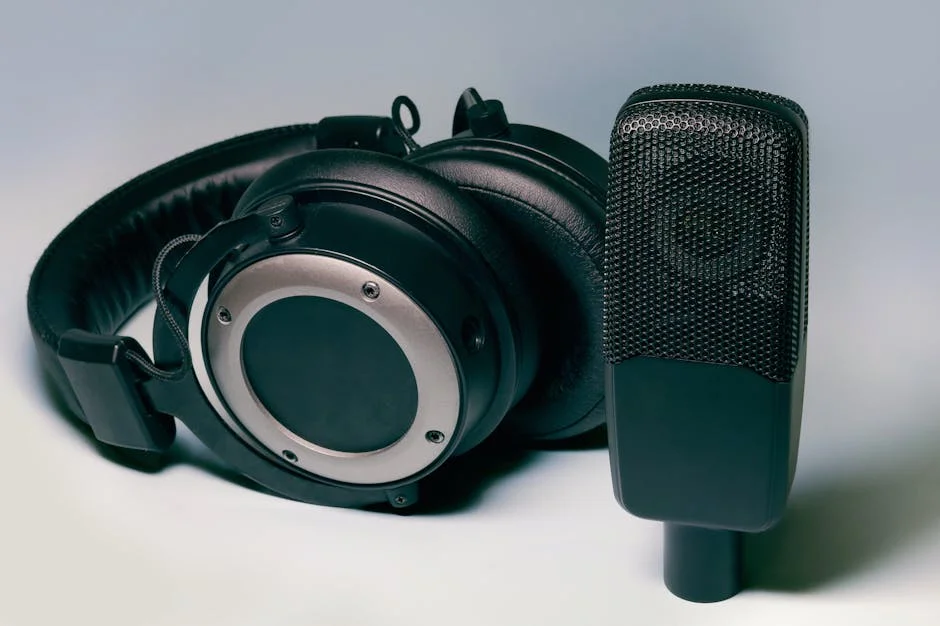
Closed-back studio headphones solve a specific problem , isolation. Whether you’re tracking vocals, mixing in a noisy apartment, or just blocking out a commute, a sealed enclosure keeps sound in and the world out. The trade-off, compared to open-backs, is a more constrained soundstage and, in cheaper designs, tuning choices that favor consumer preference over accuracy. Sorting through the options is easier once you know which criteria actually matter, and the broader headphones landscape is worth understanding before narrowing to this format.
The closed-back category spans everything from V-shaped consumer tunings marketed as “studio monitors” to genuinely flat designs built for critical work. The gap between those two camps is real, and it matters for how you’ll use the headphone day to day.
What to Look For in Closed-Back Studio Headphones
Frequency Response and Tuning
The most important variable in a studio headphone is whether the frequency response tells you the truth. A headphone with elevated bass or recessed mids will still sound pleasing , it may even sound exciting , but mixing decisions made on it won’t translate to other playback systems. The professional standard for monitoring is a response as close to flat as possible across the audible range, with a slight natural rise in the upper mids and a controlled top end.
V-shaped signatures , boosted bass and treble with a recessed midrange , are common in the closed-back category. They’re not inherently wrong for every use case. For tracking musicians who need to hear the click and the low end while performing, a bit of emphasis can reduce ear fatigue during long sessions. For mixing or reference listening, they’re a liability. Know your use case before letting the frequency response question resolve itself.
Impedance and Source Compatibility
Impedance affects how easily a headphone can be driven to adequate volume from a given source. Low-impedance headphones , typically under 100 ohms , will play at useful listening levels from a phone, laptop, or audio interface. Higher-impedance models can be more selective about source quality and may require a dedicated headphone amplifier to reach their potential.
This matters practically. A 250-ohm headphone that sounds thin and congested from a laptop output may open up significantly on a proper stack. Buying a headphone that technically requires amplification and then running it underpowered defeats the purpose. Match the impedance to the sources you actually own.
Isolation and Leakage
Closed-back headphones exist to isolate. But not all closed-back designs isolate equally. Passive isolation , the amount of external noise a sealed cup physically blocks , varies with ear cup depth, clamping force, and pad material. Velour pads breathe better but leak more; leatherette and pleather pads seal tighter and attenuate more external sound.
For studio tracking situations, leakage into the microphone is the critical concern. Headphones with looser seals or higher output at the driver can bleed audibly into a condenser mic at close range. If you’re using headphones while recording live vocals or acoustic instruments, isolation quality is a primary criterion, not an afterthought.
Build Quality and Long-Term Durability
A studio headphone that lives on a mix desk, gets handed between engineers, and gets dropped occasionally needs to survive that use. Detachable cables are a meaningful durability feature , a damaged cable on a fixed-cable design often means replacing the headphone entirely, while a detachable cable means a five-dollar repair. Replaceable earpads extend useful life significantly, since pad material degrades with sweat and UV exposure over a few years of regular use.
The broader headphone market includes both consumer designs with limited repairability and professional models engineered specifically for long service life. Beyond repairability, look at headband construction and yoke flexibility , stress points that break first on cheaper designs. Exploring full repairability specs before committing to a model is worth the additional research time.
Top Picks
beyerdynamic DT 770 PRO 80 Ohm
The beyerdynamic DT 770 PRO 80 Ohm has been in professional studios since the 1980s, and its continued presence there is not nostalgia , it’s evidence. Verified buyers and studio engineers consistently report the same things: exceptional isolation, robust build quality, and a headphone that survives the kind of daily abuse a tracking headphone receives. The 80-ohm version drives easily from audio interfaces and portable sources without amplification, which is why it’s the most recommended variant for general studio use.
The tuning is V-shaped. Owner consensus is clear on this, and it’s the primary thing to understand before buying. Bass extension is generous, treble is elevated , beyerdynamic’s characteristic upper-treble peak is present and audible to sensitive listeners. For mixing applications, that treble peak is a liability. For tracking musicians, producers monitoring their own performances, or listeners who want a closed-back with presence and energy, it works well and has decades of use to back it up.
Build quality is a genuine differentiator here. Made in Germany with a replaceable headband pad, replaceable earpads, and a robust yoke assembly , field reports consistently note the DT 770 surviving conditions that would end cheaper headphones. The non-detachable coiled cable is the one significant repairability gap, a design choice that hasn’t changed in forty years. For fixed studio use it’s a minor issue. For portable use it’s genuinely limiting.
Check current price on Amazon.
Audio-Technica ATH-M50x
The Audio-Technica ATH-M50x is the headphone the ATH-M50x launched the hobby for , it was my starting point before the HD600, and the “studio monitor” framing it ships with is partly responsible for that. It’s an honest reference to own here: this is one I know from actual use, not just from community aggregation.
What it does well is substantial. Three detachable cables in the box is a genuine value-add , a straight cable for desk use, two coiled variants for different scenarios. The foldable design and detachable cable system make it more travel-friendly than almost anything else at this price level. Build quality is solid, and the community support ecosystem , third-party pads, cables, and accessories , is larger than any comparable headphone in this category.
The caveat is real, though. Despite the “studio monitor” branding, the frequency response is not flat. There’s a mid-bass hump that adds warmth and fullness to the presentation, and it can obscure low-mid detail in ways that matter for mixing. The clamping force runs tight from new , owner reports consistently note fatigue in sessions over two hours until the headband breaks in. For first-time closed-back buyers, casual listening, and portable use, the M50x remains a sensible starting point. For critical monitoring, flatter alternatives exist.
Check current price on Amazon.
Sennheiser HD 560S
That’s worth stating plainly rather than glossing over. It appears here as a considered alternative for buyers who have flexibility on the isolation requirement , if you’re working in a quiet room and the sealed-cup constraint isn’t firm, the 560S represents a measurement profile that’s genuinely difficult to match at its price point in the closed-back category.
ASR measurements show a frequency response that trends close to the Harman target, with a slight bass roll-off that owners consistently describe as “honest but lean.” The 120-ohm impedance drives cleanly from phones and laptops , lower sensitivity than the HD 600/650 family, and notably more source-tolerant. Detachable cable and replaceable earpads are both present, which matters for long-term usability. The plastic construction draws fair criticism relative to pricier Sennheisers, but nothing in owner feedback suggests structural failure.
If isolation is the actual requirement, the 560S doesn’t serve that need , full stop. If you’re in this category because you want a studio-quality response and the closed-back constraint is negotiable, the 560S makes the case for reconsidering. It’s the cleaner measurement at this price level.
Check current price on Amazon.
Buying Guide
Matching Impedance to Your Gear
The single most avoidable mistake in buying a closed-back studio headphone is mismatching impedance to source. Low-impedance headphones , generally under 100 ohms , drive to adequate levels from phones, laptops, and USB audio interfaces without any additional hardware. The DT 770 Pro 80Ω and ATH-M50x both fall into this range and work predictably from standard consumer sources.
Higher-impedance versions of the same headphone can behave differently. The DT 770 Pro 250Ω, for example, is the same driver in the same shell but responds more selectively to source output impedance. Running a high-impedance headphone from a laptop’s built-in output often produces a tonally shifted result , typically thinner bass and compressed dynamics , that misrepresents what the headphone actually sounds like. If your sources are limited to laptop and phone, stay under 100 ohms.
Tuning Profile vs. Use Case
Not all studio applications require the same frequency response. Tracking , recording live performances while monitoring through headphones , benefits from some low-end extension and presence-range energy. It keeps musicians engaged and aware of what they’re laying down. Flat, accurate monitoring is more important for mixing and reference use, where decision-making based on what you hear has downstream consequences.
The ATH-M50x’s mid-bass hump and the DT 770’s V-shaped signature are both well-documented in the measurement community and in owner consensus. Neither headphone measures flat. That’s not a defect; it’s a tuning choice that suits certain use cases better than others. Know which category your primary use falls into, and let that answer the tuning question before anything else. Browsing the headphones section here has frequency response context that’s useful for comparison across categories.
Closed-Back vs. Open-Back for Your Specific Environment
The closed-back format solves the isolation problem and introduces a soundstage constraint. Whether that trade-off is acceptable depends entirely on your environment and workflow. In a shared studio where bleed into microphones is a real concern, closed-back is not optional , it’s the correct tool. In a private home studio with no live recording, the isolation benefit may be worth less than the accuracy cost.
Some buyers arrive at closed-back as a firm requirement and discover later that their use case was more flexible than they assumed. If you’re buying for quiet home listening in a private room, an open-back at the same price level will typically offer a more spacious and accurate presentation. The closed-back format earns its place in tracking, portable use, and high-noise environments , not universally.
Pad Material and Long-Term Comfort
Ear pad material affects both comfort over long sessions and the sonic character of the headphone. Leatherette and pleather pads create a better seal, improving isolation and extending bass response, but they trap heat against the ear , two-to-three hour sessions become noticeably uncomfortable for many users. Velour pads breathe better and are significantly more comfortable for extended wear, but they introduce minor high-frequency damping and reduce isolation slightly.
The DT 770 Pro ships with velour pads as standard , a deliberate choice for studio professionals who wear headphones for extended sessions. The M50x ships with leatherette, which contributes to the tighter clamping force that owners frequently mention. Both pad types are available in third-party replacements for most popular models, which means this is an adjustable variable after purchase if the stock configuration doesn’t work for your sessions.
Cable and Repairability Considerations
A headphone used professionally will eventually need a repair. The most common failure point is the cable , specifically the strain relief where the cable meets the ear cup. Detachable cables on the M50x and the HD 560S mean that failure is a minor replacement cost. The fixed coiled cable on the DT 770 Pro means a cable failure is either a DIY recable or a warranty/service situation.
For studio use, detachable cable design is worth weighting in the decision. For home listening where the headphone doesn’t move much, the fixed cable on the DT 770 is less relevant. Beyerdynamic’s customer service and parts availability are strong relative to the category average, which partially offsets the repairability gap , but it doesn’t fully close it.
Frequently Asked Questions
Is the DT 770 Pro 80 Ohm or the ATH-M50x better for studio monitoring?
Neither headphone measures flat, so neither is the strongest choice for pure monitoring accuracy. The DT 770 Pro 80Ω has more prominent treble extension, which can help with transient clarity on individual tracks during recording and editing. The ATH-M50x’s mid-bass hump tends to add warmth that can obscure low-mid mix decisions. For tracking musicians, the DT 770 is the stronger tool.
Do I need an amplifier to run the DT 770 Pro 80 Ohm from an audio interface?
No. The 80-ohm version is specifically designed for source compatibility without a dedicated amplifier, and owner reports confirm it drives to practical levels from standard USB audio interfaces, laptop outputs, and phones. The 250-ohm version of the same headphone is more amp-dependent and behaves differently from lower-output sources. If your setup is interface-only or laptop-only, the 80-ohm variant is the correct choice , the 250-ohm version is the one to pair with a dedicated amplifier.
The ATH-M50x is marketed as a “studio monitor” headphone , does it actually monitor accurately?
The “studio monitor” branding describes the headphone’s market positioning more than its frequency response. The M50x has a measurable mid-bass hump that adds warmth and body to the presentation. It’s not a flat response, and the audiophile community , including consistent ASR measurement data , has documented this clearly. It remains a useful headphone for casual listening and tracking, and the detachable cable and foldable design make it genuinely practical for mobile use, but buyers expecting flat reference performance will find flatter alternatives at comparable prices.
Should I consider the HD 560S if I need closed-back isolation specifically for recording?
No. The HD 560S is an open-back headphone and provides essentially no isolation. It leaks sound in both directions, which makes it unsuitable for any tracking situation where bleed into a microphone is a concern. It’s included here as an alternative for buyers whose use case is primarily quiet home listening , where the isolation requirement can be relaxed and a flatter frequency response becomes the priority.
Can the ATH-M50x’s clamping force be reduced without damaging the headphone?
Yes. Owner consensus across Head-Fi and r/headphones consistently recommends stretching the headband over a stack of books overnight , repeated over several sessions if necessary. The metal inner headband responds to gentle shaping, and most users report that clamping force normalizes to a comfortable level after a break-in period of a few days of this treatment. The Audio-Technica ATH-M50x is not unusually fragile in its headband construction, and this is a well-documented and low-risk modification.
Where to Buy
beyerdynamic DT 770 PRO 80 Ohm Over-Ear Studio HeadphonesSee beyerdynamic DT 770 PRO 80 Ohm Over-E… on Amazon