Bit Perfect Playback Explained: Audio Without Interference

Affiliate disclosure: Some links on this page are affiliate links. If you buy through them we earn a small commission at no extra cost to you. Recommendations are research-driven; we don't claim personal use of every product reviewed. Product prices and availability are accurate as of the date published and are subject to change. Always check Amazon for current pricing before purchasing. Learn more.
| Product | Price Range | Top Strength | Key Weakness | Buy |
|---|---|---|---|---|
| iFi Audio iFi xDSD Gryphon Portable Bluetooth DAC/Amplifier also consider | $$$ | Bluetooth aptX Adaptive delivers near-lossless wireless audio | Premium price in a portable device that can be lost or damaged | Buy on Amazon |
| Chord Electronics Chord Mojo 2 Portable DAC/Amp also consider | $$$ | Custom FPGA implementation with Chord's proprietary WTA filter | Ball-button interface is unintuitive and confusing for new users | Buy on Amazon |
| Sony WF-1000XM5 True Wireless Noise Canceling Earbuds also consider | $$$ | Best-in-class ANC among true wireless earbuds | Premium price; XM4 or XM3 available second-hand at significant discount | Buy on Amazon |
| Apple AirPods Pro 2nd Generation with MagSafe Case also consider | $$$ | Best ANC integration in the Apple ecosystem with system-level compatibility | AAC codec ceiling limits audio quality on non-Apple devices | Buy on Amazon |
| HiBy R3 Pro Saber Portable Music Player also consider | $ | 4.4mm balanced output at ~$129, exceptional value for balanced portable audio | Screen small and touch interface less responsive than flagship DAPs | Buy on Amazon |
Bit perfect playback is one of those terms that floats around audiophile forums constantly, but rarely gets explained in plain language. At its core, it means your audio player is sending audio data to your DAC exactly as it exists in the source file, with no resampling, no volume processing, no mixing, and no OS-level interference touching the signal before the DAC converts it.
Whether you’re playing local FLAC files on a dedicated audio player or streaming lossless audio wirelessly, the path your audio data takes before it reaches your ears matters more than most gear discussions acknowledge. The foundational concepts behind all of this are covered in the Audiophile Basics hub if you want context before going further.
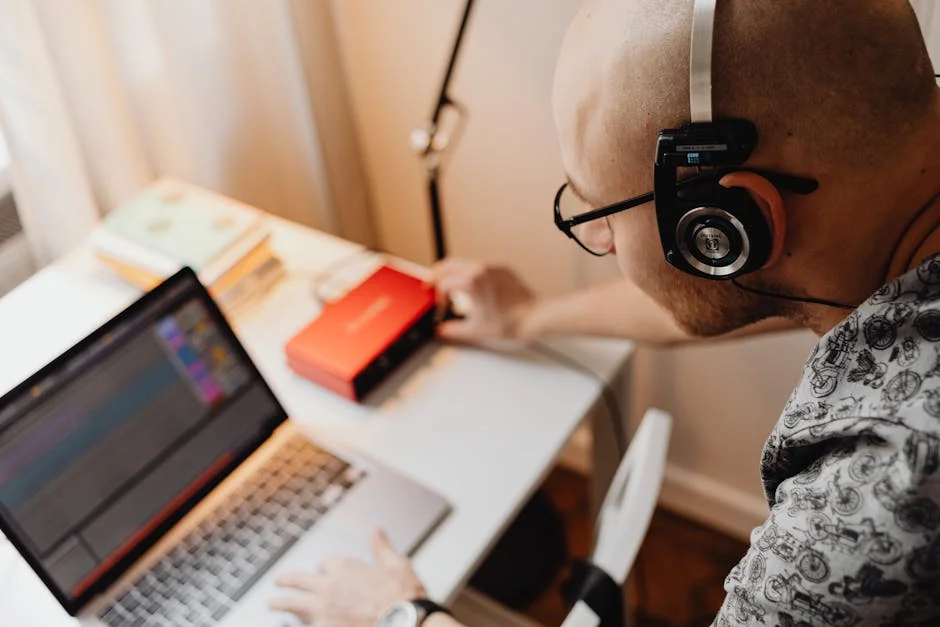
What “Bit Perfect” Actually Means
Bit perfect playback describes a signal chain where the digital audio data arrives at your DAC without modification. Every bit in the source file is transmitted to the DAC exactly as stored. No sample rate conversion happens in software. No OS mixer combines your audio with notification sounds and resamples the result. No digital volume control shaves bits off the word length.
The opposite of bit perfect is what most computers do by default. Windows Audio Session API (WASAPI) in shared mode, Core Audio on macOS without exclusive mode enabled, and most default Android audio paths all involve some level of OS-level processing. That processing may be inaudible in many cases, but it is definitionally not bit perfect.
Why This Matters for DAC Performance
Your DAC is designed to receive a specific sample rate and bit depth and convert it faithfully. When software upstream resamples a 44.1kHz file to 48kHz before handing it to the DAC, you’ve introduced a conversion step. Modern software resamplers are very good, and the audible difference may be minimal or nonexistent depending on implementation quality. But if the stated goal is to let your DAC receive exactly what the recording engineer produced, resampling breaks that chain.
The more meaningful concern in practice is volume normalization and mixing. If your OS is applying a digital volume reduction of even a few decibels, it is mathematically truncating bit depth. At -6dB of digital attenuation, you lose one full bit of resolution. For a 16-bit file, that’s not trivial. This is the practical argument for bit perfect playback that doesn’t rely on trained listening to validate.
How to Achieve Bit Perfect on Common Platforms
On macOS, the standard approach is using an application that requests exclusive access to Core Audio, bypassing the system mixer. Audirvana and Roon both do this. On Windows, WASAPI exclusive mode or ASIO drivers accomplish the same thing. The key is ensuring your player software is not sharing the audio device with the OS.
On Android, the situation is more complicated. Google’s audio stack has historically added resampling and mixing at the OS level. The USB Audio Player PRO app (UAPP) is a common solution for bit perfect USB audio output on Android, because it bypasses the standard Android audio path and communicates directly with a connected USB DAC. This matters for the DAP discussion below, because many Android-based digital audio players rely on either this bypass or their own custom audio implementation to achieve bit perfect output from their hardware.
Streaming services introduce their own wrinkle. Even with bit perfect software, you’re dependent on the streaming service actually delivering lossless data. Qobuz and Tidal (in FLAC mode) are the services with the clearest track record for verified lossless delivery. Spotify’s audio quality ceiling, regardless of bit perfect implementation, remains lossy. This is worth understanding before investing in source chain optimization for streaming.
Portable Sources and Bit Perfect: DAPs vs. Phone DAC Dongles
The practical application of bit perfect playback for most portable listeners comes down to a straightforward question: what is your source device, and what is it doing to your audio before it reaches the DAC? Digital audio players (DAPs) are the dedicated hardware alternative to using a smartphone as a source. They exist specifically to address source chain quality in portable use, and whether their advantage over a phone plus a good DAC dongle is audible is one of the more genuinely contested questions in portable audio right now.
Where DAPs retain an advantage is in convenience, battery independence from your phone, and hardware implementations that may offer lower noise floors for sensitive IEMs. Whether that translates to a meaningful real-world difference depends on what you’re driving and how sensitive your ears are to the difference.
Buying Guide: Choosing a Portable Source for Bit Perfect Audio
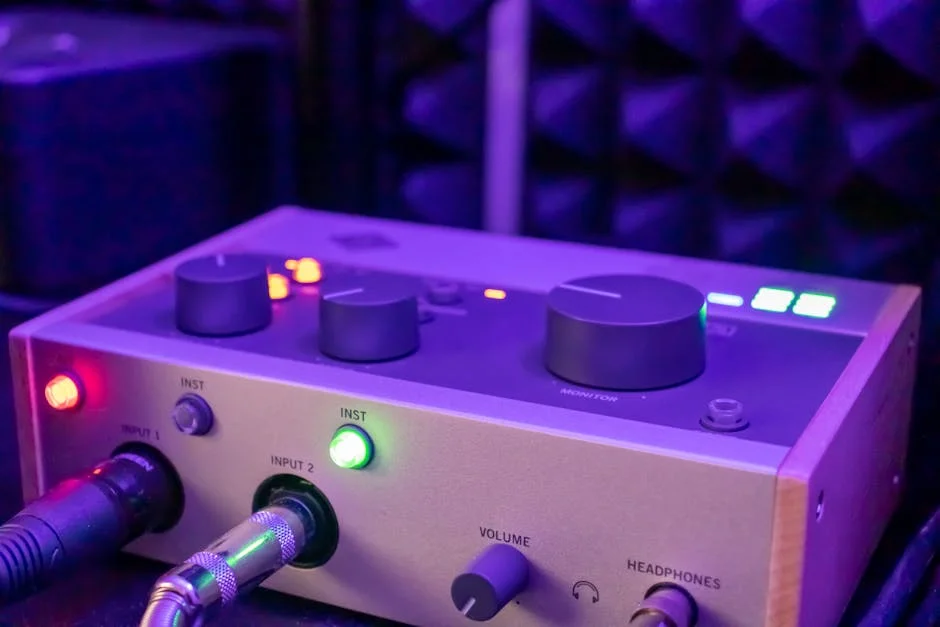
Understanding the DAP Value Proposition
A digital audio player is a dedicated portable device built specifically to play audio files. The core promise is a clean audio hardware implementation without the RF noise, notification interruptions, and shared computing resources of a general-purpose smartphone. For bit perfect playback specifically, many DAPs implement their own audio path that bypasses Android’s system mixer entirely, which is the main technical advantage over a stock phone. The Audiophile Basics guide covers source chain fundamentals in more depth if you want to understand where a DAP fits before purchasing.
The counterargument is that a flagship phone paired with a quality USB DAC dongle can achieve the same bit perfect output using UAPP, at lower total cost and in a form factor you’re already carrying. The DAP value proposition is strongest for users who want a dedicated audio device, users with very sensitive IEMs who need the lowest possible noise floor, and users who prefer a purpose-built interface for music playback without the distractions of a smartphone.
Android Version and App Support
This is a practical consideration that is easy to underweight in DAP buying decisions. Streaming services update their apps frequently, and older Android versions eventually lose support. A DAP running Android 5 may have excellent hardware but be unable to run current versions of Qobuz, Tidal, or Spotify. If streaming is part of your use case alongside local file playback, the Android version of a DAP matters as much as its DAC chip.
The gap between a DAP running Android 5 and one running Android 10 is significant in real-world streaming app compatibility. Newer Android versions also have better native support for high-resolution USB audio output and improved Bluetooth codec support. For buyers planning to use streaming apps on a DAP, Android 10 or newer should be treated as a minimum requirement, not a nice-to-have.
Balanced Output and What It Actually Does
Many DAPs at mid-range and above offer balanced audio output, typically via 2.5mm or 4.4mm Pentaconn connectors. Balanced output provides two separate amplification channels with inverted signal paths that cancel common-mode noise, theoretically improving channel separation and lowering the noise floor. In practice, the audible benefit depends heavily on the specific implementation and the headphones or IEMs you’re using.
For efficient dynamic driver IEMs in typical use, the difference between single-ended and balanced output from a well-designed DAP is often minimal. Balanced is worth having, but it’s not the primary reason to choose one DAP over another.
Bluetooth Audio Quality and Codec Transparency
Wireless listening and bit perfect playback are not mutually exclusive, but the codec used matters enormously. LDAC at its highest bitrate delivers enough bandwidth for lossless audio transmission. AptX Adaptive’s latest implementations can approach lossless. AAC over Bluetooth varies significantly depending on source device implementation, with Apple devices generally handling AAC encoding better than Android. Standard SBC should be treated as a lossy baseline with no meaningful high-quality audio claim.
The practical takeaway is that wireless audio quality is now codec-dependent more than hardware-dependent at the premium tier. A premium Bluetooth DAC/amp with aptX Adaptive or LDAC receiving a 24-bit lossless stream is delivering substantively different audio quality than the same device receiving an SBC stream. This is not a subtle distinction, and it’s worth verifying codec support before purchasing wireless source gear.
Top Picks
FiiO X5 Mark III
The FiiO X5 Mark III is a mid-range DAP built around dual AK4490 DAC chips and a dedicated audio hardware implementation. It offers a 2.5mm balanced output, which was less common at its price tier when it launched, and supports local high-resolution file playback in the formats that matter: FLAC, DSD, and high-bitrate lossy formats for library flexibility.
The limitation that matters most in current use is its Android 5.1 operating system. If your use case is primarily local file playback from a well-organized library on a microSD card, this limitation is less significant. If you want to run Qobuz or Tidal directly on the device, the Android version creates real friction. Spec data confirms the dual AK4490 implementation is capable hardware, but the software platform limits its usefulness in 2024.
The argument for purchasing it now rather than a more current Android device would need to be primarily price-based.
FiiO M11 Plus (ESS Version)
The FiiO M11 Plus ESS runs Android 10, which means current versions of Qobuz, Tidal, Spotify, and other streaming apps install and function. It uses the ESS Sabre ES9068AS chip, a design that is well regarded for low distortion and dynamic range, which makes it competitive with mid-range desktop DACs on specifications.
The form factor is large by smartphone comparison standards, which is worth knowing before purchasing. Note that the device is closer in size to a small tablet than a compact DAP, which affects pocketability.
The practical argument for the M11 Plus over a phone plus a quality DAC dongle is the dedicated audio hardware, a lower noise floor with sensitive IEMs, and single-device convenience for audio-focused use. It sits at the premium price tier, and at that level the DAC dongle alternative is real. For buyers committed to a dedicated DAP, it is a currently supported device.
iFi xDSD Gryphon
The iFi xDSD Gryphon occupies a specific niche: a premium portable DAC/amp that also functions as a Bluetooth receiver with aptX Adaptive support. That combination is genuinely useful for commuters who want the option of a wired connection to a laptop or phone and a wireless connection when cables are inconvenient. AptX Adaptive at its current implementation delivers sufficient bandwidth for lossless audio quality, which addresses the most significant complaint about Bluetooth audio from an audiophile perspective.
The physical volume dial is a consistent positive. App-based volume control on portable DACs is functional but less immediate than a physical knob, and the Gryphon’s dial is noted as a practical advantage in daily use. The XBass and XSpace filters are DSP additions that some users prefer off. They add coloration, and users coming from a measurement-focused perspective typically report leaving them disabled for unaltered output.
At the premium price tier, the Gryphon is competing against both other portable DAC/amps and against dedicated DAPs.
Check current price on Amazon.
Chord Mojo 2
The Chord Mojo 2 is technically interesting in a way that most portable DACs are not. Rather than using an off-the-shelf DAC chip, it implements Chord’s proprietary FPGA-based WTA (Watts Transient Aligned) filter using a custom digital signal processing approach. The FPGA implementation means Chord controls the entire conversion process rather than relying on a chip manufacturer’s internal filter design.
Published measurements show strong distortion figures and dynamic range, which validates the approach from a data perspective. The technical approach makes the Mojo 2 a different product from AK or ESS chip-based devices, even if the practical audible difference remains debated. The ball-button interface is a usability concern.
The Poly streaming module, which adds wireless and streaming capability to the Mojo 2, is a significant add-on that expands the device’s functionality considerably. The Mojo 1 on the second-hand market offers competitive performance for buyers whose primary concern is audio quality rather than the Mojo 2’s specific feature additions.
Check current price on Amazon.
EarFun Free Pro 3
The EarFun Free Pro 3 is notable specifically because it brings aptX Adaptive Bluetooth codec support to the budget price tier. AptX Adaptive’s maximum bitrate implementation delivers audio quality that approaches lossless transmission, and having that codec available in a true wireless earbud at this price point represents a meaningful shift in what budget wireless audio can deliver technically.
Published measurements show accurate frequency response tuning without significant coloration, which is not a given at this price. The budget price tier means the noise cancellation is a feature rather than a competitive capability.
For buyers whose primary concern is audio codec quality and accurate tuning at the lowest possible price, the Free Pro 3 represents strong value.
Sony WF-1000XM5
The Sony WF-1000XM5 are Sony’s current flagship true wireless earbuds and the reference product for ANC performance in the TWS category.
LDAC codec support is the relevant specification for audiophile listeners. At LDAC’s highest bitrate setting (990kbps), the codec delivers sufficient bandwidth for lossless audio transmission, making the XM5 one of the few true wireless earbuds where Bluetooth itself is not the quality ceiling. The Sony Headphones Connect app provides detailed EQ options and codec selection, giving users meaningful control over the listening experience.
Buyers with smaller ears occasionally report fit issues that affect passive isolation and wearing comfort. The XM4 and XM3 generations remain available on the second-hand market at meaningful discounts for buyers whose budget doesn’t extend to the premium tier.
Check current price on Amazon.
Apple AirPods Pro 2nd Generation
The Apple AirPods Pro 2nd Generation are a mainstream reference product for the crossover between consumer and enthusiast audio. For Apple ecosystem users specifically, the system-level integration delivers active noise cancellation, and Adaptive Transparency mode is aimed at situational awareness.
The codec limitation is the most relevant technical consideration for this audience. The AirPods Pro 2 use AAC over Bluetooth, which is a lossy codec with a lower maximum bitrate than LDAC or aptX Adaptive. Apple’s implementation of AAC is among the better ones available, and the quality ceiling is noticeably higher on Apple source devices than on Android. But it remains a lossy codec, and for listeners prioritizing lossless audio delivery, this is a real limitation that LDAC and aptX Adaptive devices do not share.
For non-Apple users, the AirPods Pro 2 case for audiophile use weakens considerably given the codec ceiling and the ecosystem lock-in.
Check current price on Amazon.
HiBy R3 Pro Saber
The HiBy R3 Pro Saber occupies the most interesting position in the budget DAP category: a compact device that delivers a 4.4mm balanced output at a price tier where that feature is genuinely uncommon. Spec data confirms an ES9219C DAC chip, which is a capable if not flagship chip, and the 4.4mm Pentaconn output gives IEM users access to balanced connections without a premium DAP investment.
The form factor is genuinely compact by DAP standards, closer in size to a large phone than the brick-like dimensions of many dedicated players. These are real trade-offs, not deal-breakers, but they affect the daily experience.
For streaming-first users, the Android version limitations are worth investigating before purchase.
Check current price on Amazon.
Pulling It Together
Bit perfect playback is not magic, and it’s not a guarantee of better sound. It is a technically defensible approach to source chain design: get the data to the DAC without touching it, let the DAC do its job, and move the conversation about sound quality to the hardware where it belongs. Whether a dedicated DAP, a portable DAC/amp, or a wireless TWS earbud with a quality codec is the right implementation depends entirely on use case and priorities.
For anyone building out their understanding of how source equipment fits into a complete listening setup, the Audiophile Basics hub covers the full chain from source to transducer in accessible terms. The truth, as usual, is in the middle.
Frequently Asked Questions
Does bit perfect playback make an audible difference?
It depends on what your system is currently doing. If your OS is applying digital volume control or sample rate conversion before the DAC, bit perfect output can eliminate those processing steps, and the difference is measurable. Whether it is audible in a listening test depends on the severity of the processing, the quality of your DAC, and your listening conditions. For most users on modern systems using exclusive mode audio software, the difference from a baseline of good (not bit perfect) playback may be very small.
Do digital audio players achieve bit perfect output by default?
Most modern DAPs implement their own audio path that bypasses Android's system mixer, which is the primary mechanism for achieving bit perfect output on Android-based devices. However, not all DAPs do this for all audio formats or apps. And manufacturer documentation for the specific device are the most reliable way to confirm implementation. When using streaming apps on a DAP, the app's own audio output behavior also factors into whether the final output is bit perfect.
What is the difference between LDAC and aptX Adaptive for lossless audio?
Both codecs deliver sufficient bandwidth for lossless-quality audio transmission at their maximum settings. LDAC at 990kbps is Sony's implementation, supported on Android 8 and above and on Sony's TWS earbuds. AptX Adaptive is Qualcomm's implementation, with maximum bitrates that have increased with successive versions of the standard. The practical difference for most listeners is device compatibility: LDAC is more widely supported on Android source devices, while aptX Adaptive requires Qualcomm chipsets on both source and receiving device.
Is a DAP worth buying if I already have a flagship smartphone?
For most users with a current flagship smartphone and a quality USB DAC dongle, the measured audio quality difference will be minimal to nonexistent. The DAP value proposition is strongest for listeners with sensitive IEMs who prioritize the lowest possible noise floor, users who want a dedicated audio device without phone distractions, and users with large local libraries of high-resolution files. The phone plus dongle approach matches DAP performance in measured terms in the majority of use cases.
Do streaming services support bit perfect playback?
Qobuz and Tidal in FLAC mode deliver lossless audio streams that can be passed bit perfectly to a DAC using appropriate software. Apple Music supports lossless streaming over a wired connection with compatible hardware, though Bluetooth transmission remains codec-limited. Spotify's maximum quality remains lossy regardless of playback software. The service itself sets the ceiling, and bit perfect software cannot improve upon a lossy source stream. Verifying that your streaming service is actually delivering lossless data is a prerequisite for meaningful bit perfect source chain optimization.
Where to Buy
- iFi Audio iFi xDSD Gryphon Portable Bluetooth DAC/AmplifierSee price on Amazon
- Chord Electronics Chord Mojo 2 Portable DAC/AmpSee price on Amazon
- Sony WF-1000XM5 True Wireless Noise Canceling EarbudsSee price on Amazon
- Apple AirPods Pro 2nd Generation with MagSafe CaseSee price on Amazon
- HiBy R3 Pro Saber Portable Music PlayerSee price on Amazon