DT 770 Pro Review: Studio Headphones Tested and Rated

Affiliate disclosure: Some links on this page are affiliate links. If you buy through them we earn a small commission at no extra cost to you. Recommendations are research-driven; we don't claim personal use of every product reviewed. Product prices and availability are accurate as of the date published and are subject to change. Always check Amazon for current pricing before purchasing. Learn more.
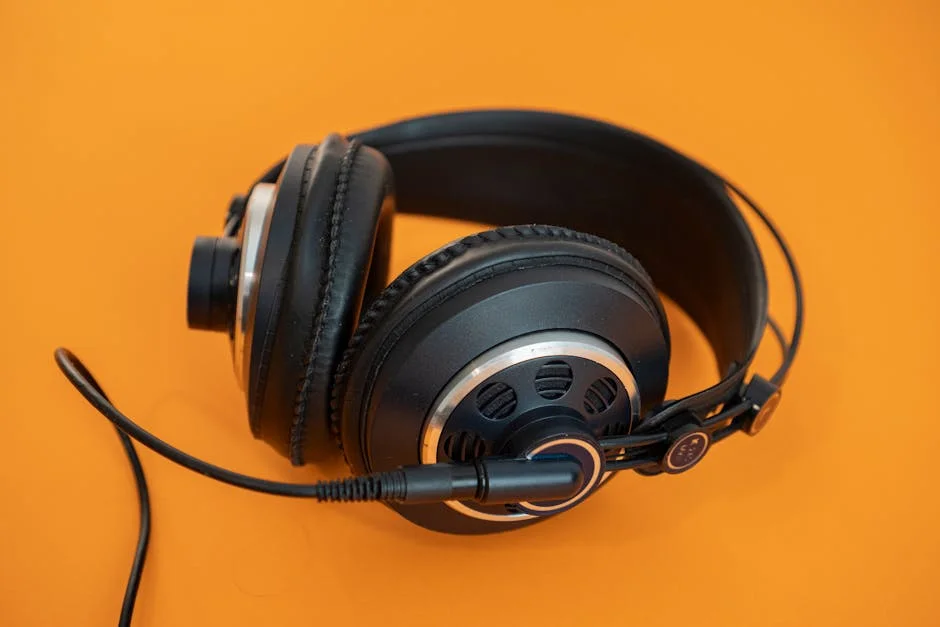
Proven studio closed-back with decades of professional use
See beyerdynamic DT 770 PRO 80 Ohm Over-E… on AmazonThe DT 770 Pro has been on studio equipment lists for decades , a closed-back dynamic driver that tracking engineers, broadcast professionals, and bedroom producers reach for when isolation is non-negotiable. It sits in the entry tier of headphones with a reputation built on durability and a recognizable V-shaped signature that owner consensus describes as immediately engaging. That reputation holds up under scrutiny, with some caveats worth understanding before buying.
What separates a good closed-back from a poor one at this tier isn’t always obvious from spec sheets. Build quality, impedance compatibility, isolation depth, and tuning character all pull against each other in ways that reward careful evaluation.
What to Look For in Closed-Back Studio Headphones
Impedance and Source Compatibility
Impedance determines how much voltage a headphone needs to reach usable listening levels. Low-impedance headphones , generally 32Ω to 80Ω , drive from phones, laptops, and audio interfaces without issue. Higher impedance designs, like the DT 770 Pro’s 250Ω variant, deliver their full performance only when paired with a dedicated amplifier. The 80Ω version covered here sits at a practical middle point: it works from portable sources without straining, and benefits modestly from a better amp without demanding one.
This matters more than many buyers realize. A headphone that sounds thin and distant straight from a laptop may not be poorly tuned , it may be underpowered. Verified buyers of high-impedance headphones consistently report a marked improvement when moving to a proper stack. For low-impedance designs, the gap between sources is audible but narrower.
Passive Isolation
Closed-back headphones exist primarily to block environmental sound, but their isolation depth varies considerably. Leather or pleather pads create a tighter seal than velour and attenuate more mid and high frequencies. Attenuation figures around 15, 20 dB are typical for well-designed closed-backs; poorly fitting headphones can underperform this substantially even with closed cups.
For tracking musicians who need to hear a click track without bleeding into microphones, or commuters who need to concentrate in loud environments, isolation depth is a primary criterion. Buyers who primarily listen at home in quiet rooms will find the isolation difference between closed-back designs less meaningful in practice.
Tuning Character: V-Shaped Versus Neutral
A V-shaped signature emphasizes bass and treble relative to midrange. This tuning is common in studio-marketed headphones because it creates a sense of detail and energy , percussive attacks feel crisp, low-end extension feels generous. Critics of V-shaped tuning point out that it can obscure midrange clarity and make vocal presence slightly recessed.
Neutral-leaning tuning, as found on headphones like the Sennheiser HD 600 series, prioritizes flat midrange and controlled bass. It rewards critical listening but can feel dry to buyers accustomed to consumer headphones. The choice is not about quality , it’s about application. Mixing engineers often prefer neutral. Tracking, gaming, and casual listening can suit either, depending on preference.
Build Quality and Long-Term Durability
Headphones used in professional environments take physical abuse. Studio monitors get knocked off stands, cables get stepped on, earpads compress over months. The long-term durability question matters more for frequently used headphones than for occasional listening gear.
Replaceable earpads and cables significantly extend a headphone’s practical life. Made-in-Germany construction, as seen on the DT 770 Pro, carries a reputational signal backed by owner reports of longevity measured in years, not months. Buyers who intend to use a headphone daily for tracking, broadcast, or streaming should weight build quality heavily in their decision. Exploring the full range of closed-back and open-back headphones options before settling on a style can clarify which use cases genuinely demand this level of durability.
Top Picks
beyerdynamic DT 770 PRO 80 Ohm
The beyerdynamic DT 770 PRO 80 Ohm is one of the more thoroughly field-tested headphones in the budget studio tier. Verified buyers and professional users have documented their experience with this headphone across forums, studio equipment guides, and audio community discussions for the better part of three decades. That consistency of record is itself meaningful data.
Owner consensus points to the V-shaped signature as the defining character trait , prominent bass weight, slightly recessed mids, and the characteristic beyerdynamic treble peak that sits around 8, 10kHz. That peak creates a sense of air and detail retrieval that some listeners find immediately appealing. Treble-sensitive listeners, however, consistently flag it as fatiguing on long sessions. If you know you’re sensitive to upper-treble edge , if brightness on cymbals or sibilance on vocals bothers you , the DT 770 Pro’s tuning is not the right match regardless of its other strengths.
The 80Ω impedance is the practical choice for most buyers. It drives confidently from audio interfaces, portable recorders, and laptop outputs without needing external amplification. The 250Ω version, while preferred by some for its marginally different bass character, genuinely benefits from a dedicated amp stack to reach its potential. For buyers without an existing amp setup, the 80Ω version is the correct starting point.
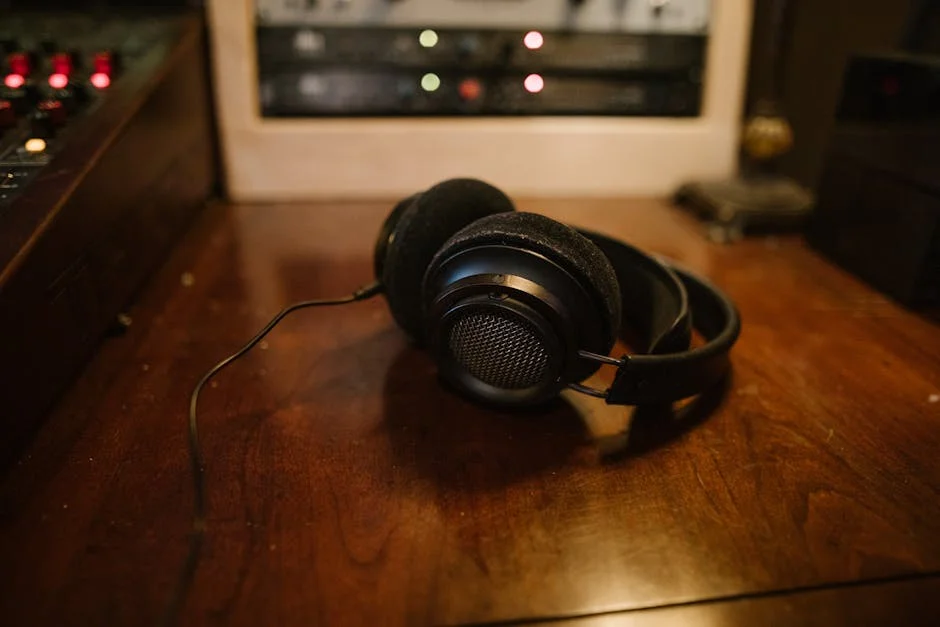
Build quality is among the strongest arguments for this headphone at its tier. The Made-in-Germany construction reflects in owner reports , these headphones survive years of regular studio use. Earpads and cables are user-replaceable, which matters for a headphone designed for professional daily use. The non-detachable coiled cable is the most frequently cited frustration; it limits portability and makes desktop use more ergonomic than commuting. For stationary studio and gaming applications, this is a minor concern. For buyers seeking a single headphone that works at home and on transit, it is a genuine limitation worth weighing.
Check current price on Amazon.
Buying Guide
Matching Impedance to Your Source
The DT 770 Pro’s 80Ω impedance is a deliberate practical choice. Audio interfaces , the Focusrite Scarlett series, the Universal Audio Volt, the Behringer UMC range , drive it without issue. A laptop headphone jack drives it adequately, though the floor hiss on some laptop outputs becomes audible at high volumes. Buyers who own or plan to buy an interface should select the 80Ω version and spend no further energy on amplification requirements.
The 250Ω version is worth considering only if a dedicated headphone amp is already in the chain. Pairing a 250Ω headphone with an underpowered source is one of the more common mistakes in this tier , the sound will reach listenable levels but not the headphone’s full dynamic range. Owner reports comparing the two versions across matched amplification describe modest tonal differences, not transformative ones.
Closed-Back Versus Open-Back for Your Use Case
Choosing between closed-back and open-back is a use-case decision before it is a sound quality decision. Closed-back headphones provide passive isolation and prevent sound leakage , essential for tracking with a live microphone, working in shared spaces, or late-night listening without disturbing others. The trade-off is a slightly more enclosed soundstage. Open-back designs like the Sennheiser HD 600 present a wider, more natural stereo image but bleed sound in both directions.
The DT 770 Pro is purpose-built for environments where isolation matters. Buyers evaluating it for critical home listening in a quiet room should ask honestly whether closed-back is required. If isolation is not the priority, open-back alternatives in the same tier deserve equal consideration. The headphone category covers both designs across price tiers for buyers still working through this decision.
Gaming and Streaming Considerations
The DT 770 Pro’s V-shaped tuning suits gaming applications well. Bass weight gives impact to low-frequency sound effects; treble emphasis increases directional cue clarity for footstep detection. The closed-back design isolates from room audio without the cost of an active noise-canceling system. Owner reports from gaming contexts consistently describe the DT 770 Pro as comfortable for long sessions, citing the velour earpads and clamping force that reduces over time.
Streamers who use the headphone while recording voice should be aware of the cable , the coiled design adds desk clutter and can transmit handling noise to microphones if the cable contacts the desk or chair arm. A short extension cable used as a strain relief point solves this cleanly.
Earpads, Comfort, and Long-Term Wear
The DT 770 Pro ships with velour earpads on the 80Ω version. Velour is less isolating than leather or pleather alternatives but significantly more comfortable on extended sessions. Owner reports on comfort are consistently positive for sessions over two hours , the clamping force on new units is firm and loosens with wear over the first few weeks.
Earpads are user-replaceable. Third-party pads , including leather alternatives for increased isolation , are widely available and documented in the owner community. Budget for a pad replacement at some point in the headphone’s life; velour compresses over heavy use and replacement restores the original acoustic character and comfort profile.
Treble Sensitivity: An Honest Assessment
The beyerdynamic treble peak is the most polarizing aspect of the DT 770 Pro’s tuning. Community field reports describe two clearly distinct response profiles: buyers who find the treble peak adds detail and energy to their listening, and buyers who find it causes fatigue within an hour. Both groups are reporting accurately , they have different sensitivity thresholds.
There is no EQ workaround that fully resolves this for treble-sensitive listeners without changing the headphone’s fundamental character. If you’ve had negative experiences with other V-shaped headphones and you’re considering the DT 770 Pro on the strength of its other attributes, factor treble sensitivity prominently. The 250Ω version is sometimes described as slightly smoother at the peak, but the difference is reported as minor, not corrective.
Frequently Asked Questions
Is the DT 770 Pro 80 Ohm good for gaming?
Owner consensus points to the DT 770 Pro as a strong gaming choice. The V-shaped tuning delivers bass impact for low-frequency effects and treble clarity for positional audio cues. Closed-back isolation keeps room noise from competing with game audio. The main limitation is the non-detachable coiled cable, which suits a stationary desktop setup better than a mobile one.
How does the DT 770 Pro compare to the Sennheiser HD 600 for music listening?
These headphones serve different use cases. The HD 600 uses a neutral, open-back presentation that favors critical listening and vocal clarity. The DT 770 Pro is a closed-back V-shaped design that emphasizes bass and treble energy. Buyers who want an accurate, natural sound for long listening sessions will find the HD 600 the stronger choice.
Do I need an amplifier for the DT 770 Pro 80 Ohm?
The 80Ω version drives adequately from audio interfaces, laptops, and portable sources. A dedicated amp is not required. Upgrading to a proper DAC/amp stack provides a modest improvement in dynamics and noise floor, but the gap is smaller here than with high-impedance headphones. The 250Ω version is a meaningfully different situation , it benefits substantially from amplification and should not be purchased without one.
Are the earpads on the DT 770 Pro replaceable?
Yes. beyerdynamic sells official replacement earpads, and a wide range of third-party options are available. The velour pads on the 80Ω version compress over time with daily use and benefit from periodic replacement. Replacing pads also allows buyers to experiment with leather alternatives for increased passive isolation, though velour is generally preferred for long-session comfort.
Is the DT 770 Pro worth buying if I’m treble-sensitive?
Probably not. The beyerdynamic treble peak is a consistent characteristic of the DT 770 Pro’s tuning, and owner reports from treble-sensitive listeners describe it as fatiguing rather than detailed. EQ can reduce the peak, but the headphone’s fundamental V-shaped character remains. Treble-sensitive buyers would be better served by a headphone with a more neutral or darker tuning profile before reaching for EQ as a first-order correction.
beyerdynamic DT 770 PRO 80 Ohm Over-Ear Studio Headphones: Pros & Cons
- Proven studio closed-back with decades of professional use
- 80Ω version drives easily from interfaces and portable sources
- V-shaped tuning with prominent treble , not for treble-sensitive listeners
Where to Buy
beyerdynamic DT 770 PRO 80 Ohm Over-Ear Studio HeadphonesSee beyerdynamic DT 770 PRO 80 Ohm Over-E… on Amazon