Headphones

DT 880 Review: Semi-Open Headphones Tested for Studio and Listening

Affiliate disclosure: Some links on this page are affiliate links. If you buy through them we earn a small commission at no extra cost to you. Recommendations are research-driven; we don't claim personal use of every product reviewed. Product prices and availability are accurate as of the date published and are subject to change. Always check Amazon for current pricing before purchasing. Learn more.
DT 880 Review: Semi-Open Headphones Tested for Studio and Listening
Our Verdict
beyerdynamic DT 880 PRO 250 Ohm Semi-Open Over Ear Studio Headphones

Semi-open design balances isolation with soundstage

See beyerdynamic DT 880 PRO 250 Ohm Semi-… on Amazon

The beyerdynamic DT 880 PRO sits in an unusual position , not quite a studio workhorse, not quite a listening headphone, but genuinely useful as both. For buyers exploring the semi-open segment of headphones, it’s one of the few options at this price band that earns serious consideration on tuning alone, without apology for build or heritage.

What makes the DT 880 harder to evaluate than its siblings is the word “neutral.” It gets applied here more than almost any other headphone in this range, and neutral means different things depending on what you’ve heard before.

headphones product image

What to Look For in a Semi-Open Studio Headphone

Impedance and Source Matching

Impedance is the specification that trips up the most buyers in this category. The 250Ω version of the DT 880 is not difficult to drive in the sense that it will refuse to produce sound , it will play from a phone. The question is whether it will play well. At high impedance, dynamic drivers behave differently under low-output-impedance sources: frequency response can shift, particularly in the bass, and the headphone’s character won’t fully emerge without adequate voltage swing.

For the DT 880 specifically, verified owner reports are consistent that the headphone opens up noticeably when driven from a dedicated amplifier. That doesn’t mean expensive , a budget stack in the range is typically enough , but laptop and phone outputs are genuinely not ideal. If you’re not ready to add a DAC/amp, the 32Ω version exists and is worth considering instead.

Semi-Open Acoustics: What You’re Actually Getting

Semi-open designs are sometimes marketed as “best of both worlds,” which sets expectations that don’t quite hold. The honest framing is that semi-open headphones make specific trade-offs rather than avoiding them. They provide more soundstage width than closed-back designs and somewhat more natural imaging, but they don’t isolate the way a closed headphone does, and they don’t fully disappear into space the way a truly open back does.

The DT 880’s semi-open design produces a presentation that sits closer to open than closed in practice. There is bleed , meaningful bleed at volume. It is not a headphone for open offices, commutes, or any situation where ambient noise management matters. Where it works is in quiet rooms, home studios, and focused listening environments where the partial acoustic openness adds air without the full exposure of a completely open design.

Frequency Response and Tuning Signatures

The DT 880 occupies a specific position in beyerdynamic’s lineup that matters for understanding its tuning. The DT 770 is bass-forward and closed. The DT 990 is the most V-shaped of the three , elevated bass, elevated treble, scooped midrange. The DT 880 is the most linear of the set: less bass elevation, a more even midrange, and the beyerdynamic treble that exists across the line but is comparatively less pronounced here than on the DT 990.

ASR measurements confirm the DT 880’s relative neutrality within the beyerdynamic family, though “neutral” here still means beyerdynamic neutral , there is a treble presence peak that sensitive listeners will notice, particularly on sibilant recordings or with certain genres. The midrange transparency is genuinely good for this price band, and that’s what makes it useful for mixing and referencing as well as casual listening.

Build Quality and Long-Term Durability

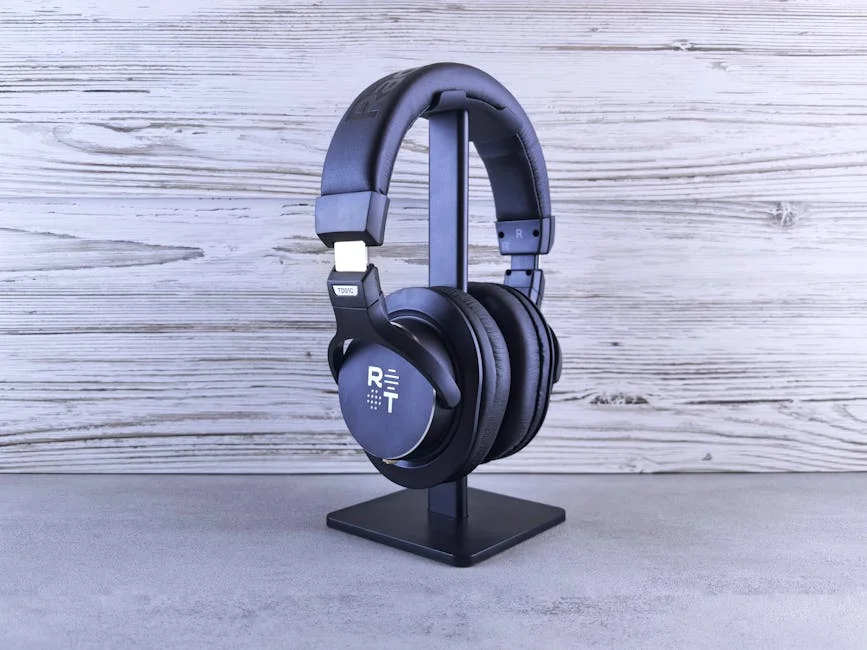
Beyerdynamic has manufactured headphones in Heilbronn, Germany since 1924. That heritage shows in the DT 880’s construction in ways that matter practically. The headband uses a steel frame. The ear cups adjust with metal gimbals rather than plastic pivots. The velour pads are replaceable. Every part that experiences wear is serviceable.

The Pro version’s non-detachable cable is the single structural compromise worth noting. It’s a long coiled cable suited to studio use , not ideal for desktop listening if you have the headphones close to a stack. For buyers who want a detachable cable, beyerdynamic offers the Edition version with the same driver in a different headband and cable configuration. Exploring the full landscape of open and semi-open headphones before committing to the Pro variant is worth doing , the Edition carries different ergonomic trade-offs that suit some setups better.

Top Picks

beyerdynamic DT 880 PRO 250 Ohm

The beyerdynamic DT 880 PRO is the choice for buyers who want a semi-open reference headphone with genuine build longevity and a tuning that sits closer to linear than most options at this price band. Owner consensus across Head-Fi, ASR’s forums, and r/headphones consistently positions it as the most useful of the three DT-series headphones for anyone prioritizing midrange accuracy over low-end impact or treble energy.

The HD600 comparison comes up constantly in these discussions, and it’s worth addressing directly. The two headphones serve overlapping but distinct purposes. The HD600 is warmer through the midrange and slightly rolled off on top; the DT 880 has more treble extension and a slightly cooler midrange character. Neither is objectively more accurate , they reflect different design philosophies, and listeners coming from the HD600 frequently find the DT 880’s upper range initially bright before adjusting. That adjustment period is real and documented. Whether it resolves into preference is listener-dependent.

What owner reports emphasize most consistently is the DT 880’s imaging performance. For a semi-open headphone at this price, the spatial cues are unusually well-defined , not the panoramic width of a fully open design like the HD800, but precise enough to be genuinely useful for mix referencing and for listeners who prioritize instrument placement. Verified buyers doing home studio work cite this specifically, and it’s the feature that most distinguishes the DT 880 from similarly-priced closed alternatives.

The 250Ω impedance means the pairing conversation matters here more than with low-impedance alternatives. Field reports are clear that a budget DAC/amp , the Schiit Magni/Modi stack, the iFi Zen DAC, even a JDS Atom , transforms the presentation relative to laptop output. The improvement is not subtle. This is a headphone where the source dependency that sometimes reads as audiophile mythology has real practical content: the DT 880 is noticeably more composed and controlled out of a proper stack.

Check current price on Amazon.

Buying Guide

headphones product image

Understanding the DT 880’s Three Versions

Beyerdynamic sells the DT 880 in three impedance ratings , 32Ω, 250Ω, and 600Ω , and in two form factors: the Pro and the Edition. These aren’t cosmetic variants. They represent meaningfully different use cases. The 32Ω version is designed for mobile and portable use without amplification. The 250Ω is the most common recommendation and strikes the best balance between amplification accessibility and the performance characteristics the headphone is known for. The 600Ω is for users with high-output desktop amplifiers who want to extract the maximum from the driver.

The Pro version uses a coiled cable and a straight headband more suitable to extended studio wear. The Edition uses a detachable cable and a more conventional padded headband that some listeners find more comfortable for home listening sessions. If detachable cable matters to you , for cable management, future replacement, or balanced output connections , the Edition is the correct version to pursue.

Amplifier Pairing at the Budget Tier

The question buyers ask most is how much amplifier the DT 880 actually needs. The practical answer, supported by owner consensus, is that almost any purpose-built DAC/amp designed for headphone use will be sufficient. The threshold the DT 880 requires isn’t high , it needs adequate voltage, not exotic output stages.

The Schiit Magni Heresy, JDS Atom Amp, and iFi Zen DAC V2 all appear consistently in owner pairing reports with positive results. The pattern that emerges from these accounts is that the improvement between laptop output and any of these budget units is larger than the improvement between these budget units and mid-range separates. Getting to the first tier of dedicated amplification is the meaningful step. For users already invested in the headphone hobby with an existing stack, the DT 880 250Ω will pair well with virtually any desktop setup they already own.

Who the DT 880 Is and Isn’t For

The DT 880 is the right choice for listeners who want semi-open acoustics, care about midrange transparency, and are willing to add amplification. It’s particularly well-suited to home studio use, mixing reference listening, and buyers who are drawn to beyerdynamic’s build quality and repairability.

It is not the right choice for portable use, for buyers who need meaningful isolation, or for listeners who strongly prefer warm or bass-forward tuning. The treble presence peak is real and will surface on certain recordings , buyers sensitive to brightness who have found the DT 990 fatiguing should approach the DT 880 with caution rather than assuming the family resemblance ends at the bass. It is less elevated than the DT 990, but it is not absent.

The Semi-Open Use Case in Practice

Where semi-open headphones lose buyers is in the expectation mismatch between “some isolation” and meaningful isolation. The DT 880 Pro at listening volume will be audible to people in the same room. This isn’t a flaw , it’s a physical consequence of the design , but it’s a factor that determines whether the headphone fits your actual listening environment.

For buyers who want a reference headphone for home use in a quiet space, the semi-open design is an asset. The partial acoustic openness contributes to the headphone’s imaging characteristics and reduces the closed-in feeling that many listeners find fatiguing over long sessions. For buyers in shared spaces or noisy environments, a closed-back alternative is the more practical decision regardless of how the DT 880 measures.

Longevity and the Serviceability Argument

One practical argument for the DT 880 that doesn’t appear in frequency response measurements is the service argument. Beyerdynamic makes replacement parts , ear pads, headbands, cables , available for purchase. The DT 880 that a buyer purchases today is a headphone that can be maintained for a decade. Driver failures are rare; pad wear is inevitable; pad replacement is straightforward.

For buyers who approach headphone purchases as medium-to-long-term investments rather than disposable gear, this matters. The beyerdynamic parts ecosystem is one of the most accessible in the industry. That’s a practical consideration worth weighing alongside the acoustic ones.

headphones product image

Frequently Asked Questions

Does the DT 880 250Ω require an amplifier, or can it run from a phone or laptop?

It will produce sound from a phone or laptop, but owner reports consistently show the headphone doesn’t perform at its full capability without dedicated amplification. Voltage is the constraint , the 250Ω driver needs adequate swing to control properly. The gap between laptop output and a budget DAC/amp is consistently described as the largest improvement step in the DT 880’s source chain. The 32Ω version exists specifically for users who need portable, unamplified use.

How does the DT 880 compare to the Sennheiser HD600 at a similar price band?

The two headphones are frequently compared as reference-tier options in the mid-market. The HD600 is warmer, more weighted through the upper bass and lower midrange, and slightly rolled off in the treble. The DT 880 has more treble extension and a cooler overall character. Listeners coming from the HD600 often find the DT 880 initially bright.

What is the difference between the DT 880 Pro and the DT 880 Edition?

The Pro version uses a non-detachable coiled cable and a straight, unpadded headband designed for extended studio wear. The Edition uses a detachable cable and a padded headband more suited to home listening ergonomics. The driver and acoustic design are the same across both. The choice comes down to whether you need a detachable cable , for balanced connections, cable management, or future replacement , and which headband style fits your wearing patterns.

Is the DT 880 a good headphone for music production and mixing?

Owner consensus and field reports from home studio users position it positively for mixing reference use. The midrange transparency is the relevant asset , the DT 880 resolves detail in the vocal and instrument range clearly enough to be useful for balance decisions. The treble presence peak means some mixes will require cross-checking on a warmer headphone or speakers before finalizing high-frequency decisions. It is more useful for mixing than a bass-forward headphone and less fatiguing for long sessions than the DT 990.

How does the DT 880 compare to its siblings , the DT 770 and DT 990?

The DT 770 is closed-back and bass-elevated , the isolation-focused option in the lineup. The DT 990 is fully open and V-shaped, with more bass and significantly more treble than the DT 880. The DT 880 is the most neutral of the three: semi-open, less bass emphasis, and a more even midrange. Buyers who found the DT 990’s treble fatiguing will find the DT 880 more manageable, though the beyerdynamic treble character is present across all three , it’s a matter of degree, not kind.

headphones product image

beyerdynamic DT 880 PRO 250 Ohm Semi-Open Over Ear Studio Headphones: Pros & Cons

What we liked
  • Semi-open design balances isolation with soundstage
  • More neutral tuning than DT 770 or DT 990 siblings
What we didn't
  • 250Ω impedance requires an amplifier , not plug-and-play

Where to Buy

beyerdynamic DT 880 PRO 250 Ohm Semi-Open Over Ear Studio HeadphonesSee beyerdynamic DT 880 PRO 250 Ohm Semi-… on Amazon

Marcus Tran

About the author

Marcus Tran

UX researcher, mid-size SaaS company (Austin, TX). Self-described "three years in" hobbyist audiophile. Started March 2022 (Sennheiser HD600 on Drop deal). Headphones owned: HiFiMan Sundara (2022 revision, purchased new October 2023, daily driver), Sennheiser HD600 (original; still used for reference), Audio-Technica ATH-M50x (kept for closed-back utility), Sony WH-1000XM5 (travel/ANC). IEMs owned: Moondrop Blessing 3 (daily driver IEM), Moondrop HEXA (backup/commute). Gear sold: Kiwi Ears Quartet, 7Hz Timeless (both replaced by Blessing 3 upgrade). Primary desktop chain: Schiit Modi+ DAC + Schiit Magni+ amp. Backup: FiiO DX3 Pro+ (also used as standalone DAC/headphone amp). Portable: FiiO BTR7 (primary Bluetooth DAC/amp), Qudelix 5K (used for EQ work and IEM chain). Source: Mac mini M1, Qobuz Studio subscription. Saving for Focal Clear MG — first planned flagship-tier purchase. Lives with partner Hannah (clinical psychologist) in East Austin (two-bedroom apartment; spare room is listening space and home office). B.A. Cognitive Science, UT Austin (2014). Does not attend audio meetups. Reads ASR, Head-Fi, Crinacle, Resolve Reviews, Currawong daily. Does not accept loaner gear. Not a professional reviewer. Does not claim expertise outside entry-to-mid-tier. · Austin, Texas

Three years into the hobby. UX researcher in Austin, TX. Sundara daily driver, Schiit Modi+/Magni+ stack, Blessing 3 for IEMs. Writes the guides I wish I'd had when I started.

Read full bio →