FiiO K9 Pro ESS Review: Premium Desktop DAC/Amp Combo

Affiliate disclosure: Some links on this page are affiliate links. If you buy through them we earn a small commission at no extra cost to you. Recommendations are research-driven; we don't claim personal use of every product reviewed. Product prices and availability are accurate as of the date published and are subject to change. Always check Amazon for current pricing before purchasing. Learn more.
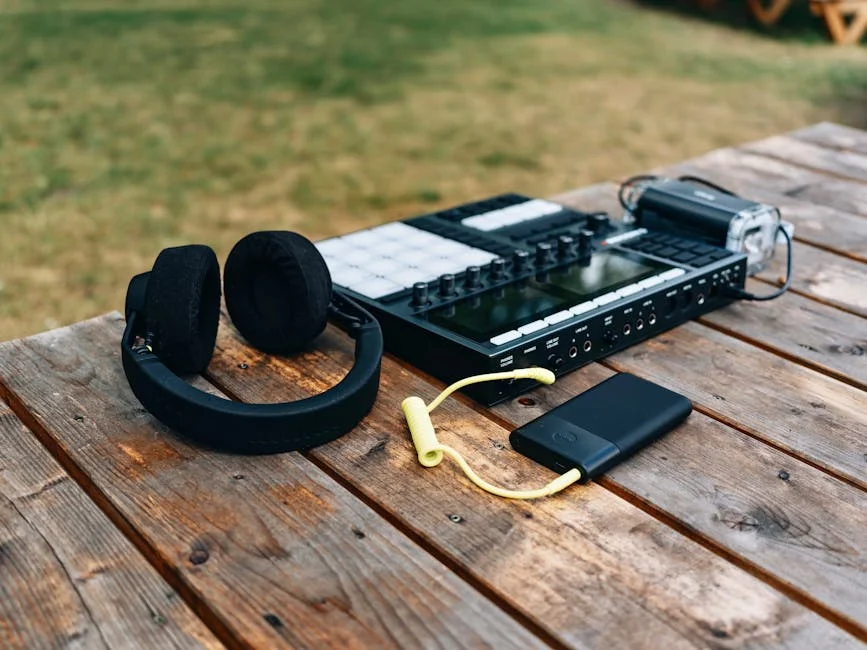
THX AAA 788+ amplifier technology with exceptional power output
See FiiO K9 Desktop Headphone Amplifier D… on AmazonDesktop DAC/amp combos occupy a middle ground in source gear: capable enough to drive demanding headphones, simple enough to avoid the complexity of a full separates stack. The FiiO K9 Pro ESS sits near the top of that category, pairing THX AAA 788+ amplification with dual ES9068AS DAC chips in a single chassis. For planar magnetic headphone buyers who want a single-box solution with real driving power, it is one of the more serious options in the premium all-in-one tier. The DACs landscape has expanded considerably, but this one warrants a close look.
This review is compiled from manufacturer specifications and published measurements.
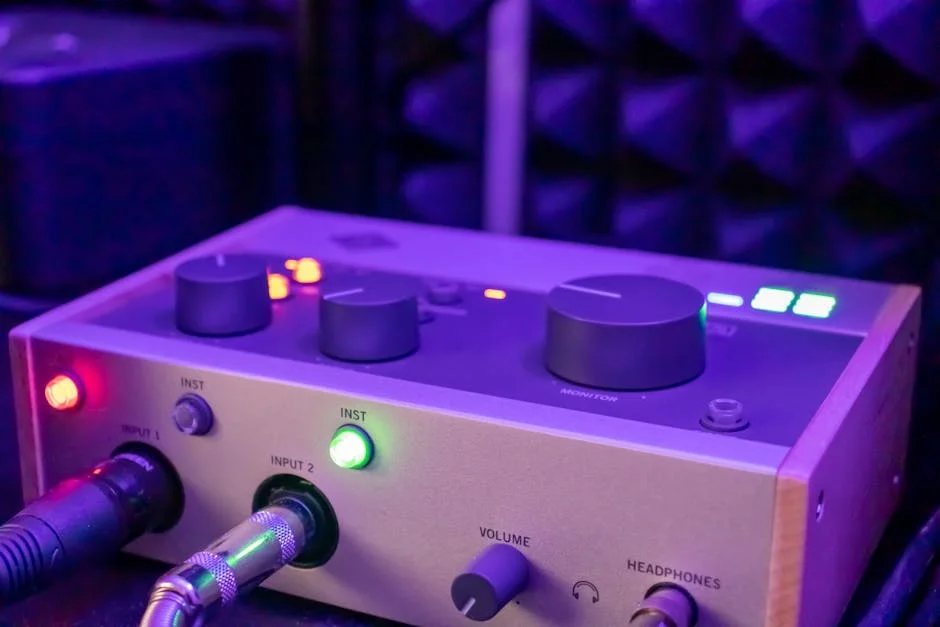
What to Look For in a Desktop DAC/Amp Combo
Output Power and Headphone Matching
Not all desktop DAC/amp combos are built for the same headphones. A unit sized for easy-to-drive dynamics like the HD600 can still fall short for planar magnetics: the HiFiMan Sundara, the Audeze LCD series and similar headphones benefit from real output headroom, not just adequate measurements on paper.
The relevant spec is output power at the headphone’s impedance, but wattage alone doesn’t tell the whole story. Output impedance matters for low-impedance planars, since a high output impedance causes frequency-response shifts that can muddy the low end. Planar buyers should look for combos with low output impedance alongside high wattage figures.
THX AAA amplifier technology, used in the K9 Pro ESS, is known for low distortion and high transparency. The AAA 788+ implementation here is the topology’s more capable variant, relevant for buyers who want the amplifier section to stay out of the way of the DAC’s performance.
DAC Chip Architecture and Balanced Operation
DAC chip choice generates more debate than it probably deserves, but chip architecture does influence the implementation. The ESS ES9068AS chips in the K9 Pro ESS are designed for balanced differential output, and running two chips, one per channel, is intended to extract their full performance.
Balanced output also affects practical headphone compatibility. Headphones with balanced termination (4.4mm Pentaconn or XLR) can take direct advantage of the balanced output stage. Single-ended users still benefit from the cleaner noise floor, but the full output power is reserved for balanced connections. For planar buyers already invested in balanced cables, this architecture is directly relevant.
Connectivity and Input Flexibility
A premium desktop unit justifies its footprint partly through input flexibility. USB, optical, coaxial and Bluetooth inputs mean the K9 Pro ESS can act as a hub for a desktop system: a computer, a streamer and a TV can all connect without swapping cables.
Bluetooth LDAC support extends the use case to wireless sources without the lossy compression of SBC or AAC. For users who stream from a phone or tablet, LDAC at high quality modes is the best Bluetooth option available. It is a practical convenience feature that affects daily workflow more than many audiophile specifications do.
The Separates Trade-off
The strongest argument against a premium all-in-one is budget allocation: at the same total outlay, a dedicated DAC and a dedicated amplifier often deliver better performance in each domain than a combo unit. The combo format wins on simplicity, footprint and single-power-supply management.
Buyers who prioritize desk space and simplified setup over maximum performance per dollar will find the all-in-one argument compelling. Those optimizing purely for performance may want to explore the full range of DAC and amplifier pairing options before committing.
Top Picks
FiiO K9 Pro ESS
The FiiO K9 Pro ESS builds its case on two foundations: a capable amplifier section and a DAC implementation that doesn’t ask you to choose between them.
Dual ES9068AS chips in a dual-mono configuration handle the DAC duties. The ES9068AS is a current-generation ESS chip designed with differential balanced output in mind, and running one per channel treats balanced output as the primary architecture rather than a secondary mode. For demanding planar headphones, the combination of a high-output THX AAA amplifier and a balanced DAC stage is the unit’s main appeal.
The practical objections are real. A large desktop footprint means the unit claims significant desk space. And for buyers who can tolerate the complexity, investing the same premium budget in separates, such as a dedicated ES9028PRO or R2R DAC paired with a dedicated THX amplifier or tube hybrid, can outperform the combo in both domains. The K9 Pro ESS wins on consolidation, not on maximum performance per dollar. For planar buyers who want powerful, transparent amplification without building a component stack, the case is strong.
Check current price on Amazon.
Buying Guide
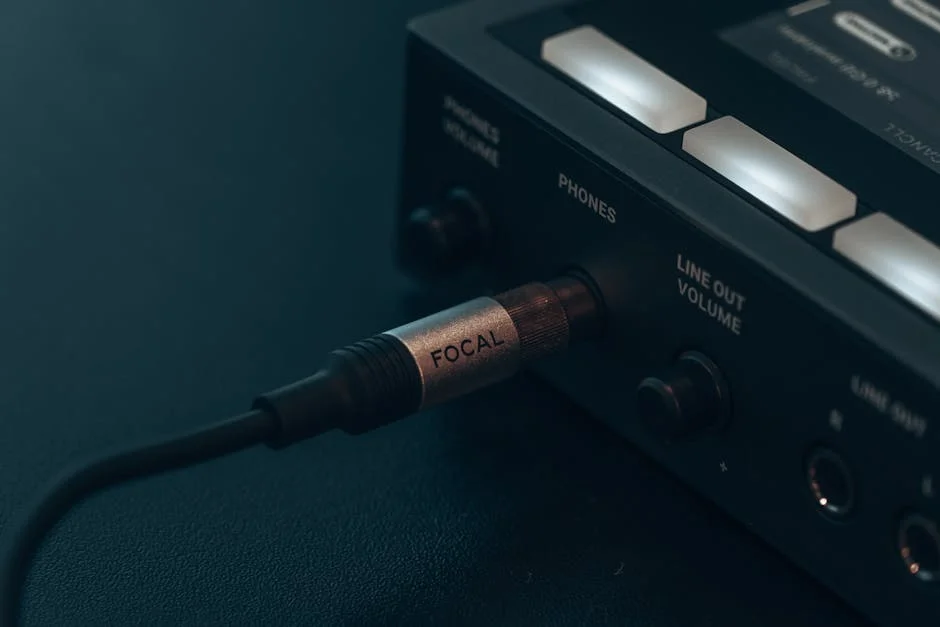
Matching the K9 Pro ESS to Your Headphone
Output power matters most for planar magnetic headphones. The K9 Pro ESS offers substantial balanced output, enough to drive most consumer-tier planars without hitting the ceiling. For dynamic headphones like the HD600 or HD650, the amplifier section is more than sufficient, and the gap between a capable budget stack and the K9 Pro ESS narrows with lower-impedance, higher-sensitivity dynamics. Planar buyers have the stronger performance argument for stepping up to this tier.
Low-impedance planars benefit specifically from low output impedance. Headphones in the 20 to 35 ohm range common among planar magnetics can develop bass coloration from amplifiers with elevated output impedance, and the K9 Pro ESS’s specification is aimed at avoiding that.
Balanced vs. Single-Ended Output
The K9 Pro ESS’s full output power is available through its balanced outputs, 4.4mm Pentaconn and XLR. Single-ended output is functional and clean, but the power advantage and noise floor improvement of the balanced stage are only accessible with a balanced headphone cable.
If your headphones use a single-ended 3.5mm or 6.35mm termination, the K9 Pro ESS still works well, but you leave some of the unit’s capability unused. For planars already on balanced cables, or for buyers willing to recable, the balanced architecture is a meaningful part of the value proposition.
Input Selection for Your Setup
Three scenarios cover most desktop setups. Computer audio users with a USB source get a direct path through the asynchronous USB input. Users with a dedicated streamer or network player can use the coaxial or optical inputs. Bluetooth LDAC adds wireless capability for mobile sources without the performance penalty of lower-quality Bluetooth codecs.
The ability to consolidate multiple sources into one desktop unit is a genuine workflow benefit. Understanding which inputs match your setup determines how much of that flexibility you will use.
All-in-One vs. Separates: The Decision Framework
At the K9 Pro ESS’s premium price tier, a dedicated DAC and amplifier combination can outperform it in both domains. The separates path requires more space, more cables, more power supplies and more careful matching, but the performance ceiling is higher.
The K9 Pro ESS wins when desk space is limited, when simplified setup matters, or when the target headphone is a planar that needs real driving power without a full component stack. It loses the separates argument only when maximum performance is the primary objective and complexity is acceptable.
Firmware, Features, and Longevity
The K9 Pro ESS supports firmware updates and offers PEQ (parametric EQ) functionality through the FiiO Control app. Parametric EQ at the source unit level is a useful addition: Harman target corrections or adjustments for a specific headphone can be applied without extra software in the signal chain.
Feature depth is relevant to longevity, since a unit that can update its firmware and accept EQ profiles adapts to changing use cases better than static hardware. For buyers planning to use this unit across several headphone generations, that adaptability is worth factoring into the purchase decision.

FiiO K9 Desktop Headphone Amplifier DAC Bluetooth LDAC THX AAA 788+: Pros & Cons
- THX AAA 788+ amplifier technology with exceptional power output
- Dual ES9068AS DAC chips for balanced operation
- Premium pricing for an all-in-one, separates can outperform at same budget
Frequently Asked Questions
Is the FiiO K9 Pro ESS powerful enough for Audeze LCD headphones?
The THX AAA 788+ amplifier section delivers the output power these headphones require, and low output impedance keeps the frequency response stable. The LCD-4 and other high-planar-resistance models push harder against any amplifier's limits, but the K9 Pro ESS handles the mainstream LCD line without strain.
How does the K9 Pro ESS compare to building a separate DAC and amp stack?
The K9 Pro ESS consolidates both functions in a single chassis with strong measured performance in each domain, but dedicated separates at the same budget tier generally push further in both directions. The trade-off is real: separates offer a higher performance ceiling, the K9 Pro ESS offers simplicity, footprint, and single-unit management. For planar magnetic users who want driving power without a component stack, the combo format has a clear argument. For maximum performance optimization, separates warrant consideration.
Does the FiiO K9 Pro ESS work well with the Sennheiser HD600?
The K9 Pro ESS drives the HD600 without difficulty, the 300-ohm impedance is well within its capability. That said, the HD600 is not the headphone that most benefits from this tier of amplification. The K9 Pro ESS will perform well with the HD600, but the performance gap over a mid-range stack is smaller than it would be with a demanding planar.
What does Bluetooth LDAC support actually add in daily use?
LDAC at its highest quality mode transmits substantially more data than SBC or AAC, approaching wired streaming performance for compatible sources. In practice, this means a high-quality LDAC-capable phone or tablet can feed the K9 Pro ESS without a USB cable, useful for listening sessions where the computer isn't the source. The benefit is real for users who stream from mobile devices; it adds negligible value for users whose primary source is a desktop computer with a USB connection already in place.
Is the FiiO K9 Pro ESS worth the premium over the FiiO K7 or similar mid-tier combos?
The performance gap between the K9 Pro ESS and mid-tier combos like the K7 is most audible with demanding planar magnetic headphones. For easy-to-drive dynamics, the audible return on the premium step-up is modest. The premium is easier to justify when the headphone is the type of load that reveals the difference.
Where to Buy
FiiO K9 Desktop Headphone Amplifier DAC Bluetooth LDAC THX AAA 788+See FiiO K9 Desktop Headphone Amplifier D… on Amazon