FiiO KA13 Review: Budget USB-C DAC with Dual Outputs

Affiliate disclosure: Some links on this page are affiliate links. If you buy through them we earn a small commission at no extra cost to you. Recommendations are research-driven; we don't claim personal use of every product reviewed. Product prices and availability are accurate as of the date published and are subject to change. Always check Amazon for current pricing before purchasing. Learn more.
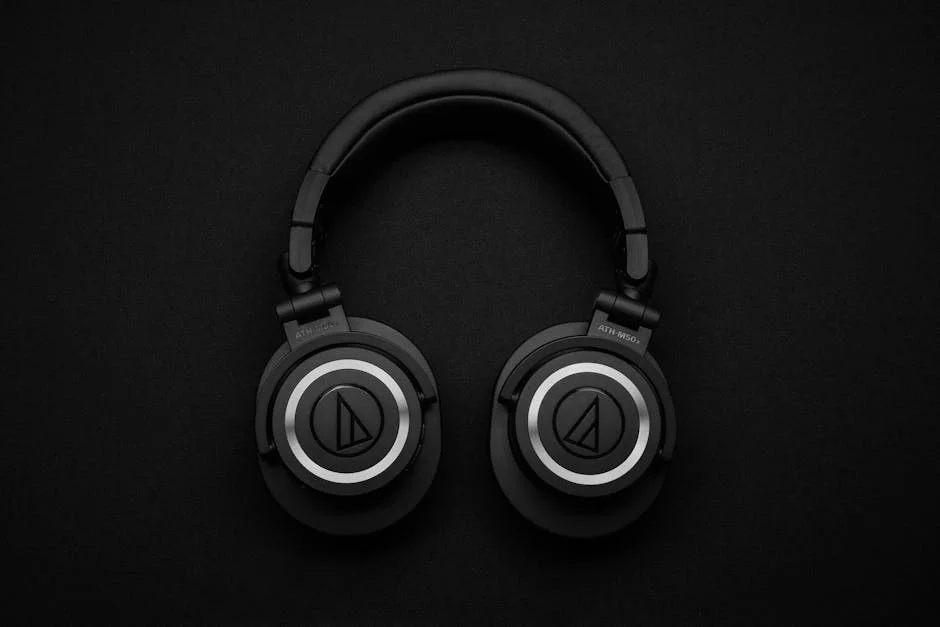
Both 3.5mm and 4.4mm balanced outputs in one small dongle
See FiiO/JadeAudio KA13 Portable USB-C DA… on AmazonThe USB-C dongle DAC is the most practical upgrade a phone listener can make: one small device that replaces a missing headphone jack and can improve the sound coming out of it. The DACs category runs from stripped-down Apple adapters to desktop separates, but for most people the question is simpler: is there a dongle worth owning that does more than the cheapest option?
The FiiO/JadeAudio KA13 sits at the budget end of the dongle market and makes a specific case for itself: dual outputs, 3.5mm unbalanced and 4.4mm balanced, in a single compact device, at a price that competes directly with single-output alternatives.
What to Look For in a USB-C DAC Dongle
Output Configuration
The first question to ask about any dongle is what headphone connections it supports. Most budget options ship with a single 3.5mm unbalanced output, which covers the majority of headphones on the market. That’s a reasonable starting point.
Balanced output, typically 4.4mm Pentaconn on dongles, matters if you own headphones terminated in balanced connectors or plan to recable. Balanced topology separates the left and right channels fully, which can reduce crosstalk and, in some implementations, increase available power. The practical benefit depends on what you’re plugging in.
A dongle with both 3.5mm and 4.4mm outputs avoids the “which one will I actually need” question. That flexibility has real value if your collection is mixed or growing.
Output Power and Impedance Matching
Power specs on dongles are modest by design, since they draw from the host device’s USB port. For sensitive IEMs that’s usually sufficient. For full-size headphones with higher impedance or low sensitivity, the ceiling matters more.
The HD600 at 300 ohms is a reasonable stress test for the category. Mid-tier dongles with balanced output generally handle demanding loads better than single-ended budget options.
Impedance matching also affects how IEMs behave. A source with an elevated output impedance will interact with the varying load of a multi-BA IEM and shift the frequency response in ways that vary by IEM. Low output impedance, 1 ohm or below, is the standard to look for.
Signal Chain Position and Battery Draw
Dongles are the entire source chain for phone listeners. There’s no separate DAC, no separate amp and no independent power supply: digital-to-analog conversion, amplification and noise floor all live in a device smaller than a thumb drive.
That consolidation is the appeal, and also the constraint. Power comes from the host device, so a dongle drawing meaningful current from the USB-C port will reduce battery life during listening. The gap between low-draw dongles and more powerful ones can matter on long commutes.
For laptop listeners, battery impact is less acute, and the trade-off shifts toward output quality and whether the dongle’s power delivery is stable under load. The range of portable DAC options is worth reviewing before committing to a form factor, because the right answer for a phone listener and a laptop listener may differ.
DAC Chip and Measured Performance
The chip inside a dongle sets its theoretical performance ceiling. Published measurements of signal-to-noise ratio, total harmonic distortion and dynamic range are where objective comparisons are available. A higher-end chip doesn’t guarantee better subjective sound, but it sets the floor for technical capability.
Budget dongles have improved substantially in recent years, and the gap between the cheapest and best-measured options has narrowed. What separates them now is more often power delivery, output impedance and physical design than raw measurement scores.
Top Picks
FiiO/JadeAudio KA13
The case for the FiiO/JadeAudio KA13 starts with what it includes that most single-output dongles don’t: both 3.5mm and 4.4mm outputs on the same device. For anyone entering the dongle market with a balanced cable already in hand, or planning to upgrade headphone terminations at some point, the dual-output configuration removes a purchase decision that would otherwise get more complicated later.
The KA13 uses a CS43198 DAC chip, which is a capable part for the category.
The 4.4mm balanced output is the more interesting of the two. Balanced topology on dongles can increase available power, and the KA13’s balanced output is rated above its 3.5mm figure. That headroom matters if the collection includes a planar magnetic or a high-impedance dynamic headphone.
There are real trade-offs. The physical size is slightly larger than the simplest single-output alternatives, since the dual-output configuration needs more internal hardware. Battery draw on a phone is non-trivial, which matters for commuters. The KA13 is not the right answer for someone who wants the lowest-draw option for sensitive IEMs from a phone; the Apple adapter serves that use case at lower current draw. The KA13 earns its place for listeners who want real drive capability and the flexibility of both output types.
Check current price on Amazon.
Buying Guide
Who Should Buy a Dongle DAC
The dongle DAC is a specific solution to a specific problem: the absence of a headphone jack on modern devices, combined with a desire for better output quality than a phone’s internal DAC provides. Not every listener needs one. IEM users on phones with no headphone jack and no interest in desktop listening are the core audience.
The KA13 sits at the top of the budget dongle tier. It is not the right choice for listeners who prioritize minimal battery impact above output quality. It is a strong choice for listeners who own or plan to own balanced-terminated headphones, and for anyone driving a full-size headphone from a phone.
Balanced vs. Unbalanced Output
The 4.4mm balanced output on a dongle offers two advantages: more power headroom and full channel separation. On sensitive IEMs neither benefit is practically meaningful, since they’ll drive efficiently from the 3.5mm output regardless. On headphones above roughly 100 ohms impedance, the balanced output’s extra headroom starts to matter.
The balanced connector also matters if your headphone cable terminates in 4.4mm. A dongle that provides only 3.5mm output requires a cable swap or an adapter, which adds cost and a compromise in the signal path. The KA13’s dual-output design avoids this.
Competing Options at the Budget Tier
The Moondrop Dawn Pro 2 is the KA13’s most direct competitor. It is the current successor to the original Dawn Pro, a dongle with dual CS43198 chips and both 3.5mm and 4.4mm outputs. The two sit in a similar class, so the choice comes down to the specifics of size, power and price.
The Apple USB-C adapter remains the simplest option. It works, costs very little and performs adequately with sensitive IEMs. For occasional use with earbuds, the KA13 is more than needed.
Pairing with Full-Size Headphones
The KA13’s balanced output makes it a credible dongle option for full-size headphones in the budget tier. For high-impedance dynamics like the HD600, dedicated DAC/amp separates are worth the added complexity, and the KA13 is best understood as a capable portable option rather than a desktop replacement.
For planars with lower impedance but demanding sensitivity, such as the Sundara, the KA13’s balanced output is the more suitable connection. For listeners building a phone-centric portable setup with a planar, it is among the few budget dongles worth considering. The broader DAC options are worth a look before settling on a dongle as the long-term solution.
Battery Draw and Practical Considerations
Battery impact is the cost of a more capable dongle. The KA13 draws more current than the Apple adapter, and on long commutes that difference adds up. A small power bank is the practical fix if a listening session will run beyond a couple of hours.
For laptop users, this trade-off is largely irrelevant: plugged into a MacBook or a PC, battery draw is not a meaningful concern and the dual-output flexibility is simply an asset. If the primary use case is laptop listening, the KA13’s case is straightforward.
FiiO/JadeAudio KA13 Portable USB-C DAC Dongle 3.5mm and 4.4mm: Pros & Cons
- Both 3.5mm and 4.4mm balanced outputs in one small dongle
- USB-C connectivity for modern phones and laptops
- Draws power from device, impacts battery on phones
Frequently Asked Questions
Is the FiiO KA13 better than the Apple USB-C adapter?
For sensitive IEMs from a phone, the Apple adapter is adequate and draws minimal battery. The KA13 is the stronger choice when driving full-size headphones or balanced-terminated IEMs, it provides meaningfully more output power and a lower noise floor, particularly through the 4.4mm balanced output.
Can the KA13 drive the Sennheiser HD600?
The KA13 is a competent portable option for it, not an optimal desktop-level pairing. Dedicated DAC/amp separates remain the better long-term solution for the HD600; the KA13 is the answer when a desktop setup isn't available.
What is the difference between the 3.5mm and 4.4mm outputs on the KA13?
The 3.5mm output is unbalanced, standard single-ended signal path, compatible with the majority of headphone cables. The 4.4mm output is balanced, which provides full channel separation and a higher power rating from the same device. The balanced output is worth using if your headphone cable terminates in 4.4mm, or if you're driving a headphone that benefits from the additional headroom.
How does the KA13 compare to the Moondrop Dawn Pro?
The original Dawn Pro has been succeeded by the Moondrop Dawn Pro 2, a dongle with dual CS43198 chips and both 3.5mm and 4.4mm outputs. It sits in the same class as the KA13, so the choice comes down to size, power and price. If the entire use case is IEMs from a phone, either is competitive; if the collection is mixed or includes full-size headphones, check the rated output power of each before choosing.
Does the KA13 work with iPhones?
The KA13 uses USB-C, not Lightning, so it does not connect directly to older iPhones. iPhone 15 and later models with USB-C natively support it. Earlier iPhone models require a Lightning-to-USB-C adapter, which adds a step and may affect compatibility depending on the adapter quality. Android phones and modern laptops with USB-C ports work without additional hardware.
Where to Buy
FiiO/JadeAudio KA13 Portable USB-C DAC Dongle 3.5mm and 4.4mmSee FiiO/JadeAudio KA13 Portable USB-C DA… on Amazon