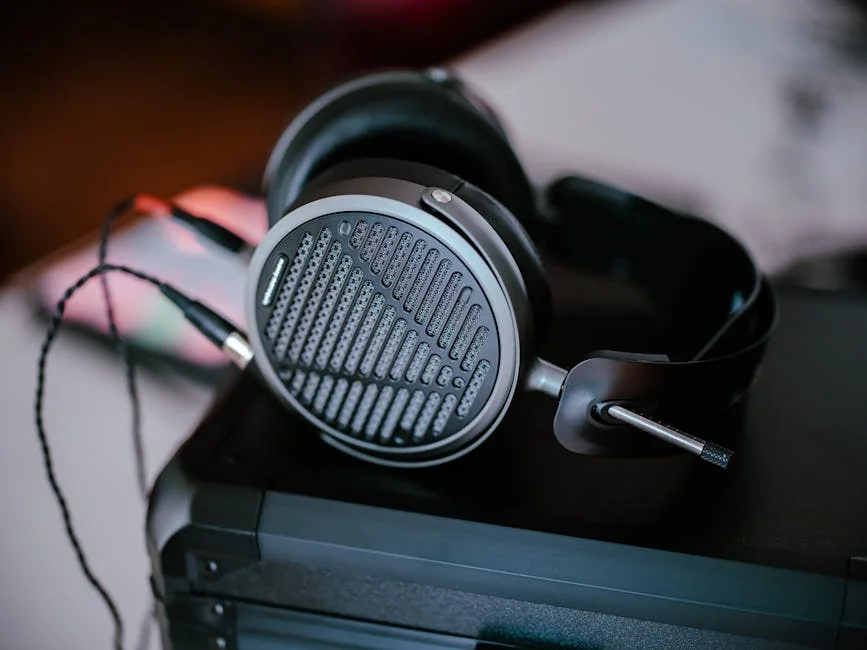
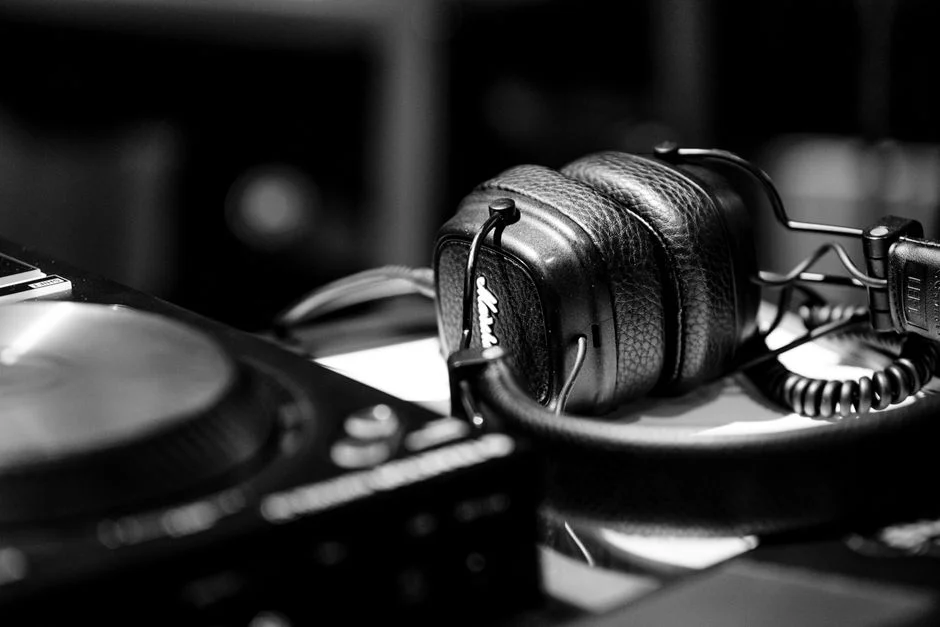
Drop HD6XX Review: Is This Audiophile Headphone Worth It

Affiliate disclosure: Some links on this page are affiliate links. If you buy through them we earn a small commission at no extra cost to you. Recommendations are research-driven; we don't claim personal use of every product reviewed. Product prices and availability are accurate as of the date published and are subject to change. Always check Amazon for current pricing before purchasing. Learn more.
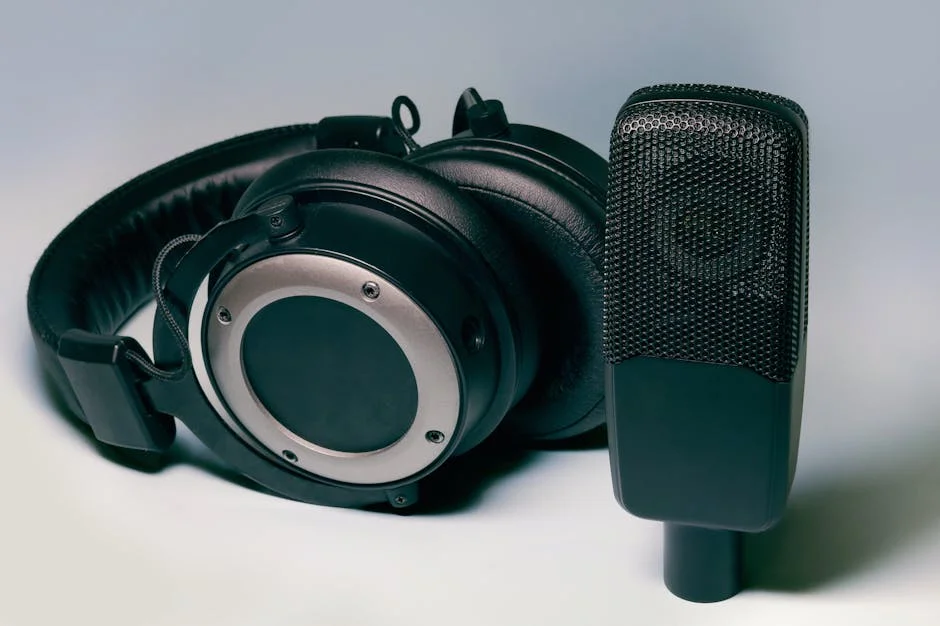
HD 650-quality sound delivered at ~$100 below retail pricing
Finding a headphone that the audiophile community has endorsed consistently for two decades is rare. The Drop + Sennheiser HD 6XX manages that while sitting in the mid-range price band , a position that makes it one of the most-discussed entry points into serious headphones listening. The question worth answering here is not whether the HD 6XX is good. It is whether it is good enough, and for whom.
The HD 6XX is a variant of the Sennheiser HD 650, sold through Drop with the tuning largely intact and the price trimmed. Owner consensus across Head-Fi and r/headphones treats it as a reference-tier starting point. That reputation deserves scrutiny rather than repetition.
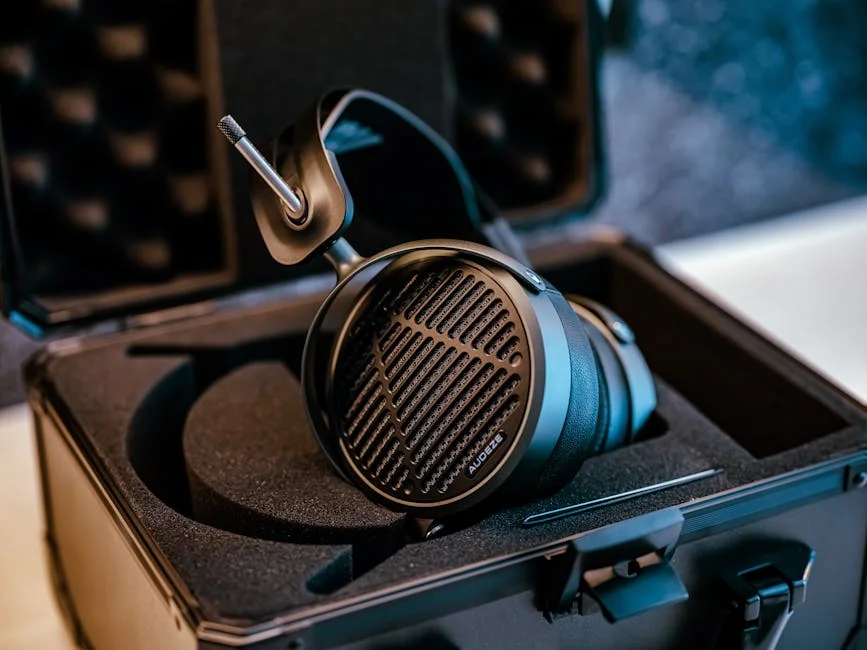
What to Look For in Open-Back Headphones
Tonal Balance and Tuning Philosophy
Open-back headphones divide broadly into two camps: neutral-bright and warm-neutral. Neither is objectively correct. The distinction matters because it predicts how a headphone will perform across genres and how fatiguing it will feel over a long session. Neutral-bright designs , a category that includes the HD 600 , tend to render detail retrieval and transient snap at the cost of some warmth in the lower midrange. Warm-neutral designs, which includes the HD 650 and by extension the HD 6XX, tilt the energy slightly downward, giving voices and acoustic instruments more body.
The practical consequence is genre-matching. The warm-neutral signature works exceptionally well for jazz, classical, and vocal-forward recordings. It is less flattering on heavily compressed or bass-light material, where the additional warmth can read as sluggishness. Understanding where a headphone’s tuning sits before purchase saves significant regret.
Impedance and Source Matching
The HD 6XX measures at 300 ohms. That number matters in ways the spec sheet does not fully explain. High-impedance dynamic drivers like this one are not power-hungry in the watts sense , a modest amplifier handles them adequately. What they are sensitive to is output impedance. A source with elevated output impedance interacts with the headphone’s impedance curve in ways that alter the frequency response audibly, typically by boosting bass slightly and rolling off treble.
This is where “requires amplification” language becomes specific. A dedicated headphone amplifier with low output impedance will reproduce the tuning the driver was designed to produce. A laptop headphone jack, depending on the audio chip, may not. The gap is real but not always dramatic , owner reports suggest the HD 6XX is more forgiving than some high-impedance designs, but the headphone performs as intended only when paired with a proper source.
Build Quality and Long-Term Ownership
The HD 6XX uses the same chassis as the HD 650 , matte dark blue plastic with a mesh baffle and a self-adjusting headband. The build polarizes opinion. Listeners accustomed to metal-framed cans read the plastic as cheap. Long-term HD 650 owners argue the opposite: the design has been manufactured for decades with minimal revision, parts are available, and the headband adjusts without tools. Verified buyer reports cite longevity well past five years of regular use.
The cable is detachable, using Sennheiser’s proprietary two-pin connectors at the cups. The stock cable is functional. Community consensus suggests the cable is not an upgrade priority , connector quality and shielding matter; the rest is largely irrelevant to sound.
Soundstage and Imaging
Open-back designs offer a natural advantage in soundstage presentation. The HD 6XX does not push this advantage as far as some competitors , the HD 800S being the obvious extreme comparison , but it presents a wider, more coherent stage than closed-back alternatives at comparable pricing. Imaging is precise enough for critical listening without becoming clinical. Exploring the full range of open-back headphone options helps contextualize where the HD 6XX sits before committing to a purchase.
Listener fatigue is relevant here. The HD 6XX’s staging and tuning combination produces a relaxed presentation. Sessions that run two to three hours without fatigue are common in owner reports. That is not universal among open-back designs at this tier.
Top Picks
Drop + Sennheiser HD 6XX
The Drop + Sennheiser HD 6XX is the HD 650 with a different colorway and a lower price point. That is the starting point for any honest evaluation of it. Sennheiser’s HD 650 has been a community reference for vocal and acoustic listening since its introduction. The tuning , warm-neutral, rolled-off at the extremes, dense in the midrange , is a deliberate choice that ages well across recording eras. Owner consensus across Head-Fi and ASR’s measurement thread confirms the tuning is preserved in the 6XX variant.
The HD 600 is the useful comparison point here. The HD 600 sits slightly brighter, with more emphasis in the presence region and a tighter-feeling bass response. The HD 6XX’s lower midrange is fuller; the HD 600’s upper midrange is more forward. For instrumental listening , particularly acoustic guitar, piano, and string quartets , both are strong. For voice-forward recordings, the HD 6XX’s extra warmth adds body that the HD 600 does not supply. The choice between them is genuinely a matter of preference rather than a quality gap.
The 300-ohm impedance requires a real source. Owner reports are consistent on this point: the headphone opens up on a dedicated stack. The improvement moving from a laptop output to a dedicated DAC/amp is audible but not transformative , the tuning is recognizable on both sources, but separation and dynamic control land better on a proper amplifier. Based on owner reports and spec data, a modest dedicated amplifier with low output impedance is the floor recommendation. Budget a dedicated source into the total cost if this is your first serious headphone.
Drop-only availability is a legitimate logistical consideration. The HD 6XX does not ship from Amazon and does not qualify for Prime returns. Drop restocks periodically and the pricing has been stable, but buyers accustomed to next-day delivery or frictionless returns should factor in the distribution model before purchasing. Verified buyers on Drop’s site consistently report the wait as worthwhile. The community field report on this is unambiguous.
Check current price on Amazon.
Buying Guide
The Case for the HD 6XX as a First Serious Headphone
The HD 6XX functions well as an entry point into mid-fi listening. The tuning is forgiving , warm-neutral signatures are approachable across a wider range of listening preferences than bright or V-shaped alternatives. Owner reports cite it as a headphone that does not require source-matching obsession to sound good, though it rewards proper amplification when available.
The HD 600 deserves equal consideration for buyers entering from a neutral-bright preference. The two are complementary rather than redundant. Buyers who already own one have a clear answer on the other: they address genuinely different tuning goals. Buyers choosing between them as a first purchase should audit their listening habits , jazz and vocals favor the HD 6XX; orchestral and acoustic guitar favor the HD 600.
Amplification: What You Actually Need
The practical threshold for the HD 6XX is a dedicated headphone amplifier with low output impedance , ideally under 10 ohms. A number of well-regarded budget DAC/amp units meet this spec. The specific unit matters less than the output impedance figure. Owner consensus across Head-Fi and ASR supports this framing consistently.
The gap between a laptop output and a proper stack is real but not catastrophic for the HD 6XX specifically. Planar magnetic headphones at comparable pricing show a larger gap , the ‘scales with source’ dynamic is more dramatic for planars than for this driver design. Dynamic driver high-impedance cans like the HD 6XX respond to source quality, but the baseline performance on a suboptimal source is still listenable. That said, the headphone performing as designed requires the correct source.
Closed-Back vs. Open-Back: The Environment Question
Open-back headphones leak sound in both directions. The HD 6XX is audible to a person sitting a few feet away at moderate volumes. It also admits ambient noise from the room. These are not design flaws , they are direct consequences of the baffle design that produces the HD 6XX’s staging and imaging characteristics. Buyers intending to use this headphone in shared spaces or noisy environments should consider closed-back alternatives instead.
For home listening in a reasonably quiet room, the open-back design is a straightforward advantage. The HD 6XX is a home-listening headphone.
Drop Availability and the Restock Model
Drop’s distribution model is different from standard retail. The HD 6XX is not a continuous-stock item , it operates on periodic restocks with a wait time that varies. The pricing has remained stable over multiple restock cycles. Verified buyer reports suggest the shipping and customer service experience is reliable.
Buyers without Prime-delivery expectations and with patience for the restock window report the purchasing experience as straightforward. Buyers who want the option to return a headphone without friction should verify Drop’s current return policy before purchasing.
How the HD 6XX Fits Into a Collection
For a buyer already exploring the full range of headphone options, the HD 6XX occupies a specific and non-redundant role. It is not the most resolving option at its price point , some listener-reviewers cite the Sundara as more technically capable. It is not the most comfortable for all head shapes. What it offers is a tuning with decades of community validation, a build that supports long-term ownership, and a price point that does not require flagship-tier justification.
A collection anchored by the HD 6XX and a neutral-bright complement covers most listening scenarios competently.

Frequently Asked Questions
Is the Drop HD 6XX the same as the Sennheiser HD 650?
The HD 6XX uses the same driver and acoustic design as the HD 650, with a revised colorway and Drop-exclusive distribution. ASR’s measurements show the two perform within normal unit-to-unit variation. The functional audio difference is negligible. The practical difference is pricing and availability , the HD 6XX carries a lower price point but requires purchasing directly through Drop rather than standard retail.
Does the HD 6XX need an amplifier?
Yes, in the sense that it performs as designed only on a source with low output impedance. The 300-ohm impedance is not a power problem , modest dedicated amplifiers handle it cleanly. It is an output-impedance matching problem. A laptop headphone jack may alter the frequency response by interacting with the headphone’s impedance curve.
How does the HD 6XX compare to the HD 600?
The HD 600 is slightly brighter, with a more forward presence region and a tighter bass response. The HD 6XX has more lower-midrange warmth and body, particularly on vocals and acoustic instruments. Both are community references. The HD 600 is the stronger choice for orchestral and acoustic guitar listening; the HD 6XX is the stronger choice for vocal-forward and jazz recordings.
Can I use the HD 6XX without waiting for a Drop restock?
Not through official channels at Drop’s standard pricing , the HD 6XX is Drop-exclusive and operates on periodic restock cycles. Used units appear on Head-Fi’s classified forum and on eBay with some regularity. Verified buyer reports on Drop’s site suggest the restock cadence is predictable enough that waiting for an official drop is practical for buyers without urgency.
Is the HD 6XX good for gaming or podcasts?
Owner reports and community consensus suggest it performs well for voice-forward content , the warm-neutral tuning adds body to spoken word, and the open-back staging presents positional audio more naturally than closed-back alternatives. It is not optimized for gaming specifically: the soundstage is above average but not extreme, and the open-back design is poorly suited to environments where sound isolation matters. For dedicated gaming, a closed-back alternative warrants consideration.
Drop x Sennheiser Drop + Sennheiser HD 6XX Open-Back Headphones: Pros & Cons
- HD 650-quality sound delivered at ~$100 below retail pricing
- Classic Sennheiser warm-neutral tuning revered for vocal and acoustic music
- Requires amplification , underpowered sources leave performance on the table