HE400SE Review: Budget Planar Magnetic Headphones Tested

Affiliate disclosure: Some links on this page are affiliate links. If you buy through them we earn a small commission at no extra cost to you. Recommendations are research-driven; we don't claim personal use of every product reviewed. Product prices and availability are accurate as of the date published and are subject to change. Always check Amazon for current pricing before purchasing. Learn more.
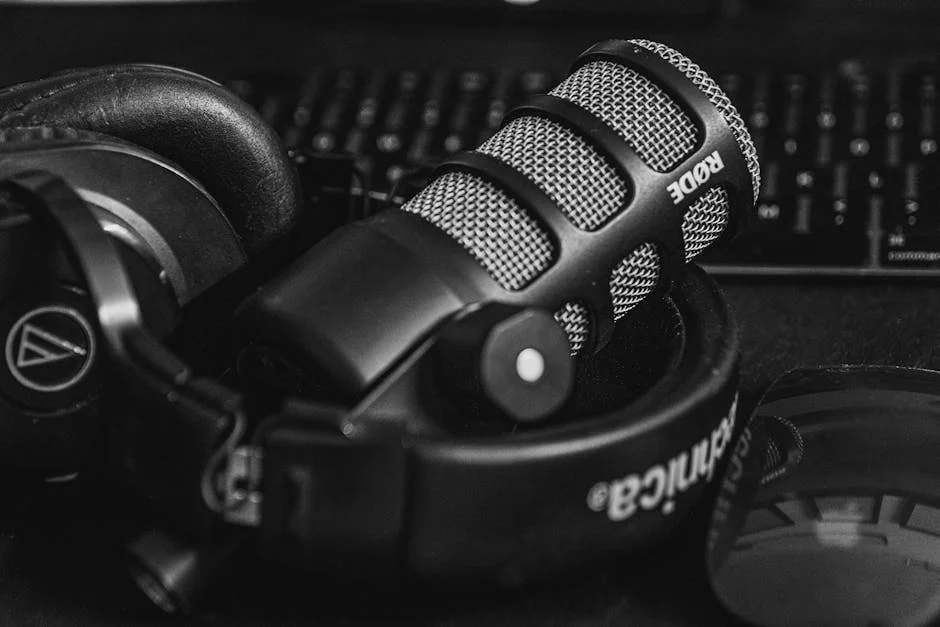
Planar magnetic technology at ~$109 , previously impossible price point
See HiFiMAN HE400SE Planar Magnetic Headp… on AmazonPlanar magnetic headphones used to be a clear line in the sand , the kind of technology that required a real budget commitment before the drivers would even start performing honestly. The HiFiMAN HE400SE moved that line. It brought stealth magnet arrays and planar driver geometry into budget territory, and the headphones community noticed immediately.
What followed was a sustained, sometimes heated conversation about whether the HE400SE represents a genuine value breakthrough or a compromised entry point that leaves buyers wanting more amplifier, better pads, and a sturdier frame within six months. The answer is more nuanced than either camp admits.
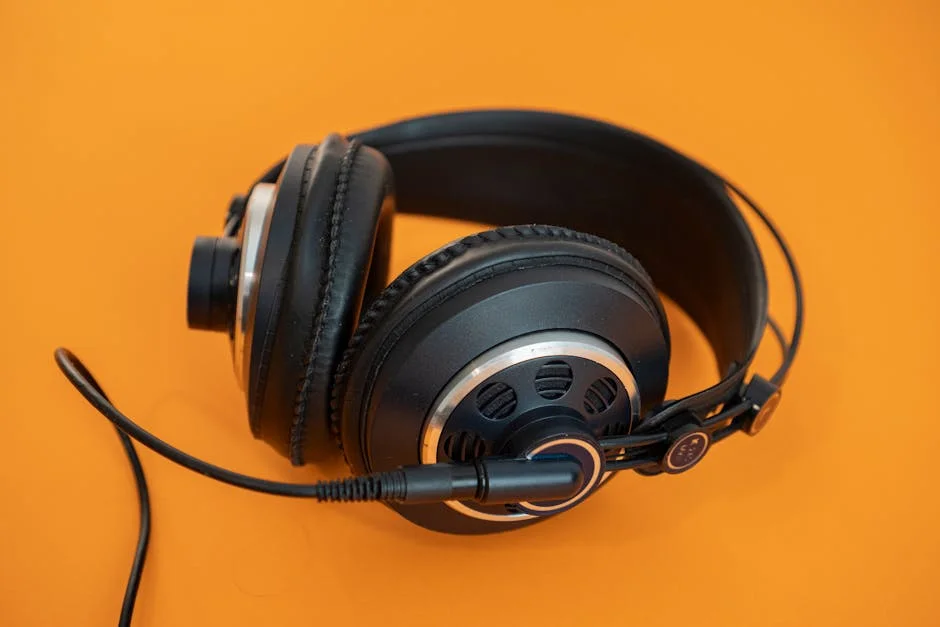
What to Look For in Planar Magnetic Headphones
Driver Technology and Why It Matters Here
Planar magnetic drivers work differently from the dynamic drivers in most consumer headphones. Instead of a coil attached to a cone, a planar driver uses a thin membrane with conductive traces suspended between two magnet arrays. The whole membrane moves, which distributes excursion more evenly and reduces the mechanical distortion that concentrates at a dynamic cone’s edge under load.
The practical result is a particular kind of transient response , fast attack, controlled decay, a low-end texture that resolves individual bass notes rather than blending them. Owner reports and measurement data from ASR consistently confirm the HE400SE’s bass and midrange resolve detail that similarly priced dynamic drivers compress or smear. That’s not marketing language; it’s what the driver geometry actually produces.
Stealth magnets , HiFiMAN’s term for a tapered magnet array that reduces diffraction , matter more than they sound like marketing. Standard planar magnets create reflections that introduce comb-filtering artifacts in the upper frequencies. The stealth array geometry reduces those reflections. At the HE400SE’s price point, this is genuinely unprecedented engineering.
Sensitivity, Impedance, and Amplification Requirements
This is where the HE400SE honest evaluation gets complicated. Planar magnetic drivers are power-hungry. The HE400SE’s sensitivity sits low enough that a laptop headphone jack will run out of clean voltage before the headphone reaches reference listening levels. You’ll hear sound, but you won’t hear this headphone , the dynamic contrast collapses, the bass loses weight, and the staging flattens.
The practical floor for the HE400SE is a dedicated headphone amplifier. It doesn’t need to be expensive. The JDS Atom, the Fosi Audio K5 Pro, or the Schiit Magni will all push the HE400SE to its capability without spending heavily. But that amplifier is not optional equipment. Budget buyers who don’t factor this in will experience the headphone at a fraction of its potential and wonder what the community is responding to.
This is the piece of the “scales with source” advice that turns out to have real content for planars specifically. The gap between a proper amp and a laptop output on the HE400SE is not subtle , it’s the difference between a headphone that sounds veiled and congested and one that does what its driver architecture is capable of.
Build Quality at the Budget Tier
Expectations must be calibrated correctly. The HE400SE chassis is primarily plastic. The headband adjustment mechanism uses a ratcheting slider that feels imprecise and , based on sustained owner reports , may loosen with extended use. The earpads are functional but not plush, and pad compression over months of wear affects the frequency response enough that pad swaps have become a standard community modification.
None of this means the HE400SE is a poor buy. It means the design reflects what the price point requires. HiFiMAN made explicit decisions , driver quality, stealth magnets, open-back architecture , and cost-reduced everything around those decisions. The result is a headphone that performs far above its price band in sound quality while landing exactly at it in construction quality. For a buyer whose priority is sonic performance, that trade-off is the right one. For a buyer who handles gear roughly or expects a premium feel in the hand, the gap will be noticeable.
Open-Back Architecture and Listening Context
Open-back headphones leak sound in both directions. The HE400SE is not appropriate for commuting, office environments with colleagues nearby, or any situation where ambient noise rejection matters. This is not a flaw , it’s a design choice that enables the soundstage and imaging characteristics that make the HE400SE worth discussing at all.
Open-back planars at this tier create a presentation that feels less like sound in your head and more like sound around you. Exploring the full range of open-back headphone options before committing to this format is worthwhile , some buyers discover they actually need a closed-back for their primary use case, and the HE400SE’s performance advantages do not transfer to a listening environment where you’re fighting room noise.
Top Picks
HiFiMAN HE400SE
The case for this headphone starts with the driver and stays there. At the budget tier, planar magnetic technology was not available before HiFiMAN made it available , full stop. The HE400SE’s stealth magnet arrays produce a treble response that is cleaner and better-controlled than owner reports of previous budget planar designs like the HE400i, and ASR’s measurement data shows distortion figures that legitimately compete with significantly more expensive options. Verified buyers across Head-Fi and Reddit consistently note that the bass texture and midrange resolution are what pulled them away from their previous dynamic-driver headphones.
The soundstage is properly open-back planar , images placed outside the headshell, reasonable depth, instruments that sit in distinct locations rather than collapsing toward the center. It’s not the expansive staging of the HD800S or the holographic presentation of the HE1000-tier planars, but at this price band it’s more than competing dynamic-driver headphones routinely offer. For genres that reward that spatial presentation , acoustic recordings, jazz, orchestral , the HE400SE’s staging advantage over comparably priced closed-back dynamics is meaningful.
The amplifier requirement is not negotiable. Owner reports that describe a flat, lifeless presentation are almost universally sourced from laptop outputs or phone outputs. Plugged into a budget dedicated amplifier, the characterization shifts entirely , the bass gains impact and texture, the dynamic contrast opens up, and the treble detail that the stealth magnets are designed to preserve becomes audible. This headphone rewards the stack-building approach in a way that dynamic-driver options at this price band do not.
Build quality is the honest reservation. The headband adjuster ratchets loosely, the plastic chassis lacks the reassurance of metal construction, and the earpads compress faster than premium materials would. None of that affects sound quality until pad wear becomes significant , at which point the community’s go-to pad swaps (Dekoni, Brainwavz, or the Sundara pads if you want to chase the community rabbit hole) restore the response profile. For a buyer whose priority is driver performance, these trade-offs are clearly worth making. For a buyer who handles gear roughly or who values haptic quality highly, the construction gaps will register as a persistent frustration.
Check current price on Amazon.
Buying Guide
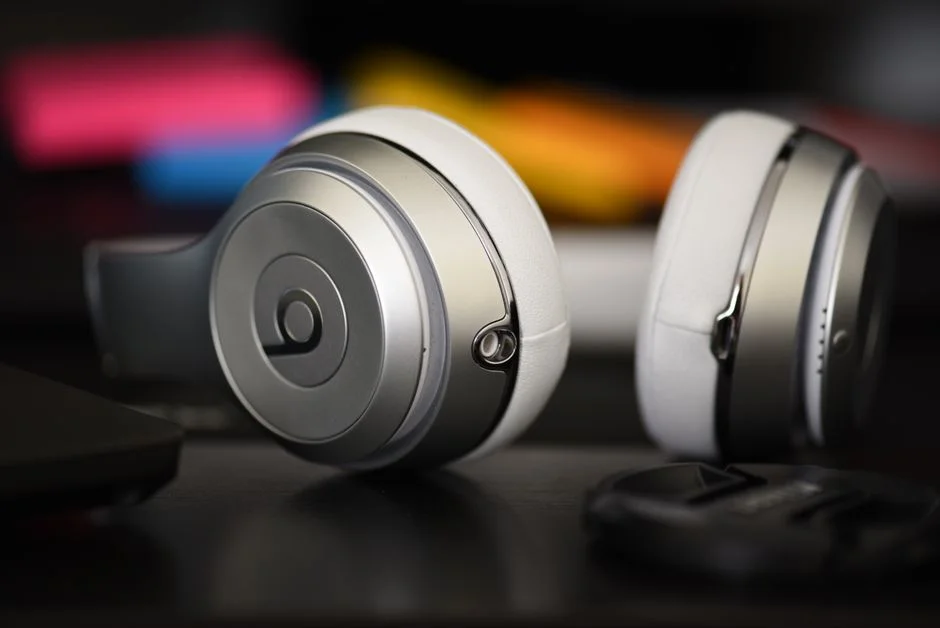
Pairing the HE400SE with an Amplifier
The single most important purchasing decision adjacent to the HE400SE is the amplifier. The headphone’s low sensitivity means it draws more voltage than typical dynamic drivers, and underpowering it produces a presentation that misrepresents the driver’s capability entirely. Budget amplifiers from reputable manufacturers , Fosi, JDS Labs, Schiit , will push the HE400SE properly without significant additional spend.
The question of whether to add a separate DAC is secondary. A dedicated amp from a computer’s USB output is a legitimate first step. DAC separates add refinement; the amp is the functional requirement.
Planar vs. Dynamic: Choosing the Right Starting Point
The HE400SE makes most sense as a buyer’s first planar magnetic experience, not necessarily as their first headphone. The community consensus at Head-Fi and on r/headphones is that the HD600 or the DT 900 Pro X serves the general buyer better as an entry point , both are less source-dependent, more forgiving of underpowered output stages, and more immediately impressive out of a basic setup.
The HE400SE rewards buyers who’ve heard a good dynamic driver and want to hear what planar resolution actually sounds like. That’s a narrower audience than general first-time buyers, but for that audience the HE400SE delivers the planar experience more affordably than anything else available. Browsing the broader headphones landscape to understand where planars fit against open-back dynamics is worthwhile before committing.
Pad Rolling and Long-Term Ownership
Pad swapping is not mandatory, but it is a well-documented path to extracting more from this headphone. The stock pads are acoustically functional and affect the frequency response enough that what pads are installed matters for how the headphone measures. Compressed pads bring the driver closer to the ear, which typically brightens the upper midrange and reduces bass weight.
Community consensus suggests leaving the stock pads until they compress noticeably, then evaluating whether the sound has shifted in a direction you dislike. If it has, the Sundara pads are the most commonly cited improvement , they add seal and restore bass body without significantly affecting midrange or treble character.
Use Case Fit
Open-back headphones require quiet listening environments. The HE400SE’s leakage profile means it’s not appropriate for shared spaces, commutes, or work-from-home situations with others nearby. It’s a home listening headphone , stationary, usually tethered to a desktop stack, used during focused sessions.
For that use case , evening listening at a desk, dedicated to an amplifier, in a space where open-back leakage isn’t an issue , the HE400SE is exactly what its community reputation describes: a headphone that delivers planar resolution at a price where no one expected it. Buyers mismatching it to a mobile or office context will find a headphone that frustrates rather than rewards.
The HD600 Comparison
The Sennheiser HD600 is the other entry-tier recommendation that keeps appearing in the same threads as the HE400SE. The HD600 is less source-dependent, easier to drive well from a modest amp, and has decades of community consensus behind its tonal balance. Three years of regular sessions across multiple headphones in a serious listening context still finds the HD600 returning as a default , the tuning is simply right for long-form listening.
The HE400SE and HD600 answer different questions. The HD600 asks: what does a correctly tuned dynamic driver at the entry tier sound like? The HE400SE asks: what does planar magnetic resolution feel like before you’ve spent seriously? Both questions are worth asking. Buyers who already know the HD600’s presentation and want to experience planar texture are the audience for the HE400SE. Buyers who want a single headphone that works immediately with minimal setup complexity should look at the HD600 first.

Frequently Asked Questions
Does the HiFiMAN HE400SE need an amp?
Yes , not as a recommendation, as a functional requirement. The HE400SE’s low sensitivity means portable sources and laptop outputs run out of clean voltage before the headphone reaches its capability. At an underpowered output stage, the bass loses body, dynamic contrast collapses, and the planar driver’s resolution advantages disappear. A budget desktop amplifier from JDS Labs, Fosi Audio, or Schiit is the minimum setup for experiencing what the HE400SE actually does.
How does the HE400SE compare to the Sennheiser HD600?
They answer different questions. The HD600 is more immediately impressive from modest equipment, less source-dependent, and better suited as a first headphone for buyers without a dedicated stack. The HiFiMAN HE400SE delivers planar magnetic resolution and bass texture that the HD600’s dynamic driver doesn’t replicate , but it requires more from the source chain to get there. Buyers who know the HD600 and want to hear what planar feels like are the core HE400SE audience.
Is the HE400SE good for bass-heavy music?
Bass texture and resolution are genuine strengths of the planar driver architecture. The HE400SE reproduces bass notes with more definition and less bloom than typical dynamic drivers at this price band. However, the bass weight depends heavily on proper amplification and pad seal , underpowered or with worn pads, the low-end thins out noticeably. Owner reports from properly driven setups describe satisfying bass response for electronic, hip-hop, and acoustic recordings where texture matters more than raw impact.
What pads work best with the HE400SE?
The stock pads are acoustically functional but compress over time, which brightens the upper midrange and reduces bass body. Community consensus across Head-Fi centers on the HiFiMAN Sundara pads as the most recommended upgrade , they restore seal, improve bass weight, and change the presentation in a direction most owners prefer. Dekoni and Brainwavz also offer HE400SE-compatible options. Stock pads are a fine starting point; the upgrade becomes worth considering when compression is noticeable after extended ownership.
Can you use the HE400SE for gaming?
The open-back architecture creates a soundstage presentation that works well for positional audio in games , imaging is reasonably precise and the sense of space helps with directional cues. The amp requirement applies equally here; a gaming PC’s front-panel output is unlikely to drive the HE400SE properly. For gaming specifically, a USB DAC/amp like the Fosi K5 Pro provides clean power without complex desktop stacking. The open-back design is inappropriate for gaming in shared spaces due to sound leakage in both directions.
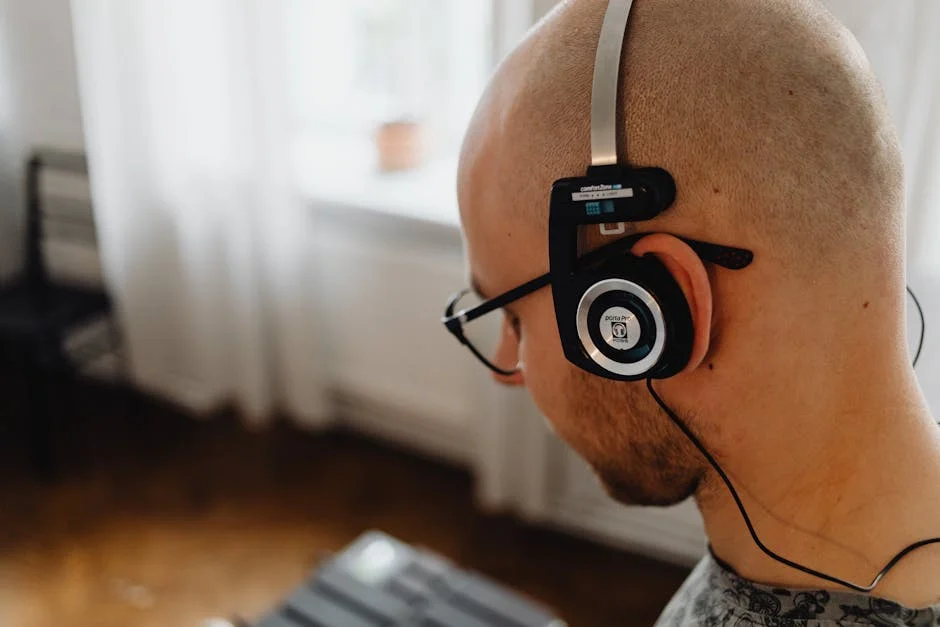
HiFiMAN HE400SE Planar Magnetic Headphones: Pros & Cons
- Planar magnetic technology at ~$109 , previously impossible price point
- Stealth magnets for cleaner treble response despite budget tier
- Low sensitivity requires more amplifier power than typical dynamics
Where to Buy
HiFiMAN HE400SE Planar Magnetic HeadphonesSee HiFiMAN HE400SE Planar Magnetic Headp… on Amazon