Headphone Clamping Force: How It Affects Comfort and Sound

Affiliate disclosure: Some links on this page are affiliate links. If you buy through them we earn a small commission at no extra cost to you. Recommendations are research-driven; we don't claim personal use of every product reviewed. Product prices and availability are accurate as of the date published and are subject to change. Always check Amazon for current pricing before purchasing. Learn more.
Quick Picks
FiiO X5 Mark III Portable High-Resolution Audio Player
Dedicated audio hardware with dual AK4490 DAC chips
FiiO M11 Plus Portable Music Player ESS Version
Android 10 supports current streaming apps , Spotify, Tidal, Qobuz
iFi Audio iFi xDSD Gryphon Portable Bluetooth DAC/Amplifier
Bluetooth aptX Adaptive delivers near-lossless wireless audio
Buy on Amazon| Product | Price Range | Top Strength | Key Weakness | Buy |
|---|---|---|---|---|
| FiiO X5 Mark III Portable High-Resolution Audio Player also consider | $$ | Dedicated audio hardware with dual AK4490 DAC chips | Android version too old for current app support | — |
| FiiO M11 Plus Portable Music Player ESS Version also consider | $$$ | Android 10 supports current streaming apps , Spotify, Tidal, Qobuz | Premium price difficult to justify vs. phone plus good portable DAC | — |
| iFi Audio iFi xDSD Gryphon Portable Bluetooth DAC/Amplifier also consider | $$$ | Bluetooth aptX Adaptive delivers near-lossless wireless audio | Premium price in a portable device that can be lost or damaged | Buy on Amazon |
| Chord Electronics Chord Mojo 2 Portable DAC/Amp also consider | $$$ | Custom FPGA implementation with Chord's proprietary WTA filter | Ball-button interface is unintuitive and confusing for new users | Buy on Amazon |
| EarFun Free Pro 3 ANC True Wireless Earbuds also consider | $ | Qualcomm aptX Adaptive at ~$79 , exceptional codec value | ANC not class-leading , Sony and Bose significantly ahead | Buy on Amazon |
| Sony WF-1000XM5 True Wireless Noise Canceling Earbuds also consider | $$$ | Best-in-class ANC among true wireless earbuds | Premium price; XM4 or XM3 available second-hand at significant discount | Buy on Amazon |
| Apple AirPods Pro 2nd Generation with MagSafe Case also consider | $$$ | Best ANC integration in the Apple ecosystem with system-level compatibility | AAC codec ceiling limits audio quality on non-Apple devices | Buy on Amazon |
| HiBy R3 Pro Saber Portable Music Player also consider | $ | 4.4mm balanced output at ~$129 , exceptional value for balanced portable audio | Screen small and touch interface less responsive than flagship DAPs | Buy on Amazon |
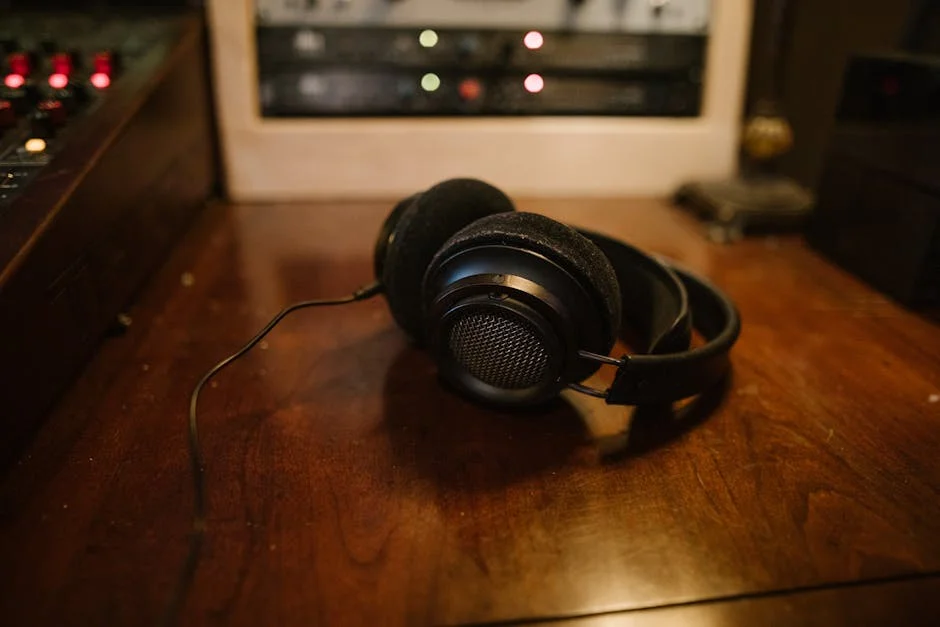
Headphone clamping force is one of those topics that sits quietly in the background of almost every headphone purchase decision, yet rarely gets the focused attention it deserves. Whether you’re picking up your first pair of over-ears or adding a fourth headphone to a growing collection, how tightly a headphone grips your head shapes everything from long-session comfort to perceived bass response.
Three years into this hobby, I’ve come to think of clamping force as the variable that can quietly ruin an otherwise great headphone. The measurements can be stellar, the driver technology impressive, the pads premium, and none of it matters if you’re reaching up to relieve pressure after forty-five minutes. If you’re newer to the technical side of headphone selection, the Audiophile Basics hub is a good place to orient before going deeper here.
What Is Headphone Clamping Force?
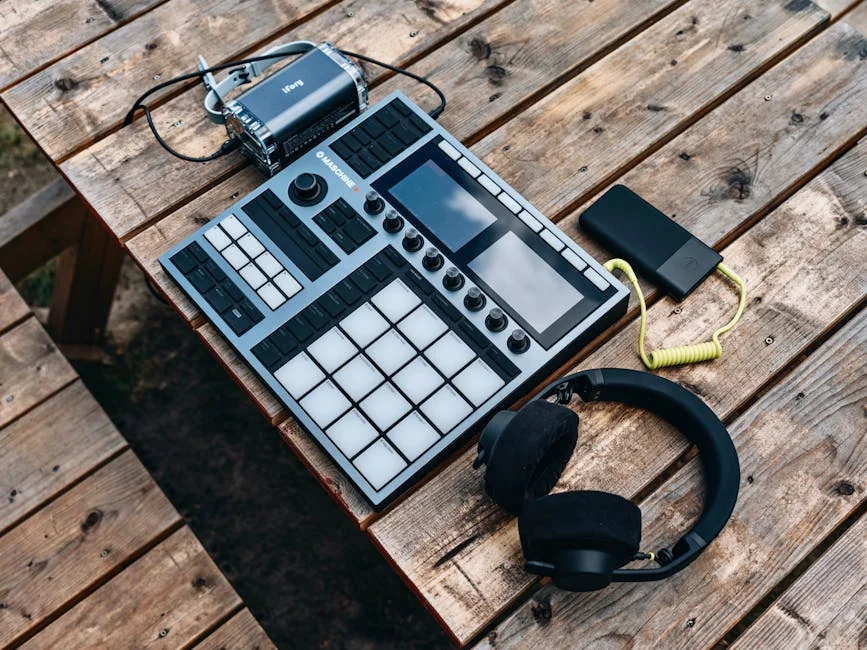
Clamping force is the inward lateral pressure a headphone’s headband exerts on your head. It’s measured in Newtons (N) and determined by the spring tension built into the headband structure. Every headphone that physically contacts your head applies some amount of clamping force. The question isn’t whether clamping force exists, but whether it’s calibrated appropriately for your head size, ear shape, and intended session length.
Most headphones land somewhere between 2.5N and 5N of measured clamping force. Below roughly 2.5N, many listeners report that headphones feel loose, slide during movement, and lose bass impact due to poor seal. Above roughly 5N, fatigue sets in quickly for most users, and pressure on the ears, jaw, or temples becomes the dominant sensory experience rather than the music itself.
Why Clamping Force Matters More Than Most Buyers Expect
Clamping force interacts with several other variables that experienced buyers track closely. Pad material, pad depth, headband weight distribution, and ear cup angle all modify how clamping force translates to perceived pressure. A headphone with moderately high clamping force and deep velour pads may feel more comfortable than one with lower clamping force and shallow pleather pads that press directly against your outer ear.
Bass response is the other dimension most affected. Over-ear headphones depend on a consistent seal against your head to deliver accurate low-frequency extension. If clamping force is too low for your head size, the seal breaks at the edges and bass rolls off early. This is why some listeners experience the same headphone as “bass-light” when a reviewer describes it as balanced: the clamping force wasn’t sufficient for their head geometry.
How Clamping Force Varies by Headphone Type
Different headphone categories approach clamping force with genuinely different engineering priorities.
Over-Ear (Circumaural) Headphones
Circumaural headphones are designed so the ear cup surrounds the ear entirely. The clamping force goal here is to achieve a consistent seal around the ear without pressing the cup against the ear itself. When the design works, the ear floats inside the cup with pressure distributed evenly around the perimeter of the pad.
The Sennheiser HD600, which is the headphone I reach for most after three years of owning everything in my collection, sits on the lower end of the clamping force spectrum by design. Sennheiser built it to be worn for long sessions, and the relatively modest spring tension reflects that priority. New HD600 units can feel slightly tight initially, but most owner reports indicate the headband relaxes meaningfully within the first weeks of regular use.
Circumaural headphones with high clamping force and heavy ear cups, common in the planar magnetic category, create a different kind of pressure. The weight of planar drivers is distributed unevenly when the headphone clamps tightly, which concentrates force at the top of the ear and at the temples rather than distributing it uniformly.
On-Ear (Supra-Aural) Headphones
On-ear headphones sit on top of the ear rather than surrounding it. Because the cup contacts the ear directly, they require higher clamping force to maintain a seal. An on-ear headphone that grips loosely will shift constantly and fail to deliver consistent sound. An on-ear that grips too firmly creates localized pressure directly on the outer ear cartilage, which is substantially less comfortable over long sessions than pressure distributed around the ear.
This is a meaningful design constraint that explains why on-ear headphones as a category attract more comfort complaints despite often being physically lighter than their circumaural counterparts. The contact geometry is less forgiving.
IEMs and Earbuds
In-ear monitors have no headband clamping force in the traditional sense, but they have their own equivalent: the outward pressure an ear tip exerts against the ear canal. Proper tip fit in IEMs determines seal, bass extension, and how long the IEM can be worn comfortably. The physics are different from headband spring tension, but the underlying relationship between fit, seal, and acoustic performance is analogous.
The Relationship Between Clamping Force and Sound
This is where things get interesting for measurement-aware listeners.
Bass Response and Seal Integrity
Headphone measurements assume an ideal seal on a standardized head form. When clamping force is insufficient for your actual head dimensions, the real-world seal you get differs from the measurement condition, and the frequency response you hear differs from the published curve.
Crinacle’s graphs and ASR’s headphone measurements are calibrated on a standardized fixture. I consult both regularly, and they’re indispensable references. But they can’t tell you whether a specific headphone’s clamping force will maintain a seal on your particular head at your particular head width. That’s why owner reports about bass response are worth reading alongside the measurement data, not instead of it.
Resonance and Driver Tension
Some engineering discussions in Head-Fi threads raise the point that clamping force affects how much the ear cup is stabilized against the driver back. If the cup flexes during playback, that flex can interact with driver resonance. For most headphones in the budget and mid range, this is not a meaningful practical concern. For very stiff planar magnetic drivers, some engineers argue that consistent cup pressure matters more, though the audible significance is contested and I hold that claim loosely.
Perceived Soundstage
A related claim circulates in audiophile communities: that higher clamping force narrows perceived soundstage by bringing the driver closer to the ear. I’ve read this argument on Head-Fi and seen it referenced in Resolve Reviews discussions. The proposed mechanism is plausible, but I’m skeptical about the magnitude of the effect in practice. Pad depth and driver distance are more direct determinants of perceived stage width than clamping force variation within a normal range.
How to Measure and Adjust Clamping Force
You don’t need lab equipment to get a practical read on clamping force.
DIY Assessment Methods
The most common field method is the pencil test. Place a thick hardcover book or a stack of books on a flat surface, fit the headphone over the stack at approximately your head width, and leave it for 24 to 48 hours. Gravity and time do the same work as wearing the headphone for many hours. Most dynamic driver headphones with steel or spring-steel headbands respond to this treatment.
A more direct method is to gently bow the headband outward by hand, holding the bend for thirty to sixty seconds and repeating several times. This is the faster method, but it’s also the one more likely to permanently deform a headband if applied too aggressively. Slow and incremental is the right approach.
For headphones that are too loose rather than too tight, the options are more limited. Adding thicker pads increases the effective distance between the driver and the ear, which changes the acoustic presentation, and it also applies slightly less clamping force to the head. Some users add small bends inward on aluminum headbands, but this risks cracking the material and is not recommended without understanding your headband’s specific material properties.
When to Adjust vs. When to Reconsider the Headphone
Three years in, I’ve noticed that my comfort threshold for clamping force has become more defined, not less. I know within about thirty minutes whether a headphone’s clamping force is going to be compatible with my head geometry and session habits. If adjustment is needed, I try the book method first and give it a week. If the headphone still causes pressure fatigue after adjustment, I take that as meaningful data about fit compatibility rather than a correctable problem.
Some headphones simply aren’t compatible with specific head sizes and shapes, and no amount of bending will change the fundamental geometry of the cup design. This is a legitimate reason to return or sell a headphone that measures well and sounds good but causes consistent discomfort.
Buying Guide: What to Look For
If you’re selecting a headphone with clamping force in mind, there are several factors worth building into your evaluation process. The Audiophile Basics section covers the broader source chain and headphone category landscape if you want context around these decisions.
Head Width and Stated Clamping Force
Published clamping force specs are rare in consumer headphone marketing. Most manufacturers don’t publish them, and the specs that do appear are often measured on a standardized head form that may not match your dimensions. Owner reports from community sources, particularly long-form Head-Fi threads that discuss comfort across many pages of real use, are more useful than spec sheets.
Look for reports that mention head size specifically. A listener describing a headphone as “slightly tight but manageable after break-in” on a large head is giving you different information than the same description from a listener with a small or medium head.
Pad Material and Clamping Force Interaction
Pad material changes how clamping force feels on your head even when the underlying spring tension is identical. Velour pads distribute pressure more softly and breathe better during long sessions. Pleather and leather pads create better acoustic seal but concentrate pressure more acutely and retain heat. Memory foam pads can reduce perceived clamping pressure by conforming to head contours, but they also compress over time and need eventual replacement.
If a headphone you’re considering offers multiple pad options, community reports on how pad swaps change the comfort profile are worth seeking out before purchasing. Pad swapping is one of the most reliable comfort adjustments available without modifying the headband itself.
Session Length and Use Case
A headphone that’s comfortable for forty-five minutes of casual listening may cause significant fatigue during a three-hour mixing or gaming session. Be honest about your actual use patterns when evaluating clamping force. Verified buyer reports on sites like Amazon, filtered for mentions of long sessions, provide useful real-world data even if the audio quality impressions in those reviews are less reliable than community audiophile sources.
Field reports from Head-Fi and the r/headphones subreddit consistently show that clamping force complaints cluster around specific models, and those clusters persist across many users and many years of discussion. A headphone with a reputation for high clamping force on larger heads is unlikely to be comfortable for someone who has previously found similar headphones uncomfortable.
Portability and Movement
For portable use, some clamping force is genuinely useful. A headphone that stays seated during commuting or exercise requires enough grip to resist movement. The tradeoff is that the same force that keeps a headphone stable during movement is the force that causes fatigue during stationary desk use. Portable and desktop headphones are often optimized for different clamping force targets, and using a headphone designed for portable use as a desktop listening headphone is a setup for comfort issues.
Source Chain Note: Portable Audio Devices
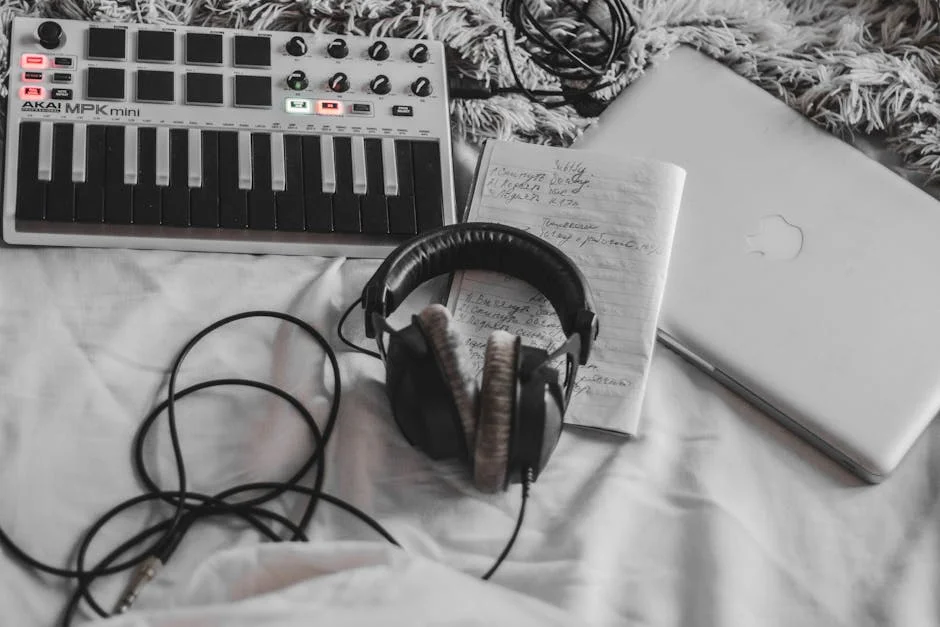
While clamping force is the core topic here, a brief word on portable source devices is relevant because many clamping force discussions arise in the context of portable listening, where you’re more likely to be moving and where headphone fit stability matters more.
The mid-range FiiO X5 Mark III is a dedicated digital audio player from an earlier generation of DAP hardware. It runs on Android 5.1, which creates real limitations for current streaming app support, and the dual AK4490 chip implementation is now outpaced by more recent alternatives. Verified buyers note its balanced 2.5mm output as a genuine strength for listeners with compatible cables, but field reports indicate the Android age is a practical frustration for users who want streaming alongside local file playback.
Check current price on Amazon.
FiiO M11 Plus Portable Music Player ESS Version
The FiiO M11 Plus is a current-generation portable player running Android 10 with an ESS Sabre ES9068AS chip. Measured performance from the ESS implementation is strong, and the 4.4mm balanced output provides meaningful drive capability for more demanding headphones. Owner reviews consistently cite streaming app compatibility as a significant advantage over older DAPs. The primary counterargument in community discussions is consistent: a modern phone paired with a good portable DAC delivers comparable audio performance at similar or lower total cost, with a more pocketable profile.
Check current price on Amazon.
iFi xDSD Gryphon Portable Bluetooth DAC/Amplifier
The iFi xDSD Gryphon is a premium portable DAC/amp that supports Bluetooth aptX Adaptive, which delivers near-lossless wireless audio quality with compatible source devices. Field reports from mobile audiophile communities emphasize the physical volume dial as a strong ergonomic preference over app-based volume controls. The XBass and XSpace filters add tunable sound character, though verified buyers note these are preferences to audition carefully since they add coloration that some users prefer to leave off entirely. The premium portable price point is a real consideration given the risk of loss or damage in transit.
Check current price on Amazon.
Chord Mojo 2 Portable DAC/Amp
The Chord Mojo 2 is the technically distinctive entry here. Chord uses a custom FPGA implementation with their proprietary WTA filter rather than an off-the-shelf DAC chip, which makes it a genuinely interesting subject for listeners curious about FPGA audio approaches. Measured performance is excellent despite the unconventional architecture. The ball-button interface is the persistent criticism in verified buyer reports and community reviews: it’s unintuitive in a way that takes time to learn and remains impractical for quick adjustments. Community consensus across Head-Fi and ASR notes that the original Mojo 1 available second-hand offers strong value for buyers who don’t require the Mojo 2’s DSP updates.
Check current price on Amazon.
EarFun Free Pro 3 ANC True Wireless Earbuds
The EarFun Free Pro 3 is notable primarily for delivering Qualcomm aptX Adaptive at a budget price point. Measurement data from ASR and community audio review sites shows accurate tuning that punches well above its price band. Active noise cancellation is present and functional, though the consensus across reviewers is clear: Sony and Bose lead significantly on ANC performance, and the EarFun’s ANC is adequate rather than competitive at the top. Occasional TWS connection reliability issues appear in user reviews. For listeners prioritizing codec quality on a budget, field reports consistently mark this as a standout value.
Check current price on Amazon.
Sony WF-1000XM5 True Wireless Noise Canceling Earbuds
The Sony WF-1000XM5 is the benchmark product for TWS ANC performance in most community roundups. LDAC codec support delivers near-lossless Bluetooth audio quality when paired with compatible Android devices, and the Sony Headphones Connect app provides detailed EQ options that give audiophile users meaningful control over tuning. Verified buyer consensus places the ANC in a class of its own among true wireless earbuds. The earpiece size is larger than some competitors, and fit varies enough by ear shape that trying before purchasing is advisable where possible. The XM4 and XM3 are available second-hand at substantial discounts for buyers whose priority is ANC function over latest-generation hardware.
Check current price on Amazon.
Apple AirPods Pro 2nd Generation with MagSafe Case
The Apple AirPods Pro 2 represent the mainstream reference point for ANC TWS earbuds in most consumer comparisons. Adaptive Transparency mode is consistently praised in owner reviews as a genuinely useful feature for situational awareness in urban environments. Personalized Spatial Audio is a meaningful differentiator for Apple ecosystem users. The relevant audiophile limitation is the AAC codec ceiling on non-Apple devices, which restricts audio quality in cross-platform use. Tuning is optimized for the Apple ecosystem and offers less flexibility for audiophile customization than Android-compatible competitors with richer EQ apps.
Check current price on Amazon.
HiBy R3 Pro Saber Portable Music Player
The HiBy R3 Pro Saber is the budget DAP recommendation most frequently cited in community buying guides for listeners who want a dedicated audio player without a large financial commitment. The 4.4mm balanced output at a budget price is the standout specification, and the compact form factor is consistently noted as more pocketable than larger DAPs. Field reports indicate the touch screen responsiveness is noticeably behind flagship DAPs, and the limited Android version creates compatibility constraints for some streaming apps. For IEM users wanting a dedicated source without spending into the premium tier, community consensus points to this as the practical entry point.
Check current price on Amazon.
Frequently Asked Questions
Does high clamping force permanently damage your ears?
Prolonged high clamping force is unlikely to cause structural damage to ears, but it can cause pressure fatigue, jaw soreness, and headaches during long sessions. These are comfort issues rather than medical risks for most users. If a headphone causes consistent pain, reducing session length and attempting headband adjustment are the practical first steps. Persistent pain warrants discontinuing use of that particular headphone.
Can I reduce clamping force without breaking my headphone?
The book method is the safest approach: stretch the headband over a stack of books slightly wider than your head and leave it for 24 to 48 hours. This works well on spring-steel and plastic headbands and is reversible if overdone. Manual bending is faster but carries more risk of permanent deformation. Avoid heat-based adjustment methods unless you have specific knowledge of your headband’s material composition.
Does clamping force affect sound quality directly?
Clamping force affects seal integrity, which affects bass extension and overall frequency response consistency. A headphone with insufficient clamping force for your head width will deliver less bass than the published measurements suggest, because the seal around the ear pad is incomplete. Beyond seal integrity, the direct effect of clamping force on driver performance is minimal for most headphones at normal use conditions.
How do I know if a headphone’s clamping force will suit me before buying?
Owner reports from communities like Head-Fi, r/headphones, and long-form reviews that mention head size are the most reliable pre-purchase signal. Verified buyer reviews filtered for comfort and long-session mentions add real-world data. If you have access to a local audio meetup or a retailer with open-box demo units, hands-on time is worth more than any amount of research. For reference, I trust what multiple owners with similar head sizes report over single-reviewer impressions.
Does clamping force loosen permanently over time?
Most headbands relax somewhat with regular use, particularly in the first weeks of ownership. This is generally desirable for initially tight headphones. However, the relaxation is not infinite, and a headband that becomes too loose over time is difficult to restore without physical modification. For headphones known to loosen significantly with age, buying used can mean buying one that has already relaxed past the comfortable range for larger heads.
<script type="application/ld+json">
{
"@context": "https://schema.org",
"@type": "FAQPage",
"mainEntity": [
{
"@type": "Question",
"name": "Does high clamping force permanently damage your ears?",
"acceptedAnswer": {
"@type": "Answer",
"text": "Prolonged high clamping force is unlikely to cause structural damage to ears, but it can cause pressure fatigue, jaw soreness, and headaches during long sessions. These are comfort issues rather than medical risks for most users. If a headphone causes consistent pain, reducing session length and attempting headband adjustment are the practical first steps. Persistent pain warrants discontinuing use of that particular headphone."
}
},
{
"@type": "Question",
"name": "Can I reduce clamping force without breaking my headphone?",
"acceptedAnswer": {
"@type": "Answer",
"text": "The book method is the safest approach: stretch the headband over a stack of books slightly wider than your head and leave it for 24 to 48 hours. This works well on spring-steel and plastic headbands and is reversible if overdone. Manual bending is faster but carries more risk of permanent deformation. Avoid heat-based adjustment methods unless you have specific knowledge of your headband's material composition."
}
},
{
"@type": "Question",
"name": "Does clamping force affect sound quality directly?",
"acceptedAnswer": {
"@type": "Answer",
"text": "Clamping force affects seal integrity, which affects bass extension and overall frequency response consistency. A headphone with insufficient clamping force for your head width will deliver less bass than the published measurements suggest, because the seal around the ear pad is incomplete. Beyond seal integrity, the direct effect of clamping force on driver performance is minimal for most headphones at normal use conditions."
}
},
{
"@type": "Question",
"name": "How do I know if a headphone's clamping force will suit me before buying?",
"acceptedAnswer": {
"@type": "Answer",
"text": "Owner reports from communities like Head-Fi, r/headphones, and long-form reviews that mention head size are the most reliable pre-purchase signal. Verified buyer reviews filtered for comfort and long-session mentions add real-world data. If you have access to a local audio meetup or a retailer with open-box demo units, hands-on time is worth more than any amount of research. For reference, I trust what multiple owners with similar head sizes report over single-reviewer impressions."
}
},
{
"@type": "Question",
"name": "Does clamping force loosen permanently over time?",
"acceptedAnswer": {
"@type": "Answer",
"text": "Most headbands relax somewhat with regular use, particularly in the first weeks of ownership. This is generally desirable for initially tight headphones. However, the relaxation is not infinite, and a headband that becomes too loose over time is difficult to restore without physical modification. For headphones known to loosen significantly with age, buying used can mean buying one that has already relaxed past the comfortable range for larger heads."
}
}
]
}
</script>