Best Headphones for Glasses Wearers: Reviewed

Affiliate disclosure: Some links on this page are affiliate links. If you buy through them we earn a small commission at no extra cost to you. Recommendations are research-driven; we don't claim personal use of every product reviewed. Product prices and availability are accurate as of the date published and are subject to change. Always check Amazon for current pricing before purchasing. Learn more.
| Product | Price Range | Top Strength | Key Weakness | Buy |
|---|---|---|---|---|
| Sennheiser HD 600 Open-Back Audiophile Headphones also consider | $$ | Legendary neutral-warm tuning that rewards critical listening | Requires a decent amp to perform at its best | Buy on Amazon |
| Audio-Technica ATH-M40x Professional Studio Monitor Headphones also consider | $ | Flatter frequency response than ATH-M50x for more accurate monitoring | Less bass emphasis than M50x, may disappoint casual listeners | Buy on Amazon |
Glasses wearers already know the problem: after an hour with the wrong pair of headphones, the pressure on temple arms builds from background nuisance to real distraction. The frame creates a gap in the ear-cup seal, which bleeds bass and adds fatigue, a dual penalty that makes headphone selection more consequential for this particular listener. Exploring the full range of headphones options before committing is genuinely worth the time here, because comfort variables that don’t matter to other buyers matter a great deal to you.
The right answer isn’t a single headphone type, it depends on ear-cup depth, clamp force, and whether the driver needs a seal to perform.
What to Look For in Headphones for Glasses Wearers
Ear Cup Depth and Clearance
The single most important variable for glasses wearers is whether the ear cup is deep enough to accommodate the temple arm without pressing it against the ear. Shallow cups, common in budget closed-backs, rest directly on the ear, which means the frame arm sits between cup foam and cartilage under constant clamping pressure. That pressure compounds over time and creates the discomfort most glasses-wearing listeners associate with headphones generally.
Over-ear designs with at least 20mm of interior depth are the minimum to consider. Deep oval cups, which provide both vertical and horizontal clearance, tend to work better than circular cups, which distribute clamp force unevenly across the frame arm’s contact point.
Clamp Force and Its Relationship to Seal
Clamp force is a compound problem for glasses wearers. Headphones that clamp firmly enough to maintain an acoustic seal on bare ears will often clamp too firmly when a frame arm is present, concentrating pressure on a narrow point rather than distributing it across the entire cup perimeter. The result: fatigue from pressure, not from weight.
Lower-clamp designs reduce this problem but introduce a trade-off on closed-back headphones, where seal is load-bearing for bass extension. Open-back headphones sidestep this trade-off entirely, their acoustic design doesn’t depend on a tight seal, so a moderate or even loose fit doesn’t degrade sound quality. For glasses wearers, this is one of the strongest structural arguments for open-back designs.
Ear Pad Material and Compression
Velour and fabric pads compress and conform more readily around a frame arm than pleather or synthetic leather, which tend to press back against whatever interrupts the seal. Velour pads, used on most Sennheiser 5xx and 6xx headphones, accommodate the temple arm without creating a hard pressure point because the material yields to the frame rather than resisting it.
Memory foam padding inside the cup also helps by conforming to the ear and frame arm together over a listening session, reducing the redistribution of clamp pressure that happens as rigid foam fatigues. The combination of velour outer material and memory foam interior is the most forgiving configuration for extended wear with glasses.
Earbud and IEM Alternatives
Not every glasses wearer wants over-ear headphones. IEMs sit inside the ear canal, entirely independent of temple arm placement, which eliminates the frame-contact problem by design. The trade-off is that IEMs require a good ear-tip fit to create their own acoustic seal, and for listeners accustomed to over-ear soundstage, the in-ear presentation takes adjustment.
For buyers who primarily want a comfort solution and are open to in-ear formats, IEMs are the structurally simpler answer. For buyers committed to the over-ear listening experience, the broader soundstage, the out-of-head imaging, the longer wearing sessions that open-backs enable, the cup geometry and pad material variables covered above are the path to a workable solution. A deeper look at the full category of over-ear and on-ear headphones is worth bookmarking if you’re still working out which format fits your listening habits.
Top Picks
Sennheiser HD 600
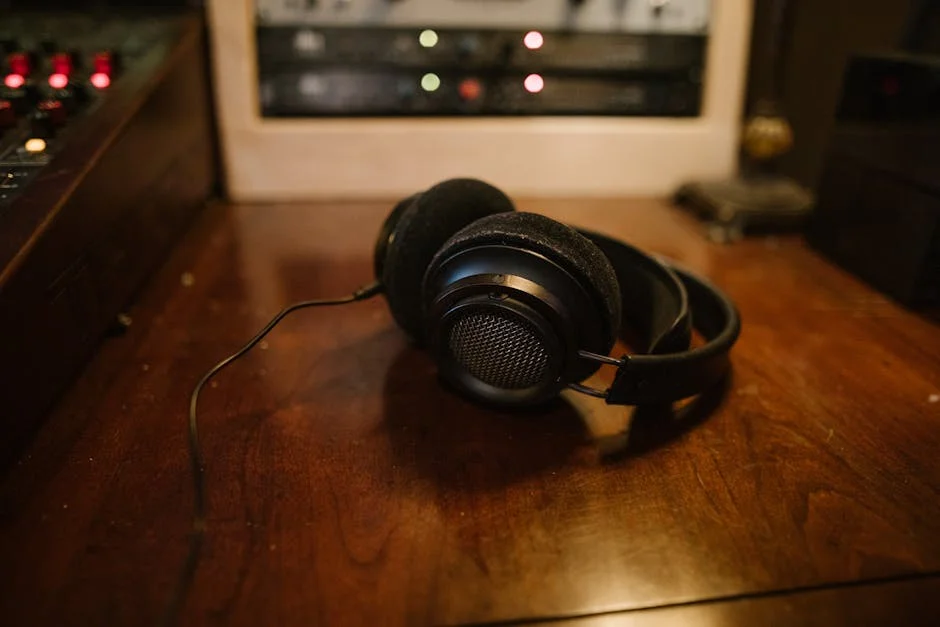
For glasses wearers specifically, its combination of velour ear pads, relatively low clamp force, and deep oval cups suits glasses wearers well. The frame arm sits in the velour without creating a pressure point, and the open-back design means a slightly imperfect seal costs you nothing acoustically.
The sound case is equally strong. Published measurements show a neutral-warm frequency response with a clean midrange. That kind of tuning is generally considered less fatiguing over long sessions than brighter or more V-shaped headphones, which matters for a listener already managing frame-arm discomfort.
The HD 600 benefits from amplification, it has a 300-ohm impedance that most laptops and phones won’t drive to its potential. A modest stack such as a Schiit Magni or JDS Atom is enough to drive it properly. The amplification question is worth solving, but it isn’t a prerequisite to using the headphone.
Check current price on Amazon.
Sennheiser HD 559
The Sennheiser HD 559 shares the physical design language of the HD 600, velour pads, open-back cups, and the same Sennheiser headband that distributes clamping force predictably across the crown rather than concentrating it at the temples. For glasses wearers entering the hobby without an existing DAC/amp, this is the more practical starting point: it drives directly from a phone or laptop without any additional equipment.
The trade-off compared to the HD 600 is resolution. That’s not a disqualifying flaw for a first open-back headphone; it’s a description of what you’re trading to get to a more accessible price band. The comfort fundamentals are the same, and for a buyer whose primary question is whether open-back headphones work with glasses before committing to a full-priced pair, the HD 559 answers that question without significant risk.
Audio-Technica ATH-M40x
The Audio-Technica ATH-M40x is the closed-back option in this group, and it brings a different set of trade-offs for glasses wearers. Its circumaural cups are reasonably deep, but the clamp force is firmer than either Sennheiser, a design choice that makes sense for a closed-back where seal is essential for bass extension, but one that compounds noticeably when frame arms are present.
The frequency response is flatter than the M50x, a genuine advantage for anyone who wants honest monitoring rather than consumer-tuned bass emphasis, and the detachable cable system means you can replace cables without committing to aftermarket upgrades.
For glasses wearers specifically, the M40x is the most conditional recommendation here. If isolation and portability matter, shared office, commute, recording environment, it’s the right closed-back to consider at this price band. If isolation isn’t a requirement, the open-back options above will be more consistently comfortable for extended wear.
Check current price on Amazon.
Buying Guide
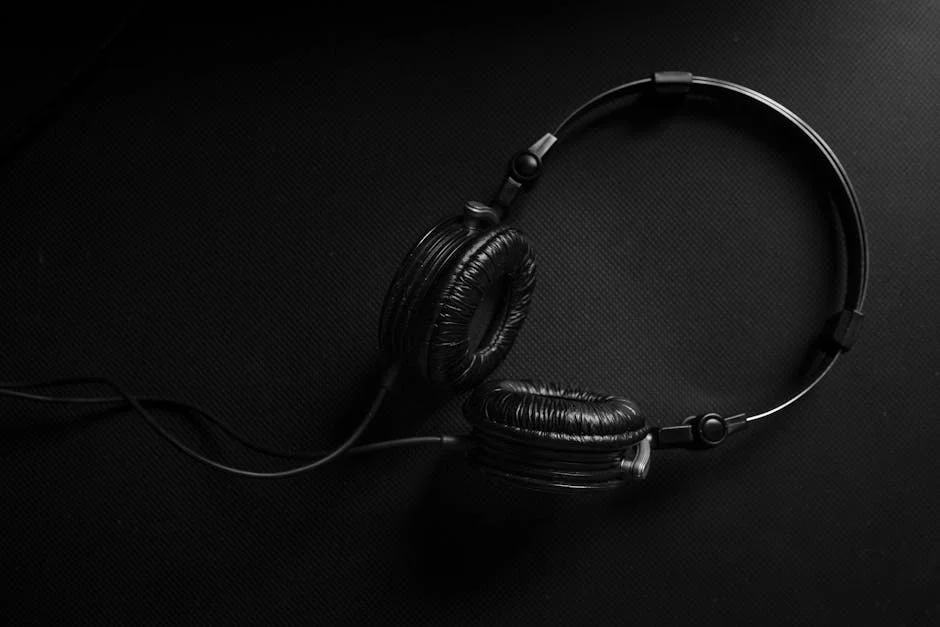
Open-Back vs. Closed-Back for Glasses Comfort
The structural argument for open-back headphones is clearest for glasses wearers. A closed-back headphone’s bass response depends on maintaining an acoustic seal, when a temple arm interrupts that seal, bass extension drops and the tuning shifts from what the manufacturer intended. Open-back headphones don’t rely on seal for their acoustic performance, which means a slightly imperfect fit around a frame arm doesn’t degrade the sound. Both HD 600 and HD 559 benefit from this design decision in ways the ATH-M40x simply cannot.
Closed-back headphones remain the right answer for isolation requirements. If the listening environment is noisy, or if sound leakage into a shared space is a problem, open-back designs aren’t viable regardless of comfort. The trade-off is real, it’s worth being clear about which constraint actually applies to your situation before choosing a format.
Clamp Force: Adjustment and Break-In
Most headphones’ clamp force can be reduced by gently stretching the headband over a stack of books overnight. This is a common technique and, done moderately, is unlikely to damage the headphone, though check the manufacturer’s warranty terms first. For glasses wearers, reducing clamp force by 10-15% often eliminates the pressure-point problem without compromising the cup’s contact with the ear.
Both Sennheiser headphones here respond well to this adjustment, their headbands are steel-reinforced and return to approximately the stretched dimension over time. The ATH-M40x has slightly less headband flex, which limits how much adjustment is achievable. Buyers who find the initial clamp uncomfortable should stretch before assuming the headphone is incompatible with their frame.
Pad Material: What to Replace and When
Ear pad replacement is underused as a glasses-comfort tool. The stock velour pads on Sennheiser headphones are already among the most glasses-friendly materials available, but worn velour compresses and loses its conforming quality over time. Replacing worn pads restores the original comfort profile, Sennheiser’s replacement pads are readily available and designed for the HD 5xx and HD 6xx series specifically.
On the ATH-M40x, aftermarket pads that increase cup depth, particularly those marketed for the M50x, can improve glasses comfort by adding clearance for the frame arm. This is a common solution for listeners who find the M40x’s stock cups marginal. The fit of your specific glasses frame matters here more than any specification: temple arm thickness and the angle at which it contacts the cup are the actual variables.
Amplification and the Glasses-Wearer’s Setup
Glasses wearers sometimes prioritize portability, a headphone that works from a phone or laptop without extra equipment. The HD 559 serves this use case directly. The HD 600’s 300-ohm impedance means it benefits from amplification, though for casual listening the improvement over a competent phone output is modest. For a desktop setup where an amp is already present or planned, the HD 600 is the better long-term choice. For a mobile-first or minimalist setup, the HD 559 is the more practical entry point.
The full range of options at different amplification requirements is worth reviewing in the headphones hub before making a final decision, particularly if you’re uncertain whether a dedicated amp is something you’ll eventually want.
Frame Type and Compatibility
Thin wire frames, common in rimless and semi-rimless designs, create far less interference than thick acetate or titanium frames. Listeners with thin frames often find the glasses-headphone interaction to be a minor issue regardless of headphone choice. Listeners with thick frames need to prioritize cup depth and pad softness more aggressively.
Temple arm curvature also matters. Frames with strong inward curvature at the temple-ear junction create a more pronounced pressure point under a headphone cup than straight arms, which distribute contact across a longer surface. If you’re buying new glasses alongside new headphones, a straight or shallow-curve temple arm is worth specifying.
Frequently Asked Questions
Do open-back headphones work better with glasses than closed-back?
Generally, yes, for comfort and for sound consistency. A closed-back headphone relies on a tight seal for bass extension, and a glasses frame arm interrupts that seal, which degrades the intended tuning. Open-back headphones don't depend on seal acoustically, so the frame arm creates a comfort consideration but not a sound-quality one. The Sennheiser HD 600 and HD 559 are strong examples of open-backs that work well with most frame types.
Should I choose the HD 600 or the HD 559 if I wear glasses?
The choice comes down to budget and whether you already have a DAC/amp. Both share the same ear-pad material, similar cup geometry, and comparable clamp force, the glasses-comfort fundamentals are nearly identical. The HD 600 is the more resolving, better-scaling headphone, but it benefits from amplification. The HD 559 works directly from a phone or laptop and costs significantly less, making it the lower-risk starting point for a first open-back purchase.
Can I reduce clamp force on headphones to make them more comfortable with glasses?
Yes. The standard technique is to stretch the headband over a stack of books for several hours, this gently widens the arc and reduces the clamping pressure against the cups. Both Sennheiser headphones respond well to this adjustment. Moderate stretching doesn't damage the headband and can meaningfully reduce the pressure a frame arm exerts against the ear. Repeat as needed if the headband gradually returns to its original tension.
Is the ATH-M40x a good option for glasses wearers who need isolation?
It's the right closed-back option at this price band if isolation is genuinely required, shared office, commute, or recording environment. The cups are reasonably deep and the pads are softer than the M50x's stock pads, which partially offsets the firmer clamp force. Glasses wearers with thick frames may find it marginal for sessions over two hours, but aftermarket pads that increase cup depth are a common solution that improves the fit considerably.
Does ear pad material make a meaningful difference for glasses comfort?
Yes, more than most buyers expect. Velour and fabric pads yield around a glasses frame arm rather than pressing back against it, which distributes pressure more evenly and reduces fatigue. Pleather and synthetic leather pads create a harder contact surface against the temple arm, concentrating pressure at a single point. Worn velour pads lose their conforming quality over time; replacing them restores the original comfort profile and is worth doing before assuming a headphone is simply incompatible with your frames.
Where to Buy
- Sennheiser HD 600 Open-Back Audiophile HeadphonesSee price on Amazon
- Audio-Technica ATH-M40x Professional Studio Monitor HeadphonesSee price on Amazon