Headphone Headband Cover Buyer's Guide: Top Picks Reviewed

Affiliate disclosure: Some links on this page are affiliate links. If you buy through them we earn a small commission at no extra cost to you. Recommendations are research-driven; we don't claim personal use of every product reviewed. Product prices and availability are accurate as of the date published and are subject to change. Always check Amazon for current pricing before purchasing. Learn more.
Quick Picks
Geekria Headband Cushion Pad Replacement for Sennheiser HD 600 HD 650 HD 660
Inexpensive headband replacement for HD 600/650/660 series
Buy on AmazonBrainwavz Round Velour Memory Foam Earpads for Large Headphones
Pure velour material for breathable, comfortable extended wear
Buy on AmazonYunYiYi Fenix Audio Replacement Ear Pads Compatible with Beyerdynamic DT 770 DT 880 DT 990
Budget replacement for DT 770/880/990 worn earpads
Buy on Amazon| Product | Price Range | Top Strength | Key Weakness | Buy |
|---|---|---|---|---|
| Geekria Headband Cushion Pad Replacement for Sennheiser HD 600 HD 650 HD 660 also consider | $ | Inexpensive headband replacement for HD 600/650/660 series | Third-party quality may differ from Sennheiser original headband | Buy on Amazon |
| Brainwavz Round Velour Memory Foam Earpads for Large Headphones also consider | $ | Pure velour material for breathable, comfortable extended wear | Round shape not ideal for oval-cup headphones | Buy on Amazon |
| YunYiYi Fenix Audio Replacement Ear Pads Compatible with Beyerdynamic DT 770 DT 880 DT 990 also consider | $ | Budget replacement for DT 770/880/990 worn earpads | Budget quality vs. stock pads or Dekoni premium alternatives | Buy on Amazon |
Headband padding is the part of headphone comfort most people ignore until it fails. The foam compresses, the leatherette cracks, and what was once a pleasant wearing experience becomes something you’re actively aware of , not in a good way. A headphone headband cover or replacement pad is the kind of maintenance item that earns its place in any serious accessories kit, whether you’re nursing a beloved pair of aging cans or just staying ahead of wear.
Most buyers arrive at this category after the damage is done. The better approach is understanding what separates a useful replacement from one that creates new problems before anything falls apart.
What to Look For in a Headphone Headband Cover
Headphone-Specific Fit vs. Universal Fit
Not all headband replacements are interchangeable. Some are cut to match a specific model’s dimensions , the arc width, the attachment points, the pad thickness , while others aim for a broad universal fit that trades precision for accessibility. Neither approach is inherently wrong, but they suit different buyers.
Model-specific replacements are the safer choice when your headphone has a well-documented aftermarket. Headphones in the Sennheiser HD 6XX family, for example, have enough third-party support that you can find pads engineered to match the original profile. With universal options, the fit is often adequate but rarely exact , gaps, bunching, and loose edges are common failure modes.
If your headphone is less common or falls outside the major supported families, universal options may be your only route. Verify attachment method carefully before buying , some universal pads use elastic sleeves, others use velcro, and a few rely on adhesive strips that are genuinely difficult to reverse cleanly.
Material and Durability
Leatherette (also called pleather or protein leather) remains the most common headband cover material. It’s easy to wipe clean, holds its shape well in humid conditions, and matches the stock aesthetic on most headphones. The tradeoff is that it eventually cracks, particularly where it creases under repeated compression.
Genuine leather options exist for some headphones and carry better long-term durability, though they’re less common in the replacement market. Fabric and velour headband covers are rarer still, but they exist , and for buyers who find leatherette uncomfortable in warm weather, they’re worth seeking out. The material choice affects feel on bare skin more than any other single factor.
Foam Density and Padding Thickness
The headband’s job is pressure distribution. A pad that’s too thin puts all the clamping force into a narrow strip at the top of your skull; a pad that’s too thick can change the fit geometry, pushing earpad cups away from the ideal angle. Neither outcome is good.
Replacement pads vary meaningfully in foam density. Memory foam conforms slowly and tends to stay conformed under pressure , useful for long sessions. Standard polyurethane foam is firmer, recovers faster, and often holds shape longer before it flattens permanently. Spec listings for foam type are inconsistent in the budget market, so owner reviews become important here: look for comments specifically about how the pad feels after extended wear, not just first impressions out of the packaging.
Exploring the full range of audio accessories available before committing to a specific replacement type can save a purchase you’ll regret within a month.
Installation and Reversibility
Some headband pads slip on and off in under a minute. Others require removing screws, detaching internal components, or carefully prying apart snap-fit housings. Before buying any replacement, locate a disassembly video for your specific headphone model and confirm you’re comfortable with what the installation actually involves.
Reversibility matters if you’re working with a headphone you value. An installation that damages the plastic headband channel or tears a mount point turns a comfort upgrade into a repair situation. Budget replacements are worth the savings only if the installation doesn’t put the headphone at risk.
Top Picks
Geekria Headband Cushion Pad Replacement for Sennheiser HD 600 HD 650 HD 660
The Geekria Headband Cushion Pad is a narrow but genuinely useful product. It solves one specific problem , deteriorated headband padding on the Sennheiser HD 6XX series , and it solves it cheaply and quickly. Owner reports indicate the fit is correct for HD 600, HD 650, and HD 660 without modification, which is worth more than it sounds when the alternative is hunting down an OEM part through Sennheiser’s service channel.
The main concern with third-party headband pads is material quality diverging from stock. Verified buyer accounts on the HD 6XX specifically suggest the Geekria pad is close enough in texture and firmness that the difference isn’t disruptive. It’s not an identical match , the leatherette feel is marginally different , but for a headphone used daily and already showing headband wear, that gap is unlikely to matter. Installation accounts mention taking care around the plastic retention clips, and that caution is warranted.
HD 600 and HD 650 owners who’ve nursed these headphones for years understand that maintenance is part of the relationship. Swapping the headband pad when the original cracks is no different from replacing the earpads , it’s upkeep, not compromise. The Geekria option makes that upkeep accessible without the wait time of an OEM order.
Check current price on Amazon.
Brainwavz Round Velour Memory Foam Earpads for Large Headphones
The Brainwavz Round Velour Memory Foam Earpads are earpads rather than headband covers specifically , but they belong in any comfort-upgrade conversation because headband wear and earpad wear rarely happen in isolation. Headphones with thin or deteriorated stock pads usually have headband fatigue too, and addressing both at once is the more complete solution.
Velour is the material case worth making here. Leatherette seals better and measures slightly more isolated, but velour breathes in a way leatherette simply doesn’t. For listeners running long sessions , four, five, six hours at a stretch , the thermal comfort difference is real. Owner consensus across Head-Fi and r/headphones consistently names the Brainwavz velour pads as a go-to budget comfort upgrade, particularly for gaming headsets with thin stock foam that compresses quickly.
The caveat is shape compatibility. These are round pads, which suits circular cup designs well. Oval cups , common on studio headphones , can develop pressure points where the pad geometry doesn’t match the cup’s edge. Verify your cup shape before buying. For headphones where the fit works, the memory foam density is well-regarded at this price tier: it conforms without the slow recovery sag that cheaper foam exhibits.
Check current price on Amazon.
Fenix Audio Replacement Ear Pads Compatible with Beyerdynamic DT 770 DT 880 DT 990
Beyerdynamic’s DT series , the Fenix Audio Replacement Ear Pads are designed to fit them , occupies an interesting position in the aftermarket. The stock velour pads on DT 770, DT 880, and DT 990 are among the more comfortable stock pads in headphone history, but they do flatten and mat over time. When that happens, the upgrade path splits: Dekoni makes premium replacements that are widely respected and priced accordingly, and budget options like Fenix Audio exist for owners who want functional comfort restored without a larger outlay.
The material difference from stock is the honest limitation here. DT-series stock velour has a specific texture and pile depth that budget replacements approximate rather than replicate. Owner accounts note that the Fenix pads restore the physical cushioning adequately, but the surface feel is firmer and less plush than fresh Beyerdynamic pads. For buyers whose priority is renewed contact comfort rather than an exact original-spec restoration, that tradeoff tends to be acceptable.
Sound impact is worth acknowledging. Earpad changes on the DT series, particularly on the DT 770, can affect bass quantity noticeably , the seal geometry shifts slightly with different pad materials. The Fenix pads represent a budget-tier option where that variance is present. Owners who’ve modded DT headphones before will be unsurprised; first-time pad replacers should be aware.
Check current price on Amazon.
Buying Guide
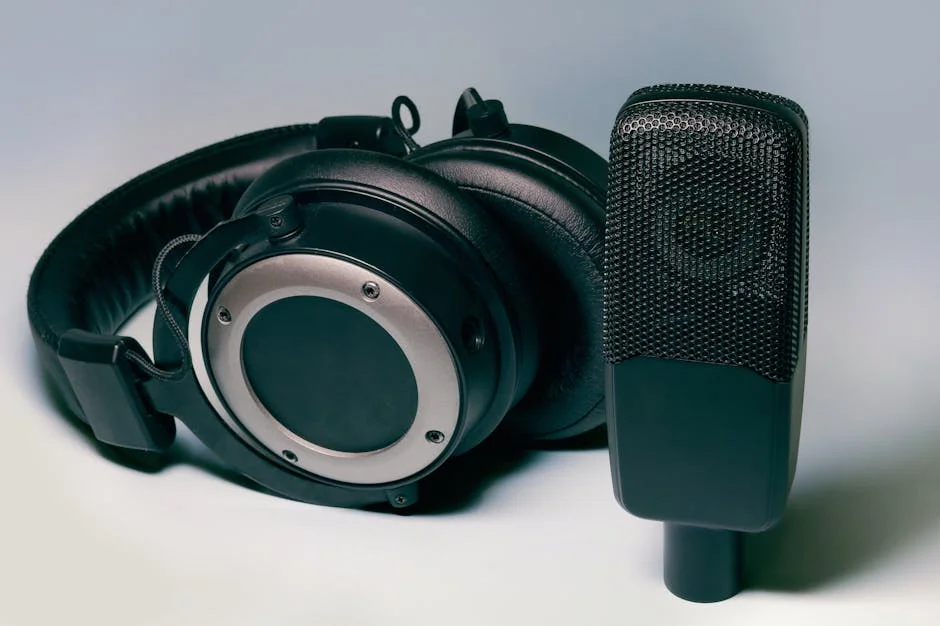
Know What Part Is Actually Wearing Out
Before purchasing any replacement, confirm whether the problem is the headband pad, the earpads, or both. Headband deterioration and earpad deterioration often happen on similar timelines, but they have different symptoms. A headband pad that’s cracking or flaking creates debris on your head and hair. An earpad that’s compressing makes the driver sit closer to your ear and changes the acoustic distance , which you’ll often hear as a shift in sound before you notice the physical wear.
Buying only one replacement when both are worn means returning to the same problem in a few months. If the headphone is worth maintaining, assess both contact points at the same time.
Match Replacements to Your Headphone’s Support Tier
Some headphones have deep aftermarket support. The Sennheiser HD 6XX family, Beyerdynamic’s DT series, and Audio-Technica’s M-series all have multiple third-party options with documented fit and performance data. Others , particularly mid-tier gaming headsets and lesser-known studio monitors , may have limited aftermarket options or none at all.
If your headphone falls outside the well-supported tier, universal options may be adequate for earpads, but headband replacements become harder. A universal headband cover that doesn’t fit cleanly creates new friction points and defeats the purpose. Know your headphone’s support tier before expecting the market to solve your problem.
Budget vs. Premium Replacements: When the Gap Matters
The replacement pad market spans a meaningful quality range. Budget options from brands like Geekria, Fenix Audio, and similar third-party manufacturers restore basic function at low cost. Premium options from Dekoni, Yaxi, and original-equipment manufacturers restore original-spec feel and, in some cases, improve on it.
The gap matters most when the headphone is high-fidelity and the pads affect acoustic performance. Pad swap effects on the DT 770 or HD 600 are documented and audible , foam density, material stiffness, and cup seal all contribute. For headphones where sound quality is the priority, a budget pad may restore comfort while subtly altering the presentation you bought the headphone for. For headphones used primarily as communication tools or for gaming, the acoustic sensitivity of the pad choice is lower and budget options represent cleaner value.
The accessories space has gotten more competitive at the budget tier in recent years, and the best budget options are better than they were. But that improvement is uneven across categories , headband pads, earpads, and cables don’t all follow the same trajectory.
Installation Risk and Tool Requirements
Most headband and earpad replacements don’t require tools. Most don’t need tools. A few do , particularly headband pads on models where the headband channel is a structural assembly rather than a slip-on component. Understand the installation before you commit.
For snap-fit headband assemblies, the risk is plastic fatigue at the retention points. Plastic that has aged under UV exposure and heat is more brittle than it looks, and a slip with a prying tool can crack a headband that would have lasted years otherwise. If the installation instructions for your specific model involve any kind of prying, source a plastic spudger and go slowly.
Earpads are generally lower-risk. Twist-lock and bayonet fittings are straightforward. Glued earpads are the exception , removal risks tearing the pad mounting ring, and replacement requires adhesive application that is genuinely irreversible.
Frequently Asked Questions
Do headphone earpads and headband covers need to be replaced at the same time?
Not necessarily, but they often wear on similar timelines. If one is deteriorating, inspect the other carefully , degraded foam in one location usually means degraded foam in the other. Replacing both at once avoids a second disassembly in three months. Earpads tend to fail first because they absorb more heat and sweat, but headband padding follows if the headphone sees regular use.
Will a third-party earpad change how my headphones sound?
It can, and the effect varies by headphone. Pad changes affect acoustic distance, cup seal, and diffuse-field response , these are real variables, not audiophile mythology. The DT 770 and HD 600 are two headphones where the pad-swap effect is well-documented and audible to most listeners. Budget replacements that change the pad’s foam density or surface material will shift the sound more than premium replacements designed to spec-match the original.
Is the Geekria headband pad a direct replacement for Sennheiser’s OEM part?
It’s a functional replacement, not an identical one. The Geekria pad fits the HD 600, HD 650, and HD 660 without modification and restores the contact comfort the original provides. Material texture and leatherette grain are slightly different from Sennheiser’s own headband pad. For owners whose original pad has cracked or flaked, the Geekria option is a practical solution , the fit geometry matters more than the material match in day-to-day wear.
Are the Brainwavz velour pads compatible with oval-cup headphones?
The Brainwavz round velour pads are designed for circular cup openings. Oval cups , common on Beyerdynamic and some Audio-Technica models , may fit, but the edge contact can create uneven pressure where the pad geometry diverges from the cup shape. Brainwavz also makes oval versions of their earpad line, which are a better fit for those headphones. Verify cup shape before ordering to avoid a return.
How do I know when it’s time to replace headphone earpads rather than trying to clean them?
Surface grime on leatherette earpads cleans off with a damp cloth. The replacement trigger is structural failure , cracking, flaking, or foam that has permanently compressed and no longer rebounds. Compressed foam is easy to identify: press the pad and watch whether it recovers. Foam that stays flat after a few seconds has lost its function regardless of how it looks on the surface.
Where to Buy
Geekria Headband Cushion Pad Replacement for Sennheiser HD 600 HD 650 HD 660See Geekria Headband Cushion Pad Replacem… on Amazon