How to Upgrade Audio Chain: Step-by-Step Guide

Affiliate disclosure: Some links on this page are affiliate links. If you buy through them we earn a small commission at no extra cost to you. Recommendations are research-driven; we don't claim personal use of every product reviewed. Product prices and availability are accurate as of the date published and are subject to change. Always check Amazon for current pricing before purchasing. Learn more.
Quick Picks
Beyerdynamic DT 990 PRO Open Studio Headphones
Wide, airy soundstage from open-back design
Buy on AmazonSennheiser HD 559 Open Back Headphones
Budget-friendly entry to Sennheiser's acclaimed 5xx lineage
Koss KSC75 Portable Stereophone On-Ear Headphones
Remarkable frequency response for the price , ASR community favorite
Buy on Amazon| Product | Price Range | Top Strength | Key Weakness | Buy |
|---|---|---|---|---|
| Beyerdynamic DT 990 PRO Open Studio Headphones also consider | $$ | Wide, airy soundstage from open-back design | Elevated treble causes fatigue for extended listening sessions | Buy on Amazon |
| Sennheiser HD 559 Open Back Headphones also consider | $ | Budget-friendly entry to Sennheiser's acclaimed 5xx lineage | Less resolving than the HD 560S/HD 600 step-ups | — |
| Koss KSC75 Portable Stereophone On-Ear Headphones also consider | $ | Remarkable frequency response for the price , ASR community favorite | Clip-on design less secure than traditional headband headphones | Buy on Amazon |
| Koss Porta Pro On-Ear Headphones with Case also consider | $ | Iconic 40-year-old design that still measures well by modern standards | Temporal pad comfort varies , Yaxi pad upgrade commonly recommended | Buy on Amazon |
| Grado SR60x Prestige Series Wired Open-Back Headphones also consider | $ | Forward, energetic presentation that brings guitars and vocals to the front | Bowl pads become uncomfortable for sessions beyond an hour or two | Buy on Amazon |
| Beyerdynamic DT 770 PRO 32 Ohm Closed-Back Headphones also consider | $$ | Low impedance drives well from gaming headsets, phone jacks, and interfaces | Treble emphasis causes fatigue over long sessions for some listeners | Buy on Amazon |
| Sony MDR-7506 Professional Large Diaphragm Headphones also consider | $ | Studio standard since 1991 , used in broadcast and recording worldwide | Older driver design sounds somewhat bright by modern audiophile standards | Buy on Amazon |
| Shure SRH440A Professional Studio Headphones also consider | $ | Flat studio monitoring tuning suitable for tracking and mixing | Treble can be harsh on certain recordings | Buy on Amazon |
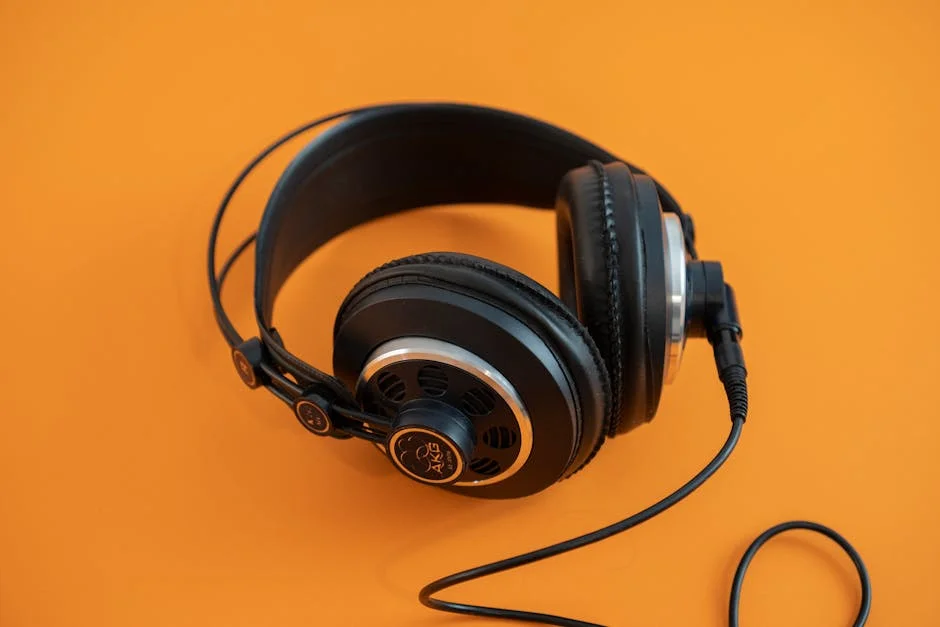
Three years into this hobby, the question I hear most often isn’t “which headphone is best.” It’s “what should I upgrade next?” That framing matters, because upgrading your audio chain isn’t about chasing the highest price point. It’s about identifying the weakest link and fixing it deliberately, one step at a time.
This guide covers the headphones most commonly recommended at each tier of that process, from first-day budget picks through mid-tier open-back territory. If you want broader context on gear categories and how they fit together, the Buyer Guides hub is a good place to orient yourself before committing to any purchase.
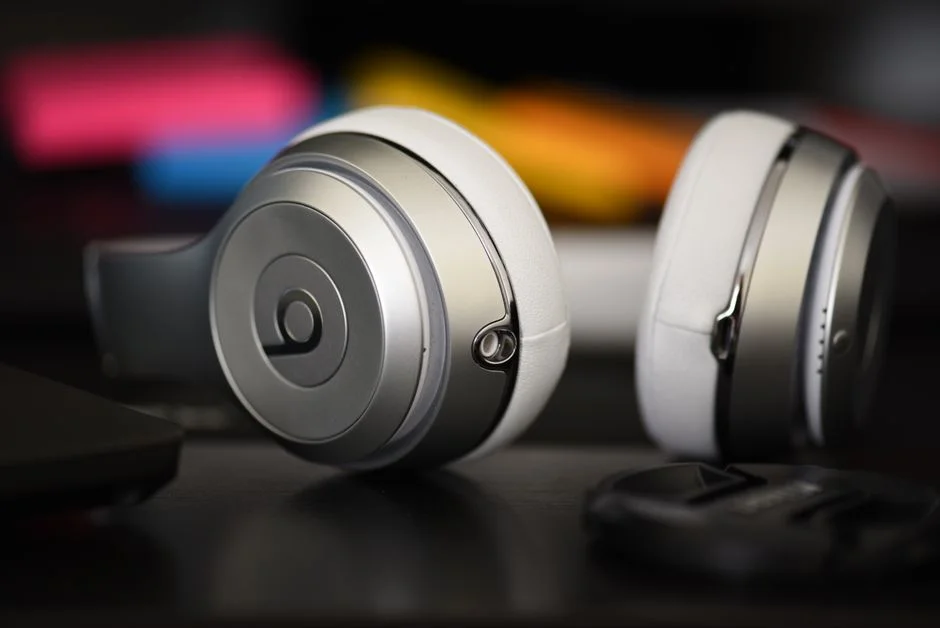
How to Think About Upgrading Your Audio Chain
Before you buy anything, it helps to understand what “upgrading” actually means in practice. A chain has three main components: the source (your computer, phone, or streaming service), the amplification stage (dedicated amp, integrated DAC/amp, or built-in output), and the transducer itself, meaning the headphone or IEM doing the actual converting. Weaknesses compound in both directions. A resolving headphone will expose a noisy source. A flat, forgiving headphone will hide the benefits of a better amp.
Three years in, I’ve noticed that most people over-invest in the source chain before they’ve found a headphone they genuinely love. My strong opinion: spend the majority of your budget on the transducer first. Get the headphone right, then ask whether your source chain is holding it back. For most dynamic driver headphones in the budget-to-mid tier, a decent laptop output is honestly closer to a dedicated stack than the forums will admit. The gap is real. It’s just smaller than the gear acquisition spiral suggests.
Understanding Impedance and Drive Requirements
One of the most practical pieces of knowledge for new buyers is impedance matching. A 32-ohm headphone will run fine from a phone. A 250-ohm or 300-ohm headphone will not reach full potential without a proper amplifier. This isn’t subjective; it’s measurable. If you’re buying your first open-back and want to skip the amp entirely, stick to lower-impedance variants. If you’re buying planar magnetic headphones, a dedicated DAC/amp pairing is genuinely worth the added complexity, based on consistent field reports from the planar owner community.
Open-Back vs. Closed-Back: Why It Matters for Upgrade Planning
Open-back headphones leak sound both ways. They’re not suitable for commuting, shared offices, or late-night listening without disturbing others. What they offer in return is a wider, more natural soundstage that many listeners find less fatiguing over long sessions. Closed-back designs trade some of that spaciousness for isolation and typically stronger bass reinforcement from the seal. Neither is universally better. Your listening environment should determine which category you prioritize, and understanding this split will save you from returning a headphone that measures well but simply doesn’t fit your use case. The headphone guides and comparisons at /guides/ go deeper on this split if you want category-specific recommendations.
The Role of EQ in Upgrade Decisions
Before spending money on a new headphone, try EQ on the one you already own. Parametric EQ via software like Equalizer APU or Apple’s built-in options costs nothing and can meaningfully address tuning mismatches. The Beyerdynamic DT 990 PRO, for example, has a large community-contributed EQ profile library precisely because its stock tuning is polarizing. Taming its treble peak with a narrow cut around 8-10 kHz changes the character significantly, based on consistent reports from verified owners. If EQ fixes your problem, you may not need a new headphone at all.
When Source Upgrades Actually Make Sense
Source upgrades earn their keep in specific scenarios: when you’re running a high-impedance or planar magnetic headphone, when your current output has audible noise floor or hiss, or when you’re feeding a balanced-output capable headphone from a source that doesn’t support it. Outside those scenarios, the returns on DAC and amp upgrades in the budget-to-mid tier are modest. Measurement data from ASR consistently shows that many modern DAC chips at the mid price band measure close to the limits of human audibility. Spend on the transducer first.
Top Picks
Koss KSC75
The Koss KSC75 is the entry point that makes even experienced hobbyists do a double take. For a clip-on sitting at the bottom of the budget tier, its frequency response punches well above its category. ASR community members have measured and praised it repeatedly, and it maintains a strong reputation on Head-Fi threads spanning years of discussion. Verified buyers consistently note its comfort for all-day wear at a desk or during light activity, which is genuinely impressive given the clip-on design. The Koss lifetime warranty, available with purchase registration, adds meaningful long-term value that no other headphone at this price band can match. The open-back acoustic means zero isolation, so use cases matter. It’s not a commuter headphone. It is an exceptional first step into audiophile-adjacent sound without spending meaningfully.
Check current price on Amazon.
Koss Porta Pro
The Koss Porta Pro has been in continuous production since 1984, which is remarkable in a category where products cycle out every few years. Its folding frame and included carry case make it the more portable option compared to the KSC75, and its open-back on-ear sound holds up well against modern measurements. Field reports from the DIY audio community point to the Yaxi pad upgrade as an easy and affordable improvement for comfort during longer sessions, since the stock temporal pads are the most commonly cited weakness by verified buyers. The lightweight plastic construction does feel its price band, but the sound-per-dollar ratio and the Koss lifetime warranty make it hard to argue against as a portable budget recommendation. If you want a folding, carry-anywhere open-back at an accessible price, community consensus across Head-Fi and ASR lands firmly in its favor.
Check current price on Amazon.
Sennheiser HD 559
The Sennheiser HD 559 is the budget entry point to one of the most respected headphone lineages in the hobby. The HD 5xx series runs from the 559 through the 560S, 579, 599, 600, and 650, and each step up adds resolution and refinement. The 559 requires no amplifier, running adequately from phones and laptops, which makes it an accessible starting point for listeners who aren’t ready to invest in a dedicated stack. Verified buyers praise its comfort for extended listening, a Sennheiser hallmark across the line. The trade-off is resolution. Compared to the 560S or the HD600 I own, the 559 is noticeably less detailed and its bass extension is modest against closed-back alternatives at similar price points. For a first-time open-back buyer who wants to understand why people recommend Sennheiser without buying into the full experience upfront, it delivers a reasonable preview of the house sound.
Check current price on Amazon.
Grado SR60x
The Grado SR60x occupies a distinct position in the budget-to-mid tier because nothing else sounds quite like it. Handmade in Brooklyn, the SR60x has a forward, energetic presentation that pushes guitars and vocals to the front of the mix in a way that Sennheiser’s more relaxed tuning explicitly does not. Rock listeners and jazz listeners tend to respond strongly to it. Verified buyers who primarily listen to acoustic instruments and electric guitar frequently describe it as revealing something in their music that other headphones obscure. The comfort situation is more complicated. Bowl pads on an on-ear design become fatiguing beyond an hour or two for many listeners, and this is the most consistent complaint across owner reviews on Head-Fi and retailer pages. The open-back on-ear design provides minimal isolation. If you primarily listen to rock or jazz at a desk, the SR60x is worth serious consideration. If you need long session comfort or any isolation, it’s a harder sell.
Check current price on Amazon.
Sony MDR-7506
The Sony MDR-7506 has been a recording studio standard since 1991. Its longevity in professional broadcast and recording environments says something that frequency response graphs alone can’t fully capture: working engineers have trusted it for decades across high-stakes monitoring tasks. Field reports from podcasters, journalists, and home studio producers consistently cite its bright, detailed tuning as useful for catching problems in recordings, which is the exact use case it was designed for. It folds flat, includes a screw-on 6.3mm adapter, and travels easily. By modern audiophile tuning standards, the brightness reads as somewhat aggressive, and the stock earpads are widely reported to degrade faster than the competition. Budget for aftermarket pad replacements early. For content creators and home studio owners who want professional credibility and functional monitoring performance, the MDR-7506 remains a solid recommendation backed by decades of real-world use.
Check current price on Amazon.
Shure SRH440A
The Shure SRH440A is the updated “A” revision of Shure’s core studio monitoring headphone, with the most notable change from the previous version being the addition of a detachable cable. Its tuning target is flatter and more analytical than consumer headphones, which makes it better suited to tracking and mixing tasks than recreational listening. Verified buyers in home studio contexts note that it catches harshness and sibilance in recordings that warmer headphones mask. The trade-off is that same flatness applied to enjoyment listening, where the treble emphasis on certain recordings can read as fatiguing. The earpads compress relatively quickly according to multiple field reports, and early replacement is commonly recommended. Cross-referencing with the ATH-M50x and DT 770 for monitoring comparisons is worthwhile, since all three occupy similar territory with meaningfully different tuning characters. For the price band, the Shure brand credibility and the detachable cable redesign make it a practical studio-oriented choice.
Check current price on Amazon.
Beyerdynamic DT 770 PRO 32 Ohm
The Beyerdynamic DT 770 PRO 32 Ohm is purpose-built for situations where you need a closed-back with enough drive sensitivity to run from an interface, a gaming setup, or a phone output without a separate amplifier. The 32-ohm variant addresses what is consistently the most-searched question about the DT 770 line: which impedance version do I need? At 32 ohms, the answer is simple. Plug it into whatever you have and it will perform. The V-shaped tuning, with elevated bass and an energetic treble, suits gaming and electronic music well based on owner consensus across Head-Fi and Reddit’s r/headphones. Extended sessions can cause fatigue for treble-sensitive listeners, and this is the most consistent caveat in verified owner reviews. The replaceable cable and earpads are practical advantages for long-term ownership. For gamers, streamers, and mobile users who want the Beyerdynamic build quality and soundstage width in a closed package that doesn’t require a stack, the 32-ohm DT 770 is the most accessible entry point to the line.
Check current price on Amazon.
Beyerdynamic DT 990 PRO
The Beyerdynamic DT 990 PRO is one of the most-searched open-back headphones online, and its reputation is genuinely divided in ways that are worth understanding before buying. The open-back design produces a wide, airy soundstage that gaming and spatial audio listeners consistently praise in owner reports. The community around it has generated a large library of EQ profiles specifically because the stock V-shaped tuning is energetic in ways that work well for some listeners and not at all for others. The treble elevation that gives it its characteristic airiness is the same feature that causes fatigue for listeners who spend more than a couple of hours in a session. The 80-ohm version is the most accessible to drive without a dedicated amp. The 250-ohm version, which is the most commonly sold variant under the PRO branding, benefits meaningfully from amplification. If you’re buying for gaming or want the open-back wide soundstage experience at a mid tier price band, community consensus positions it well. If you’re sensitive to bright treble or plan long daily sessions, EQ is strongly recommended from day one.
Check current price on Amazon.
Frequently Asked Questions
Do I need a DAC and amp to get started in audiophile headphones?
Not for most budget-to-mid tier dynamic driver headphones. Lower-impedance models like the Koss KSC75, Koss Porta Pro, and the 32-ohm DT 770 PRO run adequately from phones and laptops. A dedicated stack earns its place when you’re running high-impedance headphones, planar magnetic designs, or a source with audible noise floor issues. Field reports consistently confirm that for many dynamic drivers, the gap between a laptop output and a proper stack is real but smaller than forums suggest.
What is the difference between open-back and closed-back headphones?
Open-back headphones allow air and sound to pass through the ear cup, producing a wider and more natural soundstage with less ear fatigue over long sessions. The trade-off is zero isolation and significant sound leakage in both directions. Closed-back headphones seal around the ear, offering meaningful isolation and typically stronger bass reinforcement from the seal. Your listening environment should drive this decision before tuning preferences do.
Is EQ worth trying before buying a new headphone?
Yes, and it’s worth trying before spending anything. Parametric EQ software costs nothing and can address the most common tuning complaints, including the treble peak on the DT 990 PRO and the brightness on the Sony MDR-7506. Verified owners and the Head-Fi community have contributed EQ profiles for most popular headphones. If EQ resolves your dissatisfaction with your current headphone, you’ve avoided an unnecessary purchase.
How important is impedance when choosing a headphone?
Impedance directly affects how easily a headphone reaches its full potential from a given source. A 32-ohm headphone will reach adequate volume and proper damping from nearly any output. A 250-ohm or 300-ohm headphone may sound thin or underpowered from a weak source, not because the headphone is bad, but because the source can’t drive it properly. Measurement data and field reports consistently confirm this.
Which budget headphone has the best long-term value?
The Koss KSC75 and Koss Porta Pro both include the Koss lifetime warranty with purchase registration, which is an unusually strong long-term value proposition at the budget tier. Beyond warranty coverage, headphones with replaceable cables and earpads, such as the Beyerdynamic DT 770 PRO, offer meaningful repairability that extends functional lifespan significantly. Owner reports consistently flag earpad degradation as the most common failure point across all headphone categories. A headphone you can maintain and repair will outperform a “better” headphone you have to replace entirely every few years.
<script type="application/ld+json">
{
"@context": "https://schema.org",
"@type": "FAQPage",
"mainEntity": [
{
"@type": "Question",
"name": "Do I need a DAC and amp to get started in audiophile headphones?",
"acceptedAnswer": {
"@type": "Answer",
"text": "Not for most budget-to-mid tier dynamic driver headphones. Lower-impedance models like the Koss KSC75, Koss Porta Pro, and the 32-ohm DT 770 PRO run adequately from phones and laptops. A dedicated stack earns its place when you're running high-impedance headphones, planar magnetic designs, or a source with audible noise floor issues. Field reports consistently confirm that for many dynamic drivers, the gap between a laptop output and a proper stack is real but smaller than forums suggest."
}
},
{
"@type": "Question",
"name": "What is the difference between open-back and closed-back headphones?",
"acceptedAnswer": {
"@type": "Answer",
"text": "Open-back headphones allow air and sound to pass through the ear cup, producing a wider and more natural soundstage with less ear fatigue over long sessions. The trade-off is zero isolation and significant sound leakage in both directions. Closed-back headphones seal around the ear, offering meaningful isolation and typically stronger bass reinforcement from the seal. Your listening environment should drive this decision before tuning preferences do. Open-back at a shared office or on a commute is the wrong tool for the job regardless of sound quality."
}
},
{
"@type": "Question",
"name": "Is EQ worth trying before buying a new headphone?",
"acceptedAnswer": {
"@type": "Answer",
"text": "Yes, and it's worth trying before spending anything. Parametric EQ software costs nothing and can address the most common tuning complaints, including the treble peak on the DT 990 PRO and the brightness on the Sony MDR-7506. Verified owners and the Head-Fi community have contributed EQ profiles for most popular headphones. If EQ resolves your dissatisfaction with your current headphone, you've avoided an unnecessary purchase. If it doesn't, you've learned something specific about what you actually need from the next one."
}
},
{
"@type": "Question",
"name": "How important is impedance when choosing a headphone?",
"acceptedAnswer": {
"@type": "Answer",
"text": "Impedance directly affects how easily a headphone reaches its full potential from a given source. A 32-ohm headphone will reach adequate volume and proper damping from nearly any output. A 250-ohm or 300-ohm headphone may sound thin or underpowered from a weak source, not because the headphone is bad, but because the source can't drive it properly. Measurement data and field reports consistently confirm this. If you're buying without a dedicated amp, prioritize lower-impedance variants of any headphone line that offers multiple options."
}
},
{
"@type": "Question",
"name": "Which budget headphone has the best long-term value?",
"acceptedAnswer": {
"@type": "Answer",
"text": "The Koss KSC75 and Koss Porta Pro both include the Koss lifetime warranty with purchase registration, which is an unusually strong long-term value proposition at the budget tier. Beyond warranty coverage, headphones with replaceable cables and earpads, such as the Beyerdynamic DT 770 PRO, offer meaningful repairability that extends functional lifespan significantly. Owner reports consistently flag earpad degradation as the most common failure point across all headphone categories. A headphone you can maintain and repair will outperform a better headphone you have to replace entirely every few years."
}
}
]
}
</script>Where to Buy
Beyerdynamic DT 990 PRO Open Studio HeadphonesSee Beyerdynamic DT 990 PRO Open Studio H… on Amazon