Leather vs Velour Earpads: Sound Quality and Comfort

Affiliate disclosure: Some links on this page are affiliate links. If you buy through them we earn a small commission at no extra cost to you. Recommendations are research-driven; we don't claim personal use of every product reviewed. Product prices and availability are accurate as of the date published and are subject to change. Always check Amazon for current pricing before purchasing. Learn more.
| Product | Price Range | Top Strength | Key Weakness | Buy |
|---|---|---|---|---|
| ZMF Headphones Universe Earpads for Headphones also consider | $$ | Premium materials and ZMF craftsmanship for long-term comfort | Premium pricing for earpads, significant upgrade cost | — |
| ZMF Verite Earpads Premium Headphone Earpads also consider | $$ | ZMF premium material options in a larger, deeper cup design | Available primarily direct from ZMF, not reliably Amazon stock | — |
| ZMF Auteur Classic Earpads also consider | $$ | Designed for ZMF Auteur, premium quality assured | Only available direct from ZMF Headphones website | — |
| Dekoni Elite Hybrid pads (HD600/650) also consider | $$ | Widely available on Amazon Prime, no wait for direct orders | Changes the HD 600's sound signature, so check it suits your taste | Buy on Amazon |
| Dekoni Audio Elite Hybrid Earpads for HiFiMan Sundara HE-400i also consider | $$ | HiFiMan Sundara-specific fit with Elite Hybrid materials | Pad swap changes Sundara frequency response, measure before committing | Buy on Amazon |
| Dekoni Audio Elite Sheepskin Earpads for Beyerdynamic DT Series also consider | $$ | Premium sheepskin leather for comfort and isolation improvement | Sheepskin changes sound signature, treble and bass affected | Buy on Amazon |
| Dekoni Elite Velour pads (Audeze LCD) also consider | $$ | Premium velour material for comfort in long listening sessions | Velour can change the sound seal and bass response vs. leather | Buy on Amazon |
| Brainwavz Hybrid Memory Foam Earpad Black PU/Velour Large Over-Ear also consider | $ | Budget-friendly premium hybrid earpad material | Universal-fit pads can need adjusting on some headphones | Buy on Amazon |
Choosing between leather and velour earpads raises a simple question: does the material actually matter?
The short answer is yes, and the reasoning goes deeper than comfort. Pad material affects seal, acoustic cavity depth, frequency response, and long-term wearability. This guide covers the core tradeoffs and the products worth considering, from budget hybrid options to premium ZMF craftsmanship. For more coverage of headphone accessories, check out the full Accessories hub.
The Real Difference Between Leather and Velour Earpads
Acoustic Seal and Sound Signature
Leather and synthetic leather (pleather, PU) create a tighter acoustic seal against the ear than velour. That seal has measurable consequences. Better isolation means more perceived bass weight and a slightly more intimate soundstage. Velour, by contrast, is porous. Sound leaks through the fabric in both directions, which tends to open up the soundstage slightly and reduce low-frequency energy. Neither outcome is objectively better. It depends entirely on what the headphone was tuned for with its stock pad geometry.
This is not a subtle effect, and published pad-swap measurements show similar patterns. If your headphone ships with velour stock pads (as the HD600 does), moving to a leather or hybrid pad will change the sound, not just the comfort. That is worth knowing before you spend anything.
Comfort Over Long Sessions
Velour breathes. On a four-hour listening session, velour pads stay cooler and do not create the same clammy heat buildup that pleather or genuine leather can. Leather and synthetic leather pads are softer against the skin initially and create a better seal, but they trap heat.
Memory foam under either material helps distribute clamping pressure, which is relevant for glasses wearers and people with sensitive ears. If you run warm or listen in a warm room, velour or a hybrid design with a velour face is worth prioritizing regardless of what the measurements say.
Durability and Material Quality
Stock velour pads on mid-range headphones (the HD600’s are a good example) compress and flatten with regular use. Once the foam compresses, the depth of the acoustic cavity changes, and so does the sound. Replacing compressed pads with fresh ones restores the seal and the acoustic cavity depth, and with them the low-frequency extension.
Genuine leather and suede options from ZMF and high-quality sheepskin from Dekoni last longer under compression than budget foam. They also resist the peeling and cracking that affects pleather pads after 12 to 18 months of daily use. Factor that into the cost-per-year math.
How Pad Depth and Shape Factor In
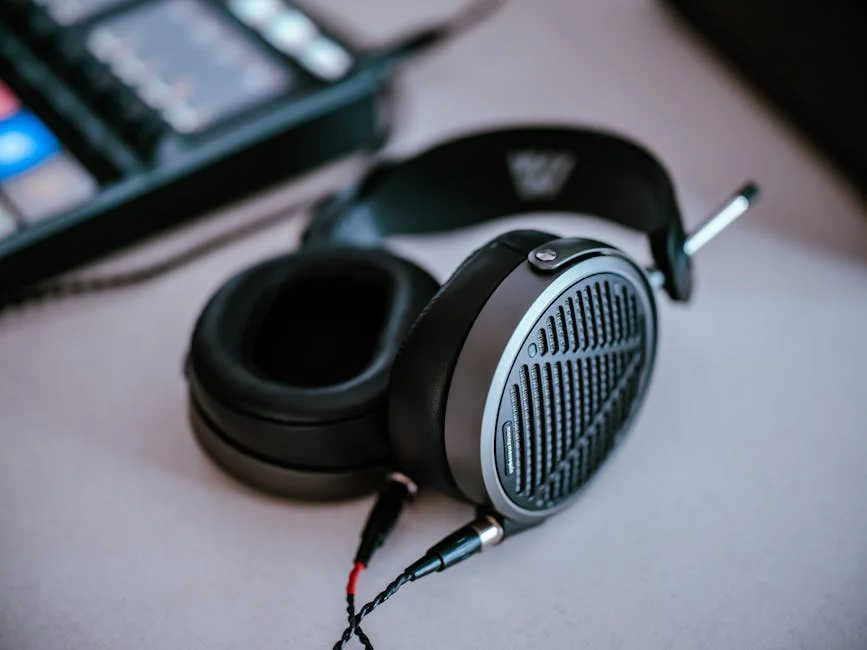
Depth matters alongside material. A shallow pad pushes your ear closer to the driver, which affects both timbre and comfort. A deeper cup increases the acoustic cavity volume, which generally supports larger soundstage and better bass extension. ZMF’s Universe and Verite pads use notably deep cups by design. Dekoni’s Elite series also runs deeper than most stock pads on the headphones they target.
Oval versus round shape affects how different head geometries fit. Oval pads tend to work better for ears that sit lower on the head, while round pads suit a more centered ear position.
Top Picks
ZMF Headphones Universe Earpads for Headphones
The ZMF Headphones Universe Earpads are a premium replacement for compressed or worn stock pads. ZMF offers the Universe in multiple materials including suede, cowhide, and lambskin.
The fit on the HD600 and HiFiMan Sundara is direct. No adapter rings needed. This is primarily a comfort and durability upgrade with mild tuning change rather than a wholesale frequency-response transformation. It suits listeners who want to keep an HD600 or Sundara for several more years.
The mid-range price for earpads is a genuine consideration. These cost more than stock Sennheiser replacements by a meaningful margin. Premium materials can last longer, but it is a deliberate purchase rather than an impulse buy.
Check current price on Amazon.
ZMF Verite Earpads Premium Headphone Earpads
The ZMF Verite Earpads are ZMF’s deeper-cup premium option, designed originally for the Verite headphone but usable on Sennheiser and HiFiMan headphones with adapter rings.
The primary practical constraint is availability. ZMF Verite pads are sold direct through zmfheadphones.com and they sell out regularly. Waiting on restocks is a real part of the purchase process. There is no reliable Amazon stock path here, which means no Prime shipping and no easy return window.
ZMF Auteur Classic Earpads
The ZMF Auteur Classic Earpads are designed specifically for the ZMF Auteur Classic headphone but, like the Verite pads, can be used on other headphones via adapter rings. They are offered in the same material options as ZMF’s other pads: suede, cowhide, and lambskin.
The same availability constraint applies. These are direct-from-ZMF products with no reliable third-party stock path. If you own a ZMF Auteur Classic, this is your replacement pad source. For non-ZMF headphone owners looking at these as an upgrade option, the adapter ring requirement adds a step and a cost.
Dekoni Audio Elite Hybrid Earpads for Sennheiser HD600 HD650 HD660S HD6XX
The Dekoni Audio Elite Hybrid Earpads for Sennheiser HD600 are the most accessible mid-range upgrade for the HD 6XX family, available on Amazon Prime with no wait for direct fulfillment. The Elite Hybrid design uses a velour face material with a sheepskin outer ring and memory foam core, which is a thoughtful middle path between the full leather seal and the full velour breathability.
The velour face keeps some of the characteristic openness of the stock pads while the sheepskin ring improves seal at the outer contact point. This is not a neutral replacement swap. If you are chasing stock HD600 sound with better comfort, test carefully.
Compared to the ZMF Universe pads, the Dekoni Elite Hybrid sits at a slightly lower price point with Amazon availability as its main practical advantage.
Check current price on Amazon.
Dekoni Audio Elite Hybrid Earpads for HiFiMan Sundara HE-400i
The Dekoni Audio Elite Hybrid Earpads for HiFiMan Sundara address one of the more consistent complaints about the Sundara: the stock pads are serviceable but compress relatively quickly and their pleather material traps heat during longer sessions. The Elite Hybrid version uses the same velour face and sheepskin outer ring construction as the Sennheiser version, with a direct fit for the Sundara and HE-400i mounting system.
The important caveat for Sundara owners is that earpad swaps on the Sundara affect frequency response more noticeably than on some other headphones. Published measurements of the Sundara under different pad conditions show the bass shelf and lower-midrange presence both shifting with pad depth and material changes. For Sundara owners who want the upgrade without going the ZMF Universe route, this is the logical Amazon-available option.
Check current price on Amazon.
Dekoni Audio Elite Sheepskin Earpads for Beyerdynamic DT Series
The Dekoni Audio Elite Sheepskin Earpads for Beyerdynamic DT Series target DT 770, DT 880, and DT 990 owners looking for a leather-based comfort and isolation upgrade over the stock velour pads Beyerdynamic ships on most of that lineup. Sheepskin is soft against the skin and provides better acoustic seal than velour, which in the DT context means more bass weight and reduced treble energy leakage.
The DT 990 is already a bright headphone with emphasized treble. Sheepskin pads tend to change the seal in ways that affect the treble character and can increase bass weight, so whether the change is an improvement depends on taste. Measurement-aware buyers should review pad swap frequency-response data before purchasing.
Check current price on Amazon.
Dekoni Audio Elite Earpads for Audeze LCD Series Headphones Elite Velour
The Dekoni Audio Elite Velour Earpads for Audeze LCD Series serve a specific niche: Audeze LCD owners (LCD-2, LCD-X, related variants) who want to trade the stock leather pads for velour comfort during long sessions.
Velour is softer and more breathable than leather, which addresses heat and comfort. The expected tradeoff is seal: velour is more porous, which typically reduces bass emphasis compared with leather. Published measurements show how pad changes affect Audeze LCD headphones and are worth checking before buying.
Check current price on Amazon.
Brainwavz Hybrid Memory Foam Earpad Black PU/Velour Large Over-Ear
The Brainwavz Hybrid Memory Foam Earpad is a budget option for AKG, HiFiMan, Audio-Technica, and other large over-ear headphones. The PU leather face with velour center is a practical hybrid design that attempts to balance seal with breathability. At a budget price tier, it is genuinely hard to argue with the value case for users who want memory foam comfort and are not committed to a specific headphone’s sonic signature.
The main caveats are universal fit and material longevity. The Brainwavz pads use a universal mounting approach that works on many headphones but may require some improvisation on specific models. On material longevity, budget PU leather does peel and crack faster than sheepskin or genuine leather. For the price differential relative to Dekoni or ZMF options, that wear cycle may be entirely acceptable.
Check current price on Amazon.
Buying Guide: What to Know Before Swapping Earpads
Material Tradeoffs Are Real, Not Marginal
Leather and synthetic leather seal tighter, support more bass weight, and isolate better. Velour breathes, runs cooler, and tends to produce a slightly more open soundstage. Hybrid designs attempt to split the difference with a velour contact surface and a leather or foam perimeter seal. None of these outcomes is universally superior. Match the material choice to the headphone’s existing tuning and your listening priorities. For a broader set of accessory-level decisions like this one, the Accessories hub is a useful reference point.
Pad Depth Changes the Acoustic Cavity
This is the variable that surprises people most. A deeper pad increases the volume of the acoustic chamber between the driver and your ear. That increased volume generally supports bass extension and a larger perceived soundstage. It also moves your ear farther from the driver, which affects treble intensity at the listening position.
The ZMF Universe and Verite pads both run deeper than stock pads on the headphones they target. The Dekoni Elite series also adds depth versus stock. If you are moving from flat-compressed stock pads to fresh memory foam alternatives, some of what you hear as a sound improvement is the restored acoustic geometry rather than a material property per se. Fresh pads restore cavity depth. That is worth keeping in mind when attributing the change.
Know Your Headphone’s Pad Sensitivity Before You Buy
Some headphones are more sensitive to pad changes than others. The HiFiMan Sundara is pad-sensitive, with measurable frequency-response shifts under different pad conditions. The Sennheiser HD600 is moderately pad-sensitive, particularly in the bass and lower midrange. The Beyerdynamic DT 990 changes character notably with sheepskin pads versus the stock velour. The Audeze LCD series responds predictably to leather-versus-velour transitions in bass shelf and seal.
If your headphone has measurement data available under different pad conditions, review it before purchasing. ASR and Crinacle both carry pad swap measurements on some popular models. That data is a better guide than descriptions for predicting what a swap will do on your specific headphone.
Budget Versus Premium: Is the Upgrade Worth It
The Brainwavz hybrid pads sit at a budget price tier and serve a real purpose for owners of mainstream large over-ear headphones who want memory foam comfort without committing to a mid-range spend. For HD600, Sundara, or Beyerdynamic DT owners with long-term attachment to their headphones, the Dekoni Elite and ZMF tiers are worth the additional cost because material longevity and construction quality reduce the replacement cycle.
For headphones you plan to keep for years, the cost-per-year math shifts in favor of the higher-quality material.
Availability and Sourcing Considerations
Dekoni Audio products are reliably stocked on Amazon with Prime shipping, which matters for buyers who want easy returns and fast delivery. The ZMF Universe pads have an Amazon listing, but the Verite and Auteur pads require direct purchase from zmfheadphones.com.
If you need immediate availability and easy returns, Dekoni is the practical path. If you want ZMF’s material quality on the Verite or Auteur designs, plan ahead and buy direct from ZMF when stock is available. Budget options like Brainwavz are consistently stocked on Amazon with no sourcing friction.
Closing Thoughts
Earpad material is one of the more underestimated variables in a headphone setup. The leather versus velour question does not have a single correct answer. It depends on the headphone, the listening environment, your comfort priorities, and how sensitive that specific driver is to changes in cavity depth and seal. For additional headphone accessory recommendations and guides, the hub has expanded coverage across categories.
For HD600 and Sundara owners specifically, both the ZMF Universe and Dekoni Elite Hybrid options are mid-range upgrade options. Budget buyers with mainstream large over-ear headphones have a real option in the Brainwavz hybrid tier. And for anyone with a Beyerdynamic or Audeze headphone, Dekoni’s targeted options cover those families with direct-fit compatibility and Prime shipping availability.
Frequently Asked Questions
Does changing earpads actually affect sound quality?
Yes, pad changes affect sound in measurable ways. Material affects acoustic seal, pad depth changes the cavity volume between driver and ear, and porosity affects how much sound leaks through the pad itself. The magnitude varies by headphone, but the effect is real and documented in measurement data from ASR and Crinacle.
Is leather or velour better for long listening sessions?
Velour is generally more comfortable for extended sessions because it breathes and does not trap heat against the ear. Leather and synthetic leather create a better acoustic seal but generate more heat over time. Hybrid designs with a velour face and leather or foam perimeter attempt to balance both priorities. If you run warm or listen for four or more hours at a stretch, velour or a hybrid with a velour contact surface is worth prioritizing.
Will third-party earpads void my headphone warranty?
Most major headphone manufacturers do not void warranties for earpad swaps because earpads are considered user-replaceable consumables. Sennheiser, HiFiMan, and Beyerdynamic all treat pads as replaceable parts in their support documentation. That said, warranty policies vary and change, so checking the current policy for your specific headphone model before making a permanent modification is a reasonable step.
How do I know which replacement earpads fit my headphone?
Start with the product listings from Dekoni and ZMF, which both organize their pads by compatible headphone model. Dekoni's Amazon listings include explicit compatibility notes for the HD 6XX family, HiFiMan Sundara, Beyerdynamic DT series, and Audeze LCD series. ZMF lists compatible headphones on their product pages.
How often should earpads be replaced?
Stock velour pads on mid-range headphones typically compress meaningfully within 12 to 24 months of regular use, and that compression changes both comfort and the acoustic cavity geometry. Leather and sheepskin pads from premium brands last longer before compression becomes audible. Budget PU leather pads tend to show surface wear (cracking, peeling) within 12 to 18 months under daily use. Replacing pads when comfort decreases or when you notice a change in bass response is a practical rule of thumb.
Where to Buy
- Dekoni Elite Hybrid pads (HD600/650)See price on Amazon
- Dekoni Audio Elite Hybrid Earpads for HiFiMan Sundara HE-400iSee price on Amazon
- Dekoni Audio Elite Sheepskin Earpads for Beyerdynamic DT SeriesSee price on Amazon
- Dekoni Elite Velour pads (Audeze LCD)See price on Amazon
- Brainwavz Hybrid Memory Foam Earpad Black PU/Velour Large Over-EarSee price on Amazon