Best Audiophile Setup Under $1000: Headphones, DAC & Amp

Affiliate disclosure: Some links on this page are affiliate links. If you buy through them we earn a small commission at no extra cost to you. Recommendations are research-driven; we don't claim personal use of every product reviewed. Product prices and availability are accurate as of the date published and are subject to change. Always check Amazon for current pricing before purchasing. Learn more.
Quick Picks
HIFIMAN SUNDARA Hi-Fi Headphone Planar Magnetic 2020 Version
Outstanding planar magnetic imaging and detail at its price
Buy on AmazonTopping E50 HiFi Balanced DAC ES9068AS MQA DSD512 PCM768kHz
ES9068AS chip with exceptional measurement performance , ASR-verified
Buy on AmazonTOPPING L50 NFCA Balanced Headphone Amplifier 3500mWx3500mW
NFCA technology delivers near-perfect ASR measurements
Buy on Amazon| Product | Price Range | Top Strength | Key Weakness | Buy |
|---|---|---|---|---|
| HIFIMAN SUNDARA Hi-Fi Headphone Planar Magnetic 2020 Version also consider | $$ | Outstanding planar magnetic imaging and detail at its price | Needs proper amplification , underpowered sources sound thin | Buy on Amazon |
| Topping E50 HiFi Balanced DAC ES9068AS MQA DSD512 PCM768kHz also consider | $$ | ES9068AS chip with exceptional measurement performance , ASR-verified | MQA licensing is a marketing consideration , neutral tuning is the actual value | Buy on Amazon |
| TOPPING L50 NFCA Balanced Headphone Amplifier 3500mWx3500mW also consider | $$ | NFCA technology delivers near-perfect ASR measurements | No tube warmth , purely solid-state clinical performance | Buy on Amazon |
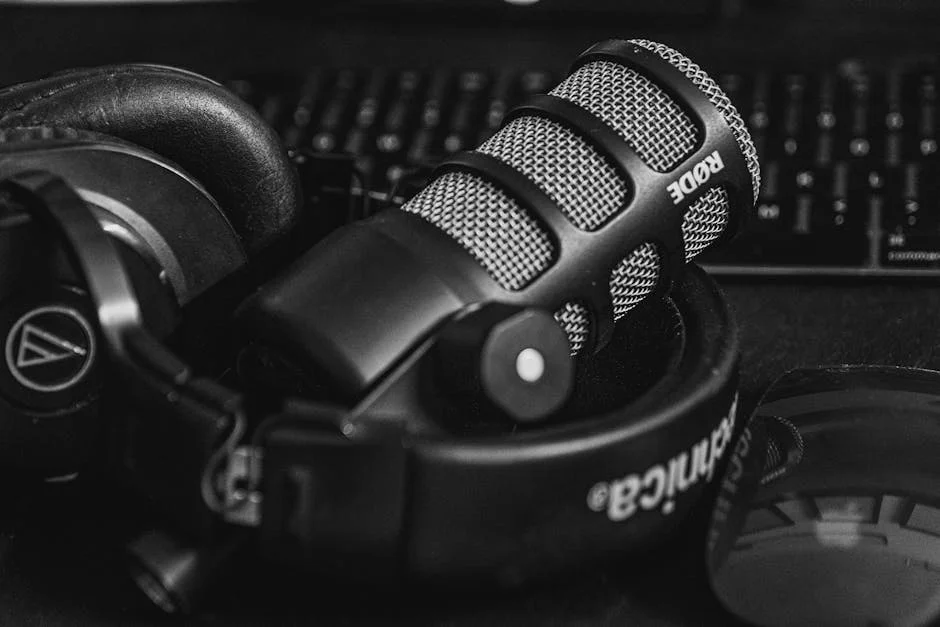
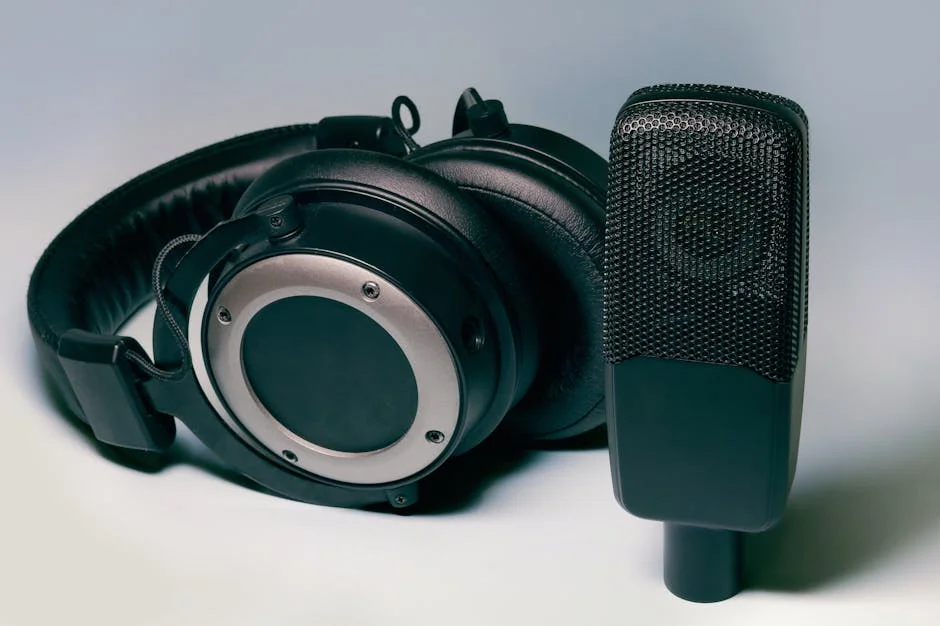
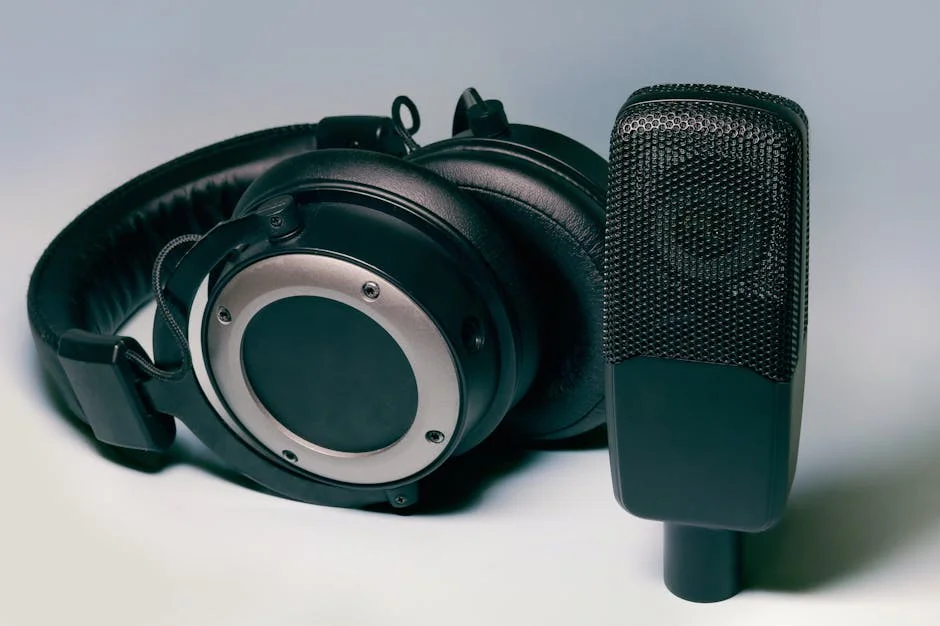
Getting a thousand-dollar audiophile setup right the first time means making three components work together , headphones, DAC, and amplifier , rather than buying any single piece in isolation. The Buyer Guides section exists precisely for this kind of system decision, where each choice depends on the others. This guide covers the stack that sits on the desk here: a planar magnetic headphone paired with a balanced DAC/amp combination that measures as well as anything at this price tier.
The honest version of this category is that the gap between a thoughtful mid-range system and a flagship rig is real but smaller than the price difference suggests. Getting the fundamentals right , amplification suited to the headphone’s impedance and sensitivity, a DAC that doesn’t add coloration , matters more than chasing diminishing returns above this tier.

What to Look For in an Audiophile Setup Under
Headphone Technology: Planar Magnetic vs. Dynamic Driver
Planar magnetic drivers move sound differently than the dynamic drivers found in mainstream headphones. Instead of a cone pushed by a voice coil, a planar magnetic uses a thin membrane with a conductor pattern suspended between magnets. The result, when done well, is a presentation that owner reports consistently describe as fast, detailed, and spatially precise , particularly in the midrange and treble where instrument separation becomes audible.
The trade-off is power requirements. Planars typically demand more current than their rated impedance suggests. A headphone measuring 32 ohms that needs real current is harder to drive than a 300-ohm dynamic that’s efficient , this distinction trips up buyers who assume impedance is the whole story. The sensitivity figure matters as much as impedance when predicting how hard an amplifier has to work.
Dynamic drivers remain excellent. The HD600 belongs in any conversation about best-value headphones and is still the reference starting point for anyone entering the hobby. The distinction for this guide is that planar magnetic headphones , at the mid-range tier , offer a specific kind of resolution that rewards a matched system more than a portable solution.
DAC Quality: What the Measurements Actually Tell You
A DAC converts digital audio to analog signal. At this price tier, the performance gap between competent DACs is narrow when measured , but a poor DAC at the bottom of the market genuinely adds noise and distortion that a good one doesn’t. Audio Science Review’s database makes this concrete: measured THD+N, dynamic range, and noise floor figures for every unit they test, with the best mid-range DACs clustering near the theoretical limits of their chips.
Balanced output , dual XLR , matters in a desktop context if the paired amplifier accepts balanced input. It isn’t magic, but it provides a defined noise advantage on longer cable runs and gives the amplifier a cleaner signal to work with. For a desk system where everything sits within a meter of each other, the practical difference is modest. The option is worth having.
MQA support appears in specs and is worth addressing directly. Tidal Masters streams in MQA. Whether that’s an audible improvement over standard high-resolution files is genuinely contested , the format involves lossy compression that ASR has measured unfavorably. It’s a feature, not a reason to choose a DAC.
Amplifier Topology and Output Power
Solid-state amplifiers at this tier split roughly into two camps: op-amp designs and feedback-based topologies like NFCA (Negative Feedback Current Amplifier). The measurement case for NFCA is strong , Topping’s implementation in the L50 posts distortion figures that rival amplifiers at multiples of the price. For planar magnetic headphones that benefit from low output impedance and clean current delivery, that matters in practice, not just on paper.
Tube amplifiers offer a different character , euphonic coloration that many listeners prefer. They are not the right tool for a measurement-optimized system, and they are not the right pairing for a headphone chosen in part because it measures flat. If colorful presentation is the goal, a different headphone selection changes the calculus significantly.
Output power is a real constraint. Planar magnetic headphones vary in efficiency, and some , particularly HiFiMan models with lower sensitivity ratings , will not reach comfortable listening levels from amplifiers designed for efficient dynamics. Checking the watt-per-ohm figure at the headphone’s rated impedance, and comparing it against community-reported gain requirements for that specific model, is a step worth taking before purchase. The full range of Buyer Guides on this site covers amp-matching in more detail per headphone category.
Top Picks
HIFIMAN SUNDARA Hi-Fi Headphone Planar Magnetic 2020 Version
The 2020 revision of the HIFIMAN SUNDARA corrected the two main complaints about the original , earpad comfort and headband pressure , and left everything that was already working untouched. The driver is a planar magnetic unit with outstanding imaging for its tier; ASR’s measurements put it among the best-measuring headphones at this price, with a frequency response that leans neutral with a slight upper-midrange forwardness that owner reviews describe as engaging rather than fatiguing.
Driving these properly is not optional. On a laptop headphone jack or a dongle without current delivery, the presentation is thin and dynamically compressed , this is a known characteristic, confirmed across owner reports and community testing. Paired with a proper amplifier, the difference is significant. The Sundara opens up spatially, the bass extension becomes audible and controlled, and the treble gains definition without harshness. The Topping L50’s balanced output has enough headroom to drive them comfortably even at lower gain settings.
One genuine caveat: HiFiMan’s quality control has been inconsistent across production runs. Channel imbalance at low volumes is the most-reported issue. The fix, when it occurs, is typically warranty replacement , the current HiFiMan warranty process has improved, and most buyers report clean units. The ZMF Universe earpads are a popular aftermarket upgrade that some owners prefer for long-session comfort, though the stock pads on the 2020 revision are meaningfully better than what came on earlier versions.
Check current price on Amazon.
Topping E50 HiFi Balanced DAC ES9068AS MQA DSD512 PCM768kHz
The Topping E50 is the anchor of the desk system here and the DAC that consistently appears at the top of ASR’s rankings in its price tier. The ES9068AS chip delivers measured performance that sits near the top of its class , noise floor and distortion figures that the ASR review confirms are genuinely exceptional for the price. What that means in practice: the E50 does not add anything to the signal. The coloration you hear is the headphone, not the source.
Balanced XLR output is the reason to pair this specifically with the L50 rather than a single-ended alternative. The E50’s balanced stage measures better than its RCA output, and the L50’s balanced input takes full advantage. MQA decoding is present and functional for Tidal Masters subscribers, though the honest take is that the E50’s value lies entirely in its chip performance and its output configuration , MQA is a secondary consideration that shouldn’t be the deciding factor either way.
There is no headphone output. This is a DAC only, and it requires a separate amplifier , that’s not a flaw, it’s a deliberate design choice that keeps the signal path clean. For buyers who want a single-box solution, the E50 is the wrong choice. For buyers building a desktop stack where each component does one thing well, this is the right DAC.
Check current price on Amazon.
TOPPING L50 NFCA Balanced Headphone Amplifier 3500mWx3500mW
Measured output of 3500mW into balanced load is the specification that matters for planar magnetic headphone pairings, and the TOPPING L50 delivers that figure with distortion that ASR’s test bench consistently rates near-perfect for a solid-state amplifier at this price. NFCA topology keeps noise low and output impedance extremely low , the latter matters for planars, which are sensitive to amplifier output impedance in ways that dynamic drivers often aren’t.
The L50 runs clean and clinical by design. There is no tube warmth, no second-harmonic coloration, no deliberate euphonics , the signal that enters is the signal that exits, amplified. For the Sundara specifically, where the headphone itself has a slight upper-midrange lift that some listeners already find forward, an amplifier that doesn’t add additional brightness is the correct pairing. A warm-sounding amplifier with an already bright headphone tends to compound neither quality beneficially.
The 6.35mm single-ended output handles any unbalanced headphone competently, but the balanced 4-pin XLR output is what separates the L50 from amplifiers at similar prices. The combination of balanced input from the E50 and balanced output to the Sundara creates a signal path that’s measurably cleaner from source to ear. For buyers committed to the E50/L50 stack, this is the amplifier half , and it earns that role.
Check current price on Amazon.
Buying Guide

Understanding What Each Component Actually Does
A DAC and an amplifier perform distinct functions that a laptop headphone jack handles badly by combining them. The DAC converts digital files to analog voltage. The amplifier raises that voltage to a level capable of driving headphones. Separating these functions , using a dedicated DAC like the E50 and a dedicated amplifier like the L50 , keeps each stage optimized for its task. This is the core argument for a stack over an integrated device at this tier.
The practical implication: swapping one component doesn’t require replacing both. If the headphones change , say, from the Sundara to something more demanding , the DAC stays. The stack approach scales.
Matching Amplifier Power to Headphone Requirements
Not every headphone needs 3500mW. Dynamic headphones with high sensitivity , including the HD600 , drive adequately from modest amplification, and owner reports confirm that a Magni or an Atom Amp+ narrows the gap with more powerful amplifiers to a smaller margin than expected. The case for high-power amplification strengthens with planar magnetic headphones, which typically require more current than their impedance ratings suggest.
The Sundara specifically has been reported by community members to sound noticeably better from amplifiers with at least 1W of output at 32 ohms compared to dongles and portable solutions. The L50’s output exceeds that threshold considerably, providing headroom that ensures the amplifier is not working at its limits. Amplifiers pushed to their ceiling tend to compress dynamics , headroom is audible in that specific way.
Balanced vs. Single-Ended: When It Matters
Balanced connections carry two out-of-phase signal copies and subtract common-mode noise at the amplifier input. For a desktop system where source and amplifier sit adjacent, the noise reduction is modest , the practical environment doesn’t generate the interference levels where balanced shines. The more relevant advantage at this tier is that the balanced output stage of both the E50 and L50 measures better than their single-ended stages independently, as ASR’s testing demonstrates.
Buyers who don’t have a balanced cable for their headphones aren’t blocked from using the system , the L50’s 6.35mm output is fully capable. The balanced upgrade is meaningful and measurable, but it’s not a prerequisite for a functional and high-performing system. Full breakdowns of connection type trade-offs appear in the headphone gear guides on this site.
Building the System in the Right Order
The sequence that generates the least buyer regret: headphones first, then DAC/amp to match. Headphones define the character of the system , their frequency response, their driver technology, their physical comfort , and the source electronics serve that choice. Buying amplification first and then selecting headphones to match inverts the logic and often leads to a mismatch that neither component resolves cleanly.
For buyers committed to a planar magnetic headphone in the mid-range tier, the E50/L50 stack is a natural anchor. For buyers uncertain about headphone preference, auditing the community consensus at a Texas Audio Society meetup or similar regional event before committing is a more useful investment of time than fine-tuning DAC specifications for headphones not yet chosen.
When a Single-Box Solution Is the Better Answer
The E50/L50 stack requires two components, two power supplies, and a cable between them. For a permanent desk setup, this is a non-issue. For a setup that moves regularly , home office to travel, desk to living room , the cable management and footprint become genuine friction. Several integrated DAC/amp units exist at this tier that measure well and reduce complexity at the cost of some modularity.
The Topping DX3 Pro+ and the JDS Labs Element III are examples of integrated options the community points to for buyers who prioritize simplicity. Neither matches the L50’s raw output power or the E50’s balanced stage performance individually, but for headphones that don’t need the power headroom, the trade-off is reasonable. The stack is the better answer for the Sundara specifically , that headphone benefits from the headroom in a way that more efficient dynamics do not.

Frequently Asked Questions
Do I need both the E50 and L50, or can I use a single DAC/amp?
A single integrated unit simplifies the setup and works well for efficient dynamic headphones. For planar magnetic headphones like the Sundara, the TOPPING L50’s output power provides headroom that most integrated units at this tier don’t match. If the headphone in question is easy to drive, an integrated unit is a reasonable simplification , but for demanding planars, the stack earns its complexity.
Is the Sundara 2020 worth the upgrade over the original version?
Owner consensus is clear that the 2020 revision improved the earpad material and headband comfort meaningfully, which matters for long listening sessions. The driver itself is substantially the same , the acoustic performance that made the original Sundara noteworthy carried forward. Buyers finding used original Sundaras at a discount should weigh the comfort improvements against the price difference before assuming the 2020 is always the right buy.
Can I use the Topping E50 with a different amplifier besides the L50?
The E50’s balanced XLR outputs work with any amplifier accepting balanced input , Topping’s own A50s, the JDS Labs Atom Amp+, and several others in the community’s recommended list pair well with it. The E50 also has RCA outputs for single-ended amplifiers. The E50/L50 pairing reflects what’s on the desk here, but the E50 is not locked into that stack , it’s a flexible source component.
How does this setup compare to just using the Sundara with a dongle DAC?
Owner reports and community testing consistently show that the Sundara sounds noticeably thin and dynamically compressed from underpowered sources. The improvement from a proper desktop stack is one of the cleaner demonstrations of amplification mattering , it’s not subtle. A high-quality dongle like the Hidizs S9 Pro closes some of the gap for portable use, but for a permanent desk setup, the stack difference is audible and worth the cost.
Will the HD600 also benefit from this DAC/amp stack?
The HD600 drives acceptably from more modest amplification , the gap between a laptop output and a proper stack is real but smaller than with the Sundara. Owner experience here confirms: the E50/L50 stack is not wasted on the HD600, and it provides clean amplification that lets the headphone perform as designed. But buyers whose primary headphone is the HD600 don’t need the L50’s output power , a less powerful amplifier serves that headphone competently.

Where to Buy
HIFIMAN SUNDARA Hi-Fi Headphone Planar Magnetic 2020 VersionSee HIFIMAN SUNDARA Hi-Fi Headphone Plana… on Amazon