Which Beyerdynamic Headphone: DT 770, 880, or 990 Compared

Affiliate disclosure: Some links on this page are affiliate links. If you buy through them we earn a small commission at no extra cost to you. Recommendations are research-driven; we don't claim personal use of every product reviewed. Product prices and availability are accurate as of the date published and are subject to change. Always check Amazon for current pricing before purchasing. Learn more.
| Product | Price Range | Top Strength | Key Weakness | Buy |
|---|---|---|---|---|
| beyerdynamic DT 770 PRO 80 Ohm Over-Ear Studio Headphones also consider | $ | Proven studio closed-back with decades of professional use | V-shaped tuning with prominent treble, not for treble-sensitive listeners | Buy on Amazon |
| beyerdynamic DT 880 PRO 250 Ohm Semi-Open Over Ear Studio Headphones also consider | $ | Semi-open design balances isolation with soundstage | 250Ω impedance requires an amplifier, not plug-and-play | Buy on Amazon |
| Beyerdynamic DT 990 PRO Open Studio Headphones also consider | $$ | Wide, airy soundstage from open-back design | Elevated treble causes fatigue for extended listening sessions | Buy on Amazon |
Beyerdynamic’s DT lineup has anchored the entry-to-mid tier of the headphone hobby for decades, and the three headphones in the series, closed, semi-open, and open, represent genuinely different engineering choices rather than incremental revisions. The right pick depends on how you use them, what amplification you have, and how you feel about treble energy. A browse through the Buyer Guides at Undisclosed Sounds will show how often the beyerdynamic conversation comes up across categories.
The DT 770, 880, and 990 overlap in price band but diverge significantly in character. What follows covers the real differences, not just the open-versus-closed surface, but the impedance requirements, tuning signatures, and specific use cases where each one earns its spot.

What to Look For in a Beyerdynamic Headphone
Open vs. Closed vs. Semi-Open, This Is Not a Minor Detail
The first filter is acoustic design. Closed-back headphones seal the ear cup, which provides isolation from outside noise and prevents audio leakage, critical for tracking musicians, streamers, and anyone working in a shared space. Open-back designs vent the ear cup to the room, which generally produces a wider, more spatial presentation at the cost of zero isolation. Both you and the people near you will hear what’s playing.
Semi-open sits between those poles, but “semi-open” is not a midpoint, it’s a specific design choice with its own trade-offs. You gain more soundstage than a typical closed-back, but isolation is reduced. It is not the right answer for noisy environments, and it is not a substitute for a proper open-back if soundstage depth is your primary goal.
Buy the design type that fits your actual listening environment first. Tuning preferences are adjustable via EQ. Your physical environment is not.
Impedance and Amplification, The Number on the Box Matters
Beyerdynamic offers multiple impedance variants of the DT series, and the DT 880 and DT 990 both come in 80Ω and 250Ω versions. The DT 770 Pro in the most widely recommended configuration is 80Ω. Higher impedance headphones are not inherently better, they are simply harder to drive to adequate volume and dynamics without a dedicated amplifier.
The 80Ω versions of any DT headphone will drive acceptably from a phone, a laptop headphone jack, or a basic audio interface. The 250Ω versions demand more voltage swing.
If you already own a DAC/amp, the 250Ω versions are worth considering. If you are starting from a laptop or interface headphone output, start with the 80Ω and revisit later.
Tuning Signature, V-Shaped vs. Neutral
The DT 770 and DT 990 share what is often called the “beyer treble”, a measured peak in the upper treble region that produces an energetic, airy character that many listeners love and others find fatiguing over long sessions. The DT 880 is the outlier: it tracks closer to a neutral studio-monitor response, with less treble emphasis and a more balanced midrange.
Whether the V-shaped signature is a feature or a problem depends entirely on your listening habits. For gaming, streaming, and mixed content consumed in shorter sessions, the energetic top end reads as detail and excitement. For extended critical listening or mixing sessions where fatigue compounds over hours, the DT 880’s flatter response is meaningfully easier to work with.
The V-shaped character is correctable if you are willing to apply EQ.
Build Quality and Cable Considerations
All three DT headphones are Made in Germany, and that label reflects real build quality. The velour ear pads, the coiled cable, the adjustable headband, these components have been in production essentially unchanged for decades, which means replacement parts are widely available and the design is proven at scale.
The coiled cable on all three is non-detachable on the Pro versions. For desk use this is a non-issue; the coil stays tidy and has the reach to accommodate a comfortable listening position. For commute or portable use, the cable becomes a real liability, it is heavy and conspicuous in a bag. All three of these headphones are purpose-built for stationary use. If portability matters, exploring the broader headphone buying guides will surface closed-back options with detachable cables.
Top Picks
beyerdynamic DT 770 PRO 80 Ohm
Decades of professional studio use have validated the design; replacement parts are available; the build is robust enough to justify the “pro” designation.
The 80Ω impedance is the key practical advantage of this specific variant. It drives from audio interfaces, gaming DACs, and laptop outputs without issue. That removes amplification from the decision, which makes it the genuinely plug-and-play option in the DT family.
The tuning is V-shaped with the characteristic beyerdynamic treble peak. For listeners who find that signature engaging, and many do, particularly for gaming and electronic music, it is not a problem. For treble-sensitive listeners or anyone planning extended critical listening sessions, it is the primary caveat. The sealed design means bass is punchy and present rather than open-sounding; the low end is a strength for closed-back listeners who want weight without EQ correction.
Check current price on Amazon.
beyerdynamic DT 880 PRO 250 Ohm
The beyerdynamic DT 880 PRO 250 Ohm occupies a genuine middle ground, not a compromise, but a distinct character. The semi-open design produces more convincing spatial cues than the DT 770 while retaining more body in the bass than a fully open-back. The tuning is the most neutral of the three: less treble emphasis, more even midrange, closer to a flat studio-monitor presentation.
Published measurements show the DT 880 is the least V-shaped of the beyerdynamic DT trio and the most appropriate choice for extended critical listening. For mixing engineers, mastering contexts, or any application where frequency accuracy matters more than excitement, the 880 is the right answer in this family.
The 250Ω impedance is a hard requirement for amplification. The question to ask before buying is whether you have, or plan to get, a suitable source.
The semi-open design means it is not appropriate for tracking or recording environments where bleed is a concern. For dedicated listening spaces, home offices, and mixing contexts with reasonable acoustic separation, the design works well.
Check current price on Amazon.
beyerdynamic DT 990 PRO
The beyerdynamic DT 990 PRO is the most polarizing headphone in the DT lineup, and also the most searched. Its fully open-back design produces one of the widest, most spatially convincing presentations available in the budget-to-mid tier.
The treble is the known trade-off. The beyerdynamic peak that the DT 770 shares is more pronounced here, and the open-back design removes the sealed-cup dampening that keeps it in check on the closed variant. Listeners with treble sensitivity should approach carefully.
The practical advantage is EQ support: because the headphone’s frequency response is well documented, correction profiles are widely available, including profiles built from published measurements. If you are comfortable with EQ, the DT 990 Pro’s soundstage at its price point is difficult to match.
The standard Pro version is 250Ω. The same amplification logic that applies to the DT 880 applies here, this headphone responds well to proper amping and underperforms from low-output sources. The 80Ω consumer edition exists and is easier to drive, but the Pro version is what most buyers encounter and the version most EQ profiles target.
Check current price on Amazon.
Buying Guide
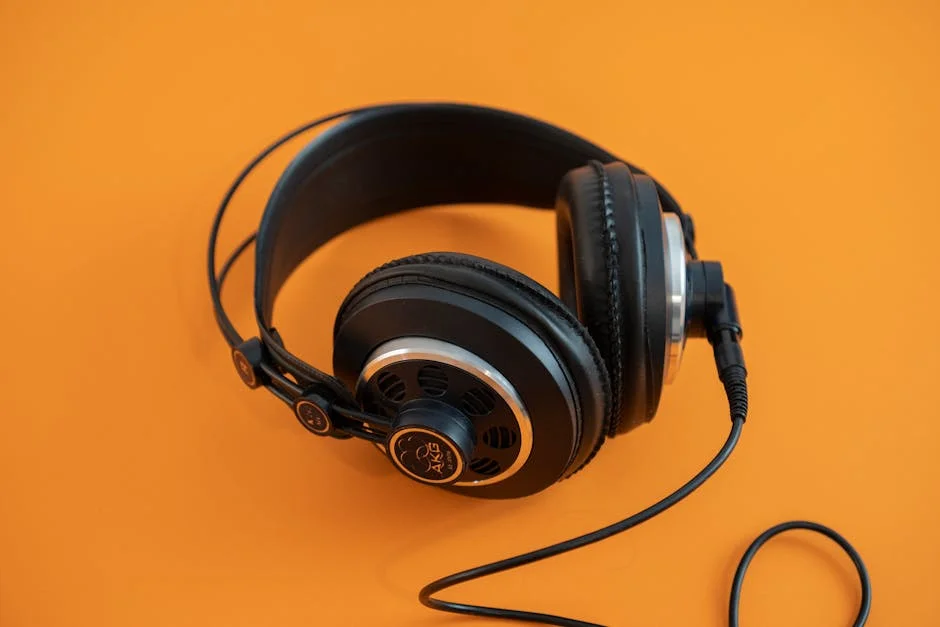
Match the Design to Your Environment First
The acoustic design of a headphone, closed, semi-open, or open, is the single decision that should come before any other. If you are in a shared apartment, a recording space where bleed matters, or a streaming setup where mic bleed from the headphone is a concern, the DT 770 Pro is the only viable choice here. The DT 880 and DT 990 will both leak audio into the room at listening volume. That is not a flaw, it is a physical property of vented designs.
If your listening environment is controlled, a dedicated room, a home office with a door, the semi-open and open options become worth considering. The DT 880 works in a shared home office where you occasionally share the space. The DT 990 is a pure desk headphone; treat it accordingly.
Know Whether You Have Enough Amplification
The DT 880 Pro 250Ω and DT 990 Pro (standard 250Ω) require a real amplifier. Not “benefit from”, require, if you want the headphone to perform near its measured ceiling. From a laptop output or entry-level dongle, both headphones will play at acceptable volume in quiet environments but will compress dynamics and lose low-end control.
The DT 770 Pro 80Ω does not require amplification. It is genuinely plug-and-play from an audio interface, a gaming DAC, or a modest desktop setup. If your source chain is limited and you do not want to add a dedicated amp, the DT 770 is the practical answer. For anyone with an existing DAC/amp stack, all three headphones are within reach, and the 250Ω versions are the more common recommendation at that point.
Budget amp options suited to 250Ω beyerdynamic headphones include the JDS Labs Atom, Schiit Magni and Topping L30. Any of these will resolve the amplification question without significant additional outlay.
Decide How You Feel About the Beyerdynamic Treble
The V-shaped signature with the elevated treble peak is not a defect, it is a design choice that beyerdynamic has maintained across this lineup for decades. Some listeners prefer it. The treble energy can read as “detail” and “air” in genres like electronic music, gaming audio, and orchestral content where spatial cues and high-frequency extension matter.
For treble-sensitive listeners, the DT 880 Pro is the correct choice within this family. The DT 770 and DT 990 can be EQ-corrected, and EQ profiles are widely available for both, but if you know you are treble-sensitive, starting with the DT 880 removes the need for EQ correction from the beginning.
Closed vs. Open and Use-Case Alignment, A Practical Summary
Buyers who want a single headphone for multiple use cases often default to closed-back for versatility, and for this lineup the DT 770 Pro supports that logic. It tracks well, it isolates, it drives easily, and the V-shaped tuning works for gaming and mixed content. The trade-off is that it does not serve critical listening or mixing as well as the DT 880.
Buyers building a dedicated listening setup, with an amp already in the chain, have a stronger case for either the DT 880 or DT 990. The DT 880 is the analytical, fatigue-resistant tool. The DT 990 is the immersive, wide-stage experience that rewards genre-appropriate content. Neither is the wrong answer in the right environment. Additional headphone decision frameworks, including impedance matching and amp pairing guides, are available through headphone buying resources at Undisclosed Sounds.

Frequently Asked Questions
Which beyerdynamic headphone is best for gaming?
The DT 990 Pro is a common choice for gaming because the open-back design produces wide, convincing soundstage imaging that helps with positional audio in competitive titles. The DT 770 Pro 80Ω is the better choice for shared spaces or streaming setups where isolation and bleed control matter more than soundstage width. EQ profiles are widely available for both. The DT 880 is less commonly recommended for gaming specifically, its more neutral tuning is better suited to mixing contexts than competitive audio.
Do I need an amplifier for the beyerdynamic DT 880 Pro or DT 990 Pro?
Yes, if you want either headphone to perform near its potential. A budget solid-state amp, the JDS Labs Atom, Schiit Magni, or Topping L30, resolves the issue without significant additional cost. The DT 770 Pro 80Ω does not share this requirement and drives directly from interfaces and consumer sources without issue.
What is the difference between the DT 770 and DT 880?
The DT 770 Pro is a closed-back headphone with a V-shaped tuning signature; the DT 880 Pro is semi-open with a more neutral frequency response. The DT 770 provides real isolation, useful for recording, gaming, and shared spaces. The DT 880 sacrifices isolation for a more open, spatially convincing presentation and a flatter response that suits extended listening and mixing work. The DT 880 also requires amplification at 250Ω, while the DT 770 80Ω variant drives easily from most sources.
Is the beyerdynamic DT 990 Pro too bright to use without EQ?
For many listeners, yes, the DT 990 Pro has a pronounced upper treble peak, which can fatigue treble-sensitive listeners on extended sessions without EQ correction. Buyers who are treble-sensitive and unwilling to apply EQ should consider the beyerdynamic DT 880 PRO 250 Ohm instead, which measures significantly flatter in that range.
Which beyerdynamic DT headphone is most neutral for mixing and critical listening?
The DT 880 Pro is the closest to a flat studio-monitor presentation of the three. It is not perfectly flat, no headphone is, but within this lineup, it is the appropriate choice for critical listening work where the V-shaped character of its siblings would mislead decisions.
Where to Buy
- beyerdynamic DT 770 PRO 80 Ohm Over-Ear Studio HeadphonesSee price on Amazon
- beyerdynamic DT 880 PRO 250 Ohm Semi-Open Over Ear Studio HeadphonesSee price on Amazon
- Beyerdynamic DT 990 PRO Open Studio HeadphonesSee price on Amazon