Hard vs Soft Headphone Cases: Which Protects Better

Affiliate disclosure: Some links on this page are affiliate links. If you buy through them we earn a small commission at no extra cost to you. Recommendations are research-driven; we don't claim personal use of every product reviewed. Product prices and availability are accurate as of the date published and are subject to change. Always check Amazon for current pricing before purchasing. Learn more.
Quick Picks
ZMF Headphones Universe Earpads for Headphones
Premium materials and ZMF craftsmanship for long-term comfort
ZMF Verite Earpads Premium Headphone Earpads
ZMF premium material options in a larger, deeper cup design
ZMF Auteur Classic Earpads
Designed for ZMF Auteur , premium quality assured
| Product | Price Range | Top Strength | Key Weakness | Buy |
|---|---|---|---|---|
| ZMF Headphones Universe Earpads for Headphones also consider | $$ | Premium materials and ZMF craftsmanship for long-term comfort | Premium pricing for earpads , significant upgrade cost | — |
| ZMF Verite Earpads Premium Headphone Earpads also consider | $$ | ZMF premium material options in a larger, deeper cup design | Available primarily direct from ZMF , not reliably Amazon stock | — |
| ZMF Auteur Classic Earpads also consider | $$ | Designed for ZMF Auteur , premium quality assured | Only available direct from ZMF Headphones website | — |
| Dekoni Audio Elite Hybrid Earpads for Sennheiser HD600 HD650 HD660S HD6XX also consider | $$ | Widely available on Amazon Prime , no wait for direct orders | Changes sound signature , HD 600 owners should test carefully | Buy on Amazon |
| Dekoni Audio Elite Hybrid Earpads for HiFiMan Sundara HE-400i also consider | $$ | HiFiMan Sundara-specific fit with Elite Hybrid materials | Pad swap changes Sundara frequency response , measure before committing | Buy on Amazon |
| Dekoni Audio Elite Sheepskin Earpads for Beyerdynamic DT Series also consider | $$ | Premium sheepskin leather for comfort and isolation improvement | Sheepskin changes sound signature , treble and bass affected | Buy on Amazon |
| Dekoni Audio Elite Earpads for Audeze LCD Series Headphones Elite Velour also consider | $$ | Premium velour material for comfort in long listening sessions | Velour can change the sound seal and bass response vs. leather | Buy on Amazon |
| Brainwavz Hybrid Memory Foam Earpad Black PU/Velour Large Over-Ear also consider | $ | Budget-friendly premium hybrid earpad material | Universal fit may require adaptation on some headphones | Buy on Amazon |
Protecting a pair of headphones you actually care about comes down to one decision that most buyers make too quickly: hard case or soft case. Both have real trade-offs, and the right answer depends on how you travel, how much your gear cost, and whether you prioritize packability over protection.
Three years in, I’ve also learned that what lives inside a case matters just as much as the case itself. Worn-out earpads compress the fit, soften the low end, and accelerate frame stress. This article covers the case decision clearly, then connects it to earpad maintenance, because both are part of the same protective habit. For everything else in the accessories category, the full Accessories hub is a good starting point.

Hard vs. Soft Headphone Case: What the Difference Actually Means
Before getting into specific products, it helps to understand what you are actually choosing between. The headphone case market splits into two functional categories, and the trade-offs are more meaningful than they first appear.
Hard Cases
Hard cases use a rigid outer shell, typically ABS plastic, aluminum, or polycarbonate, with a molded or foam interior. The shell distributes impact force across its surface rather than transferring it directly to whatever is inside. If your bag gets dropped, thrown into an overhead bin, or compressed under other luggage, a hard case absorbs the mechanical stress that your headphone’s yokes and gimbal joints cannot.
The trade-offs are real: hard cases are heavier, they do not compress to fit irregular bag shapes, and they tend to be sized for specific headphone geometries. A semi-open back headphone like the HD600 needs more volume than a folding portable, and a hard case sized for one will not gracefully accept the other.
Community consensus across Head-Fi threads and gear review content consistently recommends hard cases for any headphone that does not fold flat. If the cups swing out on a rigid arc and the frame cannot collapse, the mechanical leverage points are vulnerable to lateral force. A hard shell is not optional for travel with full-size open-backs.
Soft Cases
Soft cases use padded fabric, neoprene, or similar flexible materials. They protect against surface scratches, dust accumulation, and minor bumps. They compress to fit available space, weigh very little, and often work for a wider range of headphone shapes because the interior accommodates rather than dictates geometry.
The limitation is physics. A soft case has almost no ability to resist concentrated impact force. If a hard object strikes it from the outside, most of that force transfers directly to the headphone. Verified buyer reports and community discussion consistently note that soft cases are appropriate for desk-to-bag movement in controlled environments, not for checked luggage or dense urban commuting bags.
Hybrid Cases and Included Accessories
Some manufacturers ship headphones with semi-rigid pouches that have a structured foam base and flexible fabric sides. These occupy the middle ground reasonably well for light travel but are rarely rated for serious protection. The Sundara’s included pouch and the M50x’s included bag both fall into this category. Field reports from Head-Fi owner threads for both headphones generally suggest upgrading to a purpose-built hard case for anything beyond desk storage.
What Earpads Have to Do With Case Choice
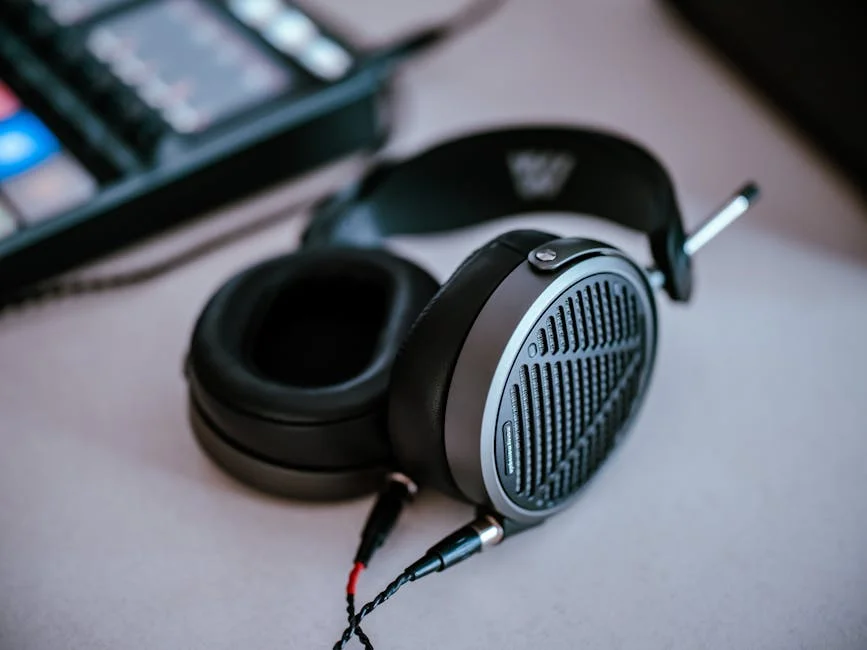
This is where the two topics connect more directly than most guides acknowledge. Earpad condition affects how your headphones sit in a case. Compressed, flattened earpads change the effective cup depth, which changes how the driver faces press against interior foam in a form-fit case. If your pads have lost their original profile, a molded case interior that once fit perfectly may now press against the driver grilles.
More practically: degraded earpads are one of the most common and underacknowledged sources of sound change in a headphone. When I replaced the stock HD600 pads with fresh Sennheiser replacements after roughly 18 months of regular use, the seal improved noticeably and the perceived low-frequency extension came back in a way that reminded me of how the headphones sounded when I first got them. I had attributed some of that change to ear fatigue and EQ drift. It was mostly the pads.
Earpad material also interacts with case storage. Velour pads are more susceptible to compression memory than leather or pleather. Storing a headphone with velour pads in a tight hard case for extended periods can permanently deform the pad shape. If you are storing rather than just transporting, loosening the case or using a soft bag for long-term storage is worth considering.
Buying Guide: Choosing the Right Earpad Upgrade
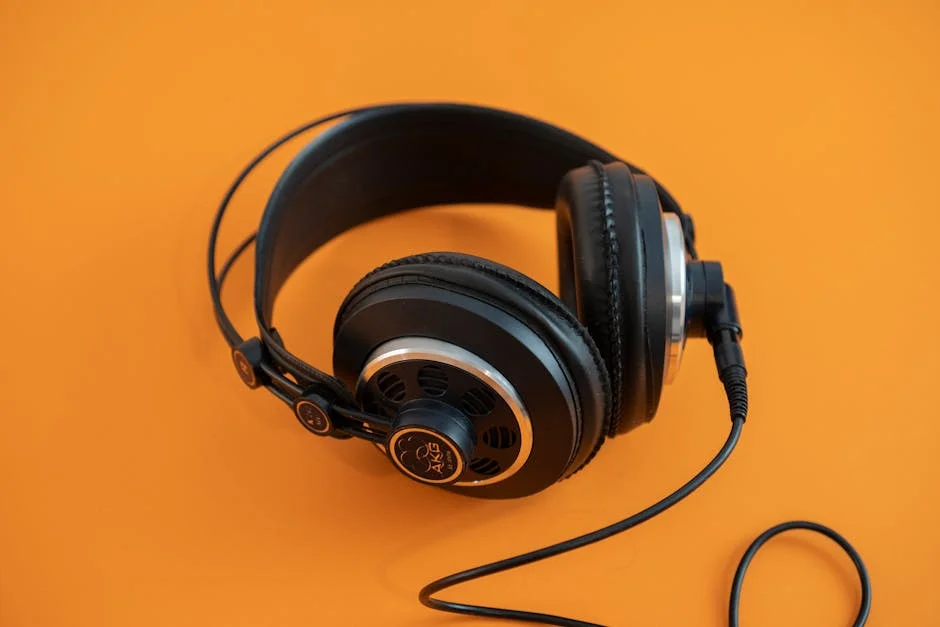
The earpad upgrade market splits roughly by use case: compatibility with a specific headphone family, material preference (velour versus leather versus hybrid), and budget tier. Understanding which axis matters most to you narrows the field quickly. If you want a broader look at upgrade accessories beyond earpads, the Accessories hub covers the full range of what to consider.
Material Matters More Than Brand
Velour pads run cooler, breathe better during long sessions, and are generally softer against the skin. Leather and pleather pads offer better isolation, tend to maintain low-frequency seal more consistently, and are easier to wipe clean. Hybrid designs, which layer velour on the face and leather or sheepskin on the outer ring, try to split the difference with varying success. The hybrid approach is genuinely useful if you run hot but still want isolation to hold.
Measurement-aware buyers should know that every earpad swap changes the frequency response to some degree. Crinacle’s measurement database and ASR’s pad-swap comparisons both document this clearly. The magnitude of change varies by headphone design. On the HD600, pad changes are relatively subtle because the driver-to-ear distance is controlled by the baffle geometry rather than pad depth alone. On the Sundara, pad depth changes the distance more directly and FR shifts are more audible.
Compatibility and Fitment
Not every earpad fits every headphone without adapter rings. ZMF and Dekoni both make pads designed for specific models with direct mounting compatibility, and both also offer adapter rings for cross-compatibility. Buying a pad without confirming fitment is the most common earpad upgrade mistake in Head-Fi purchase threads. Check the manufacturer’s compatibility list before ordering.
Universal pads like the Brainwavz HM5-style options use an adhesive or stretchy attachment method that works across a wide range of cup shapes but requires more careful installation. Verified buyer reports note inconsistent results on headphones with unusual cup curvature, particularly HiFiMan’s thinner-rimmed designs.
Budget Tier vs. Premium Tier Trade-offs
Budget-tier pads from Brainwavz and similar brands offer meaningful comfort improvements over worn stock pads without a large spend. The construction quality is noticeably below ZMF’s handcrafted leather options, but for headphones where the original pads are the primary complaint, the budget tier delivers most of the functional benefit.
Premium-tier pads from ZMF in particular use suede, cowhide, and lambskin sourced and assembled with the same care as their headphones. If you are using the HD600 or Sundara for critical listening, the ZMF Universe pads represent a meaningful upgrade in long-session comfort and material durability. The sound changes are subtle enough that I would not frame them as a tuning tool; the case for the upgrade is primarily tactile and longevity-based.
When to Replace vs. When to Upgrade
Stock pads should be replaced when they show visible compression, when the surface material is cracking or peeling, or when you notice a change in perceived low-frequency weight that you cannot explain through other variables. Upgrading to a premium third-party pad at the same time is optional but worth considering since installation effort is the same either way.
If your headphones are still within the first year of regular use and the stock pads are intact, an earpad upgrade is a comfort choice rather than a maintenance necessity. Prioritize the case decision first if you are traveling with gear.
Top Picks
ZMF Universe Earpads for Headphones
The ZMF Universe Earpads are the pad I have the most direct experience with across my own HD600 and Sundara. ZMF produces these in multiple materials including suede, cowhide, and lambskin, and the construction quality is noticeably above anything in the budget or mid-tier from brands that ship primarily through Amazon.
On the HD600, the Universe pads changed the fit and session comfort noticeably. The sound changes are subtle, and I want to be precise about that: at my experience level, I would not frame this as a tonal upgrade but as a comfort and material upgrade. The perceived difference in bass extension I noticed was more likely the improved seal from fresh pads compared to my worn originals than anything material-specific. Anyone buying these expecting dramatic FR changes should recalibrate that expectation. Buying direct from ZMF is required since Amazon stock is intermittent.
Check current price on Amazon.
ZMF Verite Earpads Premium Headphone Earpads
The ZMF Verite Earpads are designed around the geometry of ZMF’s Verite headphone but are available for other headphones via adapter rings. The cup design is larger and deeper than the Universe pads, which matters for listeners who find standard ear cup depth restrictive during long sessions.
Based on owner reviews in Head-Fi’s ZMF thread and verified buyer feedback, the Verite pads are particularly well-regarded for their depth, which keeps the ear from contacting the driver baffle directly. ZMF sells these primarily through their direct website, and stock availability fluctuates. If you are planning a purchase, ordering direct rather than waiting for Amazon availability is the more reliable path. Premium pricing applies across the ZMF pad lineup.
Check current price on Amazon.
ZMF Auteur Classic Earpads
The ZMF Auteur Classic Earpads are designed for the ZMF Auteur Classic headphone but can be fitted to other headphones using ZMF’s adapter ring system. Like the rest of the ZMF pad catalog, these are handcrafted from premium materials with the same quality controls applied to ZMF’s full headphone lineup.
Owner reports and Head-Fi thread discussion position these as a genuine comfort upgrade for compatible headphones, with the same caveat that applies across the ZMF catalog: sound changes are real but subtle, and the primary case for purchase is material quality and long-term comfort. Available exclusively through ZMF Headphones directly. If you are already invested in the ZMF ecosystem or own an Auteur Classic, these are the logical replacement choice.
Check current price on Amazon.
Dekoni Audio Elite Hybrid Earpads for Sennheiser HD600 HD650 HD660S HD6XX
The Dekoni Elite Hybrid Earpads for Sennheiser HD600/HD650/HD660S/HD6XX are the most accessible premium earpad upgrade for the HD 6XX family, available through Amazon Prime without the direct-order wait that ZMF requires.
The Elite Hybrid design combines a velour face with a sheepskin outer ring and memory foam interior. Verified buyer reports note improved comfort for long sessions compared to stock pads, with the velour face keeping the contact point cooler than full leather alternatives. The sound change caveat is worth stating clearly: Dekoni’s own documentation and Head-Fi owner reports confirm that the hybrid material does shift the FR on the HD600 compared to stock. The changes are not dramatic, but measurement-aware buyers should expect some variation rather than a transparent replacement. For the HD 6XX family, these are the Amazon-available alternative to ZMF Universe pads.
Check current price on Amazon.
Dekoni Audio Elite Hybrid Earpads for HiFiMan Sundara HE-400i
The Dekoni Elite Hybrid Earpads for HiFiMan Sundara/HE-400i apply the same Elite Hybrid material construction to the Sundara and HE-400i headphone family. Amazon Prime availability makes these the most accessible upgrade option for Sundara owners who do not want to order direct from ZMF.
The FR caveat is stronger here than with the HD600. The Sundara’s frequency response is more sensitive to earpad depth and seal changes than the HD600’s. Field reports from Head-Fi Sundara owners and ASR’s measurement notes both confirm that pad swaps on the Sundara can shift bass response and treble detail in ways that require EQ adjustment if you are used to a specific target. This is not a reason to avoid the upgrade, but it is a reason to treat the pad swap as a possible re-evaluation of your EQ settings rather than a transparent material change. Comfort improvements over stock are consistently reported.
Check current price on Amazon.
Dekoni Audio Elite Sheepskin Earpads for Beyerdynamic DT Series
The Dekoni Elite Sheepskin Earpads for Beyerdynamic DT Series are designed for the DT 770, 880, and 990 series headphones. Full sheepskin construction offers a softer, warmer contact feel than the velour stock pads on most DT variants, with better passive isolation for the DT 770 Pro in particular.
Verified buyer reports and Head-Fi DT 990 owner threads both flag the sound change issue clearly: sheepskin pads reduce the treble energy and increase the bass weight on the DT 990 Pro compared to the stock velour. For some owners, this is actually a benefit given the DT 990 Pro’s known treble peak. For others who bought the DT 990 specifically for its extended top end, the change may not be welcome. Checking Crinacle’s or Resolve’s FR documentation of the stock versus pad-swapped DT 990 before committing is worth the five minutes.
Check current price on Amazon.
Dekoni Audio Elite Earpads for Audeze LCD Series Headphones Elite Velour
The Dekoni Elite Velour Earpads for Audeze LCD Series are primarily a comfort upgrade for LCD-series owners who find the stock leather pads warm or uncomfortable during longer listening sessions. Velour breathes better and runs cooler than leather at the cost of some passive isolation.
I heard the LCD-X briefly at a Texas Audio Society meetup, roughly 20 minutes total with the stock leather pads, and my main impression beyond the sound was that the contact feel was substantial. Based on owner reviews in Head-Fi’s Audeze thread, the velour swap is a common quality-of-life upgrade for listeners who do long critical listening sessions. The trade-off is consistent with what measurements predict: velour reduces the acoustic seal slightly, which can soften bass weight and lower-midrange authority. For reference-level listening where the bass tightness of the LCD series is part of what you paid for, this trade-off deserves consideration before purchasing.
Check current price on Amazon.
Brainwavz Hybrid Memory Foam Earpad Black PU/Velour Large Over-Ear
The Brainwavz Hybrid Memory Foam Earpads represent the budget entry point for earpad upgrades across a wide range of large over-ear headphones. The PU leather face with velour center design attempts a similar hybrid approach to Dekoni’s Elite Hybrid at a lower price point, with memory foam for conforming comfort.
The fitment situation is the primary caveat: these are universal pads that use a stretch-fit or adhesive mounting method rather than dedicated model-specific mounting tabs. Verified buyer reports note that fitment quality varies significantly by headphone. For headphones with standard cup rim geometry like the ATH-M50x or many AKG models, the fit is reliable. For headphones with unusual rim curvature, fit may require modification or may not be secure enough for regular travel use. At budget pricing, these are a reasonable first upgrade for owners who are not ready to commit to the ZMF or Dekoni tier.
Check current price on Amazon.
Frequently Asked Questions
Does a hard case actually protect headphones better than a soft case?
Yes, for impact protection specifically. A hard shell distributes mechanical force across its surface, which prevents concentrated pressure from reaching the frame and yokes. A soft case protects against surface scratches and dust but transfers most impact force directly to the headphone. The consensus across Head-Fi, ASR forum posts, and Resolve Reviews gear discussion is that full-size open-back headphones with rigid, non-folding frames should use hard cases for any travel outside controlled desk environments.
Will changing earpads change the sound of my headphones?
Almost certainly yes, to some degree. Every earpad swap changes the driver-to-ear distance and the acoustic seal, both of which affect frequency response. The magnitude depends on the headphone design. The HD600 is relatively pad-insensitive due to its baffle geometry.
How do I know when my earpads need replacing?
Look for visible compression where the pad no longer returns to its original profile after pressure, surface cracking or peeling on leather and pleather materials, and any change in perceived low-frequency weight that you cannot explain through other variables. Velour pads are less visually obvious in their degradation; check whether the pile has matted flat and whether the foam interior has lost its rebound. Most pads under regular daily use start showing meaningful degradation between one and two years depending on material quality and storage habits.
Are ZMF earpads worth the premium pricing over Dekoni or Brainwavz?
For long-term critical listening on headphones you intend to keep for multiple years, yes. ZMF’s handcrafted leather materials are noticeably more durable and comfortable under extended wear than budget-tier options, and the construction quality reflects the pricing. Dekoni’s Elite Hybrid pads occupy a useful middle position with good Amazon availability and reliable fitment on specific model families. Brainwavz pads are a reasonable starting point for budget-tier buyers or headphones where you are not yet sure a premium upgrade is warranted.
Can I store headphones long-term in a hard case without damaging the earpads?
For extended storage measured in weeks or months, a hard case that holds the cups in a compressed position can cause permanent deformation of the pad foam, particularly with velour pads that have lower rebound resistance. For transport between locations, the protection trade-off favors the hard case. For long-term shelf storage, either loosening the case closure or switching to a breathable soft bag reduces the compression memory risk. Leather and sheepskin pads are more resilient to compression than velour.