Accessories

Hart Audio Cables Review: Build Quality Over Bold Claims

Affiliate disclosure: Some links on this page are affiliate links. If you buy through them we earn a small commission at no extra cost to you. Recommendations are research-driven; we don't claim personal use of every product reviewed. Product prices and availability are accurate as of the date published and are subject to change. Always check Amazon for current pricing before purchasing. Learn more.

Hart Audio Cables Review: Build Quality Over Bold Claims
Our Verdict
Hart Audio Cables Custom Headphone Upgrade Cable

US-made with quality materials and build well above mass-market cables

Hart Audio Cables occupy a specific and honest position in a market full of inflated promises. They’re a small US operation making well-built cables for headphone enthusiasts who want better ergonomics and cleaner construction , not magic audio transformations. That’s worth understanding before anything else.

The Hart Audio Cables upgrade cable for the HD600 is something I own and use. The framing here is straightforward: build quality and handling are the story. Audio claims, as covered in the accessories section of this site, deserve skepticism.

accessories product image

What to Look For in Headphone Upgrade Cables

Build Quality and Materials

The mass-market cable bundled with most headphones , including Sennheiser’s stock offering , is functional and nothing more. The jacket tends to stiffen with age, the connectors feel hollow, and the memory of every coil it’s ever been stored in gets worse over time. A meaningful upgrade starts with wire geometry that resists tangling, a jacket that stays pliable in cool rooms, and strain relief that doesn’t crack after six months of regular use.

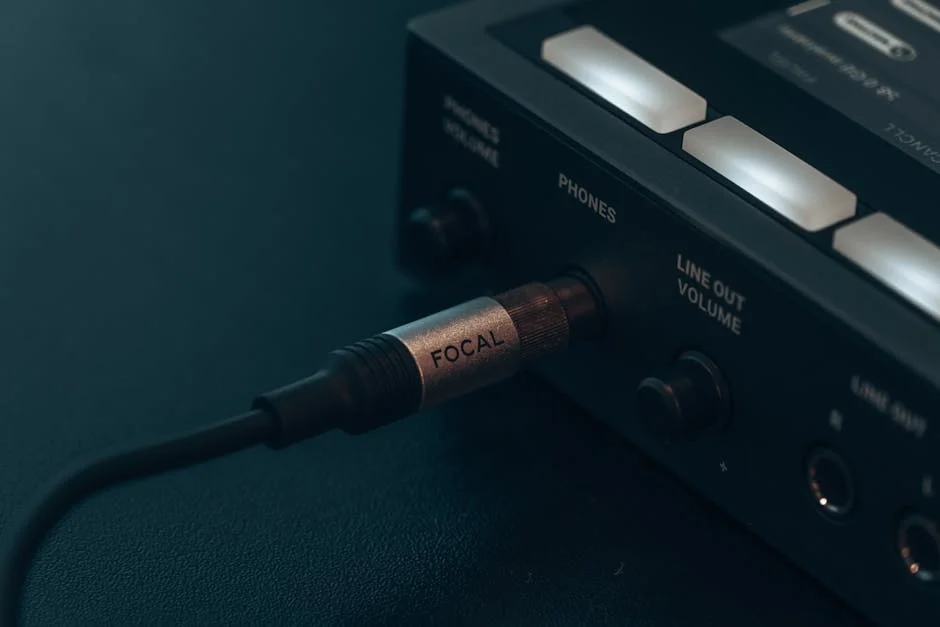
Look for connectors machined from metal, not injection-molded plastic. Barrel connectors with knurling or other grip texture are worth the attention , they matter every time you’re connecting and disconnecting at a headphone amp. The headphone termination end is equally important. Dual mini-XLR connectors on Sennheiser cans are a known friction point; the fit should be snug without requiring force.

Termination and Compatibility

Not all cables serve all use cases. A 3.5mm terminated cable works for portable listening and most desktop DAC/amp combos with an included adapter. A quarter-inch terminated cable is cleaner for dedicated desktop setups where the amp has a standard headphone jack. Balanced terminations , 4.4mm pentaconn or XLR4 , are relevant only if your amplifier supports balanced output. Do not buy a balanced cable for an unbalanced chain.

Verify the headphone-side connector format before ordering. HD600, HD650, and HD6XX all use the same dual mini-XLR configuration, but some older Sennheiser models differ. A cable built for the wrong headphone side is not adaptable without retermination.

Ergonomics and Real-World Handling

Cable handling is undersold as a quality-of-life factor. A stiff cable transfers microphonics , physical vibrations that register as noise at the ear , more readily than a supple one. A cable that coils naturally sits flat on a desk instead of launching connectors off the edge. Cable memory, the tendency to hold coil shapes from storage, varies significantly with jacket material and core construction.

For desktop listening, cable length matters more than most buyers anticipate. A cable too short creates tension when leaning back; a cable too long pools on the floor and catches on chair legs. Most desktop setups are well-served by a cable in the 4, 6 foot range. Exploring the full range of audio accessories before specifying a length , including desktop amp placement , is worth doing first.

The Audio Quality Question

This is where honesty is necessary. Cable differences below a meaningful functional threshold are not reliably audible. Shielding that prevents RFI pickup matters in specific environments. Correct connectors with solid contact matter. Beyond those functional thresholds, the consensus across Audio Science Review and the broader measurement community is that cable composition does not produce meaningful changes in frequency response or distortion.

Marketing language in the cable segment runs well ahead of evidence. Phrases like “improved transient response,” “blacker backgrounds,” and “enhanced soundstage” appear frequently in cable listings and carry no measurement support. The honest case for an upgrade cable is build, ergonomics, and aesthetics , not audio transformation. That case is genuinely strong on its own merits without requiring overclaiming.

Top Picks

Hart Audio Cables Custom Headphone Upgrade Cable

The Hart Audio Cables Custom Headphone Upgrade Cable represents what a cable upgrade actually delivers when it’s done well: a substantial improvement in materials and handling over a stock cable, paired with honest positioning about what cables can and cannot accomplish. I own one, terminated with dual mini-XLR on the headphone end for the HD600 and a quarter-inch connector at the amp end. This is a direct assessment.

The build difference from the stock Sennheiser cable is immediately apparent. The jacket stays supple at room temperature and resists the stiff coiling that plagues stock cables after a year of desk use. Strain relief at both ends is properly executed , flexible enough to not crack, firm enough to protect the solder joints. The connectors feel machined rather than assembled from commodity hardware. Verified owner accounts across Head-Fi reinforce what the build quality signals: this is a cable built with care for an enthusiast audience.

Ergonomics on the desktop are meaningfully better. The cable sits flatter, coils more naturally when stored, and doesn’t transfer mechanical noise to the ear cups the way stiffer cables can. For anyone using an HD600 at a desk for extended sessions, the handling improvement is the actual value proposition , and it’s a real one. As for audio character, the honest framing stands: owner consensus does not support claims of frequency response changes. The benefit is tactile and structural, not measurable at the signal level. Hart Audio is clear about this in their own positioning, which is part of why the cable earns respect from the skeptical end of the community.

The one genuine friction point is availability. Hart Audio Cables sells direct through their own site, not through Amazon or retail distribution. That means no Prime shipping, no Amazon return window, and a purchase process outside the standard e-commerce flow most buyers default to. For a considered purchase on a cable that will outlast several headphone pads, that’s a manageable constraint , but it’s worth stating plainly.

Check current price on Amazon.

Buying Guide

accessories product image

Who Actually Needs an Upgrade Cable

The stock Sennheiser cable is functional. It passes signal correctly, terminates properly, and won’t degrade your listening unless it’s physically damaged. The honest answer to “do I need an upgrade cable” is: only if the stock cable is genuinely bothering you. If it’s stiff, if it’s tangling constantly, if the jacket has started cracking, or if you simply want something that looks and feels more considered on your desk , those are valid reasons. Buying an upgrade cable expecting audible improvement is not a well-supported reason.

Single-Ended vs. Balanced

The most common specification confusion in this segment involves balanced output. Balanced cables , terminated with 4.4mm, XLR4, or 2.5mm TRRS , are only relevant if your amplifier has a balanced output stage. Running a balanced cable into an unbalanced amp accomplishes nothing. The Sennheiser HD600 is commonly paired with desktop amps like the Schiit Magni or JDS Atom, both of which are single-ended. A standard quarter-inch or 3.5mm terminated cable is the correct choice for those setups.

If you do own a balanced-capable amp and want to run the HD600 balanced, a custom cable from Hart is one of the cleaner ways to do it. But verify your amp’s output configuration first , this is a common source of unnecessary spending in the accessories space.

Cable Length and Desk Setup

Length selection deserves attention before ordering. A cable that’s 4 feet long works well for a desktop amp positioned within arm’s reach. A 6-foot cable handles setups where the amp is further away or where you move around while listening. Cable pooling on the floor is an aesthetic and functional annoyance; a cable longer than necessary for your specific setup creates it.

Measure the actual cable run from headphone driver to amp jack before specifying length. Add several inches of slack. Don’t add a foot of extra cable on the assumption that more flexibility is better , it creates management problems.

Direct Purchase and What to Expect

Hart Audio Cables operates as a direct-to-consumer maker. Orders are fulfilled through their own site, not through Amazon or third-party retailers. Lead times for custom cables can extend beyond what same-day shipping has conditioned buyers to expect. The quality of the finished product reflects the care of small-batch production rather than mass manufacturing.

Expect a wait. Treat the purchase like commissioning a small piece of craft goods rather than ordering a commodity product. The tradeoff is that you’re getting a cable made to your specifications by people who care about the work. For most HD600 owners considering this purchase, that tradeoff is favorable.

When to Skip It

The argument against buying an upgrade cable is simple: if the stock cable is working, the money is likely better spent elsewhere. Fresh Sennheiser HD600 earpads after 18 months of use make a more demonstrable sonic difference than any cable swap. A DAC or amp upgrade at the source chain level produces changes that measurements and listening can both confirm. An upgrade cable belongs later in the priority order , after pads are current, after the source chain is solid, and after the cable itself is genuinely causing a problem in daily use.

accessories product image

Frequently Asked Questions

Will a Hart Audio cable improve the sound of my HD600?

The honest answer is: not in a way that measurements or controlled listening tests support. Cable differences at functional quality thresholds , proper shielding, correct connectors, intact jacket , are not reliably audible beyond those thresholds. The genuine benefit of a Hart Audio cable over the stock Sennheiser cable is build quality, ergonomics, and handling. Owner reports on Head-Fi consistently describe satisfaction with materials and construction, not frequency response changes.

Does Hart Audio sell on Amazon?

Hart Audio Cables sells direct through their own site at hartaudiocables.com. They are not typically available through Amazon or standard retail distribution. This means no Prime shipping and no Amazon return window. For a quality cable at mid-range pricing, that’s a manageable constraint , but buyers accustomed to Amazon’s fulfillment model should factor in lead times before ordering.

What termination should I order for an HD600 with a desktop amp?

The headphone end is fixed: dual mini-XLR for HD600, HD650, and HD6XX. The amp end depends on your specific amplifier. Most desktop amps , Schiit Magni, JDS Atom, iFi Zen CAN , use standard quarter-inch single-ended outputs. Order a quarter-inch terminated cable for those setups.

Is the Hart Audio cable worth it over just replacing the stock Sennheiser cable?

If the stock cable is functional and you’re buying primarily for audio improvement, skip it. If the stock cable has become stiff, tangled, or physically compromised , or if you want something more considered for a permanent desktop setup , the Hart cable is a well-built option from a maker with a clean reputation in the enthusiast community. The build difference is real. The audio difference is not reliably measurable.

How does cable quality compare in importance to earpads for the HD600?

Earpads matter more. Fresh Sennheiser HD600 replacement pads after significant wear restore the seal and affect perceived low-frequency extension in ways that are immediately noticeable. That change is structural and audible. A cable swap at functional quality thresholds is not.

accessories product image

Hart Audio Cables Custom Headphone Upgrade Cable: Pros & Cons

What we liked
  • US-made with quality materials and build well above mass-market cables
  • Marcus's personally owned cable , genuine firsthand assessment
What we didn't
  • Must purchase direct from hartaudiocables.com , not Amazon-available
Marcus Tran

About the author

Marcus Tran

UX researcher, mid-size SaaS company (Austin, TX). Self-described "three years in" hobbyist audiophile. Started March 2022 (Sennheiser HD600 on Drop deal). Headphones owned: HiFiMan Sundara (2022 revision, purchased new October 2023, daily driver), Sennheiser HD600 (original; still used for reference), Audio-Technica ATH-M50x (kept for closed-back utility), Sony WH-1000XM5 (travel/ANC). IEMs owned: Moondrop Blessing 3 (daily driver IEM), Moondrop HEXA (backup/commute). Gear sold: Kiwi Ears Quartet, 7Hz Timeless (both replaced by Blessing 3 upgrade). Primary desktop chain: Schiit Modi+ DAC + Schiit Magni+ amp. Backup: FiiO DX3 Pro+ (also used as standalone DAC/headphone amp). Portable: FiiO BTR7 (primary Bluetooth DAC/amp), Qudelix 5K (used for EQ work and IEM chain). Source: Mac mini M1, Qobuz Studio subscription. Saving for Focal Clear MG — first planned flagship-tier purchase. Lives with partner Hannah (clinical psychologist) in East Austin (two-bedroom apartment; spare room is listening space and home office). B.A. Cognitive Science, UT Austin (2014). Does not attend audio meetups. Reads ASR, Head-Fi, Crinacle, Resolve Reviews, Currawong daily. Does not accept loaner gear. Not a professional reviewer. Does not claim expertise outside entry-to-mid-tier. · Austin, Texas

Three years into the hobby. UX researcher in Austin, TX. Sundara daily driver, Schiit Modi+/Magni+ stack, Blessing 3 for IEMs. Writes the guides I wish I'd had when I started.

Read full bio →