Headphone Burn-In Explained: What Science Really Shows

Affiliate disclosure: Some links on this page are affiliate links. If you buy through them we earn a small commission at no extra cost to you. Recommendations are research-driven; we don't claim personal use of every product reviewed. Product prices and availability are accurate as of the date published and are subject to change. Always check Amazon for current pricing before purchasing. Learn more.
| Product | Price Range | Top Strength | Key Weakness | Buy |
|---|---|---|---|---|
| iFi Audio iFi xDSD Gryphon Portable Bluetooth DAC/Amplifier also consider | $$$ | Bluetooth aptX Adaptive delivers near-lossless wireless audio | Premium price in a portable device that can be lost or damaged | Buy on Amazon |
| Chord Electronics Chord Mojo 2 Portable DAC/Amp also consider | $$$ | Custom FPGA implementation with Chord's proprietary WTA filter | Ball-button interface is unintuitive and confusing for new users | Buy on Amazon |
| Sony WF-1000XM5 True Wireless Noise Canceling Earbuds also consider | $$$ | Best-in-class ANC among true wireless earbuds | Premium price; XM4 or XM3 available second-hand at significant discount | Buy on Amazon |
| Apple AirPods Pro 2nd Generation with MagSafe Case also consider | $$$ | Best ANC integration in the Apple ecosystem with system-level compatibility | AAC codec ceiling limits audio quality on non-Apple devices | Buy on Amazon |
| HiBy R3 Pro Saber Portable Music Player also consider | $ | 4.4mm balanced output at ~$129, exceptional value for balanced portable audio | Screen small and touch interface less responsive than flagship DAPs | Buy on Amazon |
Headphone burn-in sits at one of the most contested intersections in the audiophile hobby, where measurement data, subjective impressions, and strongly held beliefs collide. The debate plays out across audio forums and measurement sites.
This article covers what we actually know, what we don’t, and what smart hobbyists do with that uncertainty.
For foundational concepts across the hobby, the Audiophile Basics hub is the best starting point if you’re newer to this space.
What Is Headphone Burn-In, Actually?
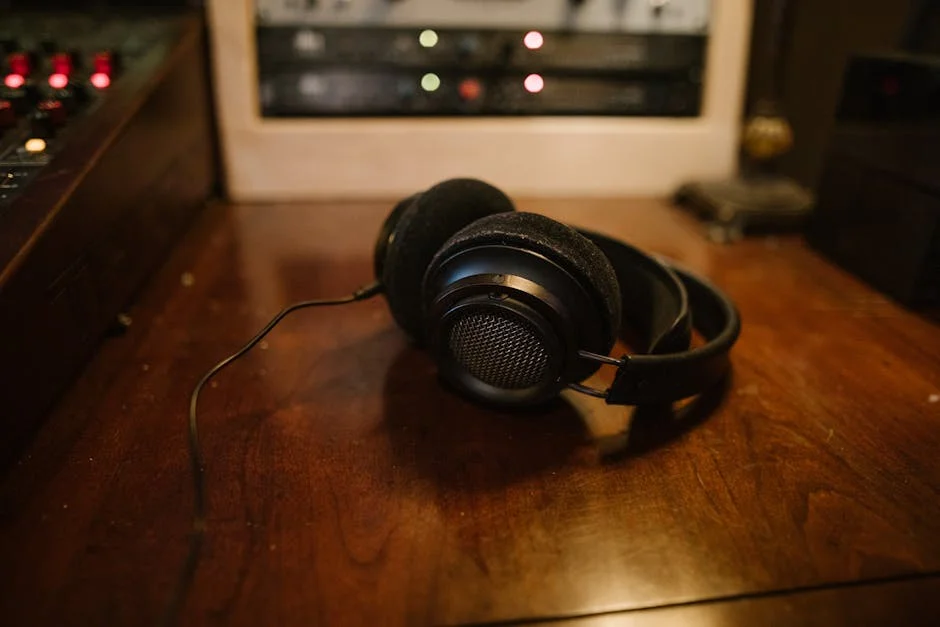
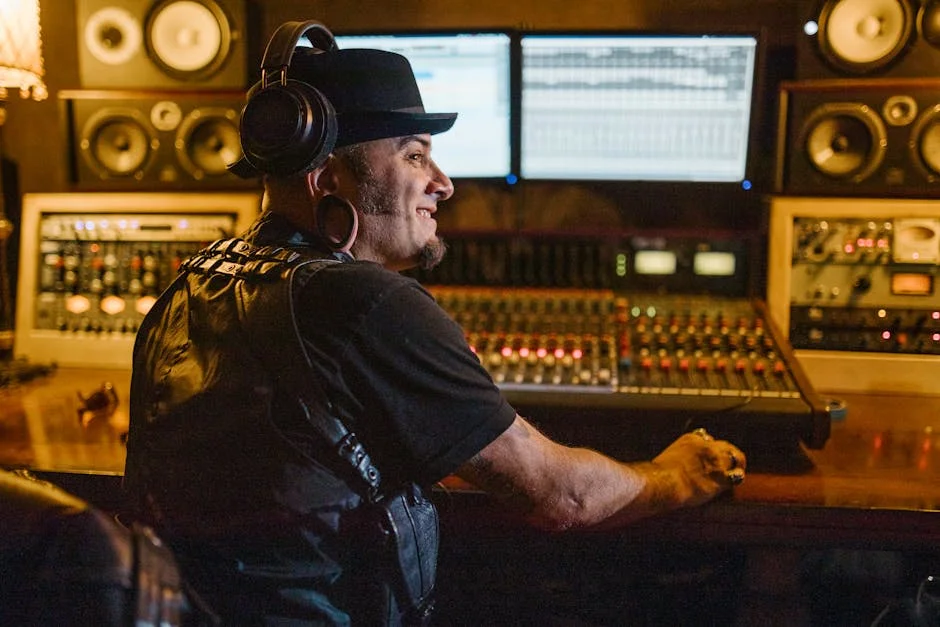
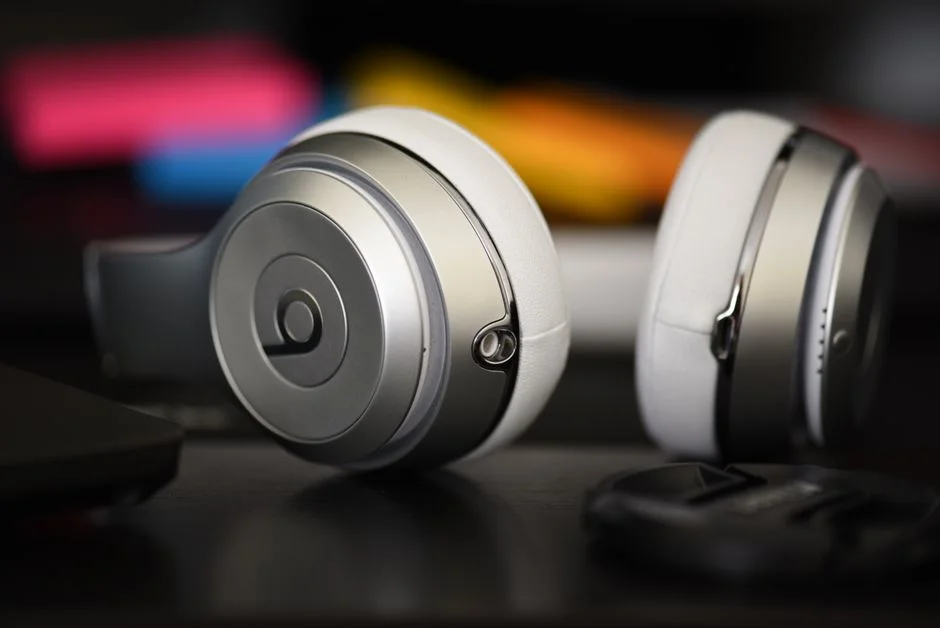
Burn-in refers to the practice of running audio signal through a new headphone for an extended period, typically anywhere from a few hours to several hundred hours, before critically evaluating its sound. The underlying claim is that the mechanical components of a headphone driver, particularly the diaphragm and its suspension, need time and movement to “settle” into their final acoustic behavior.
The concept maps loosely to how mechanical systems in other domains behave. A new car engine runs differently after its first few thousand miles, and speaker woofers with heavy cone suspensions are thought to benefit from physical break-in. The audiophile hobby imported this idea into headphones and it has stayed there ever since, for better and worse.
The Physical Argument for Burn-In
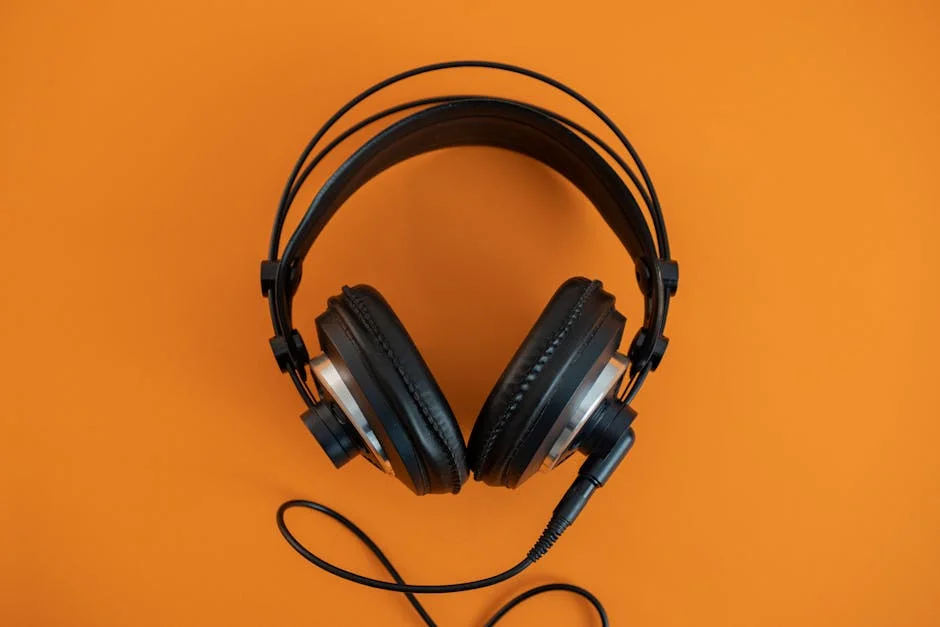
The structural case for burn-in centers on the driver’s diaphragm and the suspension surrounding it. In dynamic driver headphones, the voice coil sits inside a magnetic gap, and the diaphragm is attached to a surround or spider that controls its motion. New surrounds can be stiffer than they’ll be after extended use. The argument is that repeated mechanical excitation loosens the suspension material, lowering resonant frequency slightly and changing the compliance of the system in ways that affect measured frequency response.
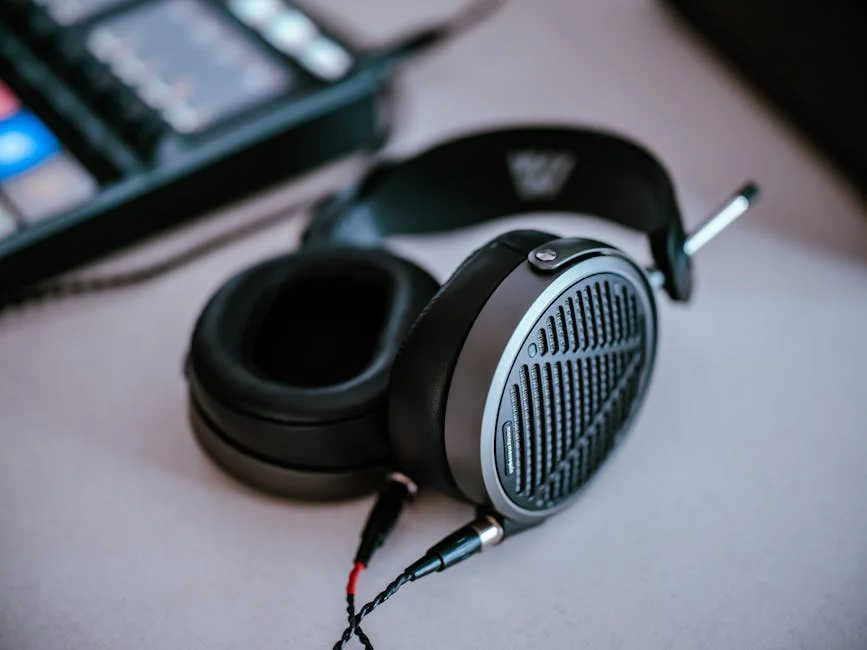
For planar magnetic headphones, the argument shifts slightly. The diaphragm is a thin film with conductive traces etched or adhered to it, suspended across a magnetic field. Proponents argue that the film needs time to relax tension variations introduced during manufacturing. This claim is harder to evaluate because planar diaphragms are fundamentally different materials from dynamic driver surrounds.
For balanced armature drivers, the kind used in most in-ear monitors, the case for burn-in is especially thin. The moving mass is extremely small, the suspension is minimal, and there’s little mechanical reason to expect significant physical change over time.
What Measurement Data Actually Shows
Here’s where things get uncomfortable for burn-in advocates. Published measurements of headphones before and after extended burn-in periods generally show very small frequency response changes, often within the margin of measurement error or positional variance. If you reposition a headphone on a measurement rig even slightly between sessions, you can produce frequency response “changes” similar in magnitude to alleged burn-in effects.
The reading of the data is that physical changes in dynamic driver headphones are plausible, but the magnitude is typically small, the consistency is poor, and the audibility of those changes is even harder to confirm than the measurement delta. For IEMs with balanced armature drivers, the data is close to flat before and after.
What the data doesn’t do is prove burn-in is zero. Absence of strong evidence isn’t evidence of absence. But it does put the burden of proof firmly on the burn-in advocates to demonstrate audible, repeatable changes.
The Perceptual Side of the Debate
Even if the physical changes are small, perception is more complicated. Some of that is genuine driver behavior. A lot of it is probably perceptual adaptation.
Auditory adaptation is well-documented in cognitive science. Your auditory system actively adjusts to new stimuli, which means a headphone can sound “different” on day one versus day fourteen even if the driver hasn’t changed at all. The brain normalizes tonality over time. What sounded sharp on first listen sounds natural two weeks later, not necessarily because the headphone changed, but because your reference point shifted.
This is the strongest case against putting too much stock in burn-in: perception is not a stable instrument. To evaluate a headphone accurately, the most reliable approach is extended, repeated listening with familiar music, not a 200-hour pink noise session.
How the Community Approaches It
Burn-in is not usually recommended as a meaningful step, but there is no need to skip it either. The practical advice tends to be: use the headphone normally, let it accumulate hours naturally, and don’t make purchasing or return decisions based on first-hour impressions.
Experienced hobbyists tend to be relaxed about burn-in, while newer listeners are more likely to treat it as a necessary ritual.
Whether this is driver break-in or perceptual adaptation is hard to separate from anecdote. But it is sensible not to write off a planar magnetic on first impressions.
Practical Burn-In Guidance (If You Choose to Do It)
If you’ve decided to run burn-in regardless of the uncertainty, there’s a reasonable way to approach it.
Use music at moderate listening levels rather than dedicated pink noise, white noise, or “burn-in tracks.” There’s no evidence that specialized signals produce better or faster results, and high-level sweeps carry some risk of driver damage if you miscalculate levels. Normal listening at normal volumes is mechanically sufficient if physical break-in does anything.
Don’t exceed a reasonable accumulated hours range before doing your first serious evaluation. Community conventions vary, but most experienced hobbyists consider 50 to 100 hours of regular use a reasonable window. Claims that headphones need 300 or 500 hours to “fully open up” are not supported by measurement data and should be treated skeptically.
Take blind or partially-blind notes. If you’re genuinely curious whether your headphone is changing, write down specific impressions on day one, particularly around treble texture and soundstage, and revisit those notes at 50 hours without re-reading them first. This basic discipline catches a surprising amount of confirmation bias before it becomes a belief.
Source quality matters here too. A consistent, low-noise source gives a stable baseline that makes it easier to evaluate headphone behavior rather than guessing whether the source chain contributed to a perceived change. If the source is variable or inconsistent, separating headphone changes from source variability becomes nearly impossible.
Does Source Chain Affect Burn-In Evaluation?
This connects to a common mistake. When a new planar headphone sounds different after a few weeks, some of the change is often a better source chain rather than the headphone “loosening up”: planar headphones are more source-dependent than most dynamic drivers, so a proper DAC and amplifier can change the sound far more than hours of use.
The practical implication: if you’re evaluating burn-in effects, control your source chain first. A headphone driven from a laptop headphone output and later evaluated on a proper desktop stack will sound different for reasons that have nothing to do with driver break-in.
Buying Guide: Source Gear for Evaluating Headphone Performance
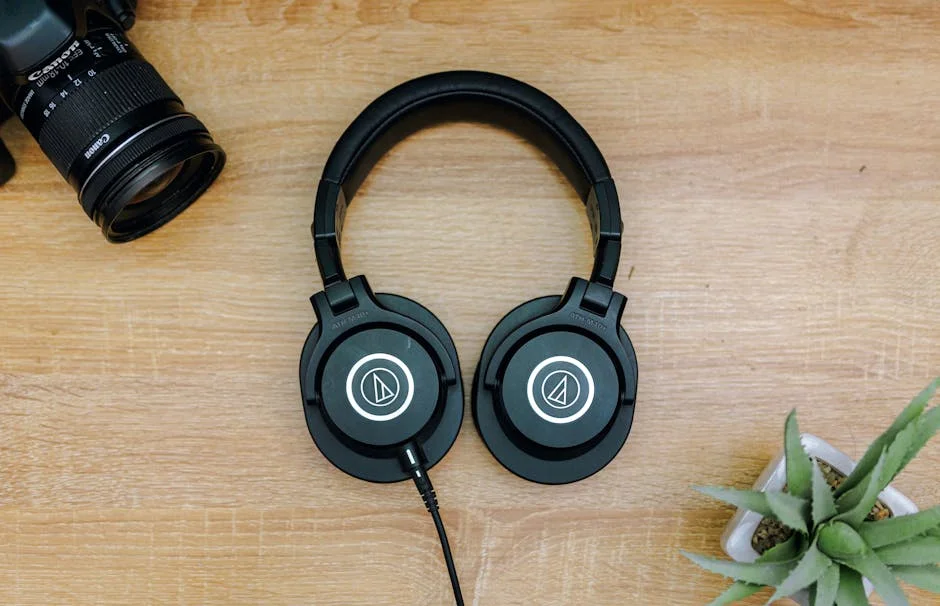
If burn-in is on your mind, it’s usually because you’ve just acquired a new headphone and you want to evaluate it properly. That evaluation depends on having a source chain that doesn’t introduce its own variables.
Budget Portable Sources: The DAP Case
The conversation about dedicated digital audio players (DAPs) often starts with value. The HiBy R3 Pro Saber is the best current example of what budget DAPs can deliver: a 4.4mm balanced output, an ESS ES9219C DAC chip, and streaming app support, all in a pocketable form factor. The 4.4mm balanced output is the headline feature at this price band, as balanced output on portable gear has historically been a premium-tier feature.
The limitation reported across multiple user reviews is the touch interface. The screen is small, and the interface responsiveness is below what you’d expect from a smartphone. For headphone evaluation purposes though, consistent signal quality matters more than UI polish.
Check current price on Amazon.
Mid-Tier DAP: Still Relevant?
The FiiO X5 Mark III represents an earlier generation of dedicated DAP design: dual AK4490 DAC chips, balanced 2.5mm output, and Android 5.1 as the operating system.
The limitation is the Android version. Android 5.1 cannot run current versions of Spotify, Tidal, or Qobuz, which limits the X5 III to local file playback in practice. For anyone relying on streaming apps, this is a real constraint, and the X5 III is better suited to local playback at a reduced used-market price than as a streaming-capable DAP.
Premium DAP: When Streaming and Performance Align
The FiiO M11 Plus ESS addresses the primary weakness of older DAPs by running Android 10, which supports current streaming apps including Qobuz, Tidal, and Spotify. It uses the ESS Sabre ES9068AS chip, and FiiO’s specifications list a 4.4mm balanced output with power headroom for demanding headphones.
The form factor as a real consideration: this is a large device, closer in footprint to a small tablet than a phone. The M11 Plus ESS represents one of the cleaner implementations of the DAP-as-portable-stack concept.
Premium Portable DAC/Amp: Bluetooth and Wired Combined
The iFi xDSD Gryphon takes a different approach: rather than being a standalone player, it’s a portable DAC and amplifier designed to pair with a phone or computer over Bluetooth or USB. The aptX Adaptive codec support is the headline wireless feature, delivering near-lossless wireless audio quality when paired with a compatible source device.
This is a device for the audiophile who wants to understand how their headphone actually sounds, not one shaped by filters.
Check current price on Amazon.
Premium Portable DAC: The FPGA Approach
The Chord Mojo 2 is technically the most unusual device in this category. Rather than using an off-the-shelf DAC chip, Chord implements their WTA (Watts Transient Aligned) filter on a custom FPGA, which the company argues produces more accurate time-domain reconstruction than conventional chip-based DAC designs.
Published measurements show strong performance regardless of how one interprets Chord’s theoretical claims. For anyone interested in FPGA DAC implementations as a subject in themselves, the Mojo 2 is an accessible entry point. The first-generation Mojo is also sold secondhand at a significant discount for those who want the Chord approach without the premium outlay.
Check current price on Amazon.
Budget Wireless: Codec Quality Without the Premium Price
The EarFun Free Pro 3 is worth including here as a data point in the codec quality conversation. Its frequency response is designed to be accurate for a budget-tier TWS IEM, and its Qualcomm aptX Adaptive implementation offers wireless audio quality above what most budget TWS products provide.
For the purpose of evaluating burn-in or simply listening critically on a budget, the Free Pro 3 gives you a reference-class wireless signal path at budget pricing. Occasional TWS connection reliability issues are noted, worth knowing before purchasing.
Premium Wireless ANC: The Current Benchmark
The Sony WF-1000XM5 is the current standard against which most premium TWS earbuds are measured for noise cancellation.
LDAC is the relevant audio quality story here. At its highest bitrate setting with a compatible Android device, LDAC delivers a signal quality that gets meaningfully closer to wired than most Bluetooth codecs. The XM4 and XM3 generations are available secondhand at meaningful discounts for buyers who prioritize ANC performance over the latest generation.
Check current price on Amazon.
Ecosystem Integration: The Apple Case
The Apple AirPods Pro 2 sits in a different category from pure audio quality products. The ANC performance is class-leading within Apple’s ecosystem, the Adaptive Transparency mode has received consistent praise, and Personalized Spatial Audio is genuinely useful for Apple users who consume spatial content.
The limitation for audiophile evaluation is the AAC codec ceiling. AAC is a perfectly competent codec, but it imposes a bitrate ceiling that makes the AirPods Pro 2 a less accurate evaluation tool than LDAC or aptX Adaptive devices. For Apple ecosystem users who want the best integrated wireless experience, the recommendation stands. For cross-platform audiophiles focused on signal fidelity, the codec constraint matters.
Check current price on Amazon.
Putting It Together
The burn-in question is ultimately a question about how much you trust subjective impressions over measurement data, and how comfortable you are with uncertainty. Physical driver changes are probably real in some cases, probably small in most cases, and probably less audible than perceptual adaptation in nearly all cases.
What suggest: use your headphones normally, give them 50 or so hours of regular listening before making strong conclusions, and invest your mental energy in controlling the variables you can actually measure. Source chain consistency matters more than burn-in ritual. A well-measured DAC and amplifier pairing gives you a stable baseline for evaluation in a way that 200 hours of pink noise simply doesn’t.
For more foundational guidance across the hobby, the Audiophile Basics hub at /learn/ covers everything from DAC selection to headphone pairing in one place.
Frequently Asked Questions
Does headphone burn-in actually change the sound?
The evidence is mixed. Published controlled measurements generally show very small frequency response changes after extended burn-in periods, often within measurement error margins. Physical changes in dynamic driver headphone surrounds are plausible, but audibility is difficult to confirm reliably. Perceptual adaptation is a well-documented phenomenon that likely accounts for much of what listeners describe as burn-in effects over time.
How many hours of burn-in do headphones need?
Claims requiring 300 to 500 hours are not supported by measurement data and should be treated skeptically. Normal listening at reasonable volumes is sufficient if physical break-in does anything meaningful at all.
Does burn-in matter more for planar magnetic headphones than dynamic drivers?
However, source chain dependency in planars is often misread as burn-in behavior. A planar magnetic driven from an inadequate source and later heard through a proper amp will sound different for reasons unrelated to driver break-in.
Should I use pink noise, white noise, or music for burn-in?
Music at moderate listening levels is the most practical choice. There is no measurement evidence that specialized burn-in tracks or signal types produce better or faster results than normal listening. High-level signal sweeps carry some risk of driver damage if levels are miscalculated. Normal listening volume across varied program material is mechanically sufficient for any physical break-in effect that may occur.
Does burn-in apply to IEMs the same way it applies to over-ear headphones?
For IEMs using balanced armature drivers, the case for burn-in is especially weak. The moving mass is very small, suspension is minimal, and there is little mechanical reason to expect significant physical change. Dynamic driver IEMs have a slightly stronger theoretical case, similar to full-size dynamic driver headphones, but the same measurement caveats apply. Perceptual adaptation is the more likely explanation for subjective sound changes in IEMs over time.
Where to Buy
- iFi Audio iFi xDSD Gryphon Portable Bluetooth DAC/AmplifierSee price on Amazon
- Chord Electronics Chord Mojo 2 Portable DAC/AmpSee price on Amazon
- Sony WF-1000XM5 True Wireless Noise Canceling EarbudsSee price on Amazon
- Apple AirPods Pro 2nd Generation with MagSafe CaseSee price on Amazon
- HiBy R3 Pro Saber Portable Music PlayerSee price on Amazon