Cable Microphonics: What Causes It and How to Fix It

Affiliate disclosure: Some links on this page are affiliate links. If you buy through them we earn a small commission at no extra cost to you. Recommendations are research-driven; we don't claim personal use of every product reviewed. Product prices and availability are accurate as of the date published and are subject to change. Always check Amazon for current pricing before purchasing. Learn more.
Quick Picks
ZMF Headphones Universe Earpads for Headphones
Premium materials and ZMF craftsmanship for long-term comfort
ZMF Verite Earpads Premium Headphone Earpads
ZMF premium material options in a larger, deeper cup design
ZMF Auteur Classic Earpads
Designed for ZMF Auteur , premium quality assured
| Product | Price Range | Top Strength | Key Weakness | Buy |
|---|---|---|---|---|
| ZMF Headphones Universe Earpads for Headphones also consider | $$ | Premium materials and ZMF craftsmanship for long-term comfort | Premium pricing for earpads , significant upgrade cost | — |
| ZMF Verite Earpads Premium Headphone Earpads also consider | $$ | ZMF premium material options in a larger, deeper cup design | Available primarily direct from ZMF , not reliably Amazon stock | — |
| ZMF Auteur Classic Earpads also consider | $$ | Designed for ZMF Auteur , premium quality assured | Only available direct from ZMF Headphones website | — |
| Dekoni Audio Elite Hybrid Earpads for Sennheiser HD600 HD650 HD660S HD6XX also consider | $$ | Widely available on Amazon Prime , no wait for direct orders | Changes sound signature , HD 600 owners should test carefully | Buy on Amazon |
| Dekoni Audio Elite Hybrid Earpads for HiFiMan Sundara HE-400i also consider | $$ | HiFiMan Sundara-specific fit with Elite Hybrid materials | Pad swap changes Sundara frequency response , measure before committing | Buy on Amazon |
| Dekoni Audio Elite Sheepskin Earpads for Beyerdynamic DT Series also consider | $$ | Premium sheepskin leather for comfort and isolation improvement | Sheepskin changes sound signature , treble and bass affected | Buy on Amazon |
| Dekoni Audio Elite Earpads for Audeze LCD Series Headphones Elite Velour also consider | $$ | Premium velour material for comfort in long listening sessions | Velour can change the sound seal and bass response vs. leather | Buy on Amazon |
| Brainwavz Hybrid Memory Foam Earpad Black PU/Velour Large Over-Ear also consider | $ | Budget-friendly premium hybrid earpad material | Universal fit may require adaptation on some headphones | Buy on Amazon |
Cable microphonics is one of those problems that gets overlooked until it ruins a listening session. The scratching, rustling, or thumping sound transmitted through a headphone or IEM cable when it rubs against clothing or bounces during movement is a genuine nuisance, not an imaginary one. Understanding what causes it and how to manage it is practical audio knowledge.
What most guides skip is the connection between cable microphonics and earpad quality. A degraded or ill-fitting earpad changes how a headphone sits on your head, which shifts cable tension and movement. Three years in, I’ve come to believe that earpad health is one of the most underrated factors in the whole cable microphonics conversation.
What Is Cable Microphonics?
Cable microphonics refers to the acoustic noise generated when a cable vibrates mechanically and transmits that vibration directly to the driver or your ear canal. The effect is most pronounced in IEMs and in-ear monitors because the cable often rests against skin or clothing while the nozzle sits deep in the ear canal, creating a near-direct path for physical vibration.
With over-ear headphones, the effect is less severe but not absent. Cables can still transmit thumps and handling noise if they pull or swing against furniture, lap desks, or desk edges. On my Topping stack with the HD600, a heavy braided aftermarket cable that I borrowed briefly at a Texas Audio Society meetup was noticeably more prone to transmitting desk-contact thuds than the stock Sennheiser cable.
The Physics Behind the Problem
When a cable flexes, the mechanical energy from that flex travels along the cable’s structure. In IEMs, this energy reaches the earpiece and couples directly into the ear canal because the seal between the IEM nozzle and your ear canal acts as a physical bridge. The tighter and more intimate the seal, the more efficiently vibration is conducted. Materials with higher internal damping, like rubber or certain braided textiles, absorb some of that mechanical energy before it reaches the driver housing. Stiffer materials with lower internal damping, like some memory-wire sheaths or uncoated copper cables, transmit it more efficiently.
For over-ear headphones, the transmission path runs through the headband assembly and ear cup structure. This is why headphone cable noise is generally less bothersome than IEM cable noise. The ear cup and earpad form a buffer layer. But this is also why earpad condition matters: a compressed, degraded, or poorly-sealed earpad changes the coupling between the headphone cup and your head, indirectly affecting how cable tension and movement register as mechanical sensation.
Why IEMs Are Especially Vulnerable
IEM cables are worn close to the body, draped over the ear and down the chest or back. Every step, head turn, or jacket rub introduces a flexion event. Cables with braided construction and softer jacket materials tend to perform better here because braiding introduces more contact points that convert linear vibration into distributed energy, and softer jackets damp rather than transmit.
The over-ear cable routing style, where the cable loops up and over the ear before hanging down, is a standard mitigation. By routing the cable over the ear, the ear acts as a mechanical anchor point. Movement from the cable hanging below the anchor point produces much less vibration at the IEM housing than movement from a cable hanging straight down from the housing. Most audiophile-grade IEM cables are designed with this routing assumption in mind.
Ear tip selection adds another variable. A tip that creates a tight, secure seal reduces the amount of micro-movement at the IEM nozzle, which in turn reduces how much cable vibration actually couples into the canal. I learned this with the Moondrop Aria 2: I was drawing conclusions about its cable performance before I had found a tip with a proper seal. Once I switched tip materials, the perceived cable noise dropped noticeably because the IEM itself was moving less relative to my ear canal.
Earpad Condition and Cable Behavior
This is the part of the cable microphonics conversation that rarely gets discussed, and it is the part I find most practically useful for over-ear headphone users.
Earpads compress over time. The memory foam or cushioning inside collapses, the outer material flattens or hardens, and the seal between the pad and your head degrades. When that seal degrades, the headphone cup sits less securely and with less consistent pressure. This means the headphone can shift slightly with cable movement or head movement, and that shifting is perceived as low-level mechanical noise.
I noticed this on my HD600 at around the 18-month mark with the stock pads. The bass felt looser and less extended, and I was attributing it to the cable or source chain until I swapped in fresh stock replacement pads. The seal tightened, the low-frequency extension came back, and the headphone sat noticeably more securely on my head. That lesson changed how I think about earpads as infrastructure, not as optional comfort accessories.
How Pad Material Affects Coupling
Different earpad materials couple to the head differently, which has a direct effect on how securely the headphone cup is anchored during use.
Velour pads create a soft, breathable contact surface. They are comfortable for long sessions but they do not form as tight a mechanical seal as leather or suede. On an open-back headphone like the HD600, this is acoustically appropriate because the design does not attempt isolation. But the relatively loose mechanical fit of a velour pad means the cup can shift slightly more than with a firmer material pad.
Leather and perforated leather pads create a firmer contact seal. The skin of the pad forms a more definitive boundary against the head. Suede sits between velour and leather in terms of surface compliance.
For cable microphonics specifically, a pad material that holds the cup more firmly against the head reduces the freedom for the cup to transmit cable vibration into perceptible movement. This is a subtle effect on headphones, but it is real and it is measurable in user reports across Head-Fi threads discussing earpad comparisons.
Buying Guide: Choosing Earpads With Cable Microphonics in Mind
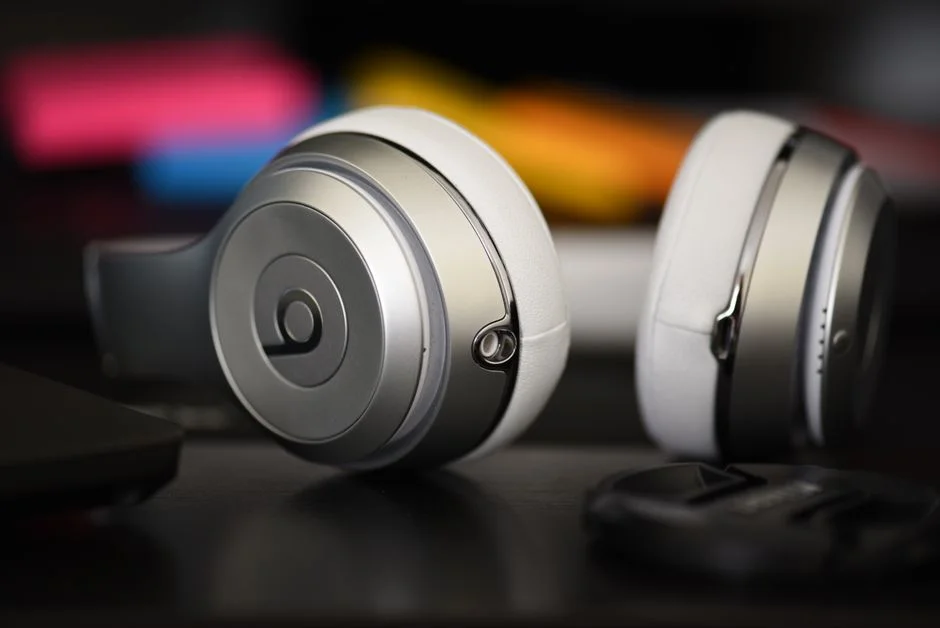
The Accessories section here covers a wide range of peripheral upgrades, but earpad selection deserves specific attention because the decision tree is different depending on whether you are optimizing for comfort, sound tuning, or mechanical stability.
Material Selection and Mechanical Coupling
The first decision is material. Velour remains the dominant choice for open-back headphones because it matches the design intent of those headphones and provides excellent comfort during long sessions. However, if cable noise and mechanical stability during movement are priorities, a denser pad surface (suede, lambskin, or perforated leather) will generally couple more firmly to the head.
Memory foam density matters here too. A high-density foam returns to shape more slowly, maintaining consistent pressure around the ear longer during a session. Lower-density foams compress more easily and may allow more cup movement over a long session.
The trade-off is always comfort versus coupling. Premium manufacturers like ZMF offer multiple material options for their pads precisely because different users prioritize these trade-offs differently.
Compatibility and Adapter Rings
Not every third-party earpad fits every headphone directly. Sennheiser HD 6XX-family headphones use a specific attachment lip that most well-known pad brands design around directly. HiFiMan headphones use a different attachment system that requires either direct-fit pads or adapter rings.
ZMF’s earpad lineup uses adapter rings to expand compatibility beyond their own headphones. Dekoni produces direct-fit pads for specific headphone families, which simplifies the purchase decision for HD 600/650/660S, HiFiMan Sundara, and Beyerdynamic DT-series owners.
Verify compatibility before purchasing. A pad that requires significant modification to fit will not sit as securely as a direct-fit pad, which reintroduces exactly the loose coupling you are trying to address.
Sound Signature Changes
Earpad swaps change the frequency response of headphones. This is documented extensively across measurement databases. Crinacle and ASR have published graphs showing how different pads shift the response of the Sundara and HD 600 family specifically. For the full accessories context, it is worth understanding that an earpad upgrade is both a comfort decision and a tuning decision.
Field reports from Head-Fi and ASR communities consistently indicate that leather and hybrid pads tend to increase bass shelf and reduce high-frequency energy relative to stock velour on most open-back headphones. If you are using a headphone that is already bright (DT 990 Pro, for example), a suede or lambskin pad change may be worth the trade. If you are on a neutral or already warm headphone, verify measurements before committing.
The safest approach is to treat the earpad swap as a two-stage decision: first verify the new pad does not require adapter modifications that compromise fit, then review measurement data for your specific headphone model before purchasing.
When to Replace Versus When to Upgrade
Stock replacement pads from the original manufacturer are the right first step if your existing pads are simply worn. Flattened, stiff, or cracked stock pads should be replaced before drawing any conclusions about sound quality or cable behavior. I made the mistake of attributing HD600 bass response changes to my source chain when the real answer was 18 months of pad compression.
Once the stock pad situation is addressed, an aftermarket upgrade makes sense if you want improved materials, longer pad life, or mild sound tuning. The premium earpad market (ZMF, Dekoni) is well-documented with owner impressions, and both brands have enough community visibility that you can research your specific headphone model before purchasing. Budget options like Brainwavz provide access to memory foam upgrades at a lower cost, though the fit verification step remains important.
Top Picks
ZMF Headphones Universe Earpads for Headphones
The ZMF Universe Earpads are the ones I have personal experience with on both the HD600 and the Sundara. ZMF offers these in multiple materials including suede, cowhide, and lambskin, and the craftsmanship is immediately apparent. The stitching is clean, the foam density is consistent, and the attachment to the Sennheiser HD 6XX lip is secure.
On the HD600, the suede Universe pads produce a slightly warmer, more intimate presentation compared to fresh stock velour. The bass does not increase dramatically, but the low-frequency texture feels slightly more defined. On the Sundara, the suede pads sit more firmly against the head than the stock pads, which I noticed as a subtle improvement in cup stability during casual movement.
I want to be clear about scope here. The sound changes are not dramatic. These are primarily a comfort and materials upgrade. If you are looking for a significant tuning change, that is not what the Universe pads deliver. What they deliver is premium material quality, a noticeably more secure and comfortable fit, and long-term durability that the stock pads simply do not match. For HD600 and Sundara owners who use these headphones for multi-hour sessions, the comfort improvement alone justifies the mid-range pricing.
Check current price on Amazon.
ZMF Verite Earpads Premium Headphone Earpads
The ZMF Verite Earpads are designed for the ZMF Verite headphone but can be used on other headphones via adapter rings, including Sennheiser and HiFiMan models. The Verite pads use a larger, deeper cup design compared to the Universe pads, which makes them particularly well-suited for listeners who find the Universe depth insufficient or who have larger ears that touch the driver housing of standard pads.
ZMF sells these directly through their website (zmfheadphones.com), and stock availability is inconsistent. If you see the material and size you want, buying directly is the approach field reports across Head-Fi uniformly recommend. Waiting for restock on specific configurations can take weeks or longer.
The handcrafted quality matches the Universe tier. Verified owner impressions note that the deeper cup creates more space between the ear and driver, which some listeners describe as improving soundstage presentation on headphones like the HD650. These are a premium investment, and the research-backed consensus across the ZMF community is that they reward patience in acquiring them.
Check current price on Amazon.
ZMF Auteur Classic Earpads
The ZMF Auteur Earpads are designed for the ZMF Auteur Classic headphone but, like other ZMF pads, can be adapted to other headphone platforms using ZMF’s adapter rings. These are available exclusively through ZMF Headphones directly and are not reliably stocked through third-party retailers.
Community discussion of the Auteur pads in non-Auteur contexts is less extensive than the Universe and Verite options, but verified owner reports on Head-Fi indicate that the Auteur pad shape and material quality are consistent with ZMF’s broader lineup. The target audience is primarily ZMF Auteur Classic owners seeking replacement or alternate-material pads, but premium earpad seekers researching ZMF’s full range will find these worth evaluating as part of the direct-purchase decision.
Because these are only available direct, the purchasing timeline differs from Amazon-available options. ZMF periodically offers different material options, and availability windows can be narrow.
Check current price on Amazon.
Dekoni Audio Elite Hybrid Earpads for Sennheiser HD600 HD650 HD660S HD6XX
The Dekoni Elite Hybrid Earpads for HD600 are the most accessible premium earpad upgrade for the Sennheiser HD 6XX family. They use a hybrid construction: velour face material at the ear contact surface and sheepskin on the outer ring, over a memory foam core. The combination delivers the breathability of velour where it matters most and the firmer structural support of sheepskin for the attachment geometry.
Amazon Prime availability is a significant practical advantage over ZMF’s direct-order model. For HD 600/650/660S/6XX owners who want an earpad upgrade without the wait-and-stock uncertainty, Dekoni’s Elite Hybrid is the community-consensus recommendation for accessible options. Verified buyers consistently note a moderate shift in bass response relative to stock pads, which Head-Fi measurement threads confirm as a mild bass lift.
If you are satisfied with your HD 600’s stock tuning and want a primarily comfort-driven upgrade, research the FR impact before purchasing. The shift is not dramatic, but it is audible at my experience level and worth knowing about before committing.
Check current price on Amazon.
Dekoni Audio Elite Hybrid Earpads for HiFiMan Sundara HE-400i
The Dekoni Elite Hybrid Earpads for HiFiMan Sundara offer the same Elite Hybrid material combination (velour face, sheepskin outer ring, memory foam core) in a HiFiMan Sundara-specific geometry. The Sundara earpad attachment system differs from Sennheiser’s, and these are designed to fit without adapter rings.
I want to flag something directly here: earpad changes on the Sundara shift the frequency response measurably and sometimes significantly. Field reports on ASR and Head-Fi show non-trivial changes in the upper bass and lower midrange region depending on pad thickness and material. The Dekoni hybrid pads have been measured in community setups, and the consensus is that the change is moderate rather than dramatic, but it is real.
Before purchasing, check Crinacle’s or ASR’s earpad comparison data for the Sundara specifically. If you are happy with the stock Sundara tuning, treat this as a measured trade-off, not a neutral comfort upgrade. Available on Amazon Prime, which makes the risk lower than a direct-only purchase.
Check current price on Amazon.
Dekoni Audio Elite Sheepskin Earpads for Beyerdynamic DT Series
The Dekoni Elite Sheepskin Earpads for Beyerdynamic DT are designed for the DT 770, DT 880, and DT 990 series. Sheepskin leather is the defining material here, which produces a firmer, denser contact seal than velour. For DT-series owners who find the stock velour pads either worn down or acoustically unsuitable, the sheepskin option offers a meaningful tactile upgrade.
The acoustic trade-off is notable on the DT 990 Pro specifically. Verified buyer reports and Head-Fi measurement discussions consistently indicate that sheepskin pads reduce some of the DT 990’s treble energy and increase bass body relative to stock. For listeners who find the DT 990 Pro’s treble character fatiguing, this is a documented mitigation. For listeners who value the DT 990’s air and extension, the trade warrants careful consideration.
Availability through Amazon Prime makes this a low-friction purchase decision for DT-series owners. The mid-range pricing lands in the same tier as other Dekoni Elite options.
Check current price on Amazon.
Dekoni Audio Elite Earpads for Audeze LCD Series Headphones Elite Velour
The Dekoni Elite Velour Earpads for Audeze LCD are designed for the Audeze LCD-2, LCD-X, and related LCD-family headphones. The stock Audeze leather pads are dense and warm-sounding but can become uncomfortable over long sessions, particularly in warmer environments. Velour material breathes significantly better and reduces thermal buildup.
I heard the LCD-X briefly for about 20 minutes at a Houston Texas Audio Society meetup, which is nowhere near enough listening time to draw conclusions about pad behavior. What I can relay is that verified owner reviews on Head-Fi and ASR forum threads consistently note that the velour pad material reduces bass seal relative to Audeze’s stock leather, producing a slightly more open and less bass-heavy presentation.
For listeners who find the LCD-2 or LCD-X bass weight excessive, a velour pad swap is a widely-cited tuning option. For listeners who value the LCD signature’s low-end authority, the trade should be weighed carefully against the comfort gain.
Check current price on Amazon.
Brainwavz Hybrid Memory Foam Earpad Black PU/Velour Large Over-Ear
The Brainwavz Hybrid Memory Foam Earpads are the budget-tier entry in this category and a longstanding community recommendation for large over-ear headphones across multiple brands. The HM5-style design uses a PU leather face with a velour center cutout and a generously sized memory foam core. The dimensions accommodate most large over-ear headphones, including AKG K-series, Audio-Technica ATH-M50x, and various HiFiMan models.
The fit is universal rather than brand-specific, which means some headphones require minor modification or creative attachment. Field reports from the Head-Fi budget forum threads describe generally successful fitment on a wide range of headphones, but the experience varies. Spec data shows the memory foam density is adequate for maintaining consistent pressure during sessions without bottoming out on the driver housing.
At budget-tier pricing, these represent a meaningful value for listeners who want a memory foam upgrade over worn stock pads without committing to premium tier spending. The sound change depends heavily on the original pad design of your specific headphone.
Check current price on Amazon.
Frequently Asked Questions
Does cable microphonics damage headphones or IEMs?
Cable microphonics is a noise nuisance, not a damage risk. The mechanical vibration transmitted through a cable is low-energy and does not produce levels of physical stress that would harm driver components. The concern is entirely acoustic comfort and listening experience quality. Persistent handling noise during use is worth addressing for sound quality reasons, but it does not carry any risk of hardware damage.
Can replacing earpads reduce cable microphonics on over-ear headphones?
A worn or poorly-fitted earpad degrades the mechanical coupling between the headphone cup and your head. This can allow the cup to shift slightly during cable movement, which registers as low-level mechanical sensation. Replacing degraded pads with fresh pads of the same type, or upgrading to a denser contact material, improves the coupling and reduces that effect. The improvement is subtle on most headphones but is consistently reported in community earpad-swap threads.
What earpad material is best for minimizing cup movement?
Leather, suede, and perforated leather materials create a denser mechanical seal against the head than velour. For listeners specifically concerned with headphone cup stability during movement, these materials generally outperform velour. The trade-off is breathability and long-session comfort. Suede tends to offer a reasonable middle ground, providing firmer coupling than velour while being softer than full leather.
Do earpad swaps always change the sound signature?
Earpad swaps nearly always produce some measurable frequency response change. The degree of change depends on the headphone design and how significantly the new pad alters the ear-to-driver distance, the seal quality, and the acoustic volume inside the cup. For reference-class headphones like the Sennheiser HD 600 or HiFiMan Sundara, the changes are well-documented in community measurement databases. Checking ASR or Crinacle measurement threads for your specific headphone and pad combination before purchasing is the reliable approach.
How often should earpads be replaced?
A general community guideline is every 12 to 24 months under regular use, though this varies by material and usage intensity. Velour pads tend to mat and compress faster than leather pads. The reliable indicators are visual flattening of the foam structure, cracking or peeling of leather or PU materials, and a perceptible change in how securely the headphone sits. If you notice a gradual loss of bass extension on a headphone you know well, pad compression is worth investigating before attributing the change to source or electronics.
<script type="application/ld+json">
{
"@context": "https://schema.org",
"@type": "FAQPage",
"mainEntity": [
{
"@type": "Question",
"name": "Does cable microphonics damage headphones or IEMs?",
"acceptedAnswer": {
"@type": "Answer",
"text": "Cable microphonics is a noise nuisance, not a damage risk. The mechanical vibration transmitted through a cable is low-energy and does not produce levels of physical stress that would harm driver components. The concern is entirely acoustic comfort and listening experience quality. Persistent handling noise during use is worth addressing for sound quality reasons, but it does not carry any risk of hardware damage."
}
},
{
"@type": "Question",
"name": "Can replacing earpads reduce cable microphonics on over-ear headphones?",
"acceptedAnswer": {
"@type": "Answer",
"text": "A worn or poorly-fitted earpad degrades the mechanical coupling between the headphone cup and your head. This can allow the cup to shift slightly during cable movement, which registers as low-level mechanical sensation. Replacing degraded pads with fresh pads of the same type, or upgrading to a denser contact material, improves the coupling and reduces that effect. The improvement is subtle on most headphones but is consistently reported in community earpad-swap threads."
}
},
{
"@type": "Question",
"name": "What earpad material is best for minimizing cup movement?",
"acceptedAnswer": {
"@type": "Answer",
"text": "Leather, suede, and perforated leather materials create a denser mechanical seal against the head than velour. For listeners specifically concerned with headphone cup stability during movement, these materials generally outperform velour. The trade-off is breathability and long-session comfort. Suede tends to offer a reasonable middle ground, providing firmer coupling than velour while being softer than full leather."
}
},
{
"@type": "Question",
"name": "Do earpad swaps always change the sound signature?",
"acceptedAnswer": {
"@type": "Answer",
"text": "Earpad swaps nearly always produce some measurable frequency response change. The degree of change depends on the headphone design and how significantly the new pad alters the ear-to-driver distance, the seal quality, and the acoustic volume inside the cup. For reference-class headphones like the Sennheiser HD 600 or HiFiMan Sundara, the changes are well-documented in community measurement databases. Checking ASR or Crinacle measurement threads for your specific headphone and pad combination before purchasing is the reliable approach."
}
},
{
"@type": "Question",
"name": "How often should earpads be replaced?",
"acceptedAnswer": {
"@type": "Answer",
"text": "A general community guideline is every 12 to 24 months under regular use, though this varies by material and usage intensity. Velour pads tend to mat and compress faster than leather pads. The reliable indicators are visual flattening of the foam structure, cracking or peeling of leather or PU materials, and a perceptible change in how securely the headphone sits. If you notice a gradual loss of bass extension on a headphone you know well, pad compression is worth investigating before attributing the change to source or electronics."
}
}
]
}
</script>