IEMs vs Open Back Headphones: Key Differences Explained

Affiliate disclosure: Some links on this page are affiliate links. If you buy through them we earn a small commission at no extra cost to you. Recommendations are research-driven; we don't claim personal use of every product reviewed. Product prices and availability are accurate as of the date published and are subject to change. Always check Amazon for current pricing before purchasing. Learn more.

| Product | Price Range | Top Strength | Key Weakness | Buy |
|---|---|---|---|---|
| Sennheiser HD 600 Open-Back Audiophile Headphones also consider | $$ | Neutral-warm tuning suited to critical listening | Requires a decent amp to perform at its best | Buy on Amazon |
| Sennheiser Consumer Audio HD 650 Audiophile Hi-Res Open Back Headphone also consider | $$ | Warm, musical tuning ideal for long listening sessions | 300Ω impedance requires a capable headphone amplifier | Buy on Amazon |
| Sennheiser HD 660S2 Audiophile Open-Back Over Ear Headphones also consider | $$ | Extended bass response compared to HD 600/650 family | Diverges from classic Sennheiser neutral tuning, polarizing for purists | Buy on Amazon |
| Sennheiser HD 800 S Over-the-Ear Audiophile Reference Headphones also consider | $$$ | Extraordinary soundstage width and imaging precision | Very bright treble can cause fatigue, source-dependent | Buy on Amazon |
| HIFIMAN SUNDARA Hi-Fi Headphone Planar Magnetic 2020 Version also consider | $$ | Outstanding planar magnetic imaging and detail at its price | Needs proper amplification, underpowered sources sound thin | Buy on Amazon |
IEMs and open-back headphones solve different problems. One seals sound into your ears wherever you are; the other opens up your listening room to the world.
Both formats have strengths that the other can’t replicate. Understanding what separates them, practically and sonically, is the starting point for building a collection that doesn’t leave you with gear you rarely reach for. For a broader look at both categories together, the Headphones hub is the best place to start.
What Makes Open-Back Headphones Different
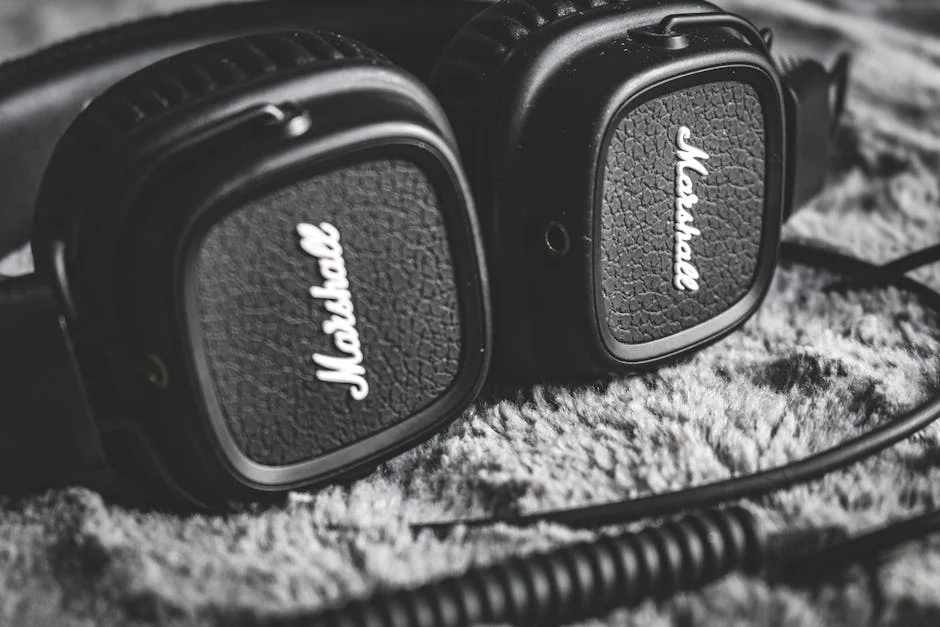
Open-back headphones have grilles or perforated housings on the outer ear cups instead of sealed backs. That open design lets air move freely through the driver, which changes the acoustic behavior of the headphone in meaningful ways.
The most immediate difference is soundstage. Because there’s no pressure buildup behind the driver, open-backs tend to produce a wider, more natural-sounding stereo image, with sound that feels like it has space around it rather than being projected directly inside your skull. For critical listening, that quality is hard to replicate with a closed design.
The trade-off is obvious: open-backs leak sound in both directions. You can hear the room, and people near you can hear your music. That makes them impractical for commuting, shared offices, or anywhere you need acoustic isolation.
What Makes IEMs Different
In-ear monitors sit in your ear canal and, with a proper seal, provide meaningful passive isolation from ambient noise. That isolation changes the listening experience fundamentally. You’re removed from the room, which helps with focus in noisy environments but also changes how soundstage is perceived.
IEMs image differently from open-back headphones. The image is usually narrower and more “in-head,” though well-tuned IEMs can produce precise lateral separation. The physical proximity of the driver to the eardrum also means small tuning decisions have large audible consequences, which is part of why IEM tuning is such an active topic.
Fit and comfort behave differently too. A well-fitting IEM becomes unobtrusive after a few minutes, but finding that fit requires matching ear tip size and shape to your anatomy. Open-back headphones spread their weight across the head and ears, which some listeners find more comfortable over long sessions.
IEMs vs Open Back Headphones: Practical Differences
Isolation and Use Cases
Open-backs are home listening gear. They shine in quiet rooms where you can hear the space around the music. IEMs are flexible, working equally well at a desk, on a train, or at a library.
If your listening happens in one dedicated spot and sound isolation from the outside world doesn’t matter, open-backs are worth strong consideration. If your listening is spread across locations, or if you share your living space and late-night sessions matter, IEMs cover ground that open-backs can’t.
Source Requirements
This is a real point of divergence that doesn’t always get enough attention. Open-back headphones, especially higher-impedance dynamic-driver designs like the Sennheiser HD 600/650 family, benefit from a proper headphone amplifier. Planar magnetic open-backs like the HiFiMan Sundara are even more source-dependent: driven from a source with insufficient current delivery, they can sound thin and dynamically compressed in ways that aren’t obvious until compared against a proper stack.
IEMs are generally easier to drive. Most modern IEMs are designed for smartphone or portable DAP use and reach reference loudness from almost any source. Some high-sensitivity IEMs are actually worse from powerful amplifiers, because they pick up hiss that a low-noise portable source would not show.
Long-Session Comfort
Open-backs spread clamping force and driver pressure across a larger surface, and many listeners find them more comfortable for multi-hour sessions. IEMs require a seal, and depending on tip material and ear canal shape, that seal can become noticeable during long sessions. Personal fit variation is large enough that neither format is universally more comfortable.
Tuning and Sound Signature Access
The tuning landscape for both formats is wide. Budget open-backs skew toward neutral-to-bright or neutral-to-warm depending on the manufacturer. The IEM market is arguably more diverse, with tunings ranging from V-shaped, bass-elevated consumer signatures to technically precise reference tunings.
If you have strong tuning preferences, published frequency-response measurements for both IEMs and headphones are available before you buy. Checking a purchase against measurements doesn’t replace listening, but it removes surprises.
Top Picks
Sennheiser HD 560S
The Sennheiser HD 560S is Sennheiser’s entry point into the open-back audiophile tier, with a flat, neutral frequency response for the price band and a modest bass roll-off below about 50Hz, which is typical for open-backs in this category.
The lower 120-ohm impedance is a practical advantage. The HD 560S drives acceptably from a laptop headphone output, which makes it more versatile than the 300-ohm HD 600 or HD 650 for buyers who don’t yet own a dedicated amp. The build is plastic and lighter than the premium Sennheiser models, which shows at this price tier. The trade-off in bass weight versus the HD 600 is worth knowing before committing.
Drop + Sennheiser HD 58X Jubilee
The Drop + Sennheiser HD 58X Jubilee brings a vintage HD 580 tuning back at a budget price band.
The physical shell compatibility with HD 600/650 accessories is a long-term benefit: if you eventually move to an HD 600, replacement earpads and cables carry over. Its tuning is generally described as slightly less refined than the HD 600 in upper-midrange precision. The Drop-exclusive distribution model also means stock can be intermittent.
Sennheiser HD 600
The Sennheiser HD 600 is a neutral-leaning, midrange-focused open-back and the reference point for the Sennheiser line.
Published measurements show a mildly warm tilt, a clean midrange and a slight treble roll-off. The 300-ohm impedance means a capable amp is needed for best performance. Pairing with a Schiit Magni or JDS Atom closes most of the gap between the HD 600’s potential and what laptop outputs can deliver. The replaceable cable and earpads mean the headphone can last a long time with basic maintenance.
Check current price on Amazon.
Sennheiser HD 650
The Sennheiser HD 650 is the warmer sibling of the HD 600, and the comparison between the two is one of the most common in the hobby. Published frequency-response data shows the HD 650 with slightly more bass weight and a rolled-off upper treble compared with the HD 600, which makes for a smoother, more forgiving presentation.
For critical monitoring or mixing reference, the HD 600’s slightly more extended top end is the usual preference. Both share the 300-ohm impedance and require proper amplification.
Check current price on Amazon.
Sennheiser HD 660S2
The Sennheiser HD 660S2 is a deliberate departure from the classic Sennheiser neutral-warm house sound. Its extended bass makes it a more modern-voiced headphone, closer to what listeners used to consumer headphones expect.
It ships with both a 4.4mm balanced cable and a 6.35mm unbalanced cable, which is a real value-add for buyers with balanced amplifiers. It is polarizing among listeners who prefer the classic HD 600/650 tuning: the HD 660S2 is measurably different, and some listeners feel that difference changes the midrange character that defines the Sennheiser line.
Check current price on Amazon.
HiFiMan Sundara
The HiFiMan Sundara is a planar magnetic open-back that is generally described as having strong imaging precision. It is more source-dependent than most dynamic-driver headphones: run underpowered, a planar can sound thinner than the same headphone fed from an amp with proper current delivery. Published measurements place it among the better-measuring headphones at its price tier. One practical note: HiFiMan’s quality control has varied over the years, so check for channel matching on arrival.
Check current price on Amazon.
Drop + Sennheiser HD 8XX
The Drop + Sennheiser HD 8XX is a Drop-exclusive flagship collaboration based on the HD 800S platform with modified tuning to reduce the original’s treble brightness.
It is commonly described as taming the HD 800S treble while preserving much of the soundstage width that distinguishes the platform. Whether the modification improves or compromises the HD 800S character is debated: some prefer the unmodified original’s precision, others the softer top end. As a Drop exclusive, stock availability varies.
Sennheiser HD 800 S
The Sennheiser HD 800 S is the reference-level, aspirational end of this open-back lineup.
Its ring radiator driver technology is associated with strong imaging precision, and premium amplification is not optional at this tier.
Check current price on Amazon.
Buying Guide: How to Choose Between IEMs and Open-Back Headphones
Start With Your Listening Environment
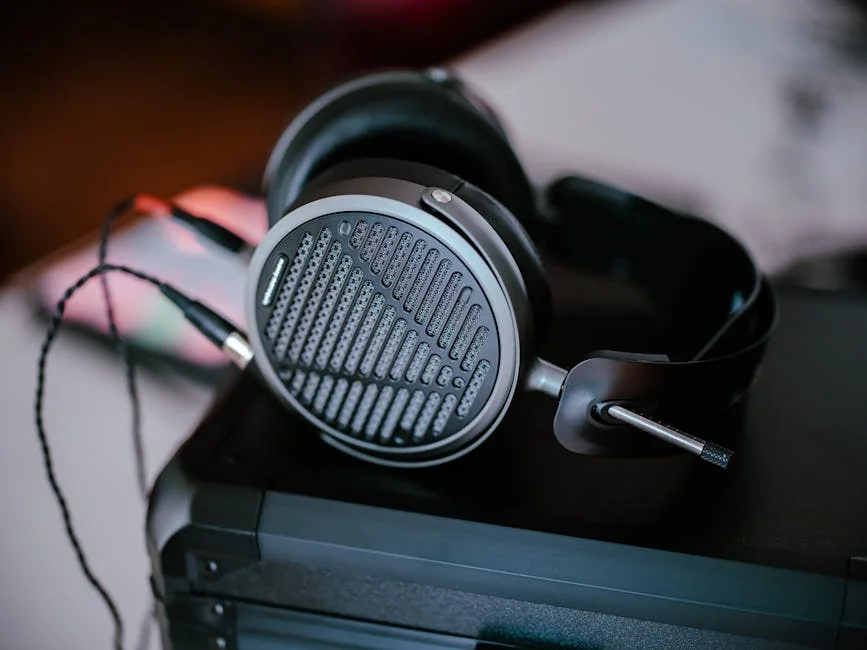
The single most important factor in this decision is where you actually listen. Open-back headphones belong in quiet, private spaces. Their acoustic design leaks sound into the room and brings the room into your listening, which is a feature in a dedicated listening chair and a dealbreaker on a commuter train.
IEMs are environment-agnostic in a way open-backs can’t be. If your best listening window is a 45-minute bus ride to work, an IEM serves that use case and an open-back won’t. Be honest about your primary listening location before spending anything: premium open-backs without a quiet space to use them are an expense that better gear doesn’t fix.
Match Your Source to the Format
Open-back headphones in the Sennheiser HD 600/650 tier require amplification that can handle high-impedance loads. Planar magnetic open-backs like the HiFiMan Sundara require current delivery that most portable sources can’t provide. Buying a premium open-back without budgeting for a proper DAC and amp stack leaves most of the headphone’s capability unused.
IEMs are generally more portable-source-friendly, and many are designed specifically for that use. If you’re building a desktop setup, the Headphones hub gives a broader look at pairing options across both formats. If you’re listening portably, IEMs remove the amplification question almost entirely for most modern designs.
Understand the Tuning Landscape
Both formats have wide tuning variety, and published measurements are available for both. Using frequency-response curves to filter options before buying doesn’t replace listening, but it avoids the expensive surprise of a headphone that measures the opposite of what you wanted.
The Sennheiser open-back lineup skews neutral-to-warm across most models, with the HD 660S2 as the modern exception, adding more bass weight. IEM tuning conventions vary much more widely, with U-shaped, bright reference and warm options at every price tier. Knowing your tuning preference going in narrows the field significantly.
Consider Long-Term Comfort and Maintenance
Open-back headphones distribute weight differently from IEMs, and for multi-hour sessions many listeners find the over-ear format easier to sustain. Ear tip selection for IEMs deserves more attention than it usually gets in buying decisions.
Maintainability matters at every price tier. The Sennheiser HD 600, HD 650 and HD 560S all ship with replaceable cables and earpads, which extends their usable lifespan well beyond sealed consumer headphones. Factor repairability into any premium purchase decision.
Budget Across the Full Chain, Not Just the Headphone
The headphone price is only part of the equation. A budget open-back paired with an entry-level amp and DAC combo will typically outperform a mid-tier headphone plugged into a laptop output.
For IEMs, the source cost is usually lower, but tip changes and cable management add up faster than expected. Budgeting across the full chain, including cables, tips and amplification where relevant, produces better results than spending the entire budget on the headphone and hoping the source keeps up.
Frequently Asked Questions
Can I use open-back headphones at work or in a shared space?
Open-back headphones leak sound in both directions. People near you will hear your music, and ambient office noise will bleed into your listening. For those situations, IEMs with proper tip seal or closed-back headphones are the realistic choice.
Do IEMs sound as good as open-back headphones?
The formats solve different problems, so direct quality comparisons are complicated. IEMs can match or exceed open-back headphones in resolution and tonal accuracy, but the soundstage presentation differs. Open-backs tend to produce wider, more natural-feeling stereo images due to their acoustic design.
Do I need an amplifier for open-back headphones?
It depends on the specific headphone. High-impedance designs like the Sennheiser HD 600 and HD 650 (both 300-ohm) perform noticeably better from a dedicated headphone amplifier than from a laptop or phone output. Planar magnetics like the HiFiMan Sundara are similarly source-dependent. The lower-impedance Sennheiser HD 560S and Drop HD 58X are more forgiving of modest sources but still benefit from clean amplification.
Are IEMs or open-back headphones better for long listening sessions?
Comfort is personal, and both formats have dedicated advocates for extended wear. Open-backs spread their clamping force across a larger area and many listeners find them easier to sustain for multi-hour sessions. IEMs require a consistent in-ear seal that some listeners find fatiguing over time. Ear tip material and fit matter significantly for IEM comfort.
Which format is better for commuting?
IEMs are the practical choice for commuting. Open-back headphones offer no isolation from external sound, meaning ambient train or traffic noise competes directly with your music. IEMs with a proper tip seal provide meaningful passive isolation that makes commute listening genuinely immersive. Closed-back headphones with active noise cancellation are also strong commuter options if over-ear comfort is preferred.
Where to Buy
- Sennheiser HD 600 Open-Back Audiophile HeadphonesSee price on Amazon
- Sennheiser Consumer Audio HD 650 Audiophile Hi-Res Open Back HeadphoneSee price on Amazon
- Sennheiser HD 660S2 Audiophile Open-Back Over Ear HeadphonesSee price on Amazon
- Sennheiser HD 800 S Over-the-Ear Audiophile Reference HeadphonesSee price on Amazon
- HIFIMAN SUNDARA Hi-Fi Headphone Planar Magnetic 2020 VersionSee price on Amazon