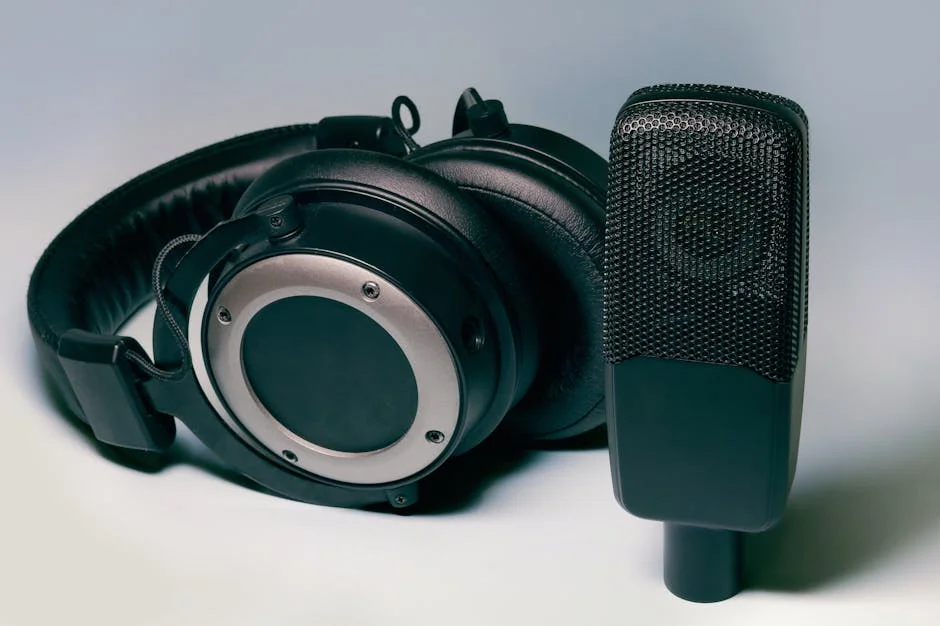
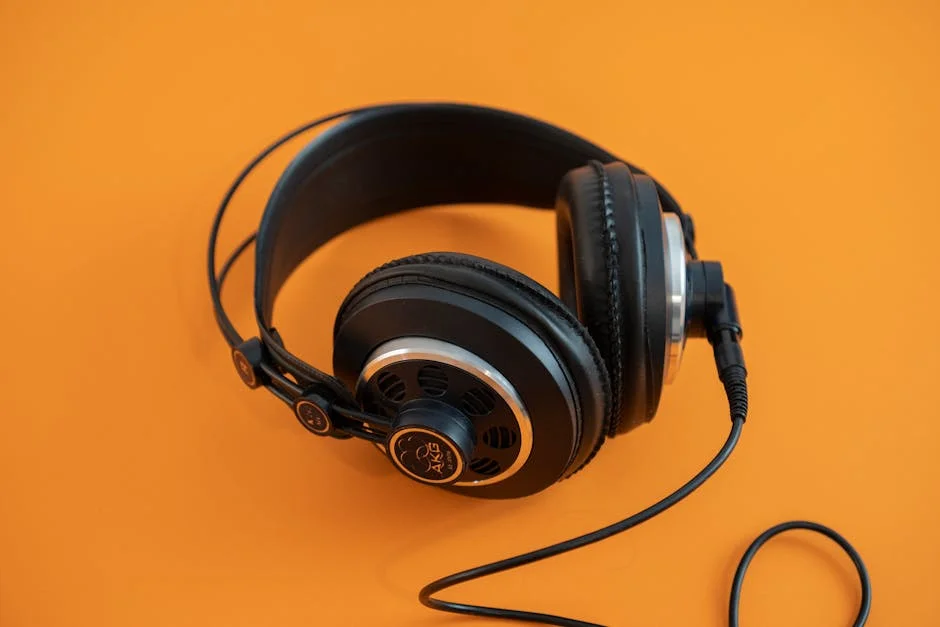
Best Large Headphone Cases: Storage for Over-Ear Headphones

Affiliate disclosure: Some links on this page are affiliate links. If you buy through them we earn a small commission at no extra cost to you. Recommendations are research-driven; we don't claim personal use of every product reviewed. Product prices and availability are accurate as of the date published and are subject to change. Always check Amazon for current pricing before purchasing. Learn more.
Quick Picks
Slappa HardBody PRO Full Sized Headphone Case SL-HP-07
Hard shell protection with padded interior
Buy on AmazonProCase Hard Headphone Case Universal Large Travel Carrying Case
Well-regarded Amazon brand with consistent quality reviews
Buy on AmazonGeekria Shield Case for Large-Sized Over-Ear Headphones Sennheiser HD820
Hard shell protection for travel and storage
Buy on Amazon| Product | Price Range | Top Strength | Key Weakness | Buy |
|---|---|---|---|---|
| Slappa HardBody PRO Full Sized Headphone Case SL-HP-07 also consider | $ | Hard shell protection with padded interior | Bulkier than soft cases for everyday bag carry | Buy on Amazon |
| ProCase Hard Headphone Case Universal Large Travel Carrying Case also consider | $ | Well-regarded Amazon brand with consistent quality reviews | Fixed size may not fit unusually large headphones like HD 800S | Buy on Amazon |
| Geekria Shield Case for Large-Sized Over-Ear Headphones Sennheiser HD820 also consider | $ | Hard shell protection for travel and storage | Bulky hard case not ideal for everyday carry | Buy on Amazon |
| Homvare Hard Shell Case for Over-Ear Headphones also consider | $ | Budget hard EVA shell at low cost | Basic quality , EVA foam construction not premium | Buy on Amazon |
Finding a case that actually fits a large pair of over-ear headphones , not just technically closes around them , is harder than it should be. Most generic options are sized for mid-compact headphones, leaving owners of bigger cans like the ATH-M50x, Beyerdynamic DT 770, or Sennheiser HD 600 scrambling. For a fuller look at storage, cables, and everything that keeps a headphone setup organized, the Accessories hub is worth bookmarking.
The difference between a good case and a frustrating one comes down to three things: interior dimensions, build material, and how the case actually travels. Hard-shell EVA cases protect against crushing; soft cases save bag space but sacrifice that protection. Getting that balance right before buying saves a lot of headache.
What to Look For in a Large Headphone Case
Interior Dimensions and Headphone Compatibility
The single most important spec for a large headphone case is interior clearance , and most listings understate what “large” actually means. A case marketed as fitting “most over-ear headphones” will often accommodate a folding ATH-M50x but reject a full-sized, non-folding headphone like the HD 800S or an open-back with wide yoke spacing.
Before committing to any case, check two dimensions: the maximum cup-to-cup width when the headphones are folded or collapsed, and the cup depth. Headphones with deep earcups , thick memory foam, angled baffles , eat into interior clearance more than the headband width suggests. Verified buyer reviews sorted by your specific headphone model remain the most reliable compatibility check available.
Hard Shell vs. Soft Shell
Hard-shell EVA cases are the standard choice for travel protection, and for good reason. A rigid outer wall absorbs the kind of lateral pressure that happens when a bag gets shoved into an overhead bin or a car trunk. The shell distributes force around the headphones rather than directly through the earcups.
Soft cases trade that crush resistance for flexibility and lighter weight , practical for daily commuters who need the case to compress inside a packed bag. The trade-off is real: a soft case does almost nothing against a heavy object dropped on top of it. For anyone traveling with headphones they care about, hard shell is the correct starting point.
Cable and Accessory Storage
A case that fits the headphones but offers nowhere to store the cable creates an immediate problem. Cables stuffed loosely into a bag develop kinks, and the strain at the plug end accumulates into connector damage over time. Dedicated cable compartments , typically a zippered mesh pocket on the interior lid , solve this cleanly.
Some cases include removable dividers that let the interior adapt to different headphone shapes or double as storage for a portable DAC. That flexibility matters more as a listening setup grows beyond just the headphones. Exploring the full range of audio accessories before settling on a storage solution is genuinely worth the time, particularly if you’re pairing a case with an amp or DAC you carry regularly.
Build Quality and Hardware
The zipper is the first thing to fail on a budget hard case, and it’s worth inspecting before the case goes into heavy rotation. A double-zipper pull allows one-handed opening; a single pull that catches on the shell lip is a daily frustration. Zipper track material matters too , nylon coil tracks outlast the plastic teeth common on the cheapest EVA cases.
Carry hardware is the second consideration. A molded handle on the top of the case is minimum. Shoulder strap compatibility , D-rings on each end , extends the usefulness of a case dramatically for longer travel days. Cases that include both handle and strap attachment points without adding significant bulk represent the better-engineered options in the budget tier.
Top Picks
Slappa HardBody PRO Full Sized Headphone Case SL-HP-07
The Slappa HardBody PRO is one of the more consistently recommended hard-shell cases for full-sized headphones, and the owner feedback across multiple years of reviews supports that reputation. It fits a wide range of headphones including the ATH-M50x, Beyerdynamic DT series, and most similarly sized closed-backs without forcing the headband into an uncomfortable position inside the case.
What separates the Slappa from cheaper EVA alternatives is the carry hardware. The molded top handle is reinforced rather than stitched through thin shell material, and the case ships with shoulder strap attachment points , useful for anyone moving through an airport with both hands occupied. The padded interior uses dense foam rather than thin batting, which provides meaningful cushion against drops rather than just filling the visual impression of protection.
The trade-off is size. The HardBody PRO is a proper hard case, not a slim profile shell, and it occupies real bag space. Owners who carry it daily inside a backpack or messenger bag report it dominates the interior. For transport in a dedicated bag or as a standalone carry item, that’s a non-issue. For daily subway commuters hoping it disappears into a 20-liter pack, the bulk is real.
Check current price on Amazon.
ProCase Hard Headphone Case Universal Large Travel Carrying Case
The ProCase Hard Headphone Case earns its position through sheer consistency in verified buyer reports across a wide variety of headphone models. ProCase has built a reliable reputation on Amazon for cases that ship accurately to their listed specifications , interior dimensions match the product page, the zipper tracks run cleanly, and the shell holds its shape across normal travel conditions.
The interior features removable padding sections, which is a meaningful practical advantage over fixed-foam interiors. Owners who have replaced or repositioned the inserts report it noticeably improves fit for headphones with larger or asymmetrical earcup geometry. That adaptability makes this case a reasonable choice for someone who rotates between two different headphones, or who expects to use the case for a different headphone in the future.
The materials are honest budget-tier: the EVA shell does its job without aspiring to premium feel, and the zipper is functional rather than refined. Owners of unusually large headphones , the HD 800S and similar , note that the interior dimensions stop short of accommodating those footprints. For mainstream large over-ear headphones, verified buyer consensus puts compatibility as broad and reliable.
Check current price on Amazon.
Geekria Shield Case for Large-Sized Over-Ear Headphones Sennheiser HD820
The Geekria Shield Case stands out within the budget hard-shell field for one specific reason: it’s explicitly designed around large-format Sennheiser geometry, including the HD 820. That specificity matters. Most budget cases market themselves as “universal large” and quietly fail at the upper end of that size range. Geekria publishes the interior dimensions and maintains a compatibility list, which gives buyers a verification path that most competitors don’t provide.
The interior includes a dedicated cable storage compartment rather than relying on a shared mesh pocket, which keeps cable management cleaner when the headphones are packed quickly. The foam cutout follows the headphone profile rather than using loose padding, which reduces movement inside the case during transport , a real advantage over cases where headphones shift and settle against the shell.
The case is bulky. Geekria prioritizes interior clearance for large headphones, which means the external footprint is correspondingly large. Owner reports consistently note this is not a subtle profile. For storage at a desk or transport in a dedicated bag, that’s acceptable. For anyone expecting this to sit unobtrusively in a daypack, verifying external dimensions against bag capacity before purchasing is strongly advisable.
Check current price on Amazon.
Cosmos Hard EVA Travel Case for Over-Ear Headphones
The Cosmos Hard EVA Travel Case occupies the most accessible price point in this group, and the case is straightforward about what it offers: a rigid EVA outer shell, basic interior padding, and a lightweight construction that adds minimal weight to a bag. For buyers who need a step up from no protection at all , or whose headphones fold compactly enough that interior space isn’t a constraint , the Cosmos case does that job honestly.
Owner reports confirm it works well with standard folding over-ear headphones in the ATH-M50x and Sony XM-series footprint. The lightweight construction is genuinely noticeable; the case adds less bulk than most hard alternatives, which improves practical usefulness for commuters. The interior padding is thin by comparison to the Slappa or Geekria options, which is a real limitation , this case protects against light impacts and bag pressure, not drops onto hard surfaces from any meaningful height.
The Cosmos is the right answer for a specific buyer: someone with a folding headphone in a standard size range who needs travel protection without prioritizing premium construction or extended cable storage. For headphones with significant monetary or sentimental value, owner consensus suggests stepping up to a case with denser foam and heavier shell construction is worthwhile.
Check current price on Amazon.
Buying Guide
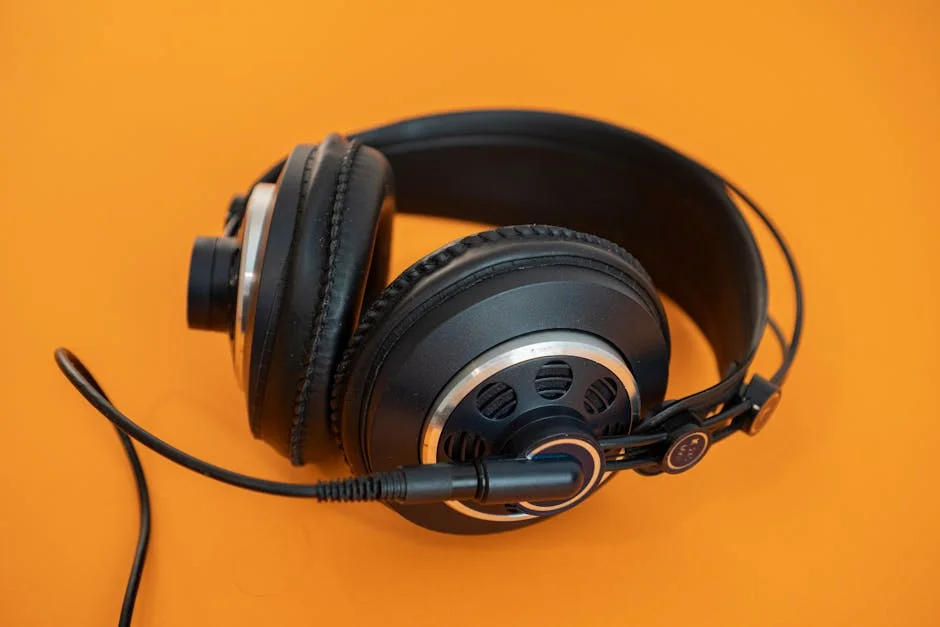
Hard Case vs. Soft Case: The Decision That Matters Most
The choice between a hard-shell and soft case is the foundational decision, and the answer depends on how the headphones travel. Hard EVA shells resist lateral compression and distribute impact force around the headphones rather than through them. Soft cases compress, fold into irregular bag spaces more naturally, and weigh less , but offer minimal protection against a book or water bottle pressing against the earcup for an hour.
For over-ear headphones being checked in luggage or carried through airports, hard shell is the only defensible choice. For daily commuters whose headphones fold and sit upright in a bag with controlled contents, a soft case may be sufficient. Budget hard-shell cases are now priced closely enough to soft alternatives that the protection trade-off rarely justifies choosing soft.
Verifying Compatibility Before You Buy
The most common buyer disappointment in this category is purchasing a case that lists compatible headphone models , and discovering their headphone, a few millimeters larger, doesn’t close cleanly.
The correct pre-purchase process: find the interior dimensions in the product listing, measure your headphone’s folded footprint cup-to-cup and depth, and add five to eight millimeters of clearance tolerance. If the listing doesn’t publish interior dimensions, filter verified reviews by your specific headphone model. Owner reports from verified purchasers who name the same headphone are more reliable than manufacturer compatibility lists, which are often aspirational rather than tested.
Carry Options and Daily Practicality
A hard-shell case with only a top handle is a more limiting carry option than it first appears. Walking through an airport or a city with a separate case in one hand constrains everything else , and a shoulder strap changes that dynamic substantially. Cases with D-ring attachment points for a removable strap are meaningfully more practical for extended travel.
For buyers who carry headphones daily as part of a commuting setup, the external footprint of a hard case matters as much as interior capacity. A larger case protecting a modestly sized headphone is a poor trade. Matching case size accurately to the headphone , not buying oversized for theoretical flexibility , produces a more packable result. Resources across the broader audio accessories category can help identify complementary carry solutions for full portable rigs.
Cable and Accessory Storage
Cables stored loose in the main headphone compartment develop stress bends at the plug end. This is gradual damage , the kind that produces an intermittent channel drop six months into ownership, well after the connection between cause and effect is obvious. A case with a dedicated zippered cable pocket eliminates that specific failure mode without requiring separate cable management solutions.
Some buyers in this category carry a portable DAC or headphone amplifier alongside the headphones. Standard headphone cases don’t accommodate this well , the interior foam is typically molded around the headphone profile. A case with removable or repositionable interior padding offers practical flexibility here.
Build Quality Signals Worth Checking
At the budget tier, the zipper is the most reliable indicator of case longevity. Double zipper pulls allow one-handed access and reduce the torque on the zipper track when opening under load. A single pull that drags across the shell seam is a friction point that worsens with use. Nylon coil zippers outlast plastic tooth variants; most budget EVA cases use nylon coil, but spot-checking buyer reviews for zipper failure reports is worthwhile before purchasing.
Shell rigidity is the second signal. Pressing the side of a budget EVA case should produce minimal flex , a case that deforms easily under moderate hand pressure will deform similarly under bag load. Owner reviews that specifically mention shell rigidity over time provide more useful data than initial impressions.
Frequently Asked Questions
Will a large headphone case fit the Sennheiser HD 600?
The Geekria Shield Case is explicitly sized for large Sennheiser geometry and is the strongest option here. The Slappa HardBody PRO also fits the HD 600 according to verified buyer reports, but confirming interior dimensions against your specific pair before purchasing is advisable.
What’s the difference between the Slappa HardBody PRO and the ProCase for travel?
The Slappa includes shoulder strap attachment hardware and a more reinforced handle, making it the better-equipped option for extended travel days. The ProCase offers removable interior padding sections, which gives it more flexibility for buyers who rotate between headphone models or want to customize the interior fit. For pure travel practicality, the Slappa’s carry hardware gives it an edge; for interior adaptability, the ProCase is the stronger choice.
Can I fit a portable DAC or amplifier alongside my headphones in these cases?
Standard headphone cases are interior-molded for the headphone footprint and don’t accommodate a separate DAC or amplifier cleanly. The ProCase Hard Headphone Case offers the most flexibility here, with removable interior sections that can be repositioned to create space alongside the headphones. In practice, the available clearance after the headphones are seated is modest, and a compact DAC in a protective sleeve represents the realistic upper limit of what fits.
Is a hard-shell case necessary, or is a soft case sufficient for daily commuting?
Hard-shell cases are worth prioritizing for most commuting situations because bag environments are less controlled than they seem , a water bottle, laptop charger, or packed clothing creates sustained lateral pressure that a soft case transmits directly to the earcup. For folding headphones stored upright in a structured bag with defined compartments, a soft case may provide adequate protection. For any headphone with meaningful value , monetary or otherwise , a hard EVA shell is the more defensible choice.
Does the Cosmos case fit the Sony WH-1000XM5?
Verified buyer reports confirm the Cosmos Hard EVA Travel Case accommodates the WH-1000XM5 in its folded configuration. The XM5 folds flat rather than folding inward like earlier XM models, and the Cosmos interior dimensions handle that footprint. The padding is thin enough that the headphones should be seated carefully rather than dropped in, particularly given the XM5’s relatively exposed hinge mechanism when folded.
Where to Buy
Slappa HardBody PRO Full Sized Headphone Case SL-HP-07See Slappa HardBody PRO Full Sized Headph… on Amazon