Over Ear vs On Ear Comfort: A Long-Term Comparison

Affiliate disclosure: Some links on this page are affiliate links. If you buy through them we earn a small commission at no extra cost to you. Recommendations are research-driven; we don't claim personal use of every product reviewed. Product prices and availability are accurate as of the date published and are subject to change. Always check Amazon for current pricing before purchasing. Learn more.
Quick Picks
ZMF Headphones Universe Earpads for Headphones
Premium materials and ZMF craftsmanship for long-term comfort
ZMF Verite Earpads Premium Headphone Earpads
ZMF premium material options in a larger, deeper cup design
ZMF Auteur Classic Earpads
Designed for ZMF Auteur , premium quality assured
| Product | Price Range | Top Strength | Key Weakness | Buy |
|---|---|---|---|---|
| ZMF Headphones Universe Earpads for Headphones also consider | $$ | Premium materials and ZMF craftsmanship for long-term comfort | Premium pricing for earpads , significant upgrade cost | — |
| ZMF Verite Earpads Premium Headphone Earpads also consider | $$ | ZMF premium material options in a larger, deeper cup design | Available primarily direct from ZMF , not reliably Amazon stock | — |
| ZMF Auteur Classic Earpads also consider | $$ | Designed for ZMF Auteur , premium quality assured | Only available direct from ZMF Headphones website | — |
| Dekoni Audio Elite Hybrid Earpads for Sennheiser HD600 HD650 HD660S HD6XX also consider | $$ | Widely available on Amazon Prime , no wait for direct orders | Changes sound signature , HD 600 owners should test carefully | Buy on Amazon |
| Dekoni Audio Elite Hybrid Earpads for HiFiMan Sundara HE-400i also consider | $$ | HiFiMan Sundara-specific fit with Elite Hybrid materials | Pad swap changes Sundara frequency response , measure before committing | Buy on Amazon |
| Dekoni Audio Elite Sheepskin Earpads for Beyerdynamic DT Series also consider | $$ | Premium sheepskin leather for comfort and isolation improvement | Sheepskin changes sound signature , treble and bass affected | Buy on Amazon |
| Dekoni Audio Elite Earpads for Audeze LCD Series Headphones Elite Velour also consider | $$ | Premium velour material for comfort in long listening sessions | Velour can change the sound seal and bass response vs. leather | Buy on Amazon |
| Brainwavz Hybrid Memory Foam Earpad Black PU/Velour Large Over-Ear also consider | $ | Budget-friendly premium hybrid earpad material | Universal fit may require adaptation on some headphones | Buy on Amazon |
Over ear vs on ear comfort is one of those topics that sounds simple until you actually start comparing headphones across long listening sessions. The physical design of how a headphone makes contact with your head, specifically whether it cups around your ear or presses against it, shapes fatigue, seal, and heat in ways that no frequency response graph captures.
Three years in, I’ve come to believe that earpads are the single most underrated variable in the comfort equation. Fresh pads, the right material, the right depth: these things matter more than I expected when I started. What follows covers the fundamentals of headphone fit geometry and a set of earpad upgrades worth knowing about.
Over Ear vs On Ear Comfort: The Fundamentals
Understanding how headphone design creates comfort (or kills it) starts with one basic distinction: circumaural versus supra-aural fit. If you’re sorting out your first real headphone purchase or looking to improve what you already own, the Accessories hub has broader gear guidance worth reading alongside this.
Circumaural (Over Ear): What Actually Happens
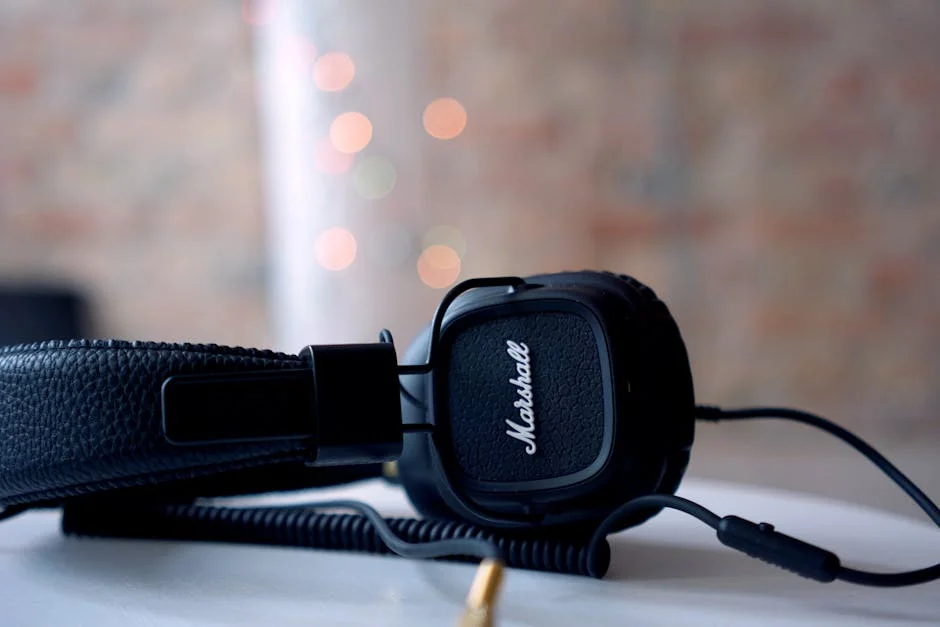
A circumaural headphone is designed so that the earpad forms a complete seal around the outer ear. The pinna sits inside the cup, with the earpad resting on the skull and cheekbone area around it. Done well, this distributes clamp force across a wide surface area, reduces per-point pressure, and creates an acoustic seal that supports bass extension.
The tradeoff is heat. A full seal means less airflow. On warm days or during extended sessions, velour pads breathe noticeably better than leather or pleather. This is a real-world comfort variable that doesn’t show up in any spec sheet, but verified buyers of leather-padded over-ear headphones consistently flag it in long-session reports.
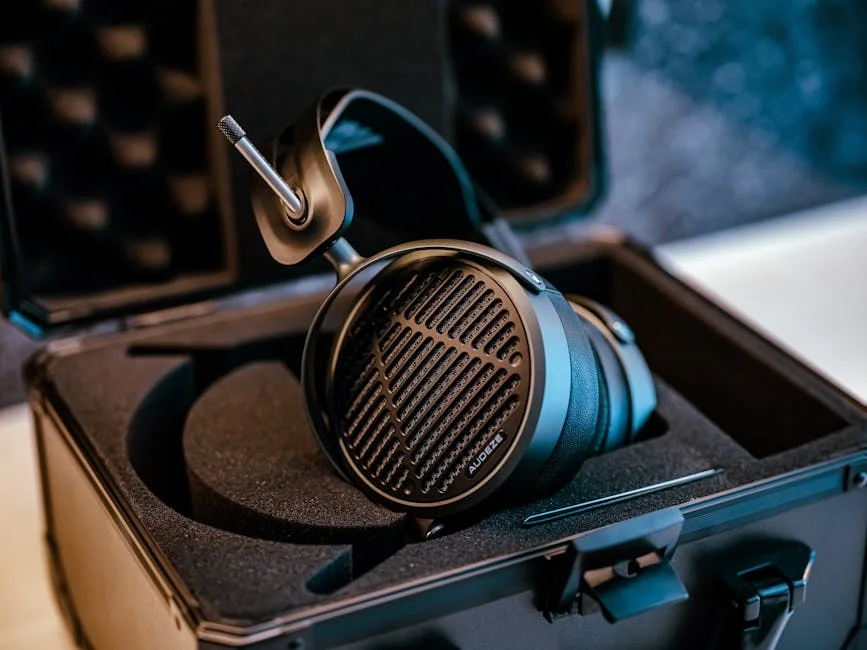
Pad depth also matters significantly in circumaural designs. A shallow cup can result in the driver grille making contact with the ear (an issue known in Sennheiser HD 600 circles, particularly as stock pads flatten with age). Deeper aftermarket pads from ZMF or Dekoni can resolve this while also affecting the acoustic space inside the cup.
Supra-Aural (On Ear): The Pressure Trade
An on-ear headphone rests the pad directly on the auricle itself. This makes headphones smaller and lighter, which sounds like a comfort win. The actual experience depends almost entirely on clamp force and pad softness. A firm on-ear headphone pressing against cartilage for two hours is noticeably less comfortable than most well-padded over-ear options.
On-ear designs also create a tighter acoustic seal in some cases (less leakage around the ear), but the consistency of that seal varies with head shape. Users with larger ears or prominent cartilage report more variation. Memory foam on-ear pads can partially mitigate this, but the physics of resting on cartilage rather than bone-supported skull tissue doesn’t change.
For extended desktop listening, which is my primary use case with the HD600 and Sundara on the Topping stack, circumaural wins almost every time in owner reports and in my own experience.
Material and Its Effect on Comfort Over Time
Velour breathes. Leather isolates better and degrades differently (peeling vs. matting). Suede (used in ZMF pads) sits between them in breathability and adds a tactile luxury that verified buyers consistently describe as noticeably softer in contact. Memory foam conforms and reduces pressure spikes. Standard foam compresses faster and loses shape.
Three years in, I’ve noticed that pad material choice is deeply personal and session-context-dependent. Someone doing two-hour listening blocks in a warm room is going to land differently on leather versus velour than someone doing 30-minute sessions in air conditioning. There is no objectively correct material, but there are materials that work better for specific use patterns.
How Pad Swap Affects Sound: The Caveat Every Buyer Needs
This point deserves its own section because it is frequently underestimated. Swapping earpads changes the acoustic geometry of the cup. Pad thickness changes the distance between the driver and your ear. Pad material changes the internal reflections and damping. The result is a shifted frequency response, sometimes subtle, sometimes obvious.
For the Sennheiser HD 600, Crinacle’s measurements and community reports on Head-Fi document this clearly: different pads shift the mid-bass and lower-treble response. For the HiFiMan Sundara, the effect is even more pronounced because of the planar driver’s sensitivity to pad volume. ASR and community measurement threads confirm this consistently. Anyone considering a pad swap on measurement-sensitive headphones should check before-and-after FR data from the community before committing.
Top Picks: Earpad Upgrades Worth Knowing About
These options cover a range of headphone families, materials, and price bands from budget to mid-range. Field reports from the Head-Fi community, owner reviews on Amazon, and ZMF’s own user base inform all research-based picks below.
ZMF Headphones Universe Earpads for Headphones
The ZMF Headphones Universe Earpads are the pads I know best from personal experience. I run them on my HD600 and have used them on the Sundara. ZMF offers Universe pads in suede, cowhide, and lambskin, each carrying noticeably different tactile and breathability characteristics. On the HD600, the suede option is where I landed: softer initial contact than stock Sennheiser velour, and the deeper cup resolves the driver-to-ear distance issue that develops as stock pads compress.
Sound change with the Universe pads on the HD600 is present but subtle. The low end picks up a small amount of warmth, and the soundstage perception shifts slightly. I wouldn’t call it a dramatic retune. This is primarily a comfort and material upgrade, which is exactly how ZMF positions it. The craftsmanship is consistent with ZMF’s reputation: stitching is tight, the mounting lip fits the HD600 without adapter hassle, and the material quality shows clearly compared to stock.
For Sundara owners, the Universe pads do shift the FR more noticeably than on the HD600. Community reports and a few measurement comparisons from the HiFiMan subreddit confirm a bass shelf change. That’s worth knowing before ordering. The comfort improvement is genuine regardless.
Check current price on Amazon.
ZMF Verite Earpads Premium Headphone Earpads
The ZMF Verite Earpads are designed for ZMF’s flagship Verite headphone but have found a secondary market as a premium upgrade for compatible headphones via adapter rings. The cup geometry is larger and deeper than the Universe pads, which makes them relevant for users who find even the Universe pads insufficiently deep for their ear size.
Based on owner reviews from ZMF’s community and Head-Fi threads, the Verite pads are described as the softest and most enveloping option in the ZMF lineup, with lambskin and suede options being the most frequently recommended. The key practical note: these are available primarily direct from ZMF Headphones at zmfheadphones.com, not reliably through Amazon. ZMF frequently sells out of specific material and color combinations, so direct ordering with some patience is the expected process.
Check current price on Amazon.
ZMF Auteur Classic Earpads
The ZMF Auteur Classic Earpads were designed specifically for the ZMF Auteur Classic headphone, one of ZMF’s open-back planar magnetic designs. Like the Verite pads, these are available via adapter rings on other compatible headphones for users seeking ZMF’s material quality without owning a ZMF headphone.
Field reports from ZMF’s owner community indicate the Auteur pads fall between the Universe and Verite in overall cup volume. The material options, as with all ZMF pads, include suede, cowhide, and lambskin variants. ZMF’s handcrafted construction standards apply across the lineup, and verified buyers consistently note the build quality justifies the mid-range pricing relative to generic aftermarket pads. As with the Verite pads, direct purchase from zmfheadphones.com is the reliable path here.
Check current price on Amazon.
Dekoni Audio Elite Hybrid Earpads for Sennheiser HD600 HD650 HD660S HD6XX
The Dekoni Audio Elite Hybrid Earpads for Sennheiser HD600 HD650 HD660S HD6XX are the most accessible upgrade option for the HD 6XX family, available through Amazon Prime without the direct-order wait that ZMF requires. The Elite Hybrid construction uses a velour face with a sheepskin outer ring and memory foam core, which is a meaningful upgrade over the stock Sennheiser velour pad in both softness and longevity.
The sound change caveat is real here. Verified buyers and HD600 owners on Head-Fi report a shifted low-frequency response compared to stock, with the memory foam increasing bass perception and slightly warming the HD600’s famously neutral character. For users who find the stock HD600 slightly thin in the low end, this may be welcome. For users who bought the HD600 specifically for its flat bass tuning, it’s worth knowing ahead of time. Crinacle’s HD600 measurement thread includes community pad comparison data that’s worth reviewing before ordering.
Check current price on Amazon.
Dekoni Audio Elite Hybrid Earpads for HiFiMan Sundara HE-400i
The Dekoni Audio Elite Hybrid Earpads for HiFiMan Sundara HE-400i address a real comfort gap in HiFiMan’s stock pads. The Sundara’s stock pleather pads are a common complaint: they retain heat and compress relatively quickly with regular use. The Dekoni Elite Hybrid’s memory foam and velour face combination is consistently described by verified buyers as a meaningful comfort improvement for longer sessions.
The sound change flag is especially important for Sundara owners. Planar magnetic drivers are more sensitive to pad volume changes than most dynamic drivers. Field reports and measurement comparisons from the HiFiMan subreddit document a low-frequency shelf change with the Dekoni pads relative to stock. The bass becomes more prominent. This is not a flaw, but it is a change from the stock Sundara tuning that some users specifically chose. Check ASR’s Sundara measurement thread and community pad-swap comparisons before making a final decision.
Check current price on Amazon.
Dekoni Audio Elite Sheepskin Earpads for Beyerdynamic DT Series
The Dekoni Audio Elite Sheepskin Earpads for Beyerdynamic DT Series are specifically compatible with the DT 770, DT 880, and DT 990 families. Beyerdynamic’s stock pads on these models are velour, so the sheepskin swap is a material reversal: more isolation, different contact feel, and a different thermal profile. Verified buyers report noticeably better passive isolation with the sheepskin pads, which is relevant for DT 770 Pro users in noisier environments.
The acoustic change is documented in DT series community threads. Sheepskin increases bass response and slightly reduces treble energy relative to stock velour. For the DT 990 Pro, which many buyers find overly bright in stock form, this tonal shift is frequently cited as an improvement by verified buyers. Anyone measuring carefully should check before-and-after FR data in the Head-Fi DT series megathread.
Check current price on Amazon.
Dekoni Audio Elite Earpads for Audeze LCD Series Headphones Elite Velour
The Dekoni Audio Elite Earpads for Audeze LCD Series Headphones Elite Velour address the primary long-session complaint about Audeze’s stock leather pads: heat. The LCD series runs stock with leather or synthetic leather pads that create a very effective acoustic seal but trap significant warmth. Velour breathes, which verified buyers and LCD-2 and LCD-X owners on Head-Fi consistently describe as a meaningful quality-of-life change for sessions longer than an hour.
The tradeoff is seal integrity. Velour is porous, and the bass-reinforcing seal that makes Audeze planar headphones perform their best is partially compromised with velour pads. Verified buyers report a slight reduction in sub-bass extension compared to stock leather. For listeners who find the Audeze low-end emphasis slightly aggressive in stock form, this may be acceptable. For users who specifically want the full LCD bass shelf, the velour pad is worth testing before committing.
Check current price on Amazon.
Brainwavz Hybrid Memory Foam Earpad Black PU/Velour Large Over-Ear
The Brainwavz Hybrid Memory Foam Earpad is the budget-tier entry in the aftermarket earpad space, and it is a legitimate recommendation at its price band. The PU leather face with velour inner ring and memory foam core combines reasonable isolation with reduced heat compared to full pleather pads. Verified buyers use these across AKG, HiFiMan, Audio-Technica, and other large over-ear headphones that accept universal-style pads.
The practical note is fit. These are universal pads, meaning they use an adhesive or tension mounting method rather than a headphone-specific clip system. Field reports indicate that fit quality varies by headphone model. On some headphones the mounting works cleanly; on others, alignment requires patience or minor modification. The sound change is also highly dependent on what the headphone was running before, since the acoustic effect of a pad swap scales with how far the new pad geometry differs from the original.
Check current price on Amazon.
Buying Guide: Choosing the Right Earpad Upgrade
Start With Your Headphone’s Acoustic Sensitivity to Pad Changes
Not all headphones respond to pad swaps equally. Dynamic driver headphones like the Sennheiser HD 600 generally show moderate FR changes with pad swaps. Planar magnetic headphones like the HiFiMan Sundara and Audeze LCD series are more sensitive, because planar drivers react more to changes in pad volume and seal. Before ordering any aftermarket pad for a measurement-sensitive headphone, check if the Head-Fi community or ASR threads have before-and-after FR data. If you care about your headphone’s measured response, this step is not optional. The Accessories hub includes additional gear guides that cover headphone characteristics by type.
Material Matching to Session Length and Environment
Velour is the breathability choice for long sessions or warm listening environments. Leather and sheepskin provide better isolation but accumulate heat. Suede (ZMF’s primary offering) sits in between, offering a premium tactile feel with more breathability than smooth leather. Memory foam underneath the cover material reduces pressure points regardless of cover material. Verified buyers across Head-Fi and Amazon consistently report that memory foam improves the experience during sessions over 90 minutes, particularly on headphones with firm clamp force. Consider your typical session length honestly before choosing material.
Budget Tier vs. Mid-Range Tier: What Actually Differs
At the budget tier, Brainwavz-style pads offer genuine comfort improvements with memory foam and hybrid materials at a price band that doesn’t require significant financial commitment. The tradeoff is universal fit inconsistency and build longevity that trails premium options. At the mid-range tier, Dekoni and ZMF pads offer headphone-specific mounting, better material quality, and longer service life. ZMF’s handcrafted construction is a demonstrable step above mass-produced options. Dekoni’s advantage over ZMF is Amazon availability for Prime shipping, which matters if you’d rather not wait for a direct order from ZMF.
The Compatibility Check You Need to Do First
Earpad compatibility is not universal. ZMF pads for the HD 600/650 family mount directly without adapter rings. ZMF Verite and Auteur pads require adapter rings for non-ZMF headphones. Dekoni pads are headphone-model-specific (the HD600 version does not fit HiFiMan, and vice versa). Brainwavz pads are universal but require you to confirm the mounting method works for your specific headphone before ordering. Field reports from owner communities for your specific headphone model are the most reliable compatibility data available. A quick search of your headphone model plus “pad swap” on Head-Fi returns years of documented experience.
When a Pad Swap Is Not the Right Move
A pad swap addresses comfort and mild sound tuning. It does not fix headphone clamp force (a physical adjustment or stretching is needed for that), it does not fix driver distortion, and it does not meaningfully change a headphone’s fundamental tonal character. If your primary issue is clamp force, address that first before spending on aftermarket pads. If your primary issue is a fundamental mismatch between the headphone’s sound signature and your preferences, an equalizer is a more efficient and reversible tool than a pad swap. Earpads are a meaningful upgrade in the right context, and an unnecessary expense in the wrong one. For additional guidance on headphone accessories and gear decisions, the accessories buying guides section covers these topics more broadly.
Frequently Asked Questions
Does swapping earpads on the HD 600 change the sound?
Yes, and it’s worth knowing this before ordering. Pad changes on the HD 600 affect the acoustic space inside the cup and the distance between the driver and your ear. The shift tends to show up in the low-to-mid frequency range. ZMF Universe pads in suede produce a subtle warmth increase compared to stock.
Are over ear headphones always more comfortable than on ear headphones?
Not always, but for most people and most listening sessions, circumaural designs distribute pressure more effectively than supra-aural designs. On-ear headphones press directly against cartilage, which becomes uncomfortable over time regardless of pad softness. Over-ear designs spread that pressure across a larger area around the ear. The caveat is clamp force: a tight over-ear headphone with a narrow headband can still cause fatigue.
How often should I replace stock earpads?
There is no universal answer, but owner reports across multiple headphone communities suggest stock pads typically show meaningful compression and seal degradation between 12 and 24 months of regular use. On the HD 600 specifically, I noticed that fresh replacement pads (even stock Sennheiser velour) changed the seal and low-frequency perception noticeably after the originals had flattened. If your headphones sound thinner than they used to, or if the pads show visible flattening or cracking, replacement is worth considering.
Can I use ZMF earpads on non-ZMF headphones?
Yes, with some important caveats. ZMF Universe pads are designed to fit the Sennheiser HD 600/650 and HiFiMan Sundara family directly without adapters. ZMF Verite and Auteur pads require adapter rings for non-ZMF headphones. ZMF sells these adapters, and Head-Fi community threads document which adapters work for specific headphone models.
Is the Dekoni Elite Hybrid worth the upgrade over stock pads?
For most HD 6XX family and Sundara owners, verified buyers consistently report a genuine comfort improvement with the Dekoni Elite Hybrid. The memory foam and sheepskin outer ring combine into a noticeably softer and longer-lasting pad than the stock options. The main consideration is the sound change: bass response increases with the Dekoni pads relative to stock. If your headphone’s stock tuning is a significant part of why you own it, this is worth factoring in before ordering.
<script type="application/ld+json">
{
"@context": "https://schema.org",
"@type": "FAQPage",
"mainEntity": [
{
"@type": "Question",
"name": "Does swapping earpads on the HD 600 change the sound?",
"acceptedAnswer": {
"@type": "Answer",
"text": "Yes, and it's worth knowing this before ordering. Pad changes on the HD 600 affect the acoustic space inside the cup and the distance between the driver and your ear. The shift tends to show up in the low-to-mid frequency range. ZMF Universe pads in suede produce a subtle warmth increase compared to stock. Dekoni Elite Hybrid pads shift the bass response more noticeably. Check Head-Fi measurement comparison threads for before-and-after FR data if you want to stay close to stock tuning."
}
},
{
"@type": "Question",
"name": "Are over ear headphones always more comfortable than on ear headphones?",
"acceptedAnswer": {
"@type": "Answer",
"text": "Not always, but for most people and most listening sessions, circumaural designs distribute pressure more effectively than supra-aural designs. On-ear headphones press directly against cartilage, which becomes uncomfortable over time regardless of pad softness. Over-ear designs spread that pressure across a larger area around the ear. The caveat is clamp force: a tight over-ear headphone with a narrow headband can still cause fatigue. Pad material and cup depth both affect how that pressure distributes, which is why pad selection matters."
}
},
{
"@type": "Question",
"name": "How often should I replace stock earpads?",
"acceptedAnswer": {
"@type": "Answer",
"text": "There is no universal answer, but owner reports across multiple headphone communities suggest stock pads typically show meaningful compression and seal degradation between 12 and 24 months of regular use. On the HD 600 specifically, I noticed that fresh replacement pads changed the seal and low-frequency perception noticeably after the originals had flattened. If your headphones sound thinner than they used to, or if the pads show visible flattening or cracking, replacement is worth considering."
}
},
{
"@type": "Question",
"name": "Can I use ZMF earpads on non-ZMF headphones?",
"acceptedAnswer": {
"@type": "Answer",
"text": "Yes, with some important caveats. ZMF Universe pads are designed to fit the Sennheiser HD 600/650 and HiFiMan Sundara family directly without adapters. ZMF Verite and Auteur pads require adapter rings for non-ZMF headphones. ZMF sells these adapters, and Head-Fi community threads document which adapters work for specific headphone models. Compatibility should be confirmed before purchasing, especially for less common headphone models. ZMF's website and their community Discord are reliable sources for current compatibility information."
}
},
{
"@type": "Question",
"name": "Is the Dekoni Elite Hybrid worth the upgrade over stock pads?",
"acceptedAnswer": {
"@type": "Answer",
"text": "For most HD 6XX family and Sundara owners, verified buyers consistently report a genuine comfort improvement with the Dekoni Elite Hybrid. The memory foam and sheepskin outer ring combine into a noticeably softer and longer-lasting pad than the stock options. The main consideration is the sound change: bass response increases with the Dekoni pads relative to stock. If your headphone's stock tuning is a significant part of why you own it, this is worth factoring in before ordering."
}
}
]
}
</script>