When to Replace Headphone Cables: A Practical Guide

Affiliate disclosure: Some links on this page are affiliate links. If you buy through them we earn a small commission at no extra cost to you. Recommendations are research-driven; we don't claim personal use of every product reviewed. Product prices and availability are accurate as of the date published and are subject to change. Always check Amazon for current pricing before purchasing. Learn more.
Quick Picks
ZMF Headphones Universe Earpads for Headphones
Premium materials and ZMF craftsmanship for long-term comfort
ZMF Verite Earpads Premium Headphone Earpads
ZMF premium material options in a larger, deeper cup design
ZMF Auteur Classic Earpads
Designed for ZMF Auteur , premium quality assured
| Product | Price Range | Top Strength | Key Weakness | Buy |
|---|---|---|---|---|
| ZMF Headphones Universe Earpads for Headphones also consider | $$ | Premium materials and ZMF craftsmanship for long-term comfort | Premium pricing for earpads , significant upgrade cost | — |
| ZMF Verite Earpads Premium Headphone Earpads also consider | $$ | ZMF premium material options in a larger, deeper cup design | Available primarily direct from ZMF , not reliably Amazon stock | — |
| ZMF Auteur Classic Earpads also consider | $$ | Designed for ZMF Auteur , premium quality assured | Only available direct from ZMF Headphones website | — |
| Dekoni Audio Elite Hybrid Earpads for Sennheiser HD600 HD650 HD660S HD6XX also consider | $$ | Widely available on Amazon Prime , no wait for direct orders | Changes sound signature , HD 600 owners should test carefully | Buy on Amazon |
| Dekoni Audio Elite Hybrid Earpads for HiFiMan Sundara HE-400i also consider | $$ | HiFiMan Sundara-specific fit with Elite Hybrid materials | Pad swap changes Sundara frequency response , measure before committing | Buy on Amazon |
| Dekoni Audio Elite Sheepskin Earpads for Beyerdynamic DT Series also consider | $$ | Premium sheepskin leather for comfort and isolation improvement | Sheepskin changes sound signature , treble and bass affected | Buy on Amazon |
| Dekoni Audio Elite Earpads for Audeze LCD Series Headphones Elite Velour also consider | $$ | Premium velour material for comfort in long listening sessions | Velour can change the sound seal and bass response vs. leather | Buy on Amazon |
| Brainwavz Hybrid Memory Foam Earpad Black PU/Velour Large Over-Ear also consider | $ | Budget-friendly premium hybrid earpad material | Universal fit may require adaptation on some headphones | Buy on Amazon |
Three years into this hobby, I spent more time than I should have wondering whether my headphone cable was “holding back” the HD600. Spoiler: it wasn’t. But while I was fixating on cable metallurgy, I completely missed the thing that actually made a difference, which was earpad condition. When a cable physically fails, replacement is obvious. The harder question is everything else: comfort degradation, earpad compression, and whether any accessory swap is actually worth the cost.
This guide covers when to replace headphone cables and, more practically, when earpad replacement matters more. I’ve linked out to our full Accessories hub for broader gear context.
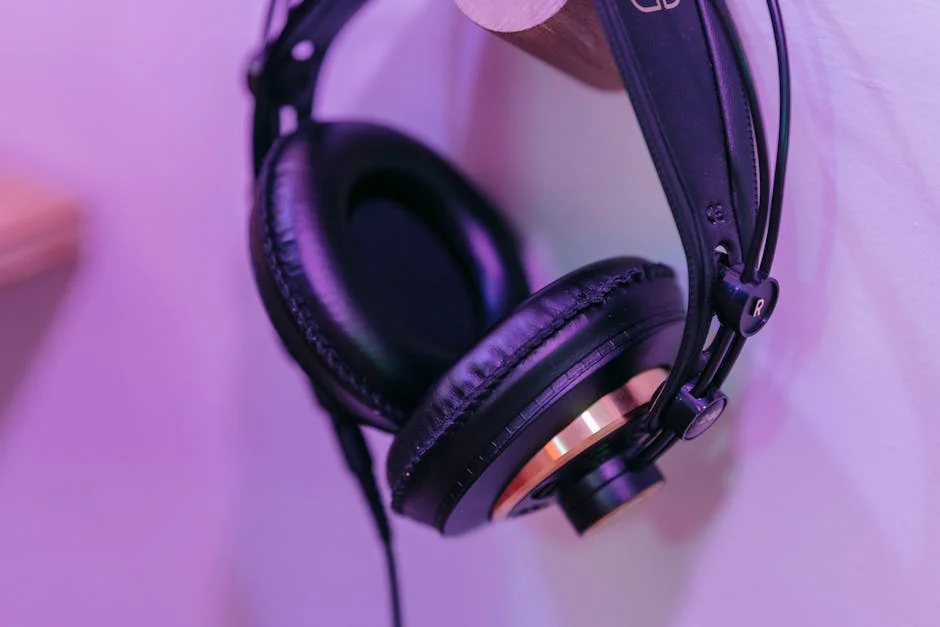
When to Replace a Headphone Cable: The Honest Answer
Let me be direct on this topic, because I’ve seen a lot of confusion in the community around it.
The Only Times Cable Replacement Is Clearly Warranted
A cable needs replacing when it has physically failed. That means one or more of these conditions:
Physical damage you can see or hear. Fraying near the termination, exposed conductors, intermittent dropout on one channel when you flex the cable, a connector that no longer seats reliably. These are clear functional failures. Replace the cable.
Incorrect termination for your source. If your headphone came with a 6.35mm plug and your only output is 3.5mm, you need an adapter or a reterminated cable. This is a functional mismatch, not an audio quality issue.
Detachable connector corrosion or damage. On headphones with detachable cables (the HD600 uses a proprietary dual-entry connector, the Sundara uses 3.5mm per cup), if the connector itself is corroded or bent, a replacement cable is the correct fix.
Length or ergonomics. If you’re sitting three meters from your amp and the stock cable is 1.2 meters, that’s a legitimate reason to buy a longer cable. If you want a shorter cable for desktop use, same logic applies.
That is the complete list of clear-cut reasons. Everything else gets complicated.
What Cable Upgrades Are Actually Selling You
The aftermarket cable market, particularly in the premium and luxury tiers, rests heavily on claims I am skeptical of. Oxygen-free copper, silver-plated conductors, Litz braiding, cryogenic treatment. I’ve read the ASR forum discussions on this topic, and the community consensus across Head-Fi and ASR is consistent: at the electrical specifications relevant to passive headphone cables (resistance, capacitance, inductance), audible differences between cables of equivalent gauge and shielding are not reliably demonstrable in controlled listening.
That doesn’t mean premium cable builders aren’t making well-constructed cables. Build quality, connector quality, and ergonomics (flexibility, microphonics, weight) are real physical differences. A well-braided cable with a solid Neutrik connector is a nicer object than a stock cable with a molded plastic plug. Whether that justifies mid or premium pricing is a personal choice. What I’d push back on is the implication that your current cable is audibly degrading your signal, absent physical failure.
Three years in, I’ve settled on this position: replace cables when they’re broken or functionally wrong for your setup. Upgrade cables for ergonomics and build quality if that matters to you. Don’t replace cables expecting to hear more air in the treble.
Where Your Money Actually Works Harder: Earpads
This is where I want to spend most of this guide, because it’s where I’ve actually observed meaningful changes. Earpads affect the acoustic seal between driver and ear. That seal influences bass extension and perceived warmth. Pad material affects how heat builds up over a long session. Pad depth changes the distance between driver and ear, which can shift imaging and treble presentation in ways that are measurable on Crinacle’s graph database and other resources.
I noticed this concretely when I replaced my HD600 pads after about 18 months. The stock pads had compressed noticeably. Swapping in fresh pads from Sennheiser changed the seal, and the perceived low-frequency extension came back in a way I hadn’t expected. Earpads matter more than I anticipated when I started in this hobby. That realization led me to look seriously at the aftermarket pad market.
If you’re curious about the full landscape of headphone accessories worth investigating, the Accessories section at Undisclosed Sounds covers DACs, amps, cables, and pads in more detail.
Top Earpad Picks by Headphone and Budget
The products below cover a range of headphones and price bands, from budget-tier universal options to premium ZMF handcrafted materials. Research-based impressions draw from verified buyer reports, community discussion on Head-Fi and Reddit’s r/headphones, and manufacturer specifications.
ZMF Headphones Universe Earpads for Headphones
The ZMF Headphones Universe Earpads are the pads I’ve spent the most time with directly, running them on both the HD600 and the Sundara. ZMF offers the Universe in several materials: suede, cowhide, and lambskin, each with a slightly different texture and warmth against the ear. The HD600 is already a long-listening headphone, and the Universe pads push comfort further than the stock velour in terms of long-session material feel, particularly in the suede variant.
On the HD600, the sound changes are subtle, as you’d expect from a pad swap on a headphone with a fairly robust stock presentation. Imaging and bass extension shift slightly depending on pad depth and material, but this is primarily a comfort and material upgrade rather than a dramatic tuning tool. On the Sundara, pad swapping has historically been a more consequential decision because the Sundara’s frequency response is more sensitive to seal changes, so I’d encourage anyone to read owner reports and check FR comparison graphs before committing.
ZMF builds these by hand, and the material quality shows at this price band. These are a genuine long-term investment in a headphone you plan to keep.
Check current price on Amazon.
ZMF Verite Earpads Premium Headphone Earpads
The ZMF Verite Earpads are a larger, deeper-cup design compared to the Universe, offering additional internal volume for ears that sit closer to the driver with shallower pads. Based on owner reports from Head-Fi’s ZMF threads and ZMF’s own community forum, the Verite pads are frequently described as among the most comfortable long-session options ZMF produces, with a deeper cup that keeps ears from touching the driver baffle.
Compatibility beyond ZMF’s own headphones requires adapter rings, and it’s worth verifying fit for your specific headphone before ordering. The more significant practical note is availability: ZMF Verite pads are sold primarily through zmfheadphones.com directly, and ZMF’s specialty materials are known to sell out during popular production windows. If you’re targeting a specific material (lambskin in particular tends to move quickly), buy when you see it available rather than waiting.
Verified buyers at the premium tier consistently describe ZMF’s stitching and material consistency as high quality relative to the price band.
Check current price on Amazon.
ZMF Auteur Classic Earpads
The ZMF Auteur Classic Earpads are designed specifically for the ZMF Auteur Classic, which is a headphone I’ve heard briefly at a Texas Audio Society meetup but don’t own. Based on ZMF community discussions and verified buyer reports, the Auteur pads feature ZMF’s standard premium material options (suede, cowhide, lambskin) in a shape tuned for the Auteur’s cup geometry.
Owners of other headphones do use Auteur pads with adapter rings, and ZMF’s community threads include documented pad-rolling reports across different headphone models. As with the Verite pads, availability is direct-from-ZMF, and stock is not always guaranteed. For ZMF headphone owners specifically, these are the manufacturer-intended replacement, which matters if you want to restore factory acoustic tuning rather than alter it.
ZMF’s craftsmanship reputation is well-established across the audiophile community at Head-Fi and beyond, and the Auteur pads fit that standard based on owner feedback.
Check current price on Amazon.
Dekoni Audio Elite Hybrid Earpads for Sennheiser HD600 HD650 HD660S HD6XX
The Dekoni Audio Elite Hybrid Earpads for Sennheiser HD600 HD650 HD660S HD6XX are the most accessible premium pad upgrade for the HD 6XX family, available on Amazon Prime with no direct-from-manufacturer wait. The Elite Hybrid construction combines a velour face contact surface with a sheepskin leather outer ring and memory foam core, which addresses the two most common complaints about stock velour pads: they flatten over time and they don’t isolate as well as mixed-material alternatives.
The important caveat for HD600 and HD650 owners is that the Dekoni pads do change the sound signature. Field reports from verified buyers and community discussion on Head-Fi consistently note a shift in the bass presentation and some softening of the midrange edge compared to stock pads. That’s not inherently bad, but HD600 owners who bought the headphone specifically for its tonal balance should test carefully. Crinacle’s database and ASR’s community threads both have pad-swap FR comparisons worth reviewing before buying.
At this price band, these are the go-to Amazon-available alternative if ZMF’s direct ordering model doesn’t work for your timeline.
Check current price on Amazon.
Dekoni Audio Elite Hybrid Earpads for HiFiMan Sundara HE-400i
The Dekoni Audio Elite Hybrid Earpads for HiFiMan Sundara HE-400i follow the same Elite Hybrid construction as the HD 6XX version, adapted for HiFiMan’s oval cup geometry. Memory foam over stock foam is a consistent comfort improvement that verified buyers describe as meaningful for long sessions, particularly with the Sundara’s heavier clamp pressure in early production units.
The sound change caveat is worth stating more strongly here than with the HD 6XX version. The Sundara’s frequency response is notably sensitive to pad changes. Field reports and FR comparisons from the community show that pad swaps on the Sundara can shift bass extension, sub-bass quantity, and treble energy in ways that meaningfully change the character of the headphone. The 2020 revision Sundara I bought used is already a warmish listen relative to earlier versions, and pad changes could push it further in either direction depending on the material. I’d strongly recommend reviewing FR overlay graphs before committing to any aftermarket pad on the Sundara.
Available on Amazon Prime, which gives it a practical advantage for anyone who wants to try and return if the sound change doesn’t suit them.
Check current price on Amazon.
Dekoni Audio Elite Sheepskin Earpads for Beyerdynamic DT Series
The Dekoni Audio Elite Sheepskin Earpads for Beyerdynamic DT Series are purpose-built for the DT 770, DT 880, and DT 990 family, headphones known for their circular velour stock pads and a treble presentation that is already divisive in the community. Sheepskin leather changes the acoustic seal substantially compared to velour, and verified buyer reports and Head-Fi discussion consistently note that the sheepskin Dekoni pads affect both bass extension (increased, due to better seal) and treble (softened, partially due to material absorption).
For DT 990 Pro owners specifically, that treble softening is frequently described as welcome. The DT 990 Pro’s upper treble peak is well-documented on measurement databases, and a pad that takes some edge off it without an EQ intervention appeals to owners who prefer physical solutions. Bass increase from improved seal is less universally positive, so owners who already find the DT 770 Pro bass-heavy should factor that into the decision.
Build quality at this price band is consistent with Dekoni’s Elite line. Amazon availability makes returns practical if the sound change isn’t what you expected.
Check current price on Amazon.
Dekoni Audio Elite Earpads for Audeze LCD Series Headphones Elite Velour
The Dekoni Audio Elite Earpads for Audeze LCD Series Headphones Elite Velour address a specific comfort concern with the LCD line: the stock leather pads, while sonically appropriate for planar magnetic bass performance, can become uncomfortable during extended listening due to heat buildup and leather stiffness. Velour breathes more freely, and verified buyers consistently describe the Dekoni velour pads as a meaningful comfort upgrade for long sessions with the LCD-2 and LCD-X.
The trade-off is seal. Velour does not seal as effectively as leather, and bass response on planar magnetic headphones is seal-dependent. Field reports from the Head-Fi Audeze threads note some reduction in sub-bass fullness compared to the stock leather pads, which is a meaningful trade-off on a headphone the community values partly for its low-end authority. I heard the LCD-X briefly at a meetup (about 20 minutes, not enough to evaluate pad nuance), so for ownership-level impressions I defer to the verified buyer community. For someone who prioritizes comfort on a headphone they wear for hours at a time, the bass trade-off may be entirely worth it.
Check current price on Amazon.
Brainwavz Hybrid Memory Foam Earpad Black PU/Velour Large Over-Ear
The Brainwavz Hybrid Memory Foam Earpad is the budget-tier option that the community has recommended for years as a low-cost comfort upgrade for a wide range of large over-ear headphones. The construction pairs a PU leather face with a velour interior and a memory foam core, giving it the acoustic seal of a leather-adjacent material while keeping the skin contact surface softer.
Compatibility is the main practical variable. These are large universal ovals, which fit many AKG, HiFiMan, ATH, and other larger-cup headphones with some adaptation, but fit quality varies by model. Field reports from r/headphones and Head-Fi suggest they work reasonably well on the ATH-M50x as a comfort upgrade, though M50x pad modding has its own community thread history worth reading if you own that headphone. Sound changes depend heavily on how the original pads fit and what seal they created. At this price band, the risk of experimenting is low enough that these are worth a try for budget-conscious owners of compatible headphones.
Check current price on Amazon.
Buying Guide: How to Choose Earpad and Cable Replacements

Starting with Cables: Functional First, Upgrade Second
The first question with any cable decision is whether the existing cable is working. A cable that produces intermittent dropout, channel imbalance when flexed, or visible damage to the insulation near the strain relief needs replacing on functional grounds. Beyond that, check our Accessories hub for more on source chain fundamentals.
For aftermarket cable purchases above the functional replacement tier, the honest framing is that you’re buying build quality, ergonomics, and aesthetics. A lighter, shorter, more flexible cable can genuinely improve desktop ergonomics. A well-terminated connector sits more securely in a balanced output. Those are real benefits. Audible signal improvements from cable material choices are not well-supported in controlled community testing, and I’d rather be honest about that than hedge.
Knowing When Earpads Need Replacement
Stock earpads degrade in two ways: material compression and surface breakdown. Velour pads flatten over time, reducing the cup depth and changing the seal. Leather and pleather pads crack, flake, or stiffen, which makes them uncomfortable and also changes acoustic seal properties.
The practical test is to look at the pad thickness and compare it to what a fresh pad looks like in product photos. If the foam has compressed to less than half its original apparent depth, the acoustic seal has almost certainly changed. My HD600 experience at 18 months is a reasonable benchmark: velour compression by that point had noticeably affected perceived bass response, and fresh pads restored it.
Matching Pad Material to Your Priorities
Pad material selection comes down to three variables: comfort, isolation, and sound. Velour is the most breathable and typically the most comfortable for heat management, but it provides the least isolation and the loosest seal, which reduces bass authority. Leather and sheepskin provide stronger seal and more bass, but run warmer and feel different on skin. Hybrid designs (velour face, leather or sheepskin outer ring) attempt to balance both, which is why the Dekoni Elite Hybrid line is popular across the community.
For measurements, I defer to Crinacle’s pad comparison data for IEMs and to the Head-Fi measurement threads for over-ear pad swaps. Pad material choices affect frequency response in ways that are measurable, and those measurements are worth reviewing before spending mid-tier money on pads.
Budget vs. Premium: Knowing Where the Line Is
At the budget tier, options like the Brainwavz Hybrid Memory Foam pad offer meaningful comfort improvement for a low-risk cost. At the mid tier, Dekoni’s Elite line provides purpose-built fits for specific headphone families with documented material quality. At the premium tier, ZMF’s handcrafted pads in suede, cowhide, or lambskin are a long-term investment in headphones you plan to keep for years.
The honest frame for premium pads is this: they don’t fix a headphone you don’t enjoy. They improve comfort and, in some cases, subtly tune a headphone you already like. For a headphone like the HD600 or Sundara that I plan to keep well past the three-year mark, mid to premium pad investment is justified. For a headphone I’m not sure about, I’d buy budget and listen before committing more.
Sound Changes: What to Expect and How to Manage Them
Every pad swap changes the sound to some degree. The degree varies by headphone. The HD600’s presentation is relatively stable across reasonable pad changes. The Sundara’s is not, and the Beyerdynamic DT series treble peaks respond meaningfully to material changes. Research the specific combination before buying.
The tools I rely on for this: Crinacle’s database for IEMs, Head-Fi’s model-specific pad swap threads for over-ears, and ASR’s measurement section for any before-and-after FR data that community members have contributed. Verifying with measurements before a mid or premium purchase is worth the time.
Frequently Asked Questions
Does replacing a headphone cable improve sound quality?
Only under specific circumstances. If your current cable has physical damage, high contact resistance at a corroded connector, or inadequate shielding causing ground noise, a replacement cable addresses real functional issues that affect sound. Absent those problems, the consensus across ASR, Head-Fi, and Resolve Reviews is that cable material changes (copper vs. silver vs. silver-plated) are not reliably audible in controlled conditions. Spend cable budget on ergonomics and build quality, not on metallurgy claims.
How often should I replace headphone earpads?
A reasonable starting point is every 12 to 24 months for headphones used daily, though material matters. Velour compresses more gradually and is harder to visually assess, while leather and pleather show cracking or flaking that’s obvious. The functional test is seal quality: if you notice bass has dropped off compared to when the headphones were new, pad compression is the first thing to check before assuming anything else changed in your chain.
Will aftermarket earpads change the sound of my headphones?
Yes, to varying degrees depending on the headphone model and pad material. Pad changes affect the acoustic seal between driver and ear, which influences bass extension. Pad depth changes the driver-to-ear distance, which can shift treble and imaging. Some headphones (the Sundara, DT 990 Pro) are more sensitive to this than others (HD600).
Are ZMF earpads worth the premium pricing over Dekoni options?
Both are legitimate mid-tier options with different practical trade-offs. ZMF’s handcrafted materials (lambskin, suede, cowhide) are genuinely premium tactile experiences, and the build quality is well-documented in the community. Dekoni’s Elite line offers more reliable Amazon availability and easier returns, which matters if you want to evaluate and return if the sound change doesn’t suit you. For long-term ownership of a headphone you know you’ll keep, ZMF pads are worth the investment.
Can I use any earpad on any headphone?
No. Earpads are not universally compatible. Mounting systems vary by manufacturer: Sennheiser HD 6XX series pads clip in with a friction ring, HiFiMan pads use an adhesive or retention lip system, Beyerdynamic DT series pads use a friction ring, and Audeze LCD pads use a magnetic or adhesive system. Universal pads like the Brainwavz Hybrid require physical adaptation (double-sided tape or ring adapters) on headphones without a standard mount. Always verify the specific fit before purchasing, and check model-specific threads on Head-Fi for documented installation reports.
<script type="application/ld+json">
{
"@context": "https://schema.org",
"@type": "FAQPage",
"mainEntity": [
{
"@type": "Question",
"name": "Does replacing a headphone cable improve sound quality?",
"acceptedAnswer": {
"@type": "Answer",
"text": "Only under specific circumstances. If your current cable has physical damage, high contact resistance at a corroded connector, or inadequate shielding causing ground noise, a replacement cable addresses real functional issues that affect sound. Absent those problems, the consensus across ASR, Head-Fi, and Resolve Reviews is that cable material changes (copper vs. silver vs. silver-plated) are not reliably audible in controlled conditions. Spend cable budget on ergonomics and build quality, not on metallurgy claims."
}
},
{
"@type": "Question",
"name": "How often should I replace headphone earpads?",
"acceptedAnswer": {
"@type": "Answer",
"text": "A reasonable starting point is every 12 to 24 months for headphones used daily, though material matters. Velour compresses more gradually and is harder to visually assess, while leather and pleather show cracking or flaking that's obvious. The functional test is seal quality: if you notice bass has dropped off compared to when the headphones were new, pad compression is the first thing to check before assuming anything else changed in your chain."
}
},
{
"@type": "Question",
"name": "Will aftermarket earpads change the sound of my headphones?",
"acceptedAnswer": {
"@type": "Answer",
"text": "Yes, to varying degrees depending on the headphone model and pad material. Pad changes affect the acoustic seal between driver and ear, which influences bass extension. Pad depth changes the driver-to-ear distance, which can shift treble and imaging. Some headphones (the Sundara, DT 990 Pro) are more sensitive to this than others (HD600). Review FR comparison data from the Head-Fi measurement community and Crinacle's database before purchasing mid or premium pads for a sound-sensitive headphone."
}
},
{
"@type": "Question",
"name": "Are ZMF earpads worth the premium pricing over Dekoni options?",
"acceptedAnswer": {
"@type": "Answer",
"text": "Both are legitimate mid-tier options with different practical trade-offs. ZMF's handcrafted materials (lambskin, suede, cowhide) are genuinely premium tactile experiences, and the build quality is well-documented in the community. Dekoni's Elite line offers more reliable Amazon availability and easier returns, which matters if you want to evaluate and return if the sound change doesn't suit you. For long-term ownership of a headphone you know you'll keep, ZMF pads are worth the investment. For experimentation, Dekoni's availability makes them the more pragmatic choice."
}
},
{
"@type": "Question",
"name": "Can I use any earpad on any headphone?",
"acceptedAnswer": {
"@type": "Answer",
"text": "No. Earpads are not universally compatible. Mounting systems vary by manufacturer: Sennheiser HD 6XX series pads clip in with a friction ring, HiFiMan pads use an adhesive or retention lip system, Beyerdynamic DT series pads use a friction ring, and Audeze LCD pads use a magnetic or adhesive system. Universal pads like the Brainwavz Hybrid require physical adaptation (double-sided tape or ring adapters) on headphones without a standard mount. Always verify the specific fit before purchasing, and check model-specific threads on Head-Fi for documented installation reports."
}
}
]
}
</script>